WTNH — A Quinnipiac University professor cares deeply about cleaning up the Quinnipiac River. Courtney McGinnis, the interim associate dean of the College of Arts and Sciences and professor of biological and medical sciences, grew up in Oxford and has a special passion around the river and its surrounding community and ecosystem.
Category: Aquatic wildlife and ecosystems
What makes oysters happy?
UCONN researcher studies oyster reefs in Quinnipiac River and Morris Creek
The creek was said to be dead. Industrialization and decades of pollution took its toll on many Connecticut rivers and tributaries, including Morris Creek which empties into New Haven harbor in Lighthouse Park. But when UCONN researcher Dr. Zofia Baumann visited the area in June 2016 to scout locations for mercury testing in fish and oysters, she discovered vibrant life normally hidden beneath the current. Clusters of thin, sharp oblong shells rose from the muddy creek bed. Zofia had read about such oyster reefs and seen them in environmental shows, but had never encountered them in nature.

Dr. Zofia Baumann found inspiration in the Morris Creek oyster reefs
The scene captivated Zofia and inspired her to learn more about eastern oysters, their history along the Connecticut coastline, and the parameters that help them thrive. With support from the Quinnipiac River Fund, Zofia launched a project to track to measure oyster size, reef density, as well as the water quality variations in oyster habitats, focusing specifically on Morris Creek and the Quinnipiac River.
“By studying where we know oysters are happy, we can help restoration efforts and hopefully continue to see a resurgence in the population of oysters and other marine life,” explained Zofia.
Zofia chose Morris Creek based on its ecology and current use. As a tidal creek, Morris Creek offers a welcome environment for oyster reef formation, including a mix of salt and fresh water; a muddy bottom, shelter from large waves and adjacent salt marshes which provide added protection and filtration. Additionally, the Creek offers protection from human disturbance because both commercial and recreational harvesting is prohibited by the Bureau of Aquaculture.
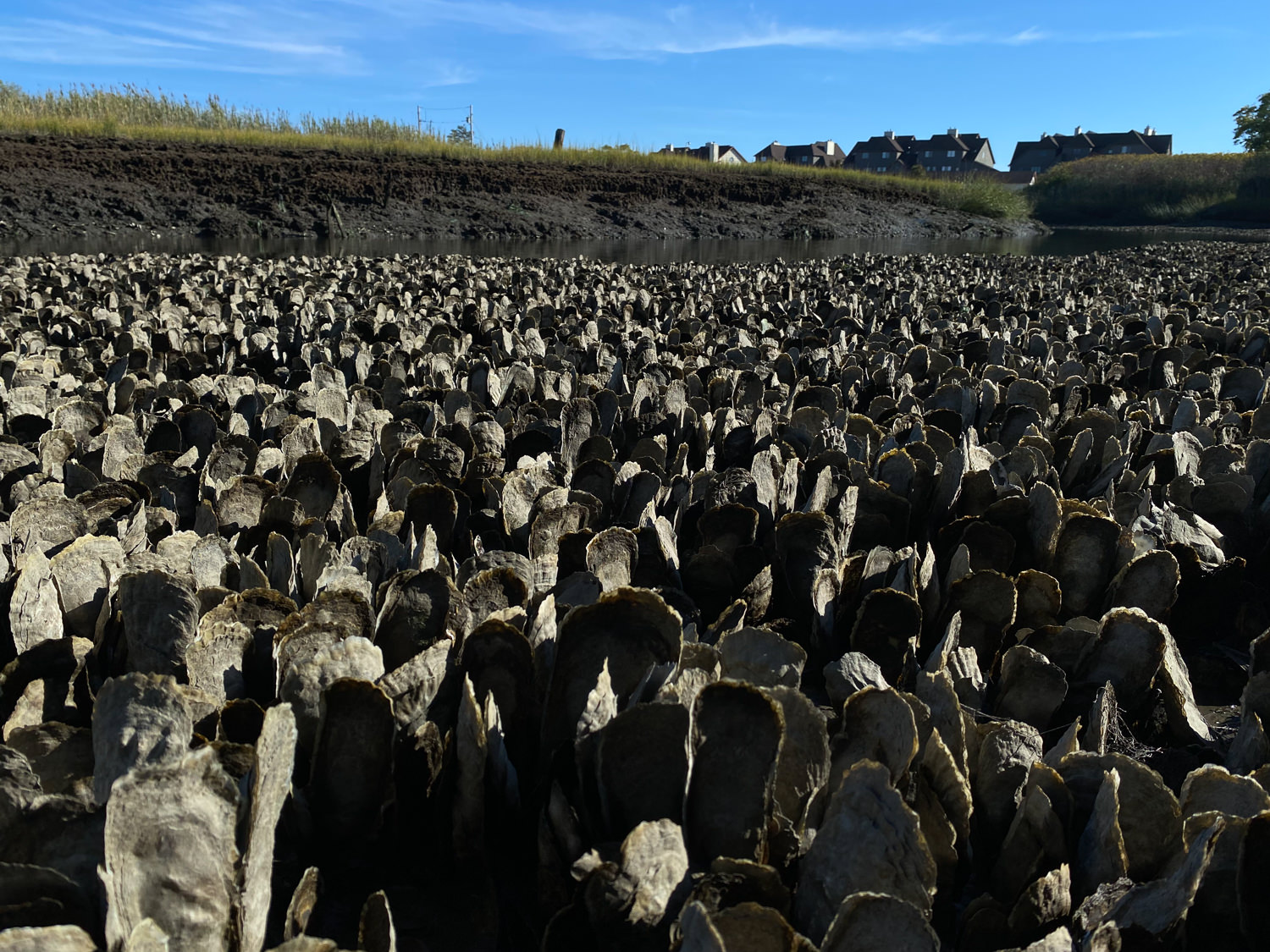
With more tributary rivers per linear coastline mile than any other region in the country, Connecticut offers an ideal environment for oysters to flourish. And indeed they have for centuries. Both abundant and accessible, oysters became a staple in the diet of shoreline indigenous people, and later a valuable source of food and trade for the European settlers in the area. As Connecticut oysters made their way to tables all over the world — including the plates of England’s royalty — their renown grew rapidly.
Consumed and harvested in great quantities, overfishing began depleting oyster beds and spurred the creation of laws regulating their taking. In 1762 New Haven made it illegal to take oysters during their summer spawning months and then, in 1766, the town outlawed dredging.
Increasing demand and dwindling oyster beds inspired a new era of oyster cultivation. In the 1820s, Connecticut oystermen began gathering free-swimming larvae and planting them on artificial beds made of oyster shells where, in 18 – 24 months, they grew into maturity.
By the end of the century, oyster farming in Connecticut peaked with more than 15 million bushels in a single year, but soon faced bigger challenges. As industry and shoreline development increased, heavy metals and raw sewage drained into the waterways at unregulated and alarming rates.
As filter feeders, oysters consume phytoplankton or algae by filtering water in and over their gills. Some adult oysters can filter up to 50 gallons of water a day, providing a valuable environmental service to their habitat. While most unwanted indigestibles leave the oysters in feces, if pollution levels are high, these hard-working shellfish can carry dangerous toxins that can be passed on to humans when eaten.
In 1892, after 29 college students became infected with Typhoid, investigation revealed that all had consumed oysters grown at the mouth of the Quinnipiac, in proximity to a house with two known cases of the fever, and sewage pipes that drained directly into the river. Later, in the mid 1920s, oysters took the blame for another Typhoid outbreak. The bad press, combined with economic depressions, had a quick and drastic impact on the oyster industry. Within a few decades, the oyster industry in Long Island Sound had declined more than 97 percent, producing a mere 40,000 bushels a year.
In 1967, Connecticut’s Clean Water Act brought new hope for the bivalve mollusks. As sewage regulations began to restore water quality, oyster growers sought to revive oyster populations by depositing clean oyster shells on old oyster grounds in estuaries and rivers where oysters once thrived.
Decades later, such cultivation continues to contribute to oyster’s resurgence. Despite a drastic setback in the late 1990s, when a water temperature spike bloomed naturally occurring parasites that destroyed 80 – 90 percent of the state’s oysters, Connecticut is on its way to reclaim its former oyster fame, a benefit to the environment and foodies alike.
Leading the charge in New Haven and Fairfield County is Copps Island Oysters, a fourth-generation, family-owned shellfish farm. Copps Island leases rights to acclaimed oyster grounds throughout Long Island Sound, as well as many historically oyster rich rivers, such as the Quinnipiac. Committed to protecting Connecticut’s waters and helping once defunct oyster habitats thrive, Copps Island proactively invests in areas where harvesting is still prohibited such as Morris Creek. In July 2012, the company laid clean shells in the Creek, which catalyzed the reef’s re-propagation.
Though oysters are now plentiful in Morris Creek, harvesting there remains prohibited due to the unavailability of current sanitary surveys or the potential of pollution sources that could cause a public health risk.
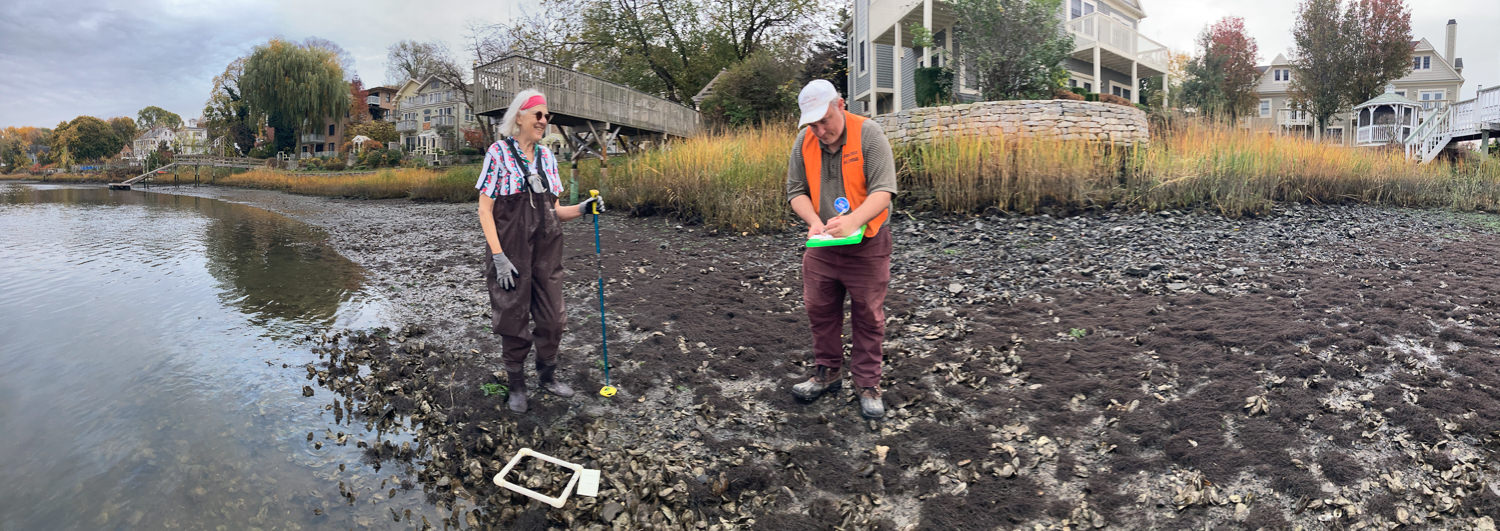
Lynn Bonnett and Aaron Goode of the New Haven Bioregional group assess quantity and sizes of living and dead oysters in Quinnipiac’s intertidal zone
Zofia knew that successfully monitoring Morris Creek oyster health was not a one-woman job. She enlisted the support of many collaborators including Dr. Mary Beth Decker, research scientist from Yale School of the Environment; Lynne Bonnett from New Haven Bioregional Group; and Richard Harris, retired scientist with Copps Island Oysters.
Zofia installed water quality data loggers in both Morris Creek and the Quinnipiac to obtain continual measurement of water salinity, oxygen, pH, temperature and water levels. With this data, she is creating a metrics table to document what the oysters experience.
In addition to monitoring, another of Zofia’s project goals was to create public awareness and involvement. To do this, she invited local community members, volunteers and students to Morris Creek — where the oysters are more accessible — to participate in measuring and tracking oyster density, mortality and the presence of juvenile oysters, called spat, in the reef.
On a beautiful Thursday afternoon in October, 16 helpers joined Zofia at the creekside. Donning waders and calipers, they counted and recorded oyster quantity, location and size. The volunteers included 11 students from Sound School’s after school environmental justice program, environmentally-minded citizens, and local neighbors like Barry and Debbie Flynn, who live nearby the creek and came out to lend a hand.
“When our kids were young, we did field trips and a lot of exploring in this area,” Debbie said. “Now our daughter is a marine biologist.”
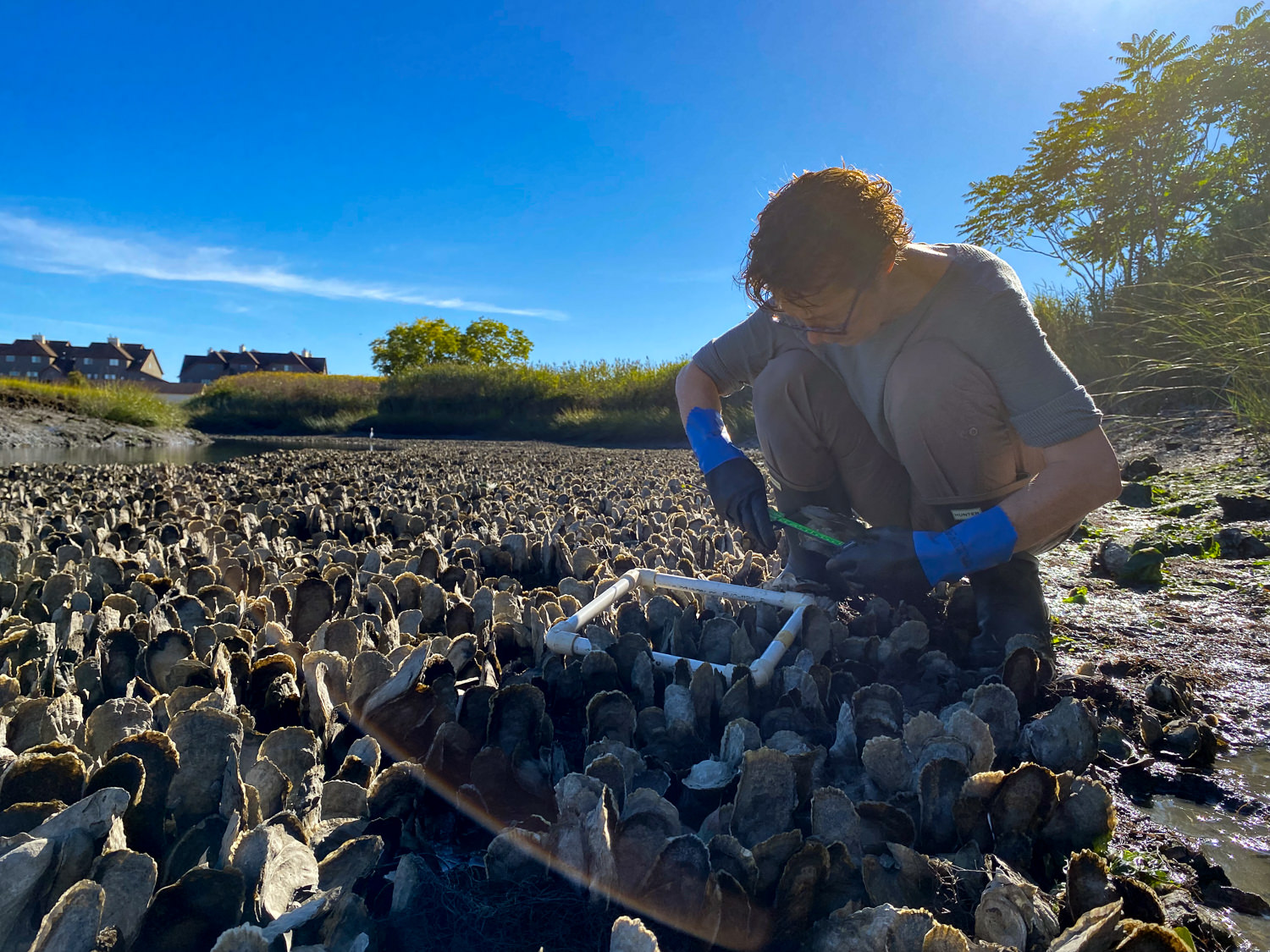
Debbie Flynn measures Morris Creek oyster density with calipers and Quadra
In November, more volunteers joined Zofia for monitoring and measuring on the banks of the Quinnipiac. And for Zofia, the sight of all these intrepid collaborators, trekking through the mud at Morris Creek or gathering on the banks of the Quinnipiac, is perhaps as thrilling as the sight of the reef’s themselves.
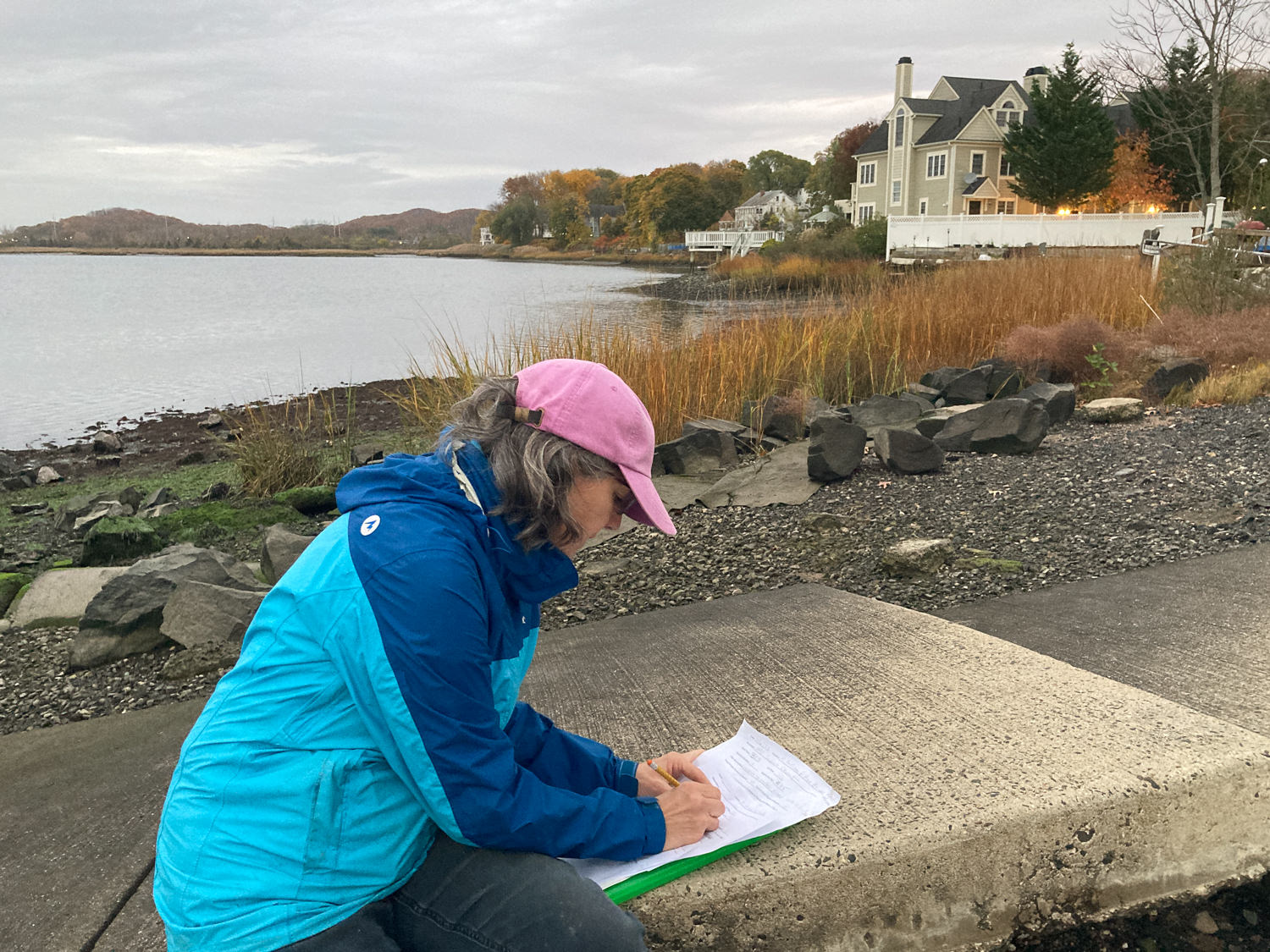
Dr. Mary Beth Decker from Yale reviews oyster data sheets at the Quinnipiac River boat launch on Clifton Street.
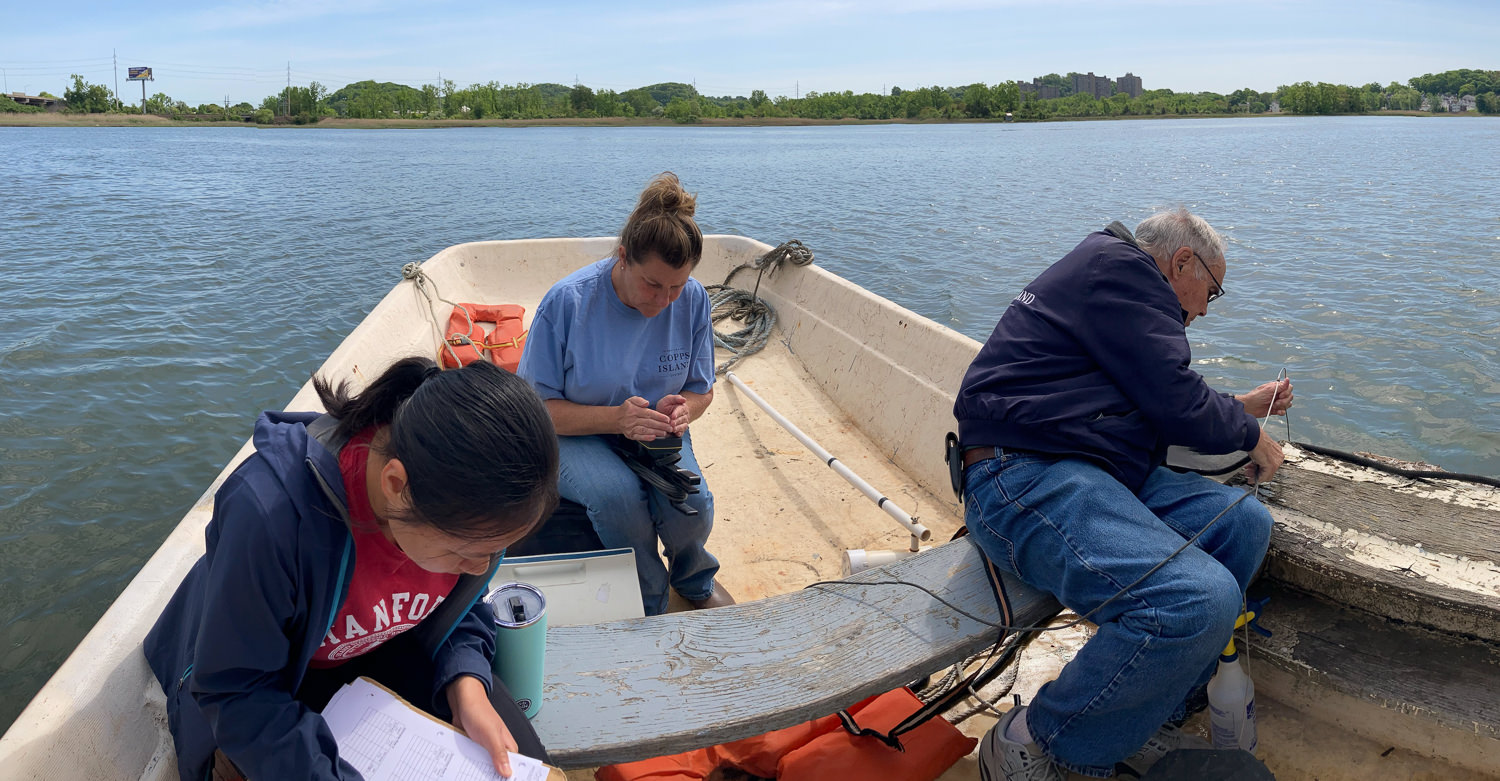
Richard Harris and Christine Griffith from Copps Island Oysters work with Jessica Li, a student from Weston High School, to monitor water quality on the Quinnipiac River.
“To improve environmental issues anywhere, you can’t just rely on the scientific community. We are a limited workforce. We need everyone’s engagement,” Zofia explained. “Once you start doing this work, you feel more connected, you begin caring about the place, and become a better more powerful advocate.”
Leveraging the support of Quinnipiac River Fund, Zofia plans to continue and expand her research with additional grants and partnerships.
Click here for more information on regulations for oyster harvesting and other shellfish.
https://shellfish.uconn.edu/wp-content/uploads/sites/62/2022/06/CTSRG_June9.pdf
New Haven Register Editorial: DEEP must do a better job protecting water from pollutants — and fining companies that illegally dump
Connecticut residents sure have a lot to be worried about these days.
Budget deficits, unequal education funding, an opioid crisis, a state in continued economic decline and possible new taxes and fees on the way, are just a few of the challenges ahead.
Now comes word that businesses are exceeding the quantity of toxins they are allowed to dump into our waters.
Nearly 30 companies — half of the 60 that can legally discharge wastewater into Connecticut’s rivers and other bodies of water — exceeded the amounts of toxic metals or other pollutants their permits allowed over the last three years, according to an analysis by Connecticut Health I-Team (C-Hit).
Data show 23 of the 60 companies were in noncompliance with the terms of their permits for at least half of the three years and 13 companies were found in significant noncompliance — the most serious level of violation — for three months or more.
The reasons ranged from excessive discharges to submitting late discharge reports.
And for the most part, they are getting away with it. Continue reading.
Ospreys in the Quinnipiac Meadows Preserve
The Quinnipiac Meadows Preserve is home to about four osprey couples nesting on platforms constructed in the marsh. In the 1950s and 60s, the osprey population was in a decline attributed, in part, to the pesticide DDT. Since the ban of DDT in 1972, osprey populations have rebounded. The mouth of the Quinnipiac River, home to many species of migratory fish, offers an ideal habitat for the coastal hunters. Keep an eye out when you visit the preserve and see if you can spot the adult ospreys and their chicks! (Photo Courtesy of Chung-Leong Chan)
Mud Minnow Is Safe — For Now
NEW HAVEN INDEPENDENT — It lives in a river with a history of abuse and pollution. It swims in waters filled with hard-to-filter chemicals. Despite that discouraging environment, an expert told a riverine gathering, the male mummichog is in OK shape, for the time being.
River popular with anglers, but pollution brings concerns
Photo Credit: Catherine Avalone — New Haven Register
NEW HAVEN >> As Aly Tatchol Camara biked to the very edge of Criscuolo Park, fishing poles slung on his back, he found he would not be alone at Grape Vine Point this cold, March evening.
Two poles already rested on the stone wall, lines dropped into where the Mill and Quinnipiac rivers meet before emptying into Long Island Sound. A 13-year-old boy told Camara through his shivering that he hadn’t had any luck yet that night in catching anything. The boy said he was there to try to bring fish home to his family.
Just to the right of the poles was a sign from the state Department of Energy and Environmental Protectionwarning that if anyone spots raw sewage in the water, they are to call and report the sighting.
Combined sewer overflows, contaminated storm water runoff, lawn fertilizers and lingering chemicals from dozens of power and manufacturing plants are just some of the pollutants hurting Greater New Haven watersheds. All three rivers in Greater New Haven — West, Mill and Quinnipiac — are on theimpaired waters list of the U.S. Environmental Protection Agency.
While pollution limits activities like swimming and paddling in these rivers, it also poses a significant risk to those who consume fish from them. Thestate Department of Public Health advises that any fish caught from the Quinnipiac River should be consumed only once a month, due to the dangerous contaminants present in fish tissue. Blue crab from the Mill River should not be eaten at all, the department warns in its 2016 consumption guide.
Camara, 51, said it was still a little too early in the year to catch much, but he said he likes spending his summer evenings at the edge of Criscuolo Park. A native of West Africa, Camara has been in the United States since 1996, he said, and he now teaches African dance and drumming in New Haven.
He mostly fishes for sport, releasing much of what he gets, he said. Fishing in the evenings keeps him away from television and out of trouble, he said with a laugh.
“This is a place for us to spend time,” Camara said. “You meet a lot of friends here.”
CONTAMINATION THREATS
Based on the health advisories from the state health department for 2016, fish in the Quinnipiac may be contaminated with polychlorinated biphenyls, commonly referred to as PCBs. The recommendation that any species of fish caught in the river only be consumed once a month applies to both high-risk and low-risk groups. Continue reading . . .
Fishing for Toxins
Research scientists from area universities detect and measure the impact of chemical pollutants in the Quinnipiac River

A vast number of products used and relied on everyday are made possible because of modern chemistry — from television sets and mobile phones, to plastic bottles, detergents, weed killers, hospital equipment, and just about everything in the typical American medicine cabinet. Qualities such as hardness for mobile phone covers and flexibility for intravenous tubes are achieved with materials created out of chemical compounds formed in a laboratory. The use and production of these synthetics has grown exponentially since World War II and brought undeniable benefits. But many of the chemical building blocks used to make these materials are potentially harmful to humans and wildlife in ways that scientists are only beginning to understand.
In Greater New Haven, research scientists from area universities are conducting an array of studies to determine the extent of chemical pollutants in the Quinnipiac River watershed. Supported with grants from the Quinnipiac River Fund, some are working to identify point sources, typically the discharges of factories and water treatment facilities. Other teams are trapping specific animal species that live in and around the Quinnipiac River to determine whether the chemicals exist in high enough concentrations to affect biological systems that are shared with humans.
The compounds being studied are known as endocrine disrupting chemicals, or EDCs. The more well known of these compounds include dichlorodiphenyltrichloroethane, or DDT, the pesticide that was banned for most uses in 1972, and Bisphenol A, or BPA, which has been used in baby bottles and the lining of cans of food.
The chemicals get their name because they can interfere with the normal functioning of the endocrine system. A network of glands and organs throughout the body, the endocrine system is responsible for many aspects of a person’s overall health. It produces the hormones necessary for normal sexual development and fertility, balanced energy levels and metabolism, childhood immunity, bone growth, and other vital functions.
Research sponsored by the National Institute of Health is investigating links between EDCs and illnesses including various cancers, diabetes, low fertility, immune disorders, and neurological defects. The NIH states that endocrine disruptors may pose the greatest risk to the developing organs during prenatal development and infancy.
Along multiple points of the Quinnipiac River, a research team lead by Quinnipiac University Professor of Chemistry Harry Pylypiw has tested the water to identify the point sources several endocrine disruptors known as phthalates. The team paid particular attention to the presence of Diethylhexyl phthalate (DEHP), a plasticizer manufactured by the Wallingford company Cytec Industries for use in medical devices, syringes, IV bags, glo sticks, hydraulic fluid, and other products.

While the river was found clean at Hall Avenue, above the Walllace Dam, lower down at Toelles Road, near a discharge site for Cytec, testing found DEHP as well as Dibutyl phthalate (DHP), a chemical used in detergents, cosmetics, aerosol fragrances, and toothbrushes. What surprised Pylypiw was his discovery of phthalate compounds further down river, far from any known discharge points.
“What disturbed us was what we found in the tidal marshes,” said Pylypiw. “There is no dumping there, so it has to be migrating.”
Household waste, seepage from underground septic systems, and other non-point sources are equally significant contributors of EDCs in the environment. In freshwater ponds in suburban areas around the Quinnipiac River, Yale research biologists are measuring how the chemicals are affecting local frog populations. Previous studies have found some of the highest EDC concentrations near suburban homes reliant upon septic systems.
“There is a halo of chemicals around everywhere we live,” said David Skelly, Ph.D.Yale School of Forestry and Environmental Studies. “Wastewater treatment is not equipped to deal with these 21st-century EDCs.”
Skelly’s team has found evidence of endocrine disruption in local frog populations. One in five frogs sampled by the researchers had eggs in their testes. In an ongoing project, the team is studying mussel populations in Long Island Sound, the first such examination of endocrine disruption in this body of water.
On the Quinnipiac River, John Kelly, a research biologist with the University of New Haven, is leading a study that seeks to determine if endocrine disruption is happening to fish and the patterns for where EDCs are more or less concentrated. For his testing, Kelly’s team is examining the mummichog, a small, silvery fish that lives in brackish water. The presence of endocrine disrupting chemicals in the fish will turn on cellular machinery to produce certain proteins in the liver that can be measured. By detecting these proteins in the fish livers, Kelly can establish that endocrine disruption is occurring.
Kelly’s study is ongoing and is anticipated to have results in the spring of 2015. 
To call a hummingbird
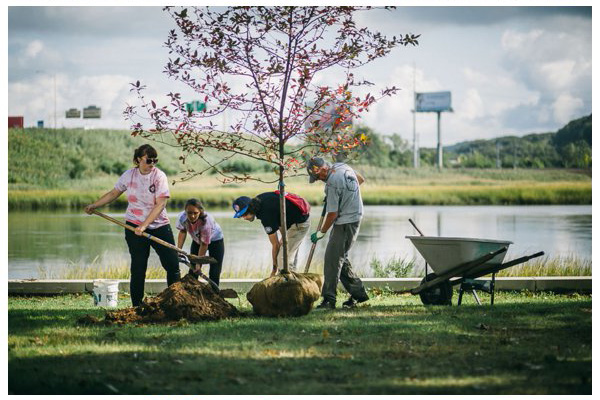
photos by Ian Christmann
Plant lupine, hollyhock or phlox and you may find iridescent-feathered hummingbirds frequenting your yard. Cultivating wild grape vines or crabapple trees can entice cardinals and bluebirds.
Fueled by a grant from the Quinnipiac River Fund, Audubon CT is teaming up with Urban Resources Initiative to demonstrate that, with just a little forethought, everyday plants chosen to beautify yards and parks near the Quinnipiac River can have added benefits for birds and other wildlife.
A surprisingly diverse variety of beloved bird species call the Quinnipiac area home, including great blue herons, robins, mockingbirds, cardinals, blue jays, golden finches, eagles, monk parakeets and more.
“Many birds, especially migratory birds are losing habitat and becoming threatened,” said Chris Ozyck, associate director of Urban Resources Initiative.“ Urban areas are critical, especially near rivers or estuaries.”
Common plants provide birds with food in the form of fruits, berries or nectar, and nesting places and materials. Equally important are plants that attract pollinators, such as bees, beetles, ants and butterflies, which bring their own winged beauty to the area.
To introduce the community to bird-friendly plants, Audubon and URI conducted public workshops: one with a public space focus, held at Dover Beach, and another geared towards people’s private yards and gardens. A pocket-guide to bird-friendly plantings was also made available in both English and Spanish.
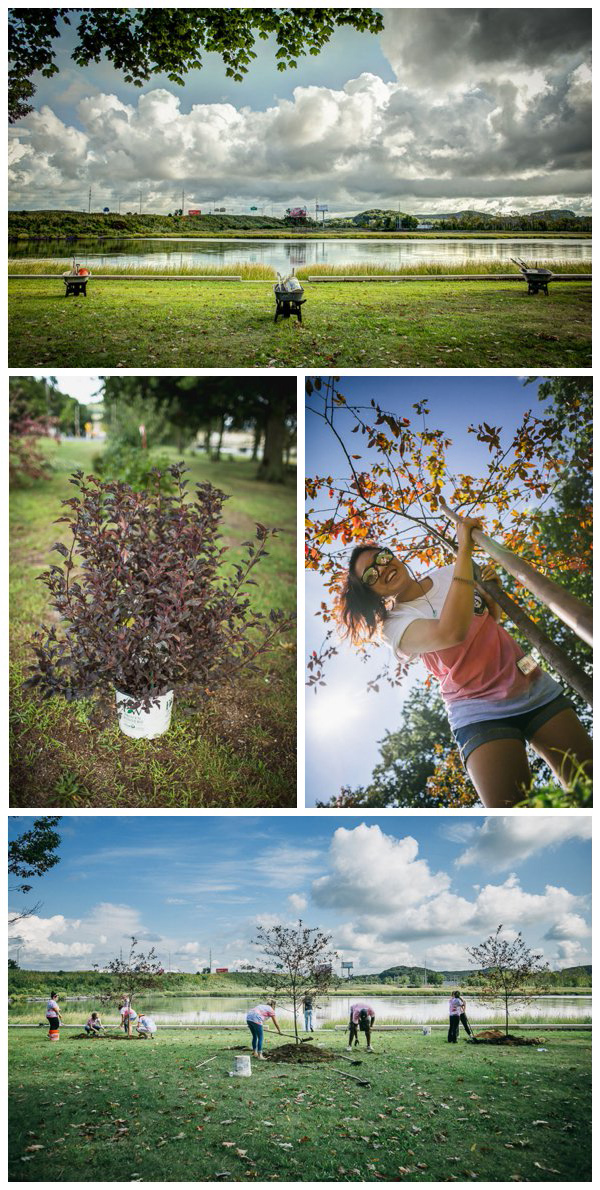
The Audubon/URI partnership supplemented these education efforts with a hands-on planting day on September 13, 2013. As part of a 9/11 Day of Service and Remembrance, more than a dozen volunteers from Americorps Vista, Americorps Alums and Peace Corps came out to make Dover Beach Park even more attractive for birds and people alike. New plantings included an oak, maple, crab apples and a plethora of shrubs and perennials.
If these fish could talk…
If these fish could talk…
…they might say, “caution.”
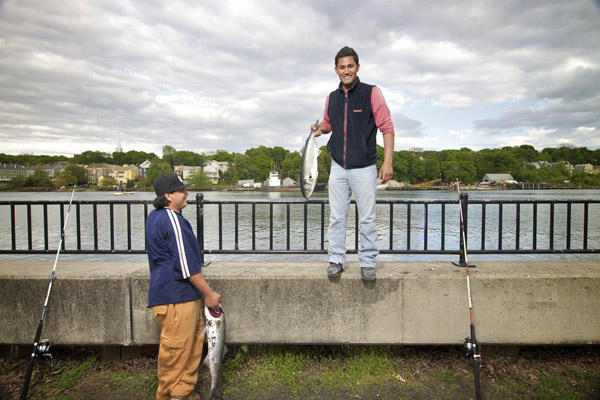
The lower Quinnipiac River offers a bounty of fin-laden delights, such as bluefish and bass – tempting possibilities for a low-cost, high-protein family dinner, but eating these fish too often can be a serious health hazard.
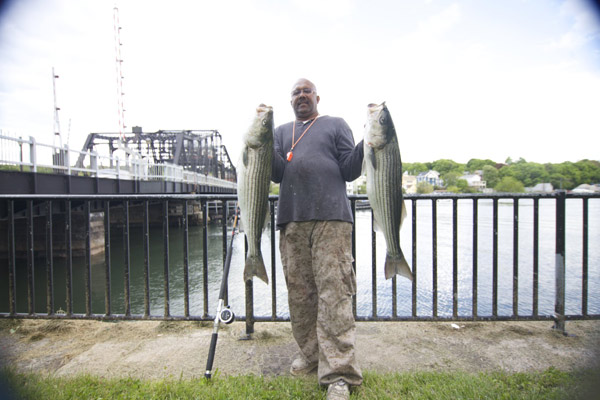
To shed light on Quinnipiac’s fish contamination and consumption risks, the Connecticut Coalition for Environmental Justice (CCEJ), with support from the Quinnipiac River Fund, launched a safe fishing project from 2010 – 2012. Through casual one-on-one conversations, brochure distribution and multi-lingual signage, the CCEJ helped hundreds of fishers on the Quinnipiac River understand the hidden dangers they may be ingesting.
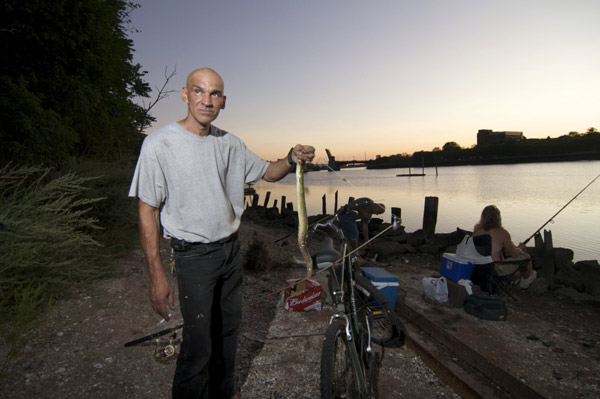
Even when pollution is miles away or many years past, fish can harbor levels of cancer-causing chemicals – such as mercury and polychlorinated biphenyls (PCBs) – thousands of times higher than the water. Chemical spills can elevate PCB levels in fish for years after the spill has ceased, and mercury in air pollution can travel long distances before being deposited into the river.
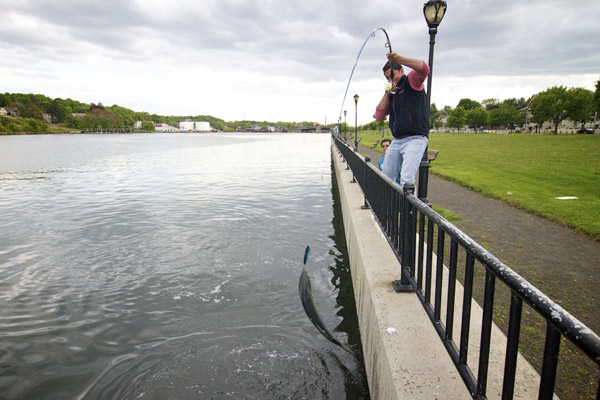
In Meriden, north of the Quinnipiac River Gorge, a history of heavy pollution makes eating any caught fish (other than stocked trout) ill advised. In the lower Quinnipiac, tidal waters help lessen some pollution, but fish consumption risks still remain high. The CCEJ focused its education efforts on this area, where the river’s proximity to highly populated urban areas and low-income neighborhoods makes fishing for food a popular activity.
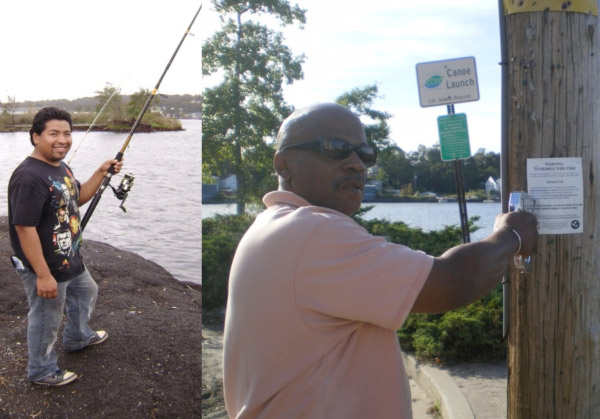
To lead the education efforts, CCEJ brought on lifelong fisherman Robert Hudson, who brought an angler’s attitude to the task. Donning casual clothes and often carrying a fishing pole, he spoke with nearly 170 fishers, most of whom said they were not aware of the safe fishing guidelines.
Tidal in nature, the lower Quinnipiac bears the same fish-eating cautions as the Long Island sound: most saltwater fish are safe to eat, except for bluefish longer than 25 inches and striped bass, which should not be eaten by pregnant women, women who plan to become pregnant or children under the age of six. For everyone else, the Department of Public Health recommends no more than one meal a month of these large fish.
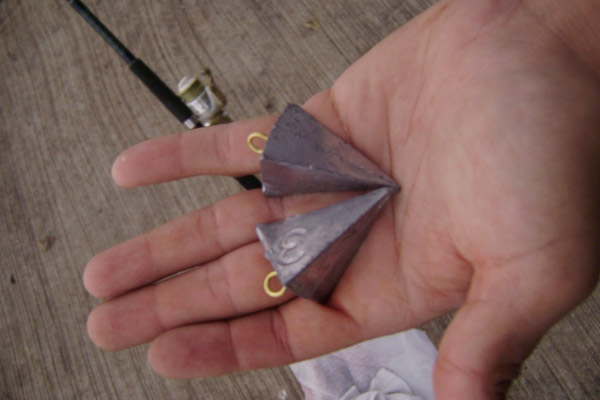
Hudson provided fishermen with pamphlets explaining the guidelines, and also explained a practical and simple way they could help reduce contamination of the river and river-caught fish: by switching their lead weights to alloy-encased ones.
Hudson’s education work helped inform CCEJ’s effort to promote a state bill to restrict lead fishing weights, similar to measures that have passed in Maine and New Hampshire. CCEJ also worked with the State Department of Environmental Protection to ensure fish signage is posted in fishing areas in English and Spanish.
The Quinnipiac River Fund has granted $27,000 to the Connecticut Coalition for Environmental Justice for its safe fishing project and broader activities building environmental awareness and safeguarding the health of residents who use the Quinnipiac River.