To call a hummingbird


photos by Ian Christmann

Plant lupine, hollyhock or phlox and you may find iridescent-feathered hummingbirds frequenting your yard. Cultivating wild grape vines or crabapple trees can entice cardinals and bluebirds.

Fueled by a grant from the Quinnipiac River Fund, Audubon CT is teaming up with Urban Resources Initiative to demonstrate that, with just a little forethought, everyday plants chosen to beautify yards and parks near the Quinnipiac River can have added benefits for birds and other wildlife.

A surprisingly diverse variety of beloved bird species call the Quinnipiac area home, including great blue herons, robins, mockingbirds, cardinals, blue jays, golden finches, eagles, monk parakeets and more.

“Many birds, especially migratory birds are losing habitat and becoming threatened,” said Chris Ozyck, associate director of Urban Resources Initiative.“ Urban areas are critical, especially near rivers or estuaries.”

Common plants provide birds with food in the form of fruits, berries or nectar, and nesting places and materials. Equally important are plants that attract pollinators, such as bees, beetles, ants and butterflies, which bring their own winged beauty to the area.

To introduce the community to bird-friendly plants, Audubon and URI conducted public workshops: one with a public space focus, held at Dover Beach, and another geared towards people’s private yards and gardens. A pocket-guide to bird-friendly plantings was also made available in both English and Spanish.

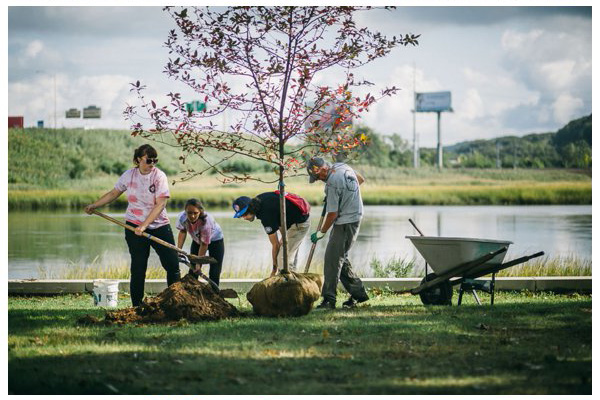
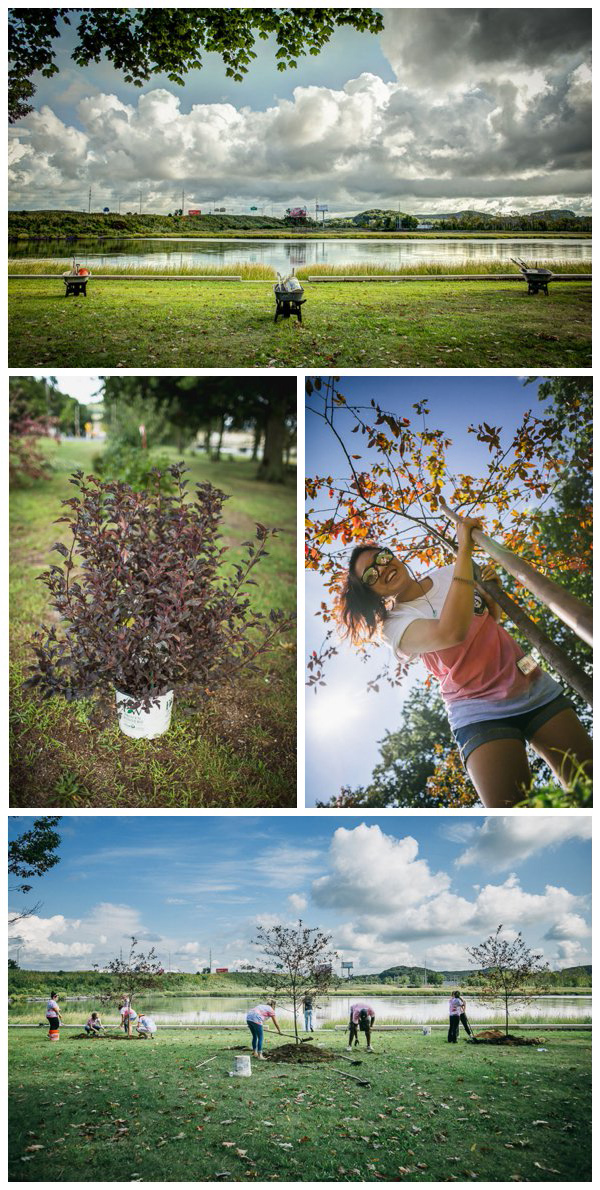
The Audubon/URI partnership supplemented these education efforts with a hands-on planting day on September 13, 2013. As part of a 9/11 Day of Service and Remembrance, more than a dozen volunteers from Americorps Vista, Americorps Alums and Peace Corps came out to make Dover Beach Park even more attractive for birds and people alike. New plantings included an oak, maple, crab apples and a plethora of shrubs and perennials.
If these fish could talk…

If these fish could talk…

…they might say, “caution.”

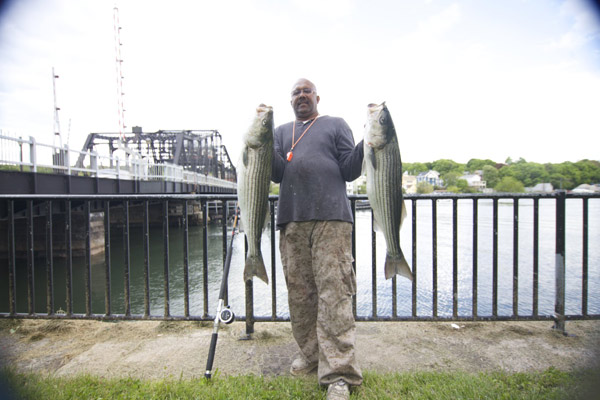
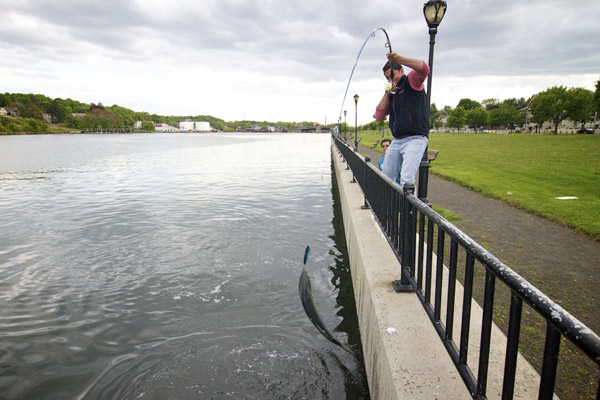
The lower Quinnipiac River offers a bounty of fin-laden delights, such as bluefish and bass – tempting possibilities for a low-cost, high-protein family dinner, but eating these fish too often can be a serious health hazard.

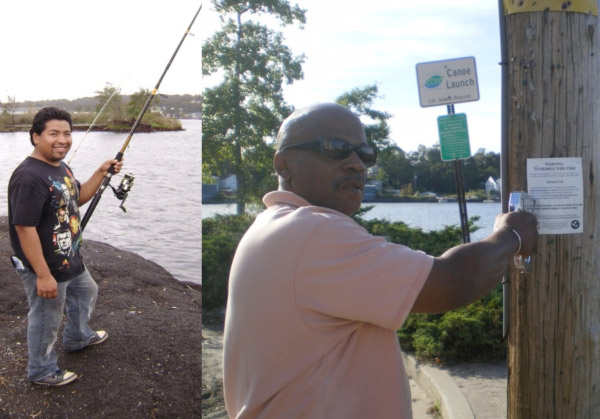
To shed light on Quinnipiac’s fish contamination and consumption risks, the Connecticut Coalition for Environmental Justice (CCEJ), with support from the Quinnipiac River Fund, launched a safe fishing project from 2010 – 2012. Through casual one-on-one conversations, brochure distribution and multi-lingual signage, the CCEJ helped hundreds of fishers on the Quinnipiac River understand the hidden dangers they may be ingesting.

Even when pollution is miles away or many years past, fish can harbor levels of cancer-causing chemicals – such as mercury and polychlorinated biphenyls (PCBs) – thousands of times higher than the water. Chemical spills can elevate PCB levels in fish for years after the spill has ceased, and mercury in air pollution can travel long distances before being deposited into the river.

In Meriden, north of the Quinnipiac River Gorge, a history of heavy pollution makes eating any caught fish (other than stocked trout) ill advised. In the lower Quinnipiac, tidal waters help lessen some pollution, but fish consumption risks still remain high. The CCEJ focused its education efforts on this area, where the river’s proximity to highly populated urban areas and low-income neighborhoods makes fishing for food a popular activity.

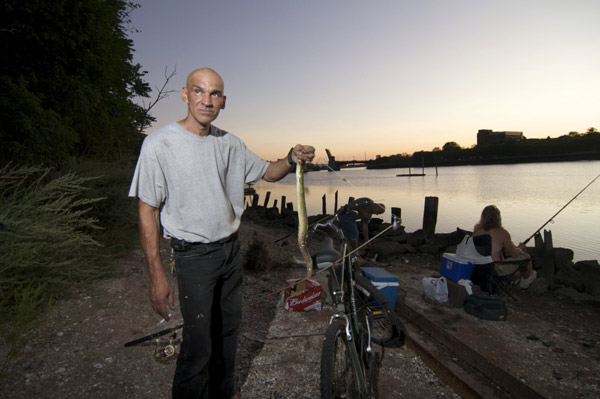
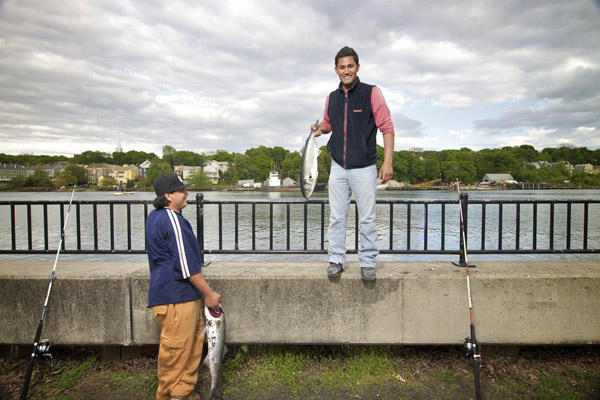
To lead the education efforts, CCEJ brought on lifelong fisherman Robert Hudson, who brought an angler’s attitude to the task. Donning casual clothes and often carrying a fishing pole, he spoke with nearly 170 fishers, most of whom said they were not aware of the safe fishing guidelines.

Tidal in nature, the lower Quinnipiac bears the same fish-eating cautions as the Long Island sound: most saltwater fish are safe to eat, except for bluefish longer than 25 inches and striped bass, which should not be eaten by pregnant women, women who plan to become pregnant or children under the age of six. For everyone else, the Department of Public Health recommends no more than one meal a month of these large fish.

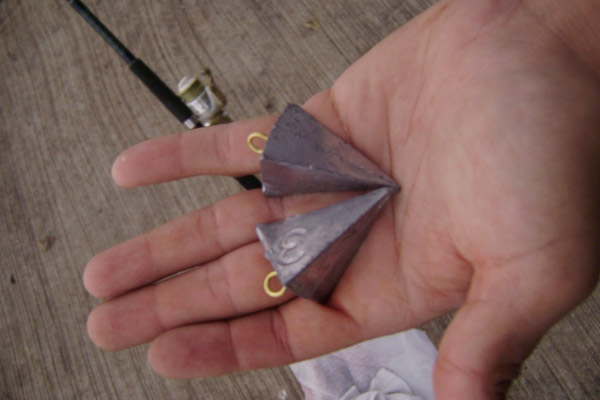
Hudson provided fishermen with pamphlets explaining the guidelines, and also explained a practical and simple way they could help reduce contamination of the river and river-caught fish: by switching their lead weights to alloy-encased ones.

Hudson’s education work helped inform CCEJ’s effort to promote a state bill to restrict lead fishing weights, similar to measures that have passed in Maine and New Hampshire. CCEJ also worked with the State Department of Environmental Protection to ensure fish signage is posted in fishing areas in English and Spanish.

The Quinnipiac River Fund has granted $27,000 to the Connecticut Coalition for Environmental Justice for its safe fishing project and broader activities building environmental awareness and safeguarding the health of residents who use the Quinnipiac River.