NEW HAVEN INDEPENDENT — The June sunlight sparkled off the smooth waters of the Quinnipiac River beside the Quinnipiac River Marina in Fair Haven, where people of all ages gathered to participate in the Quinnipiac Riverfest this Saturday.
Category: Community and history
Here there be dragons
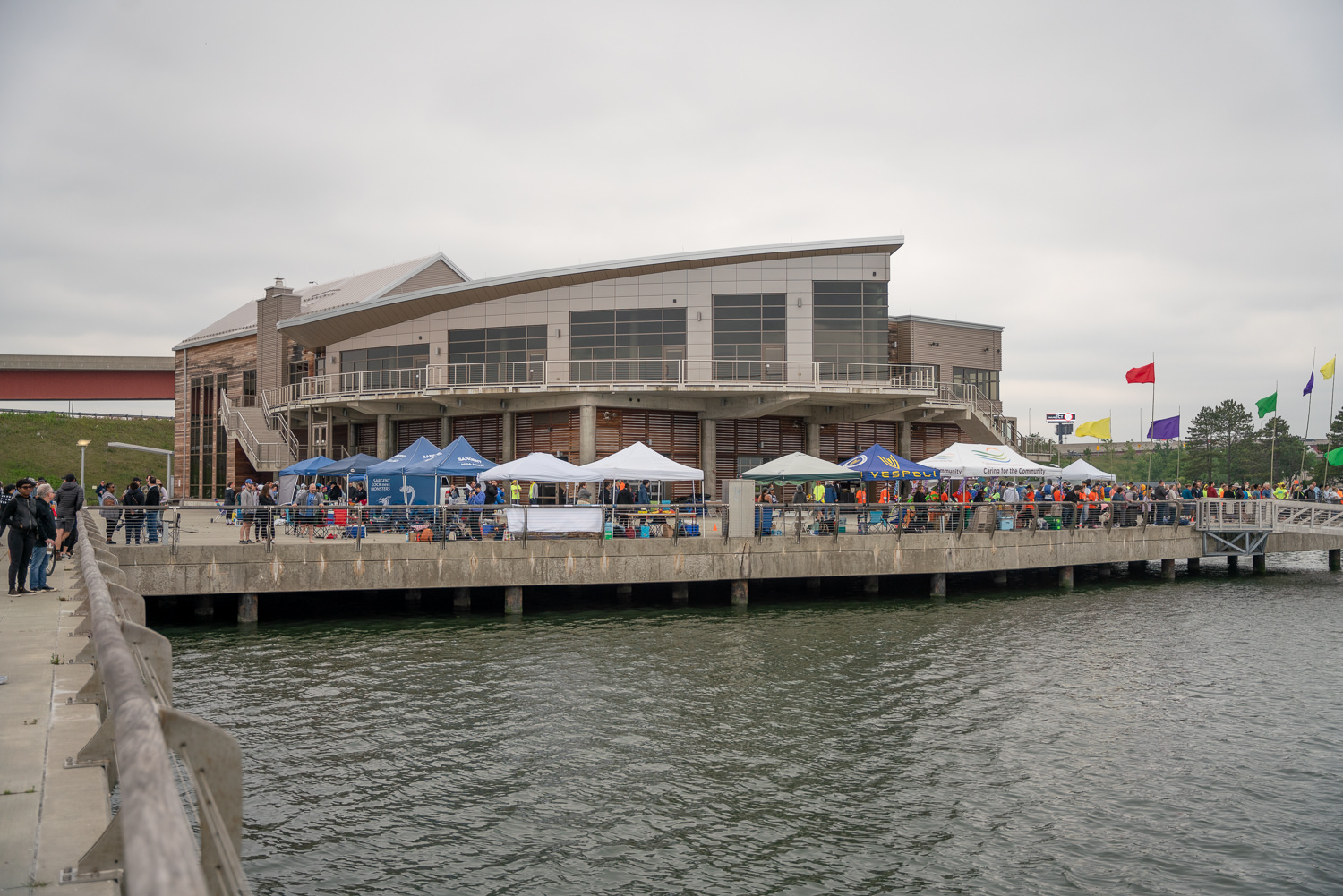
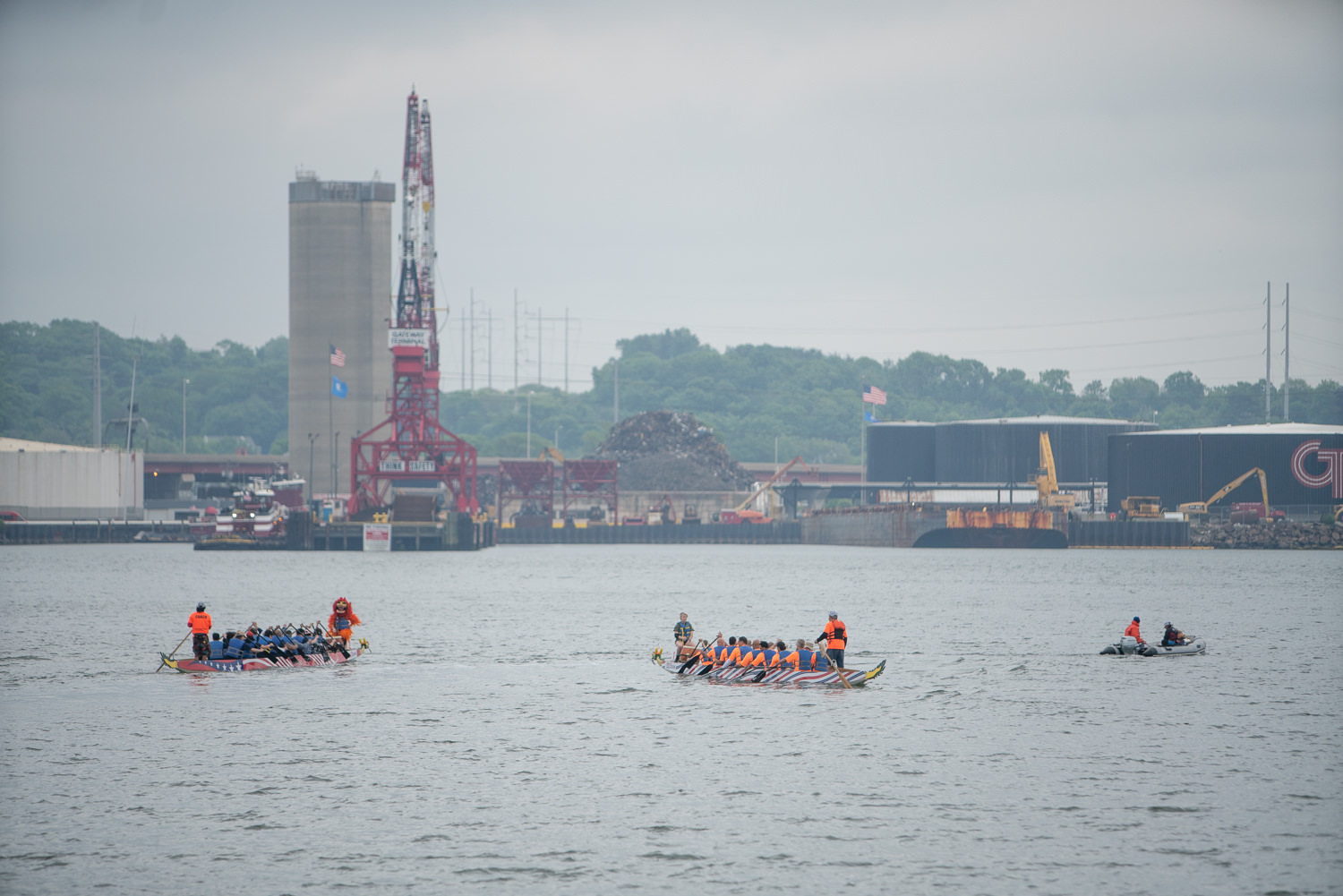
Hundreds gather for Canal Dock’s annual Dragon Boat Regatta
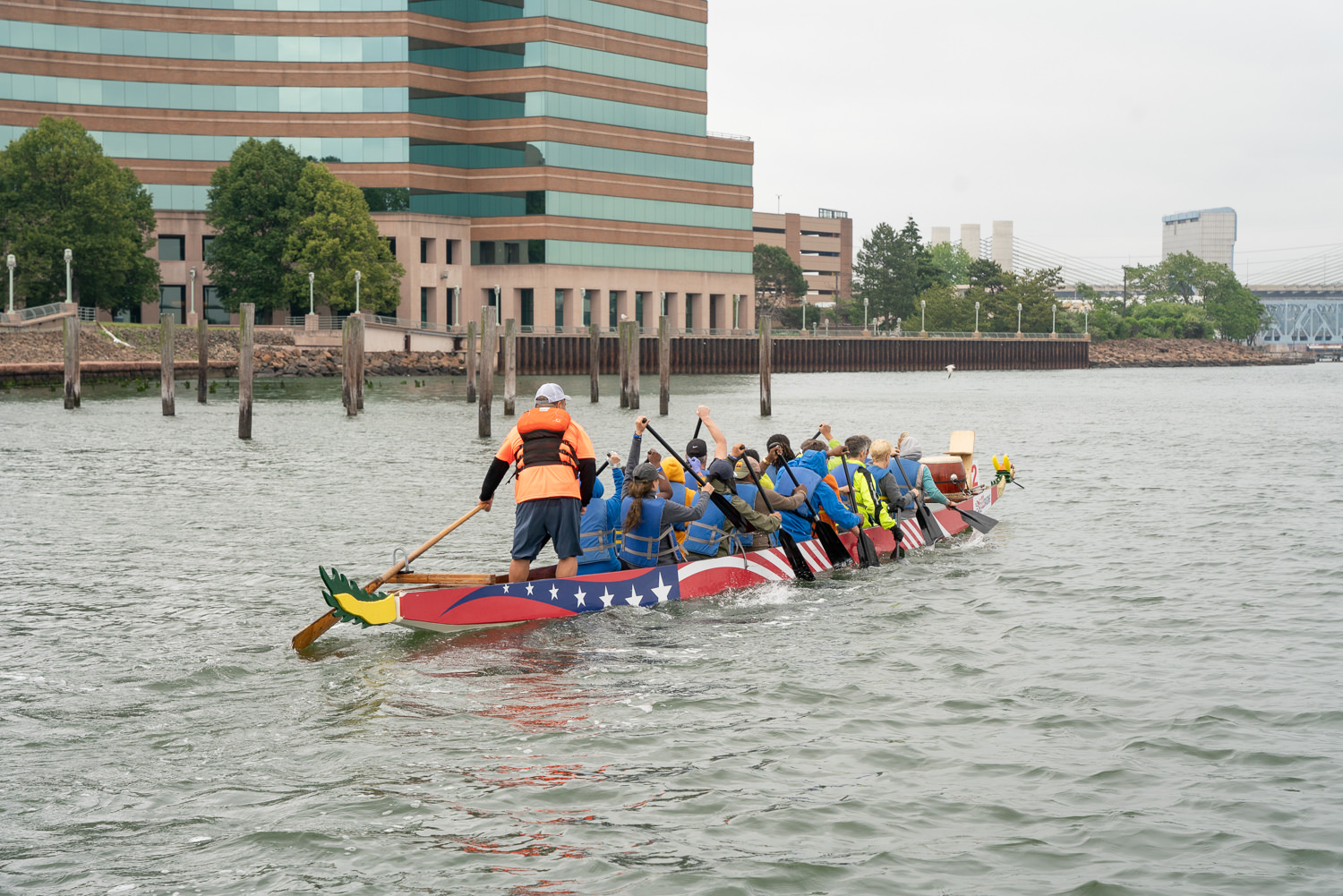
On June 3, 2023, a dozen dragons were spotted in the New Haven harbor. “Dragons” are not necessarily a new occurrence in these waters. In the 17th century, European settlers and sailors named the lower Quinnipiac River “dragon” after the multitude of harbor seals, known as “sea dragons” that populated the waters. Over the decades, pollution and development drove these creatures away, but in 2016, the Canal Dock Boathouse introduced a different kind of dragon to the harbor, in the form of large canoe-like vessels with ornately carved dragon’s heads and tails. These dragons emerged for a single day with a single focus: to be crowned victor in the Boathouse’s annual Dragon Boat Regatta.
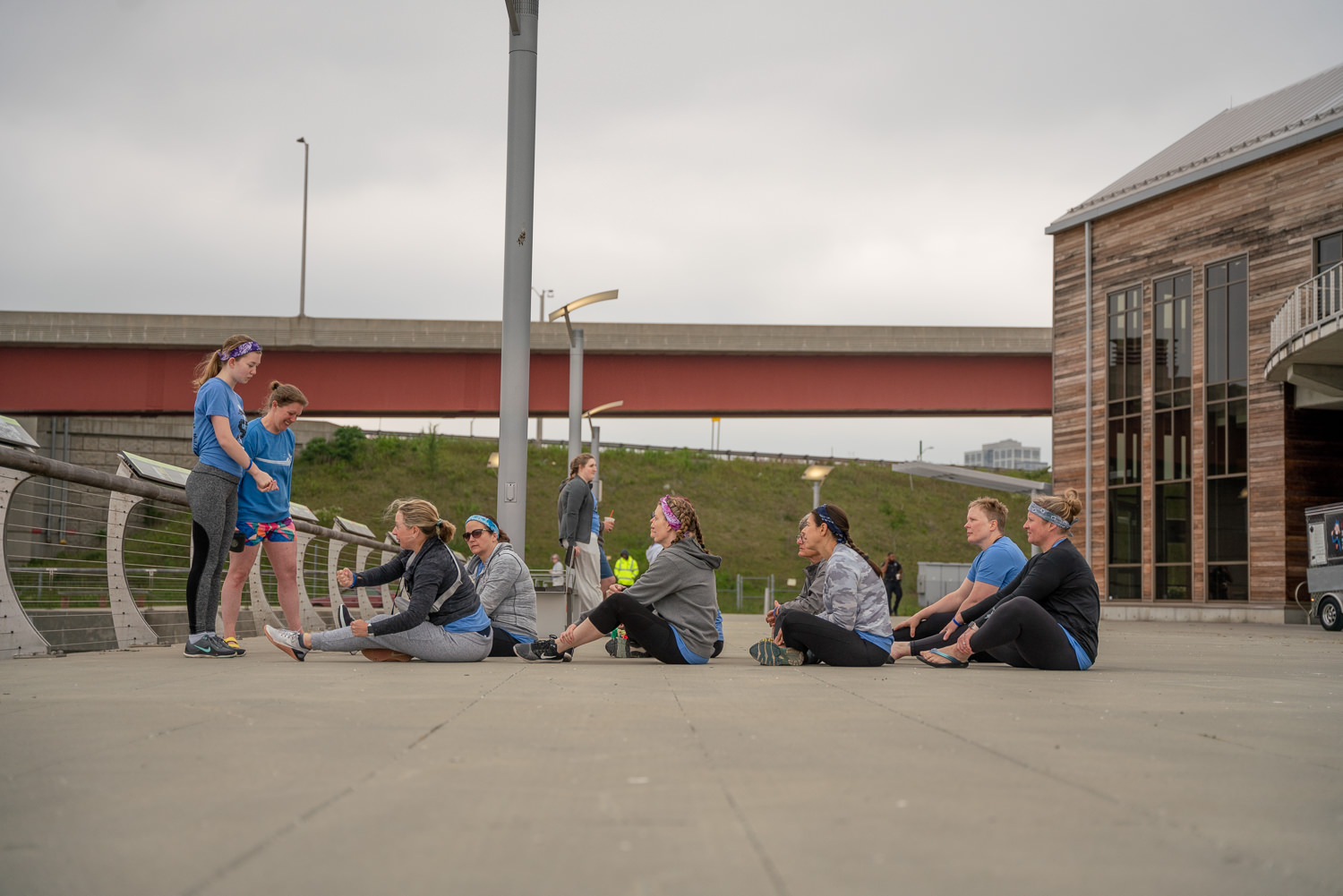
Dragon Boat Racing — a traditional Chinese watercraft activity dating back 2000 years — is one of the fastest growing water sports in the world and a favorite among charities and corporations for its fundraising and team-building benefits. Indeed, Canal Dock’s Dragon Boat Regatta serves as an important fundraiser for the organization, helping them continue their mission connecting people to New Haven’s waterfront through programs and activities including community days, dry land rowing, yoga class on the platform, kayaking, rowing, and dragon boating.
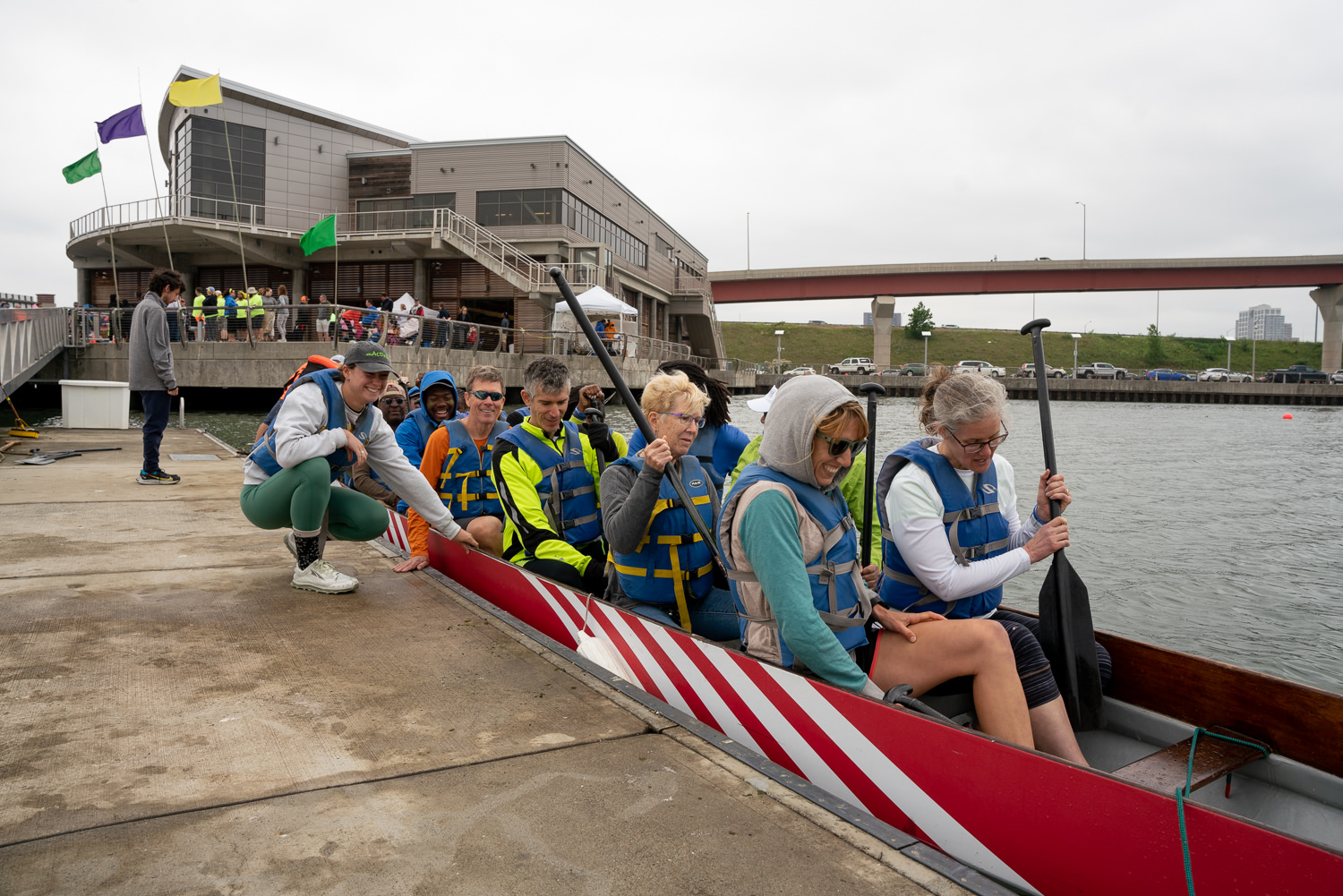
The Regatta brings together a broad spectrum of the community, including local businesses, clubs and high school participants. The entry fee of $1700 allows teams to sponsor a boat which holds 16 paddlers and 1 drummer. Crews — comprised of people of all ages and experience — sit in pairs and paddle while a drummer beats time to keep them in unison and a helms person guides the boat. All boats are required to have at least 6 females inclusive of transgender, nonbinary and gender nonconforming individuals.
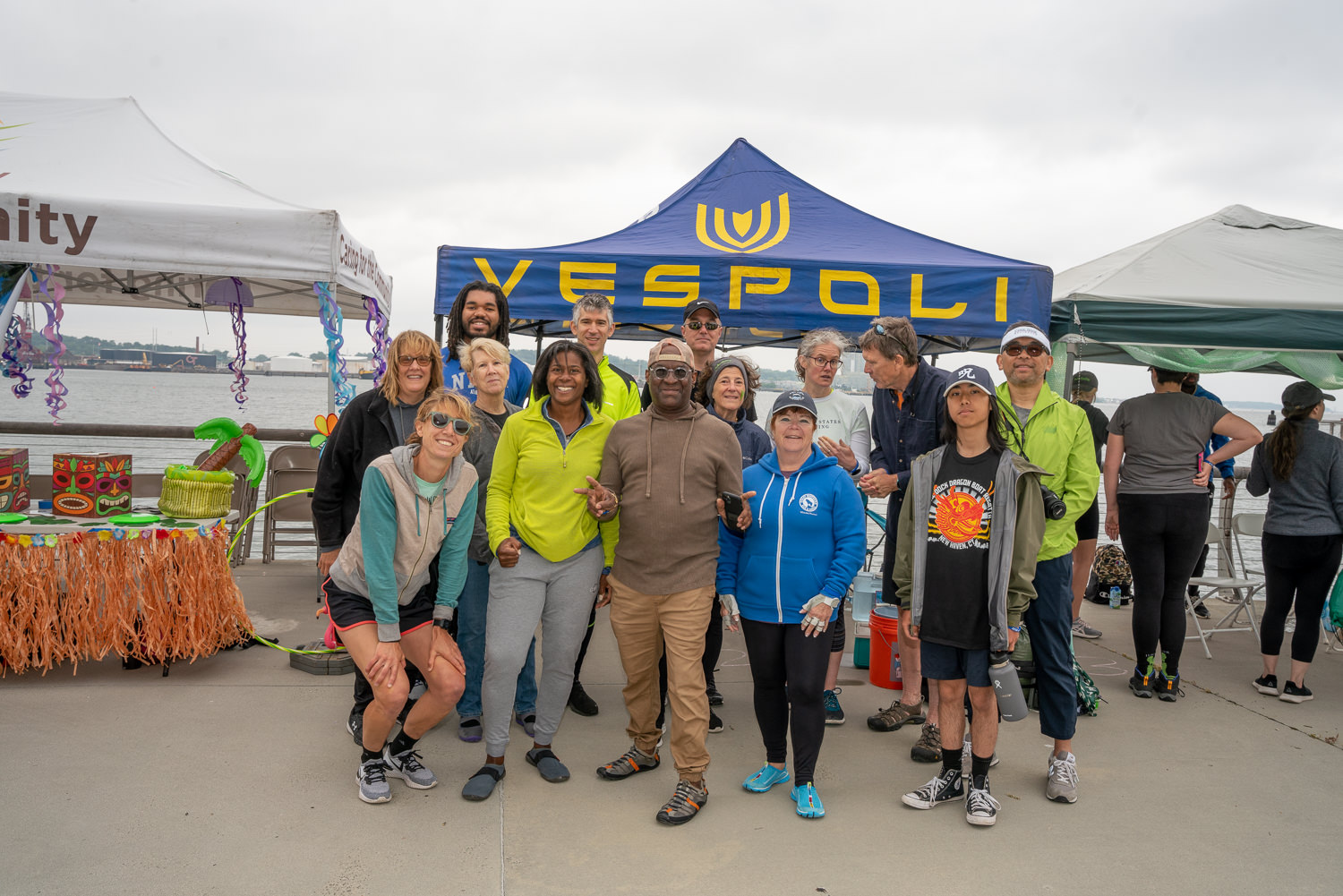
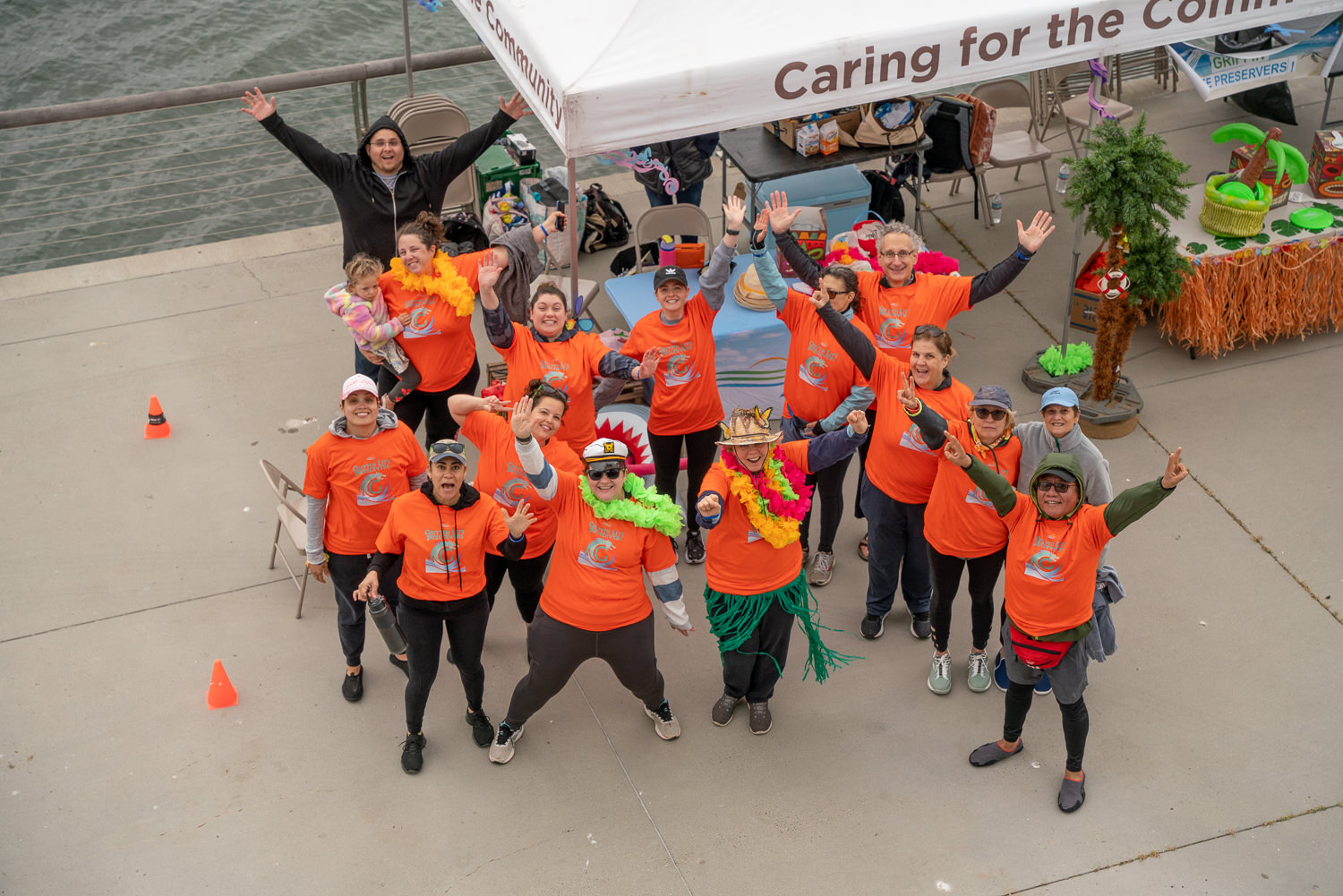
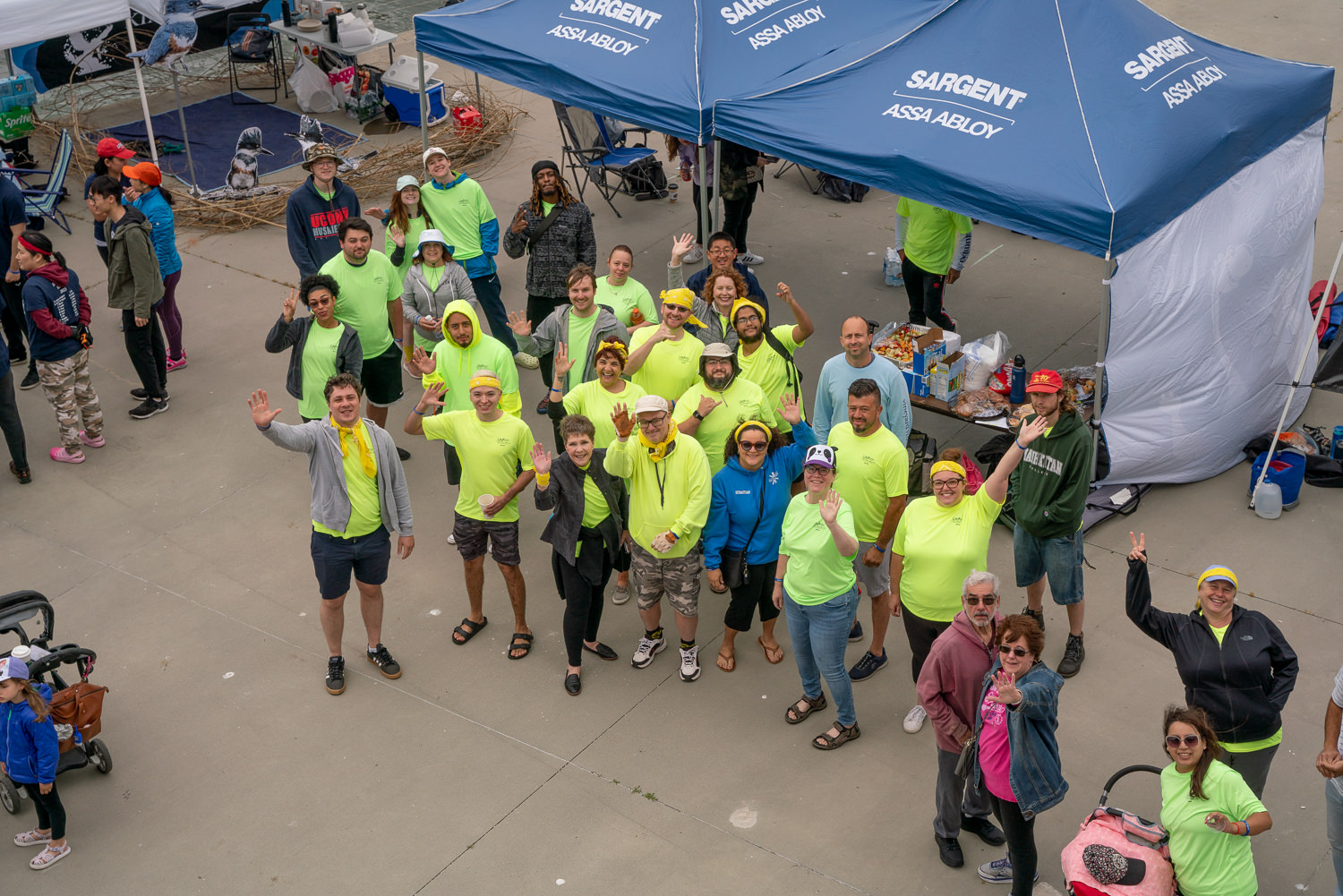
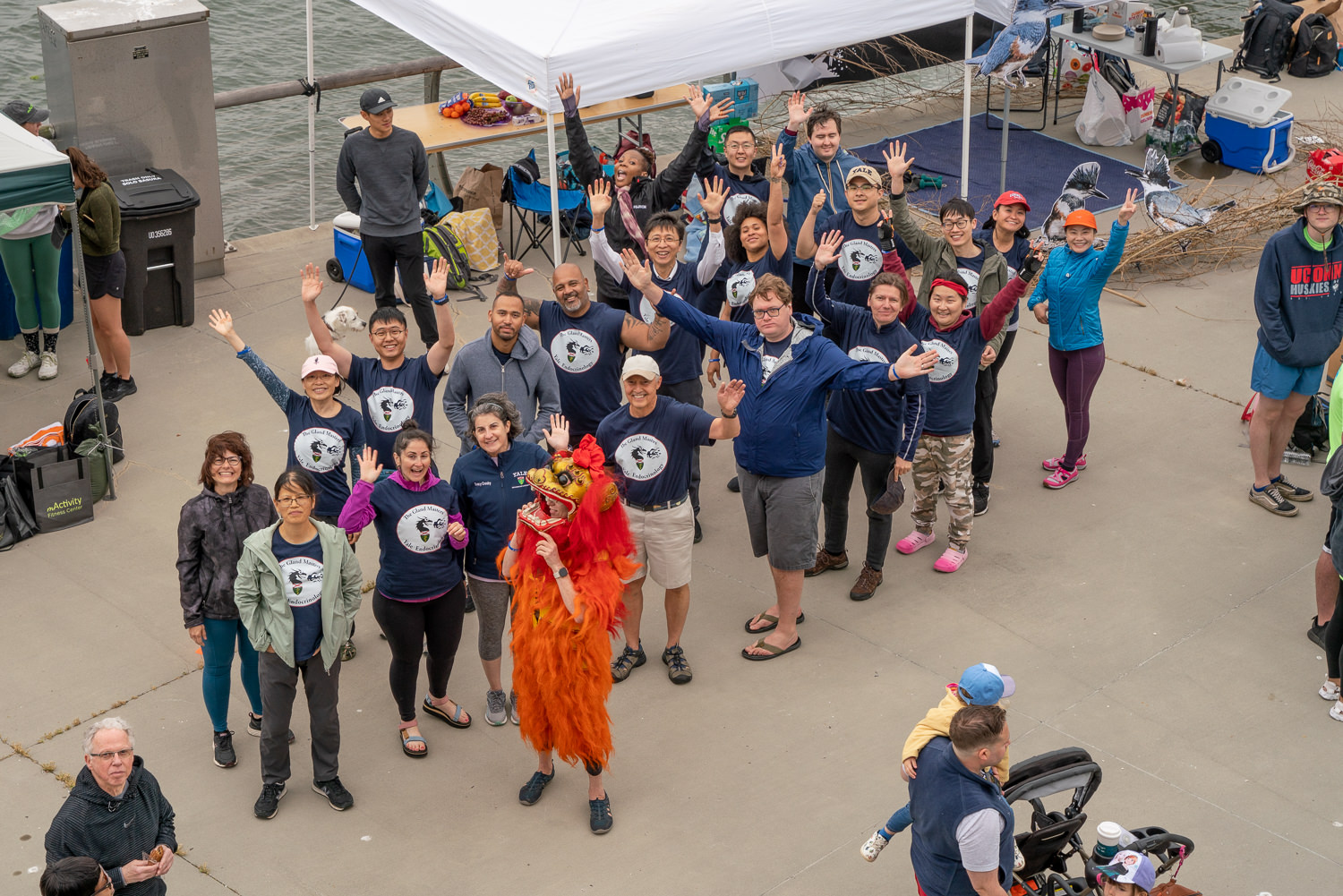
Thus year a dozen boats vied for the gold. Participants included two groups that have been with the event since its inception: Tuff Girls gym and ASSA ABLOY/Sargent. Each brought three teams this year. The Wheel Good Paddlers was made up of members of the New Haven Bicycle Club paired with public high school participants. The Glandmasters from Yale Endocrinology and Vespoli both re-entered the Regatta this year after a hiatus, and Griffin Hospital returned for a second year. Joining them were new teams from mActivity gym and Reed Hilderbrand Architects.
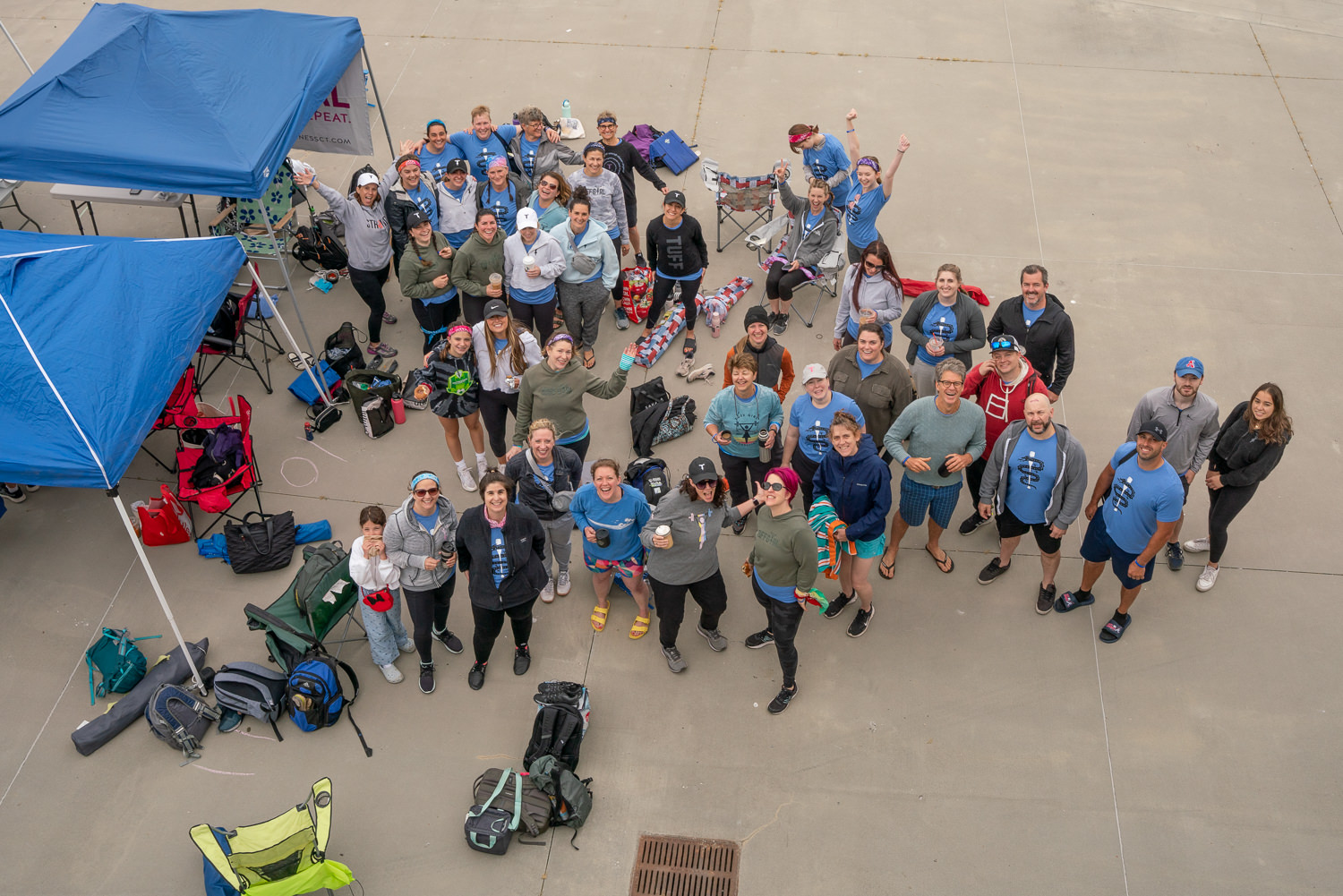
Race conditions were windy and the competition fierce, with only hundreds of a second separating some of the head to head challenges. In the end, Tuff Girls Fitness Boat 3 paddled their way to first place, dethroning the two year reigning champions, the Wheel Good Paddlers, who took third. Coming in second was ASSA ABLOY’s Orange boat.
Building on this year’s success, Canal Dock hopes to host 18 boats at the 2024 Dragon Boat Regatta, set for June 1, 2024. Additionally, they plan on introducing a men’s and women’s division, in addition to the existing co-ed division.
“The funding that Canal Dock receives from the Quinnipiac River Fund ensures that we are able to provide equitable access and services to area residents who would not otherwise be able to participate in activities on or around New Haven’s waterways. The ability to get out on the New Haven Harbor or Quinnipiac River can be a life changing experience. Because of the grant funding that we receive from the Quinnipiac River Fund, we are able to provide access to boating and paddling activities to hundreds of youth and adults residing in the greater New Haven area every year. We hold monthly Community Boating Days during the warmer months where individuals, many of whom have never been on the water in a boat, are able to paddle the harbor and experience the birds and marine life around them. All of our youth programs are
free for New Haven Public School Students and they provide exposure to Long Island Sound and the Quinnipiac River. We are so grateful for this grant as it has expanded our ability to provide equitable access and services to the entire community.” – Hollis Martens, Executive Director, Canal Dock Boathouse, Inc.
‘
‘
‘
‘
‘
‘
‘
‘
‘
‘
‘
‘
‘
‘
‘
‘
‘
‘
‘
‘
Down by the river side
Quinnipiac Park hosts community events
With broad views of river, oyster boats and two historic bridges, and a wide stretch of grass to gather and play, the Quinnipiac River Park makes an ideal place for celebrations of all types. On a sunny Saturday at the peak of spring, the park hosted two community events, both promoting important causes.
In the morning, more than 1,200 children, family and community members convened at the Quinnipiac River Park to celebrate the 10th New Haven Family Stroll & Festival, an event created by local childcare center Friends Center for Children to raise awareness and much-needed funds for high-quality early care and education. The event began with a 1.5 mile loop over the neighborhood’s two iconic bridges — the Ferry Street drawbridge and the Grand Avenue Turnbridge. The “Strollers” then returned to the park for food trucks, face painting, parachute play, magicians, musicians, Zumba, bubbles, arts and crafts, and, of course, education – from over 60 community organizations.
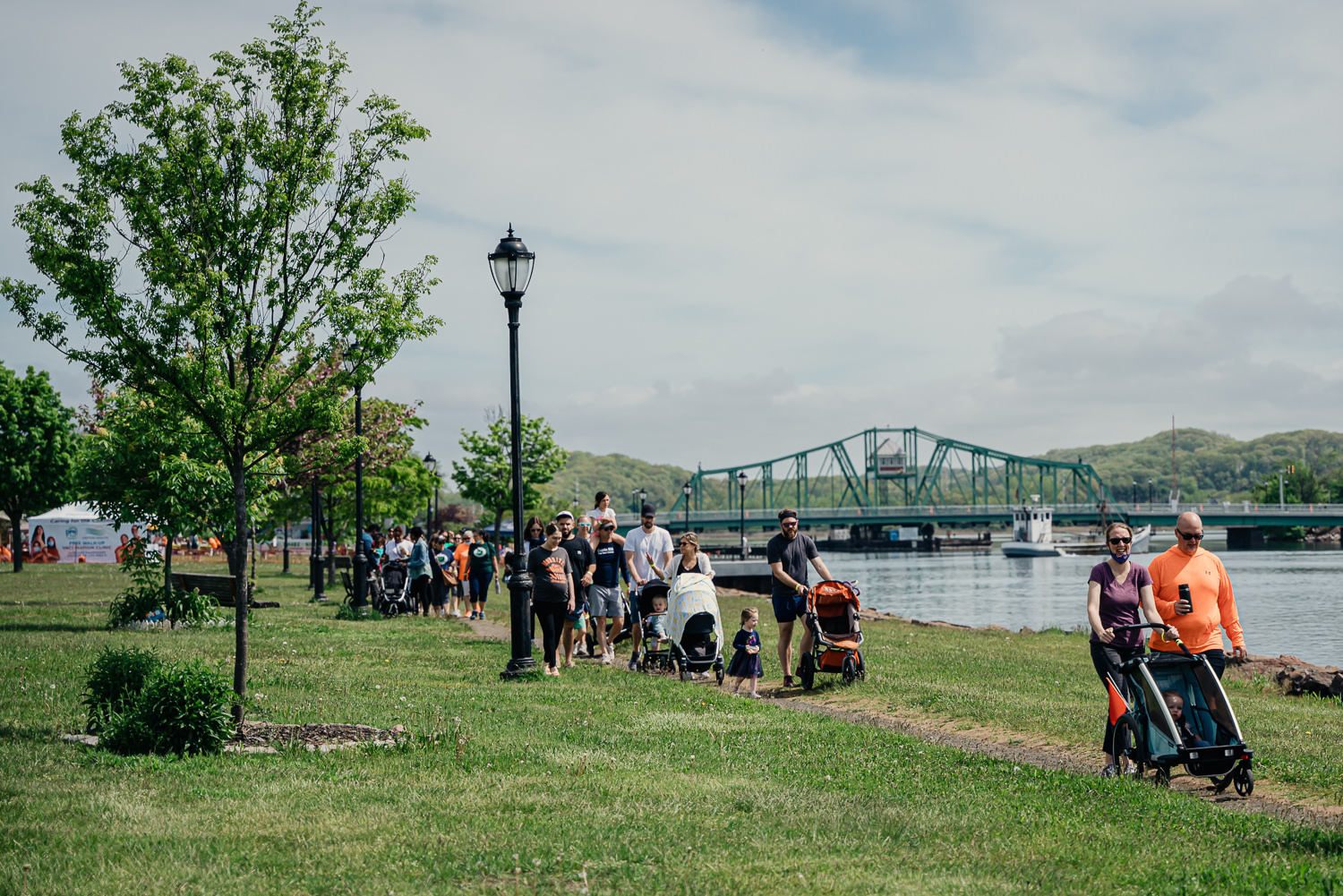
Amid all the activities and excitement, two messages resonated. The compassion theme of this year’s stroll — emphasized on stickers, bags, water bottles and banners — prompted attendees to consider “how do you share your kindness with others?” Special guests New Haven Mayor Justin Elicker, State Sen. Martin Looney, and State Rep. Robyn Porter joined the festivities and shared their commitment to supporting equitable access to quality early care.
“We’ll continue to work hard to make sure that our young people have what they need, and also their caregivers and parents have what they need so we can be whole families,” promised Porter.
Later in the evening, though clouds and drizzle dotted the sky, a smaller but equally passionate group came to the park to celebrate a significant milestone. The day before, Urban Resource Initiatives (URI) had planted its 10,000th tree, fulfilling a campaign launched in 2010 to plant street trees to improve the urban infrastructure and help make Elm City a tree-friendly city once again. The 10,00th tree, a shingle oak, was planted feet from the Quinnipiac River. Fittingly, to celebrate the occasion, a party in the park was in order. Sponsored by the New Haven Green Fund, the event included sweet songs from Goodnight Blue Moonshine, food from local food trucks, and an award presentation acknowledging the commitment of volunteers, partners, staff members, funders, and advocates.
Similar to the earlier gathering, the consideration of equity and justice underscored the festivity. “Nationally, low-income and majority Black and Brown neighborhoods have disproportionately fewer trees, which can be a source of clean air, temperature control, and beauty.” (New Haven Independent).
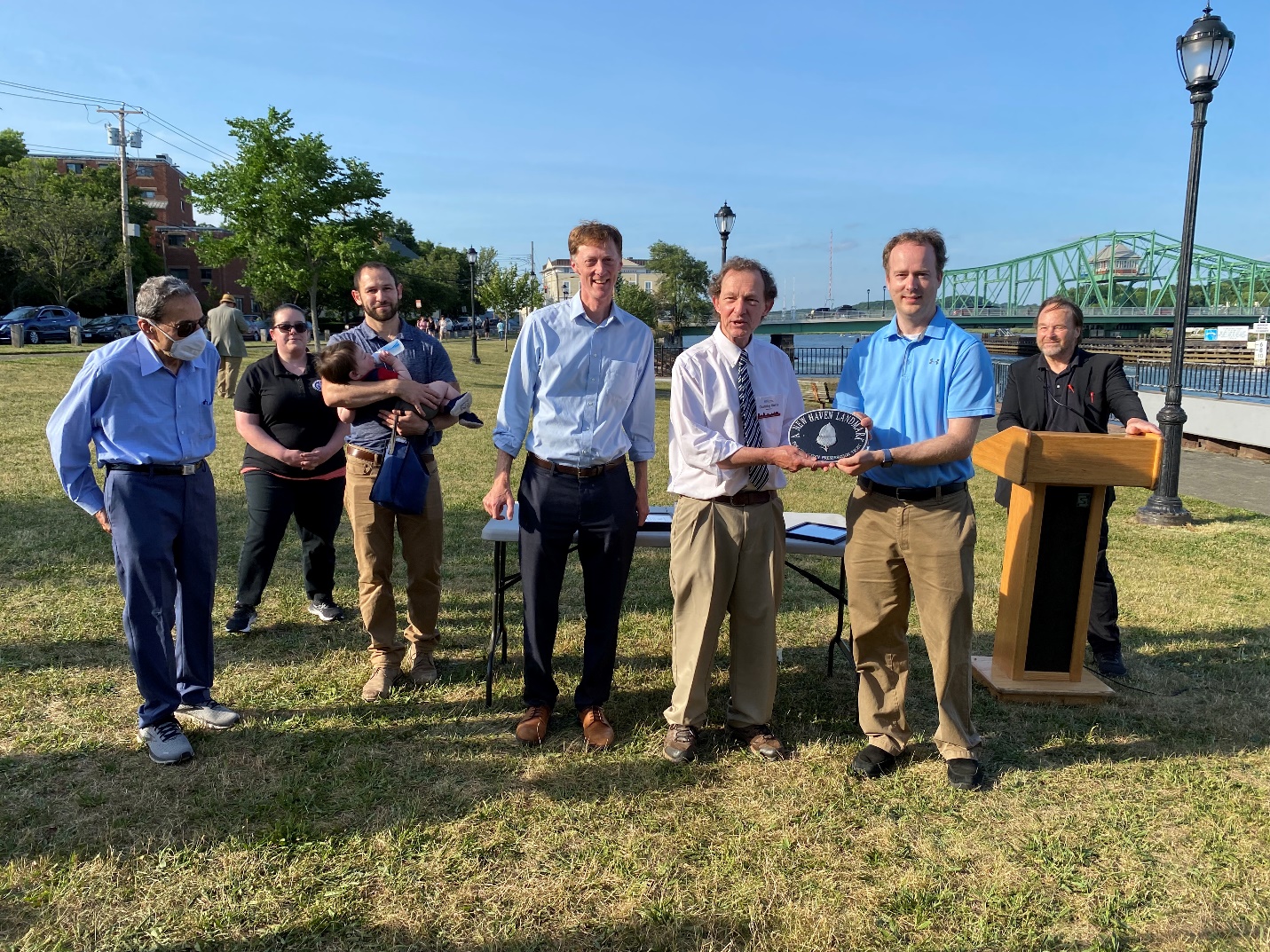
In June, the New Haven Preservation Trust hosted its annual preservation awards at the Park. A crowd of around sixty people, mainly local residents, members of the Trust, and award recipients, were present on a sunny late-afternoon to see this year’s honorees receive their awards. All three awards were for projects located in Fair Haven: a 19th century shipbuilder’s house on Perkins Street, two houses joined and reinvented as classroom space for the Cold Spring School, and the late nineteenth-century Grand Avenue Bridge. Mayor Elicker gave introductory remarks and joined the team from the City in receiving the award honoring the recent work on the bridge, which formed the background to the event.
Quinnipiac: The People of the Long Water Land
CONNECTICUT HISTORY.ORG — Once a common sight in Connecticut’s towns, itinerant Indian crafters walked miles across the state, selling all sorts of brooms, baskets, herbs, and other Native goods. In the late 18th century, several such vendors were known to the people of Guilford as town residents.
Rising Waters: The Banton Street story
A bygone community on the banks of the Quinnipiac
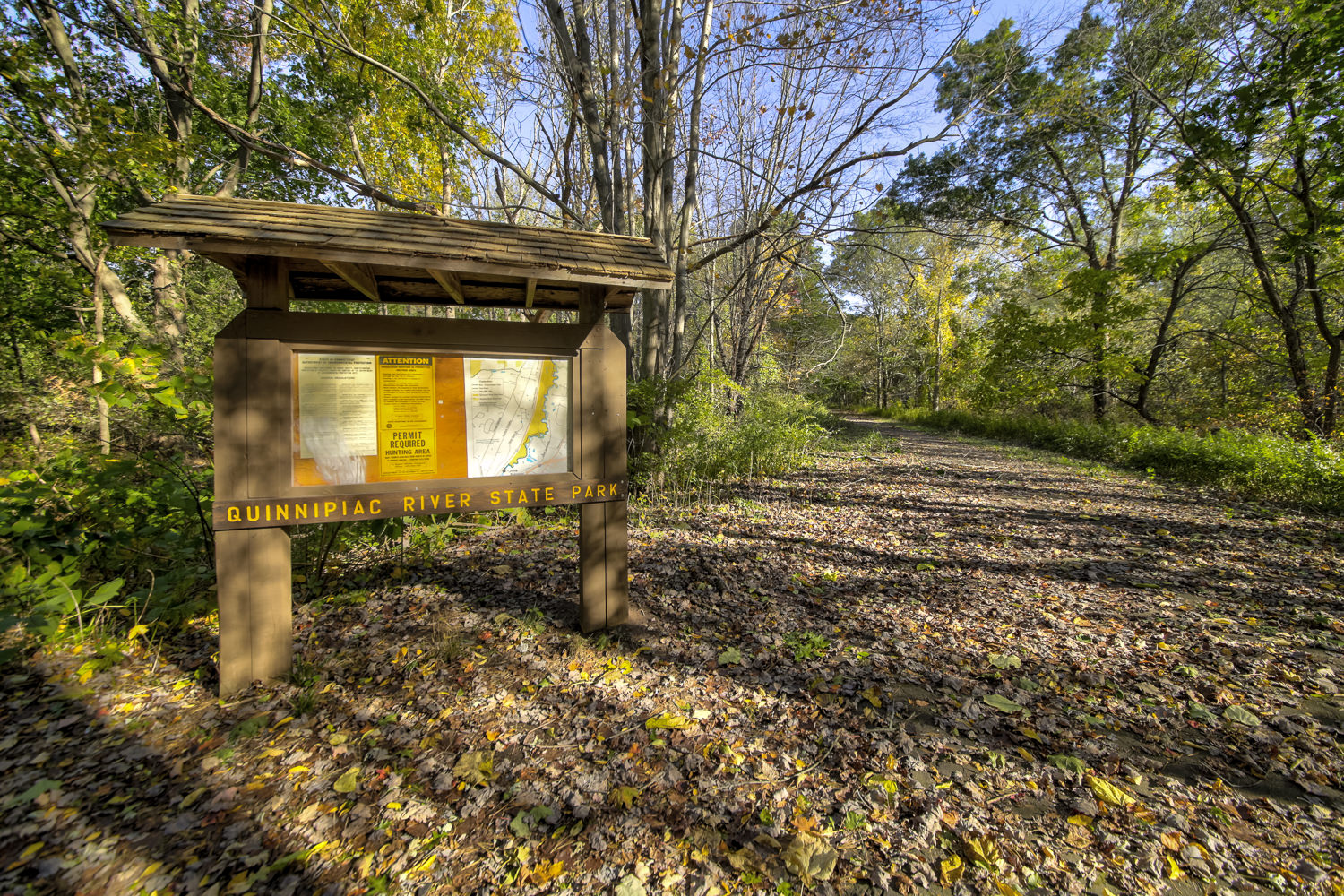
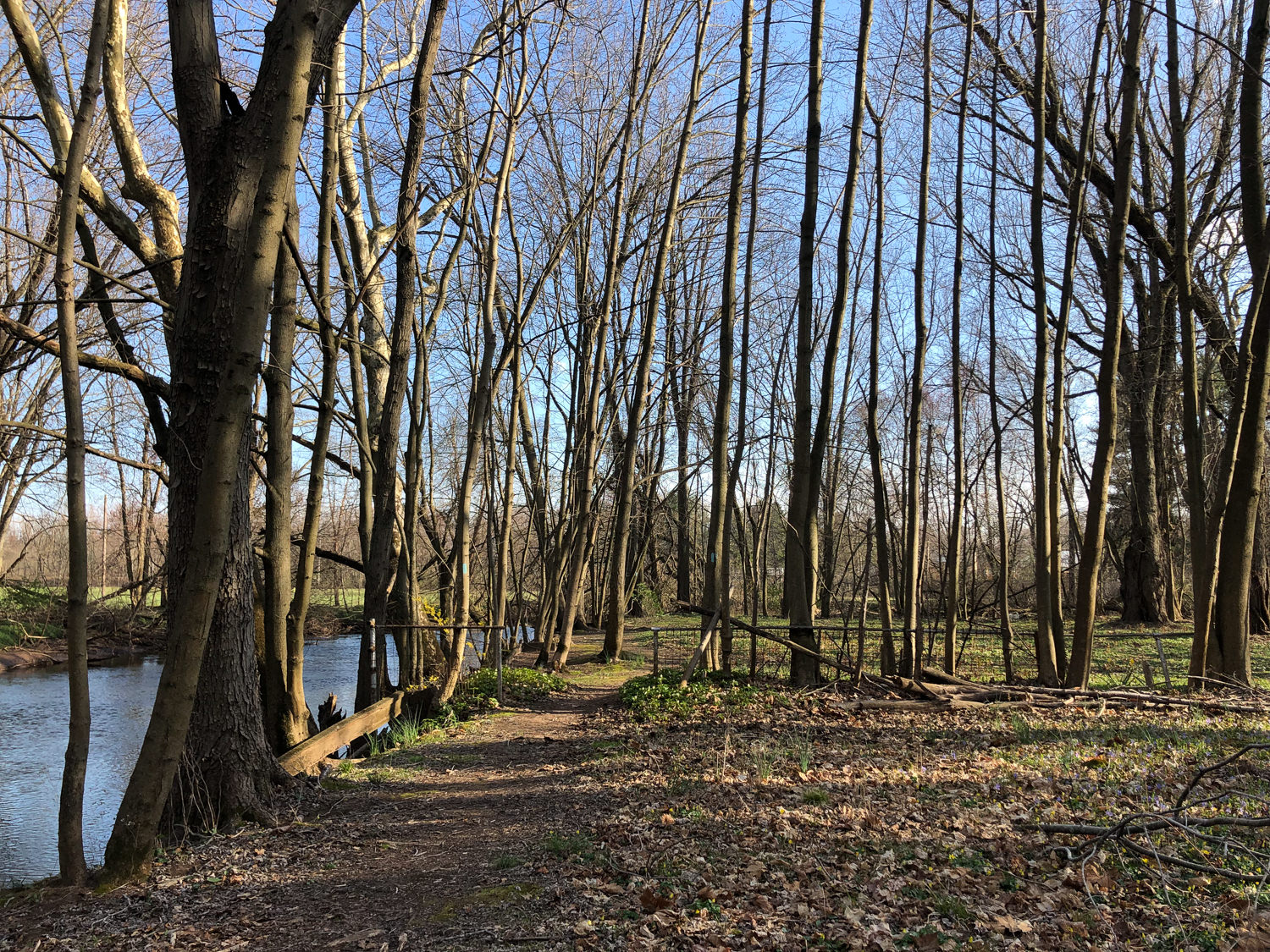
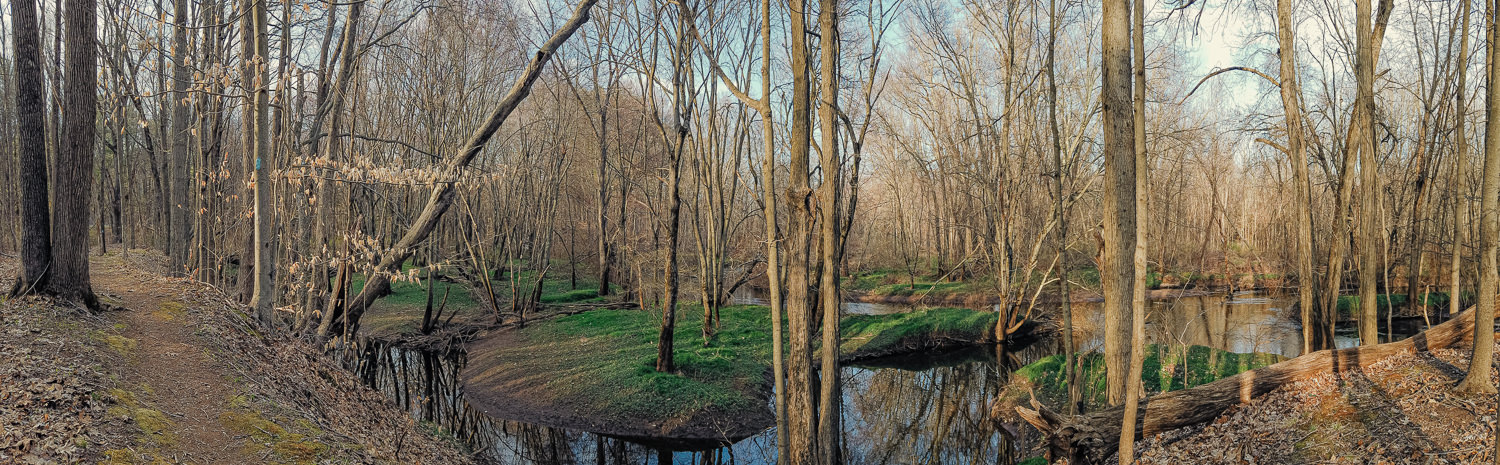
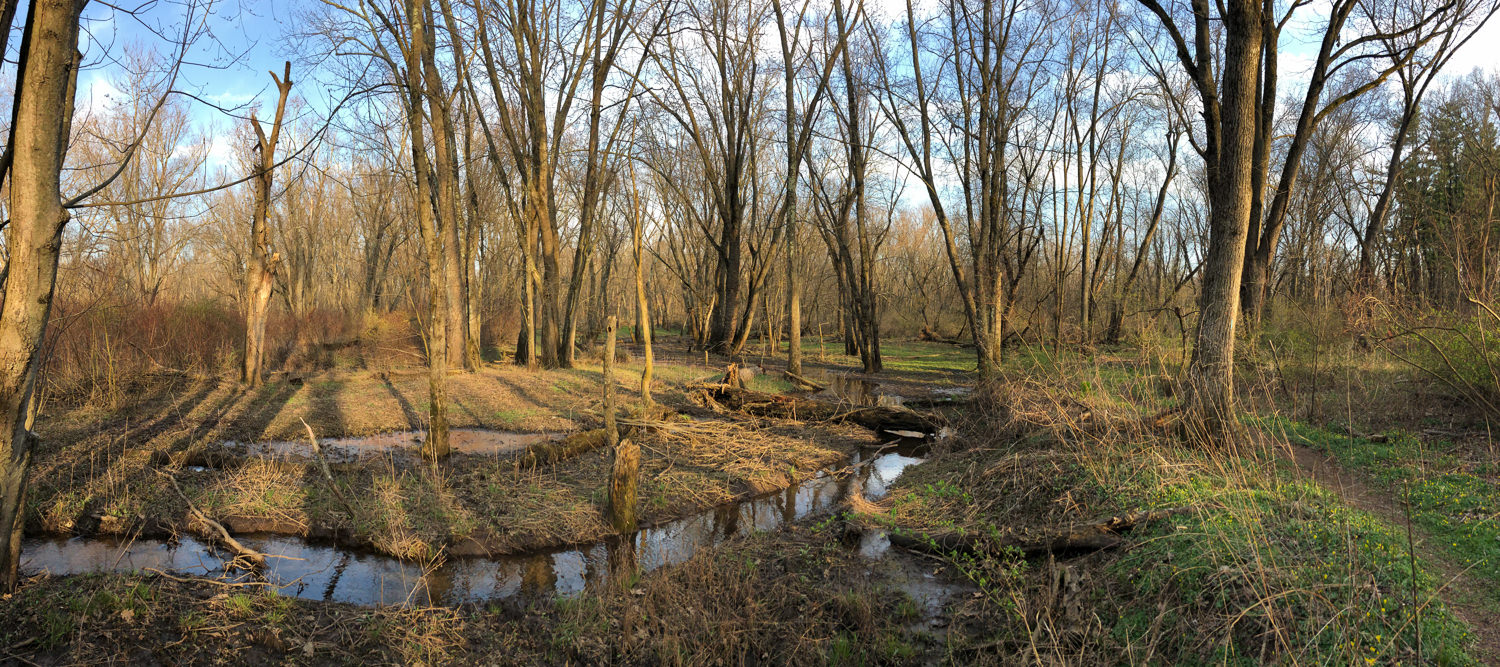
Weed-dappled asphalt, rusty vine-tangled fences, fragments of piers and retaining walls, stone stairs dipping toward the river. A hike through Quinnipiac River State Park, north of Banton Street, reveals remnants of a history much different from the quiet forest that greets us today.
In the 1920s, families flocked to the banks of the Quinnipiac in North Haven, drawn by the beauty and recreation of the woods and water: picnics, swimming, fishing and peaceful living. Called “Little Savin Rock,” it became a hub of summer activity, especially for those escaping the New Haven city heat. A bath house and refreshment stand were built; summer cottages constructed. Over the years, the seasonal retreat grew into a permanent neighborhood, boasting three dozen houses and more than a hundred close-knit neighbors.
For decades the riverside community thrived, but the tide was soon to turn. Upstream development, in particular the construction of I91, altered the watershed, increasing flooding to dangerous proportions. The river rapidly rising, at times up to five feet above its banks, destroyed property and left residents stranded on roofs and porches, requiring rescue by rowboat and rope.
The once cozy community had become a dangerous floodplain and, by 1973, it was clear that a more permanent rescue was in order for the people who called Banton Street home. The state appropriated funds, purchased the properties and relocated the families to higher and drier ground.
Banton Street was abandoned; homes boarded up or hauled away. Streets that once invited recreation, now drew vandals. The ghost town grew dangerous and unsanitary: suspicious fires, seeping septics tanks, weed-filled foundations filling with water.
Eventually, bulldozers dealt with the abandoned structures, and what remained was left to be reclaimed by nature.
Today, we hike among magnolia trees, marsh daisies, moss, and mud. The serenity of a forest-ensconced river mingles with the muffled hum of the nearby Merit Parkway, and, among it all, the vestiges of Banton Street still spark curiosity of the community that once called these Quinnipiac banks their home.
For more information on Banton Street, visit North Haven
https://www.northhaventrails.org/press
and to view trail information visit https://www.alltrails.com/trail/us/connecticut/quinnipiac-river-loop?p=22423753
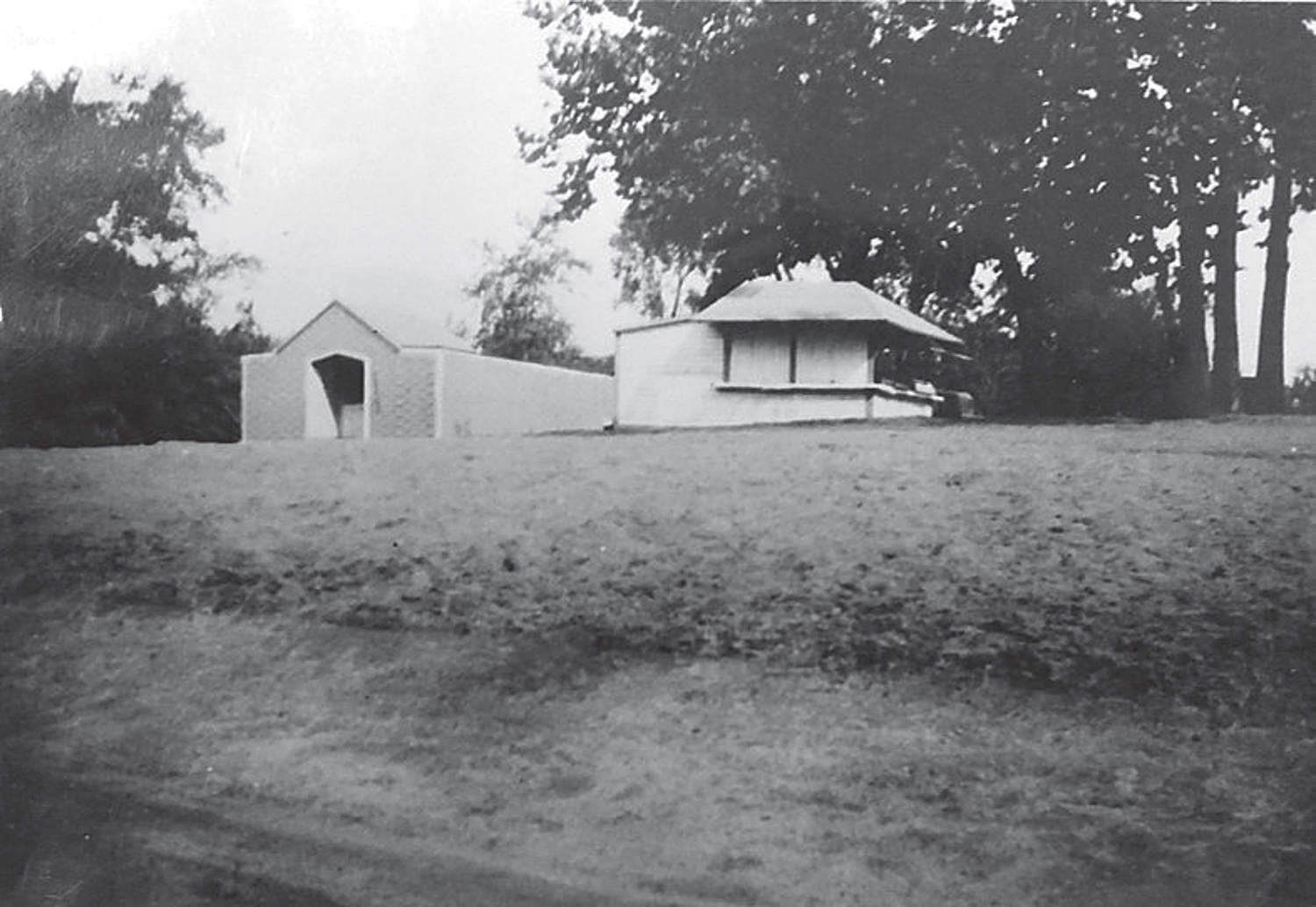
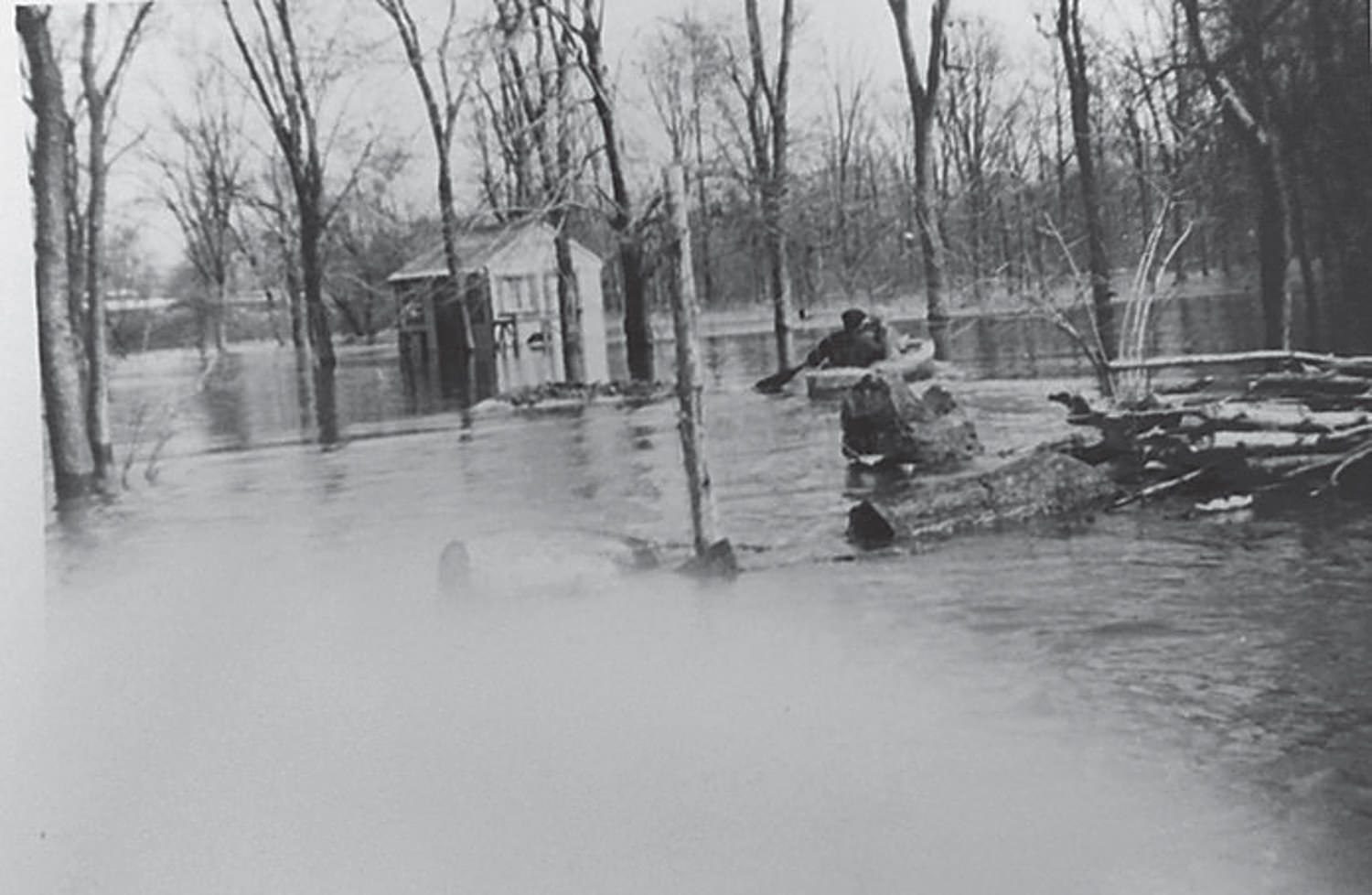
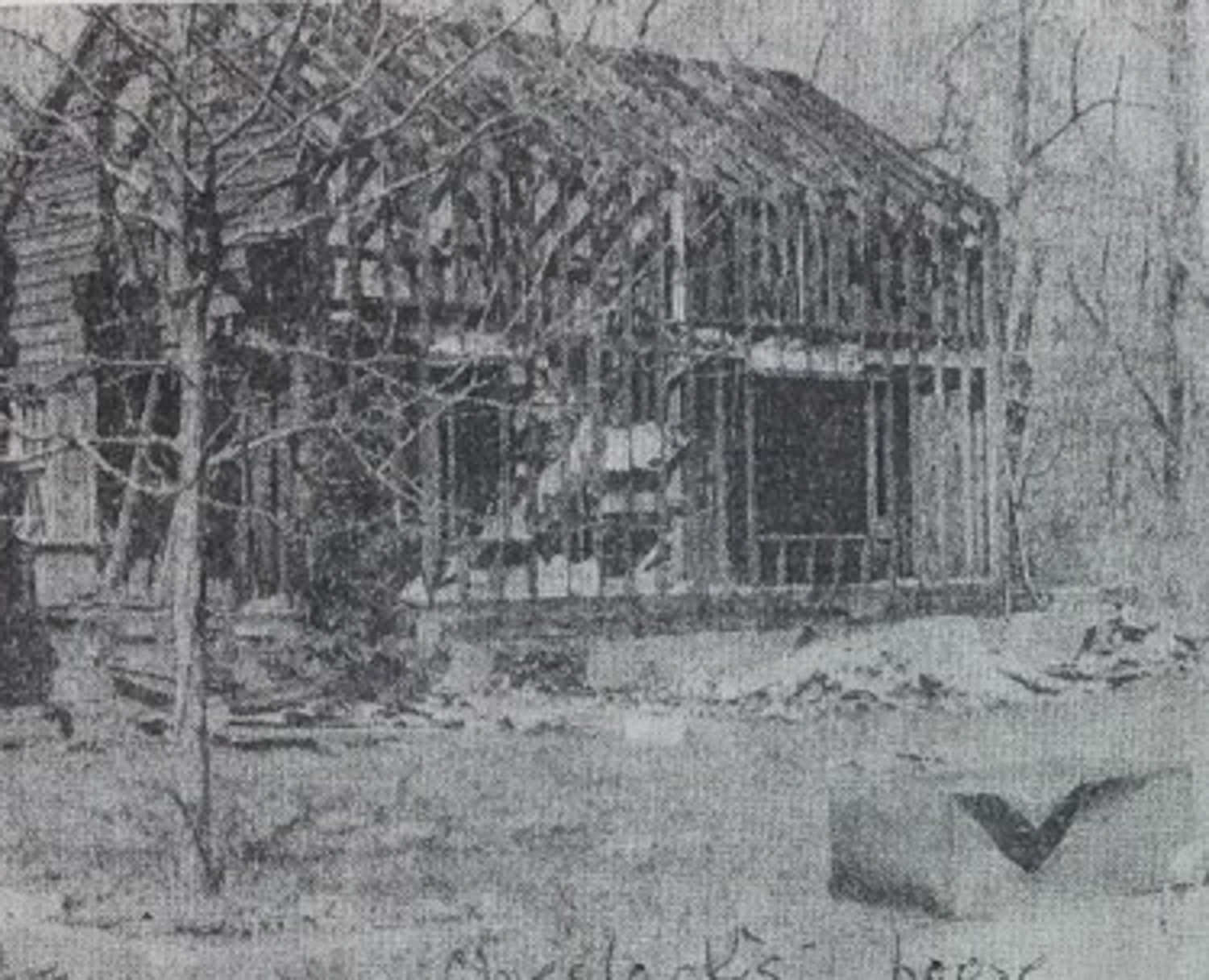
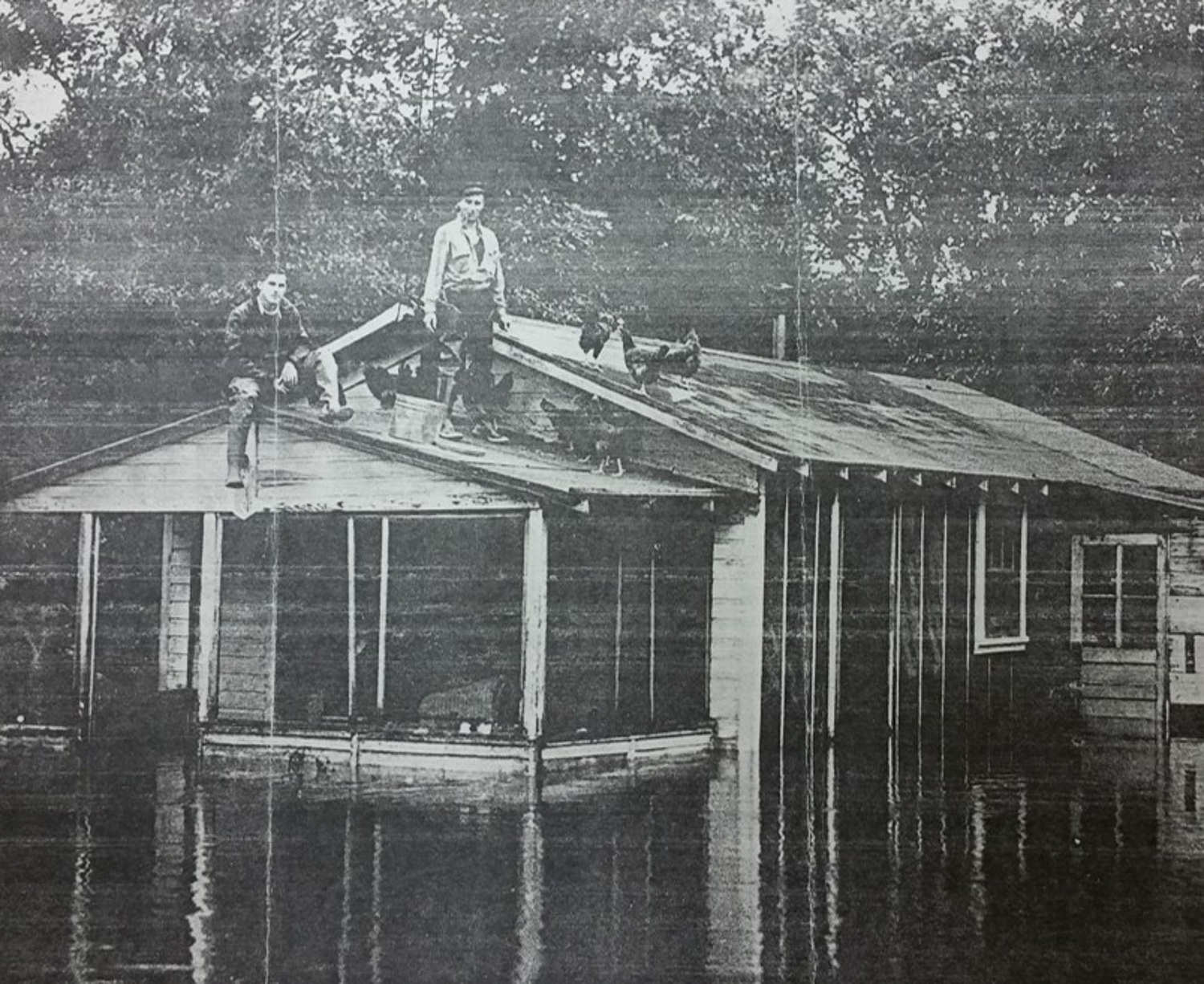
Marooned with chickens on rooftop. Overbook road. Earl Coughlin’s home.
Photo courtesy of North Haven Historical Society and Museums Archives
From Rails to Trails
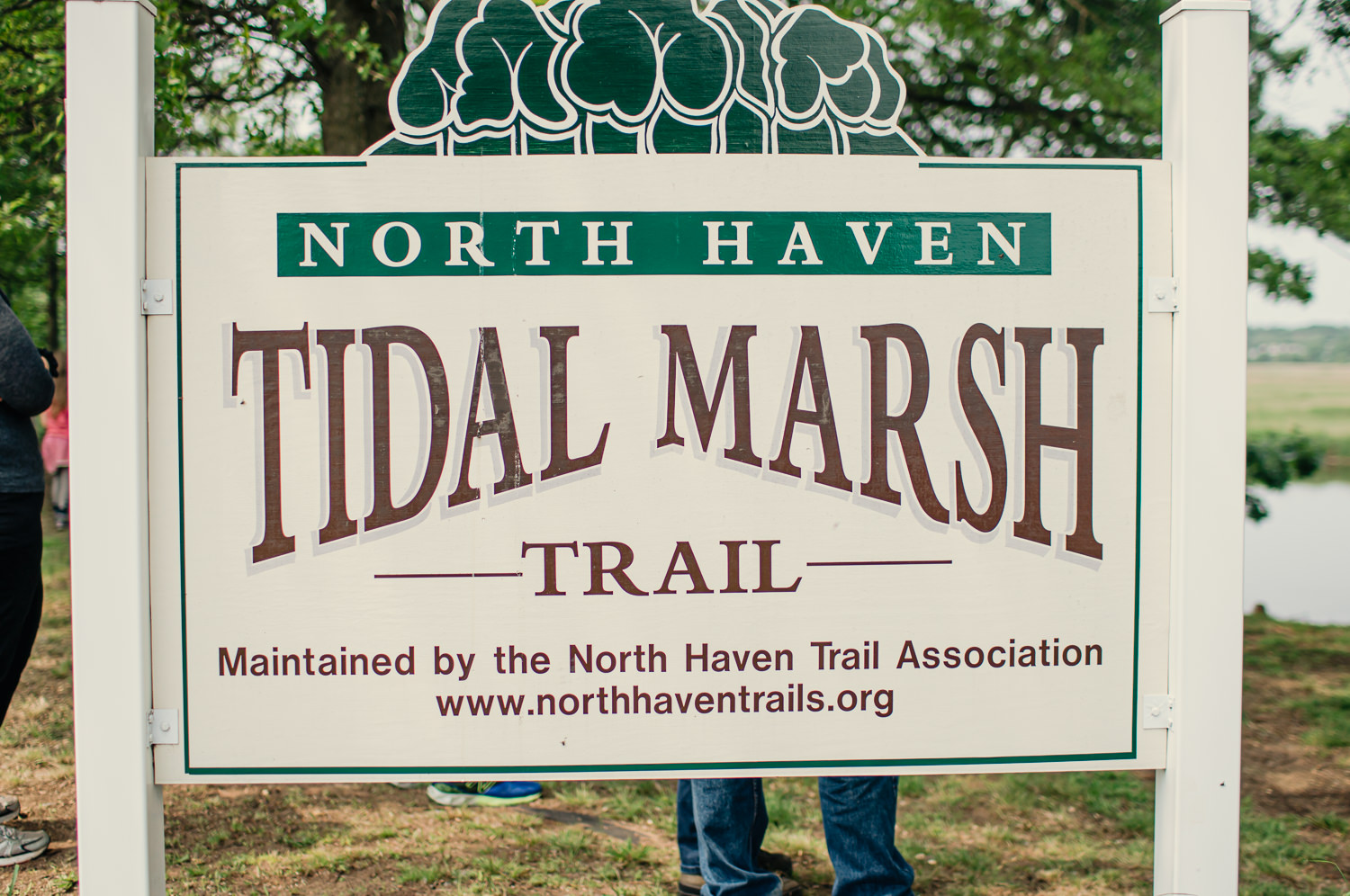
North Haven Tidal Marsh Trail reveals secrets of its railway past
photos by Ian Christmann
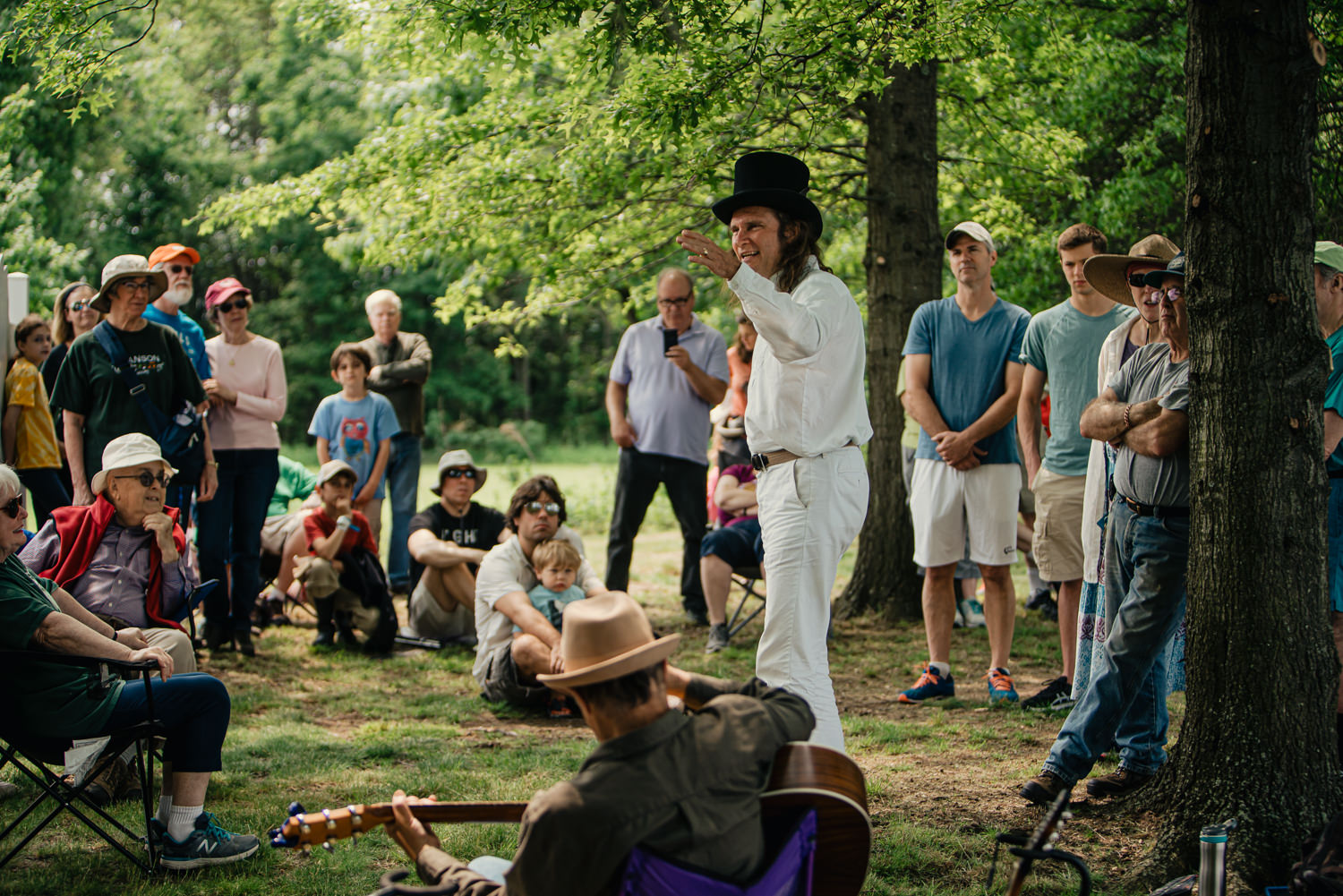
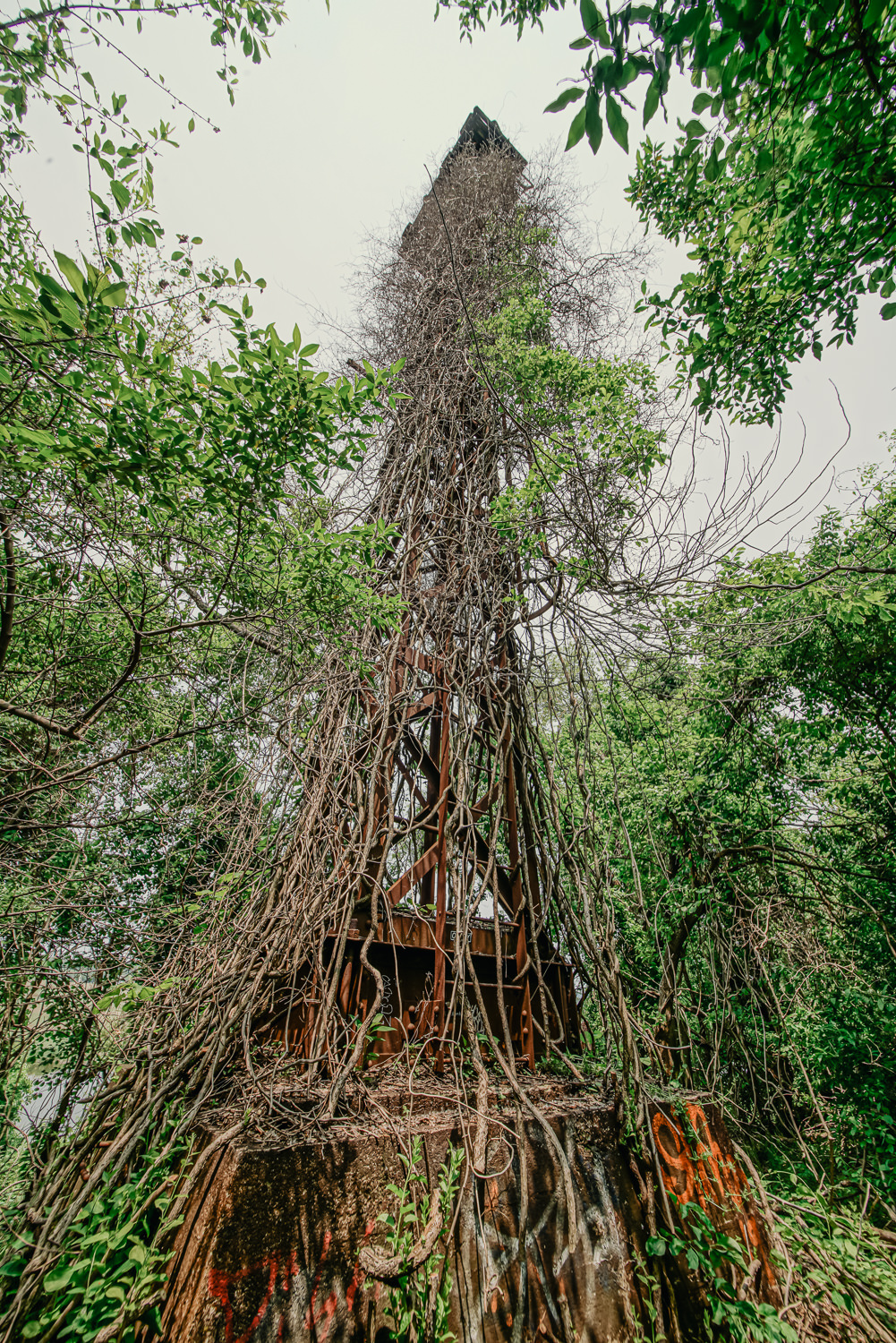
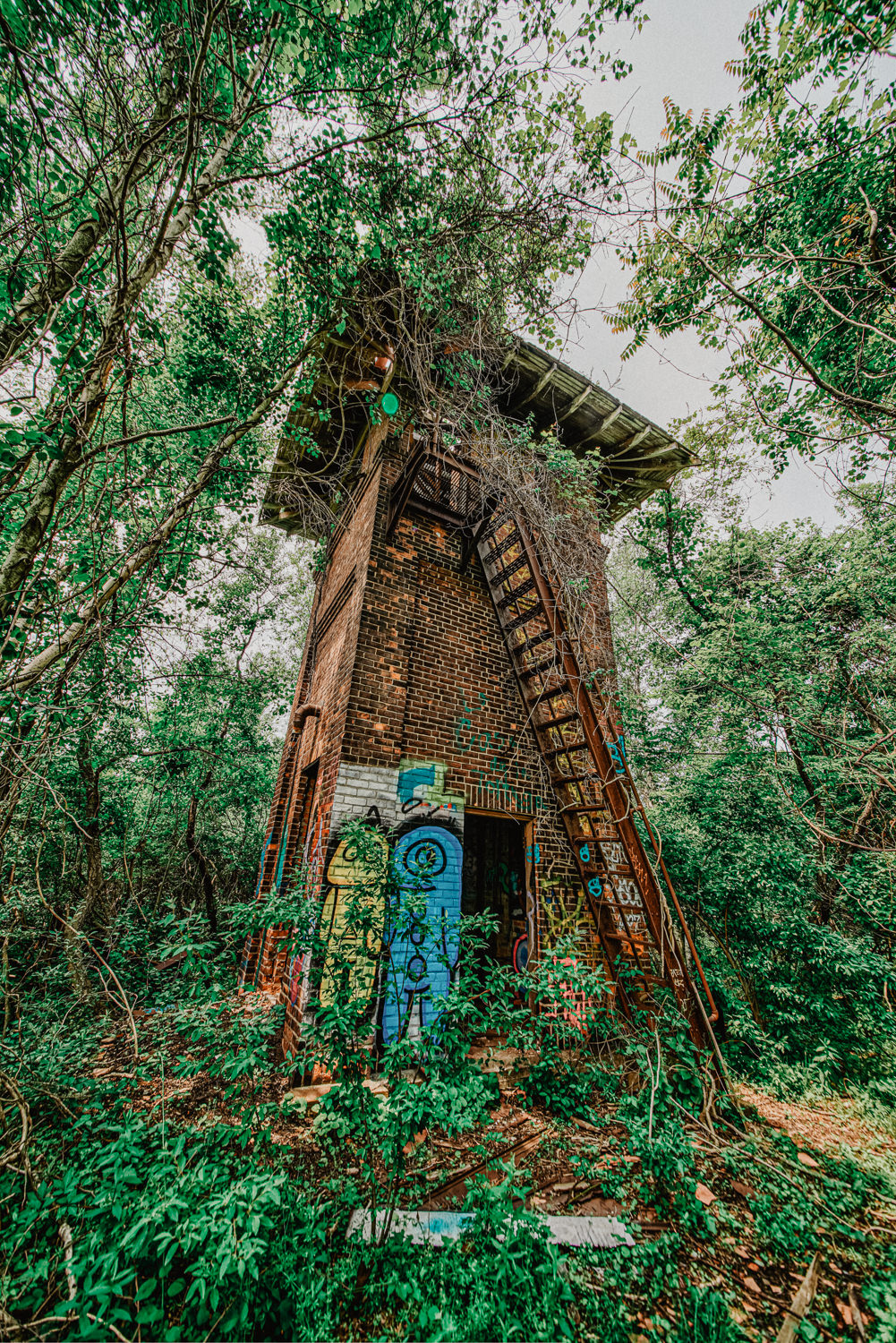
He tells hobo tales to captivate the audience gathered on the grassy slope, recounting fables of those who rode the rails in bygone days. Behind him, the Quinnipiac winds its way through the North Haven marshes, bearing its own unspoken stories of a railroad era as it passes the vine-wrapped light platforms and towers that once guided the freight cars of Cedar Hill.
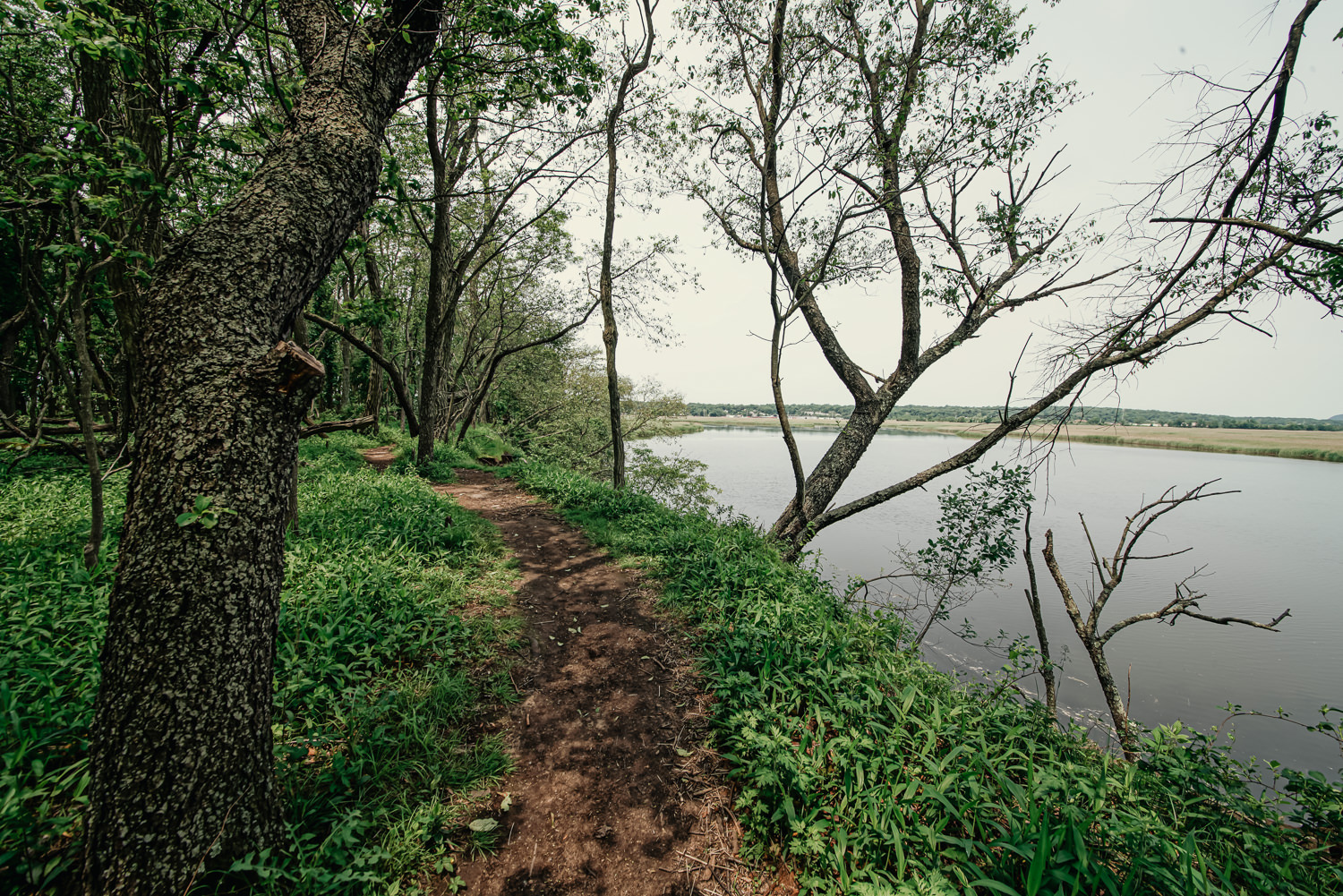
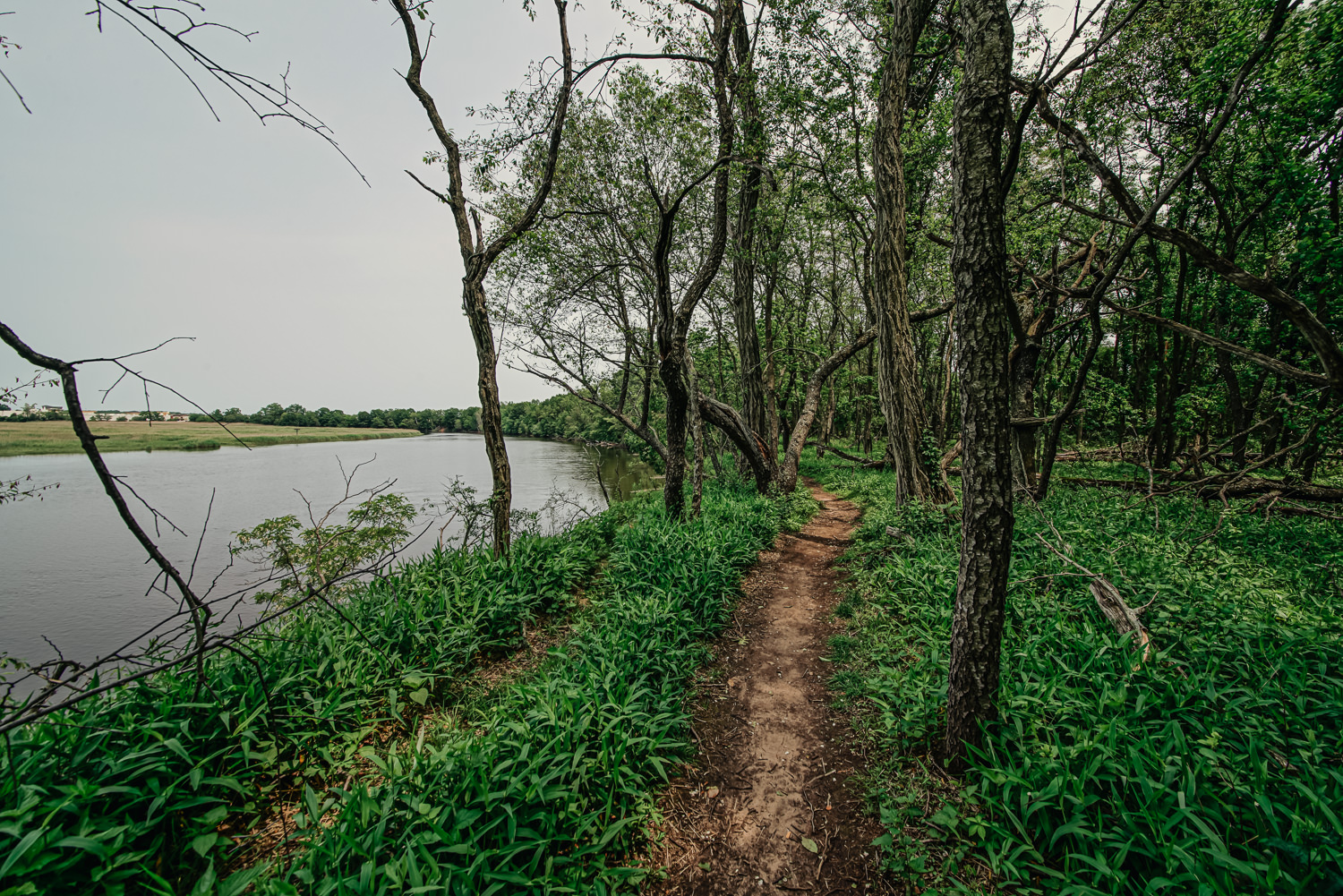
Master storyteller Jonathan Kruk, and his hobo tales, are just one of the many events organized by the North Haven Trail Association to peek the public’s interest in the scenic Tidal Marsh Trail that stretches a half mile between portions of the abandoned rail yard and Quinnipiac’s marshy banks.
The trailhead begins behind Target on Universal Drive, offering sweeping views westward over the river and marsh grass, with East Rock’s Soldiers’ and Sailors’ Monument and Sleeping Giant’s dozing profile in the distance. Small fishing paths lead down eroded banks to the water’s edge, where you may find osprey, heron and even eagles hunting in the
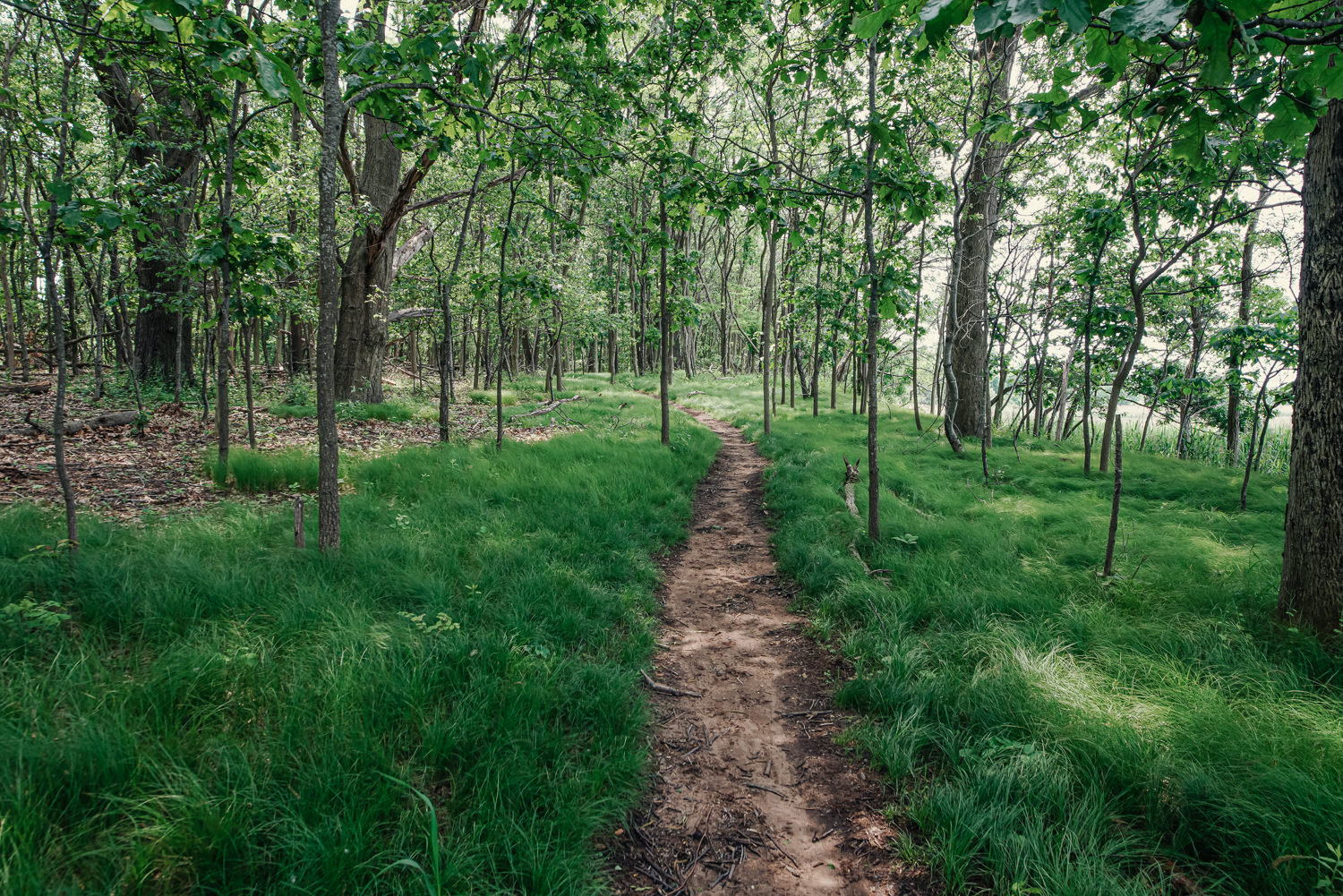
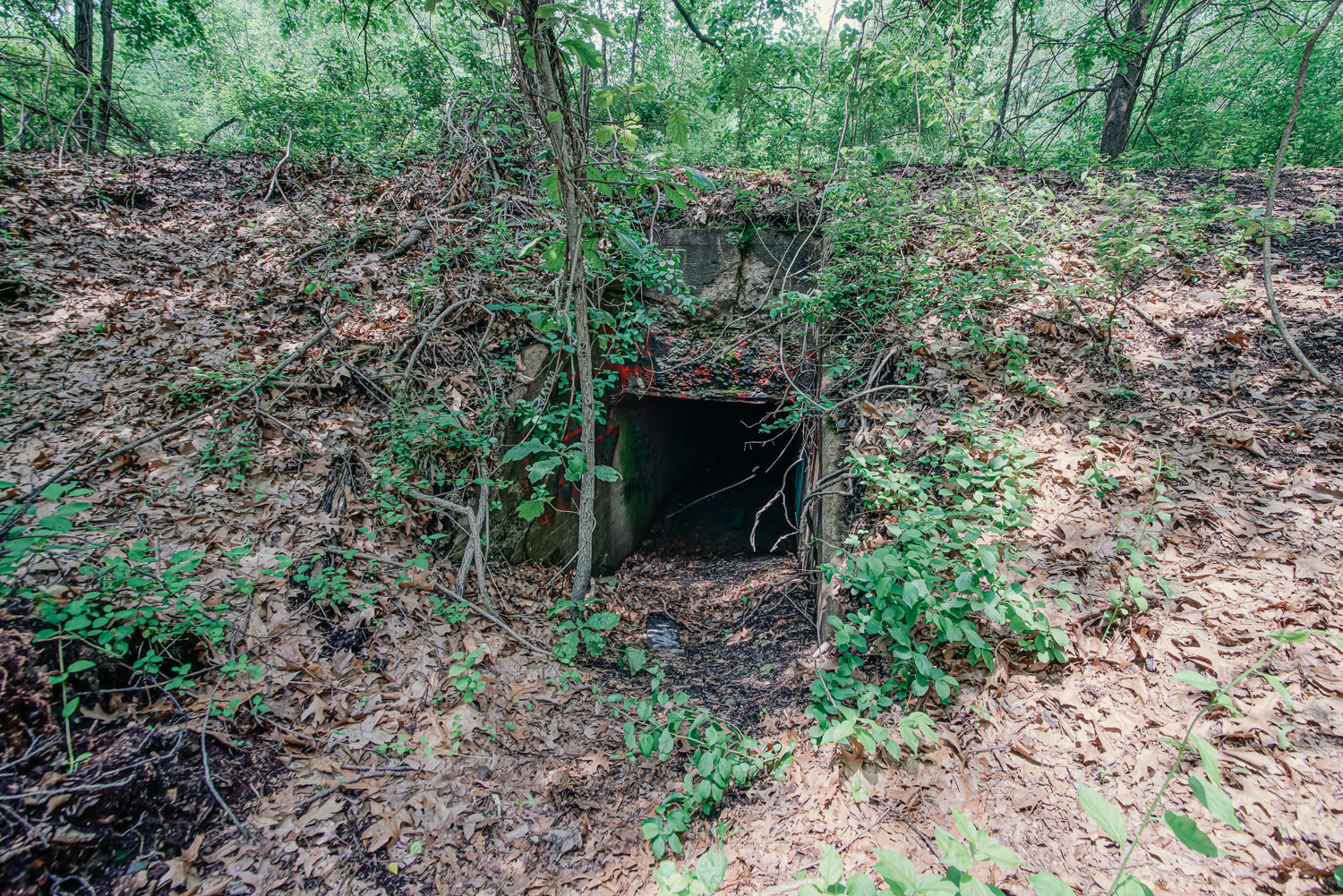
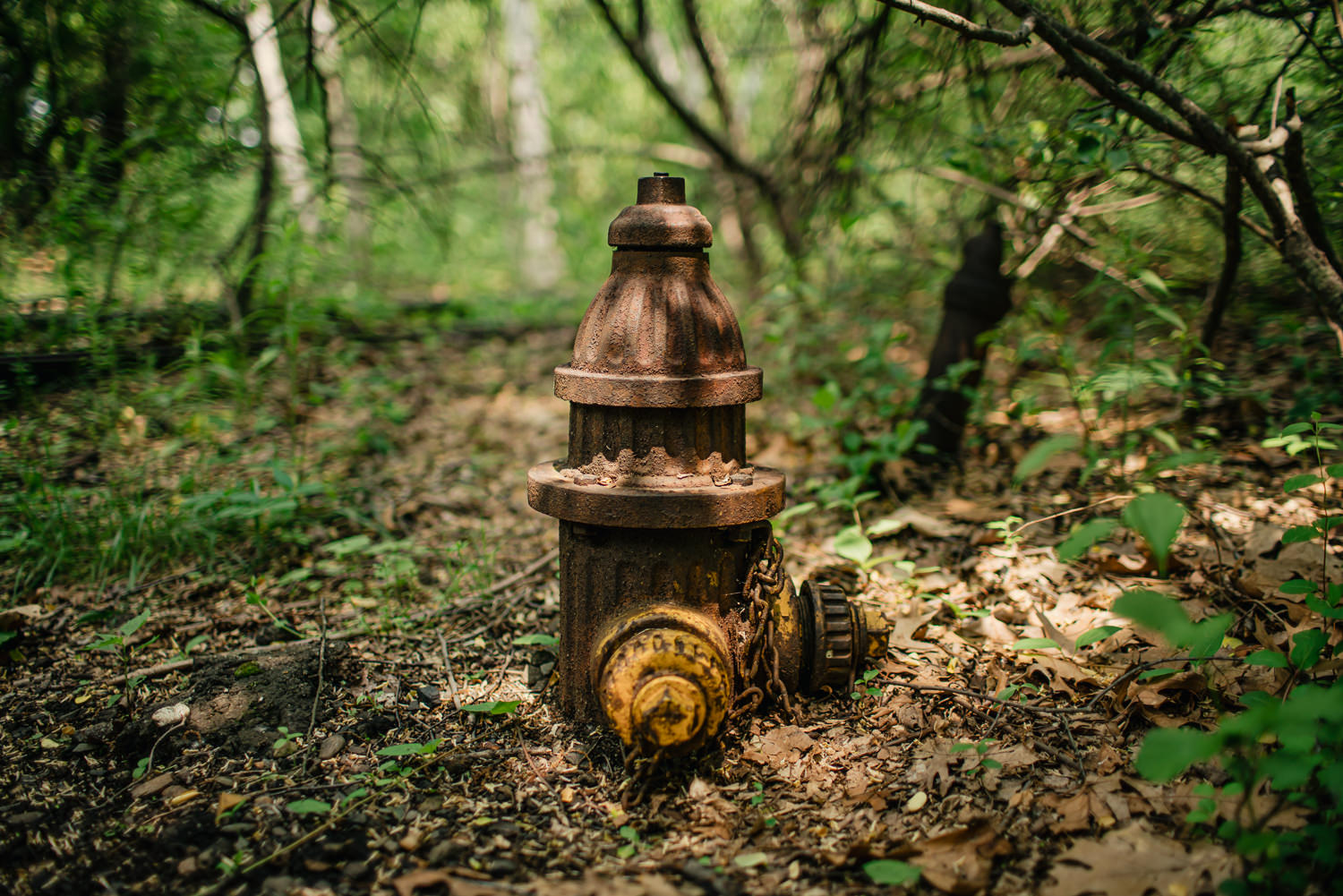
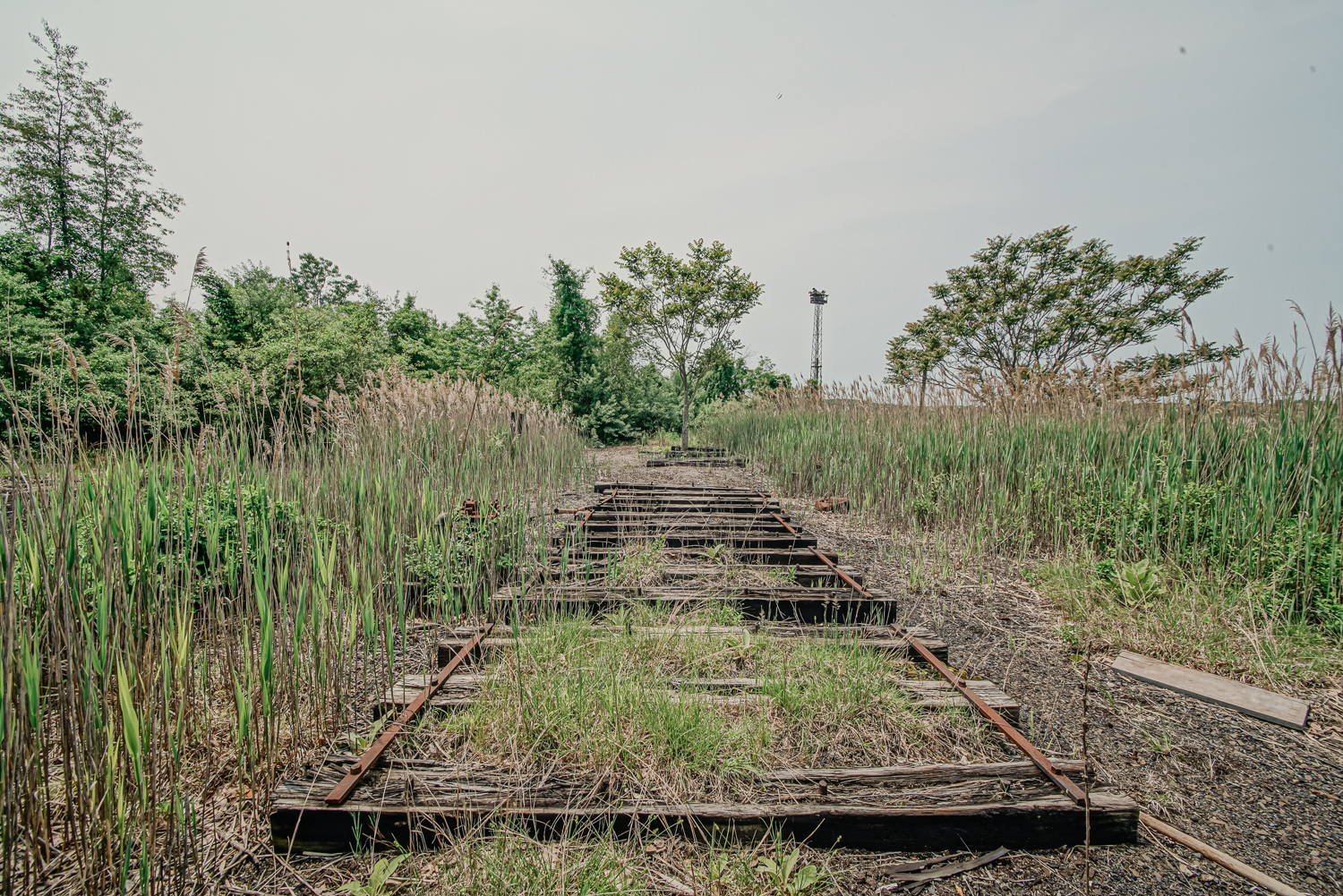
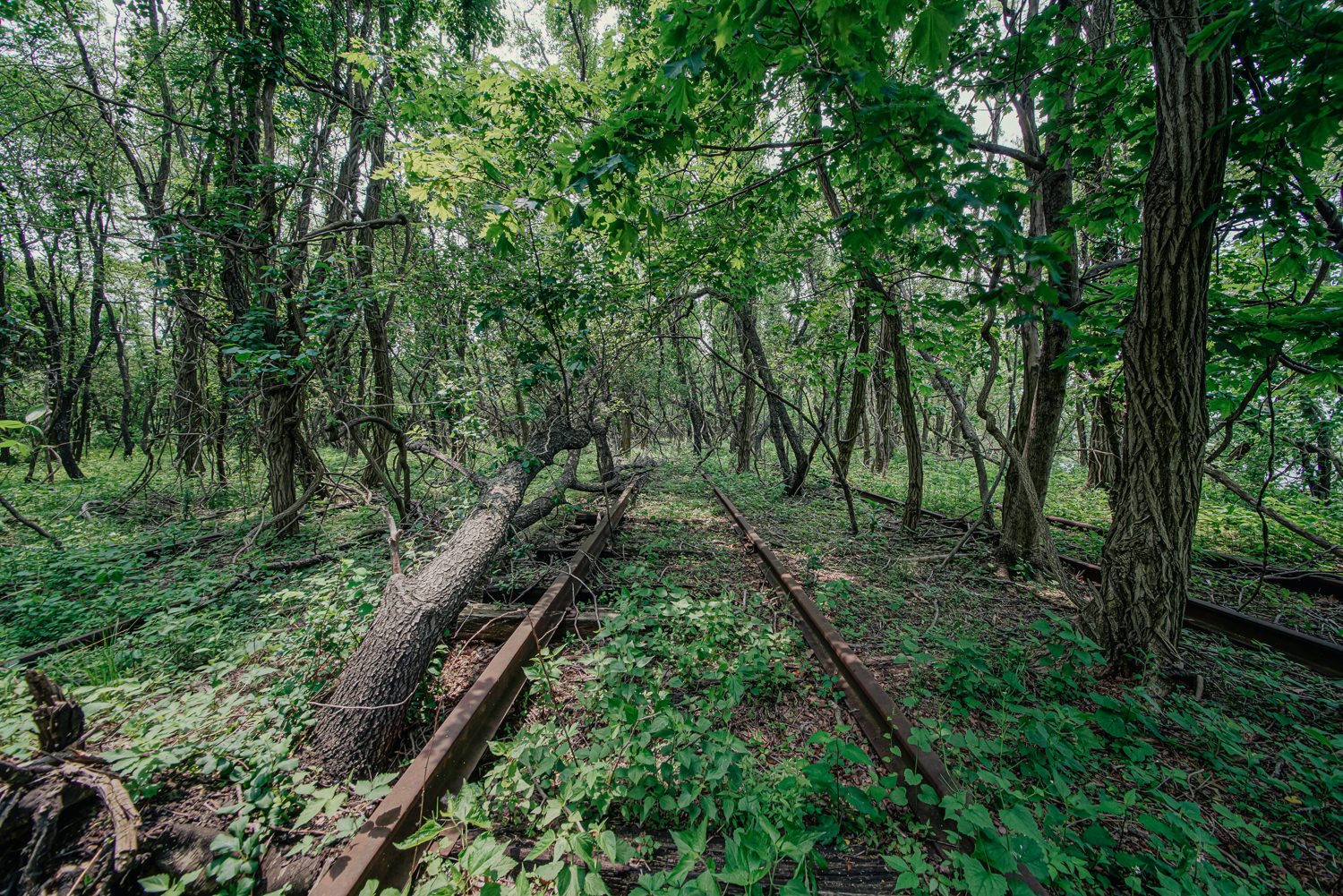
To the east, the forest floor bears evidence of Cedar Hill rail yard’s former glory. Steel tracks curve through grasses, leaves and tree roots. Rusted light towers — now home to nesting ospreys — rise in the distance. At the trail’s end, unofficial and mostly-overgrown footpaths lead to more abandoned remnants: collapsed pump houses, derelict warehouses and eerie concrete tunnels.
At its hey-day, Cedar Hill was the largest rail depot east of the Mississippi, covering more than 880 acres and stretching seven miles from New Haven to North Haven. Built between 1910 – 1920, Cedar Hill served as a major terminal for the New York, New Haven & Hartford Railroad. It held 14 of New Haven’s 25 yards, and handled a record of 9,415 cars in a single day.
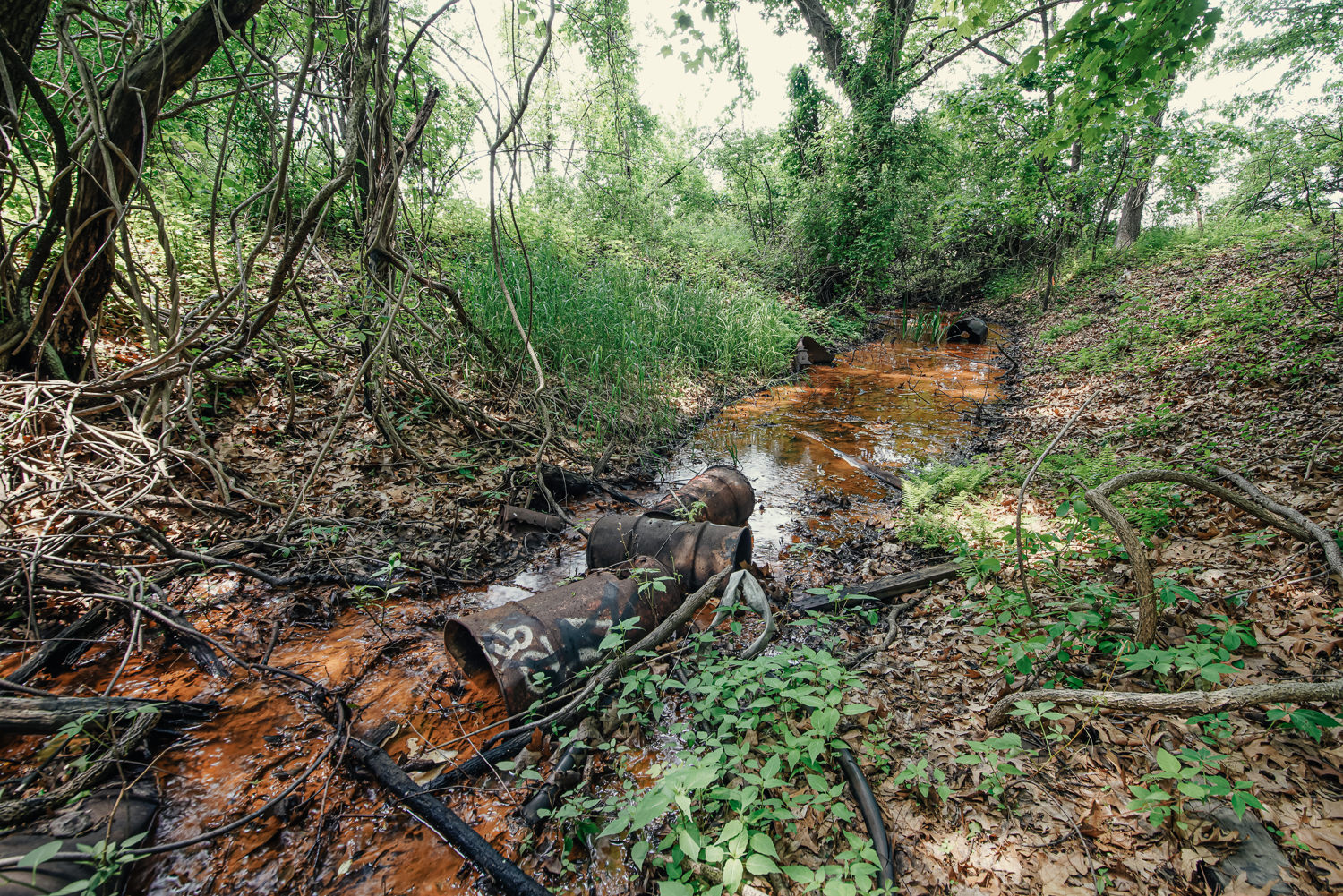
After WWII, with advancements in transportation methods, Cedar Hill grew quiet. By the 80s, most of the yards and tracks were abandoned. What remains today adds mystery and intrigue to the woodland trail, and reminds us of the complex history of development in New Haven and its impact on the watershed, whether through injury or apathy.
The latter still apparent on the trail today. Rather than rails and freight, rows of boxy retail stores and restaurants, built with their back to the river, and thousands of patrons who daily frequent the area, with no awareness of the beauty just behind them.
Historic photos reveal community’s fascinating waterfront heritage
Current day photos by Ian Christmann
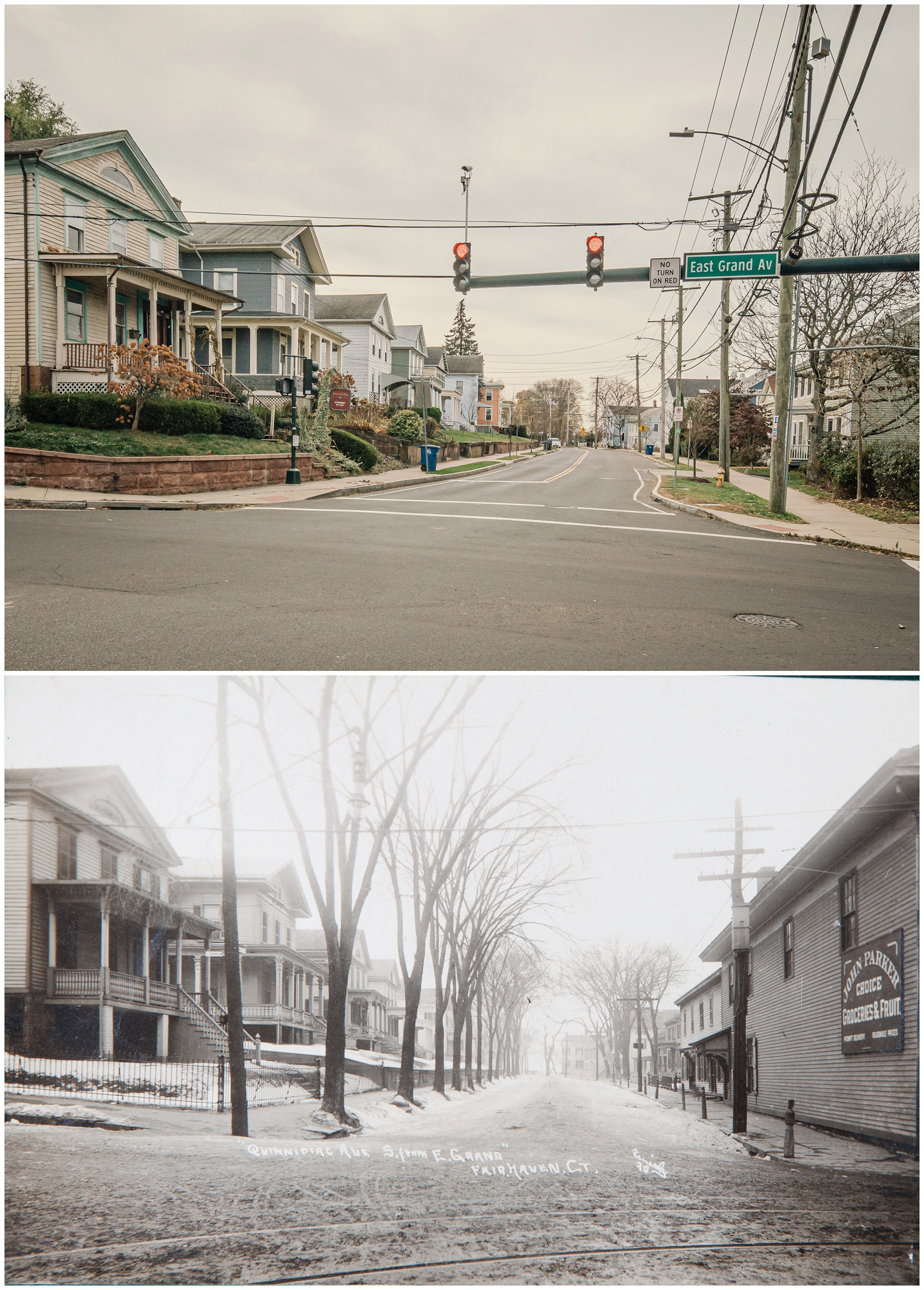
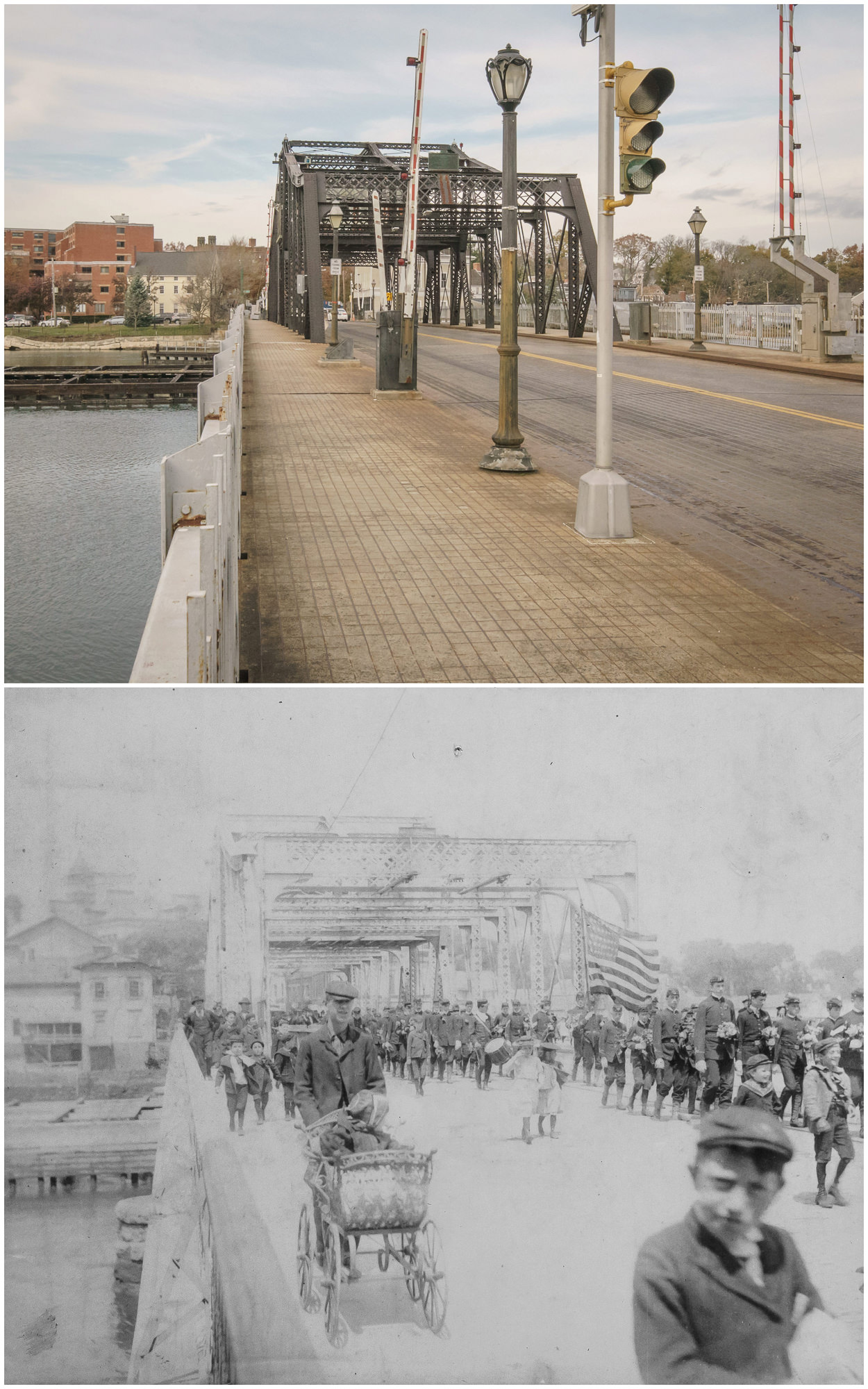
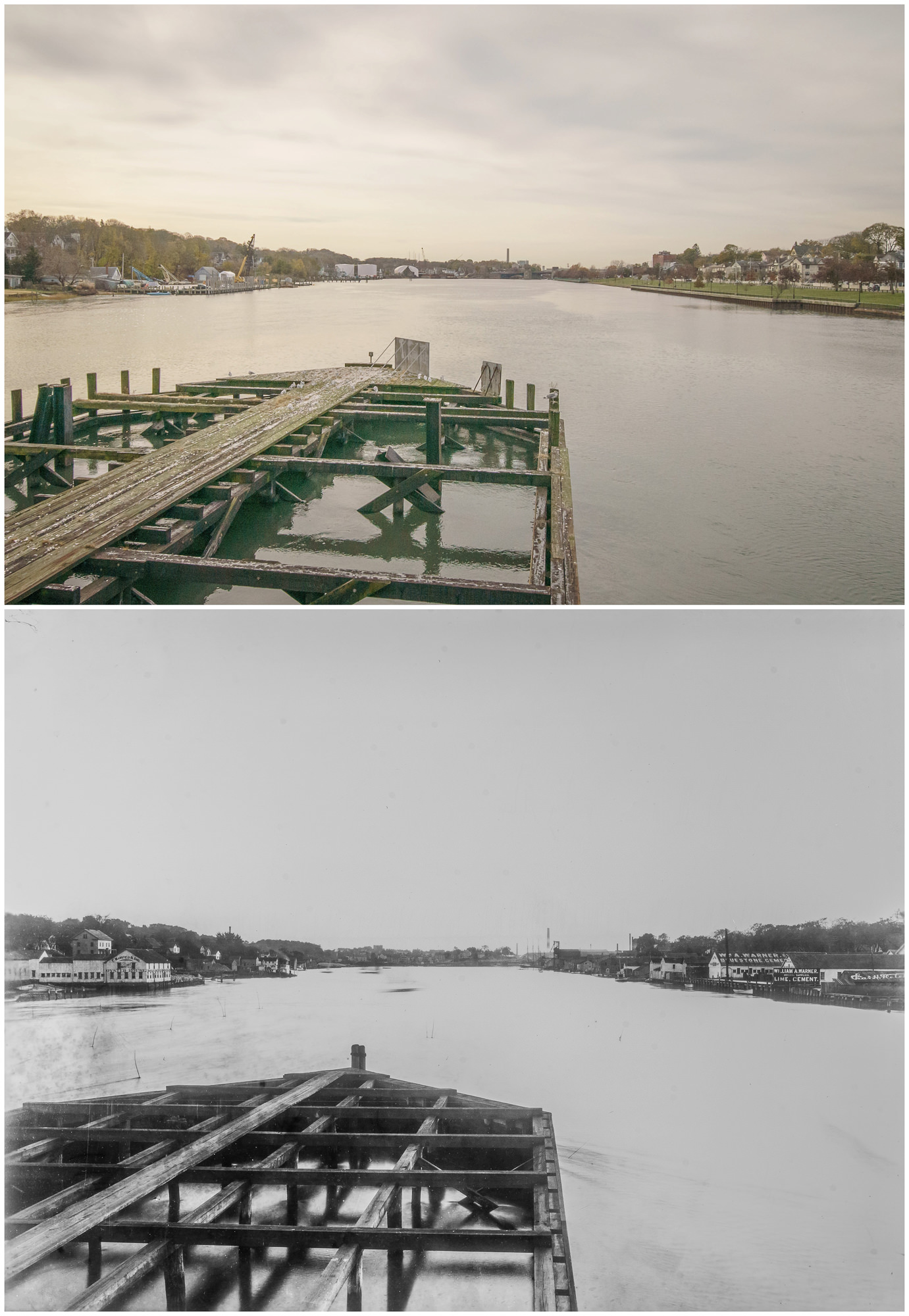
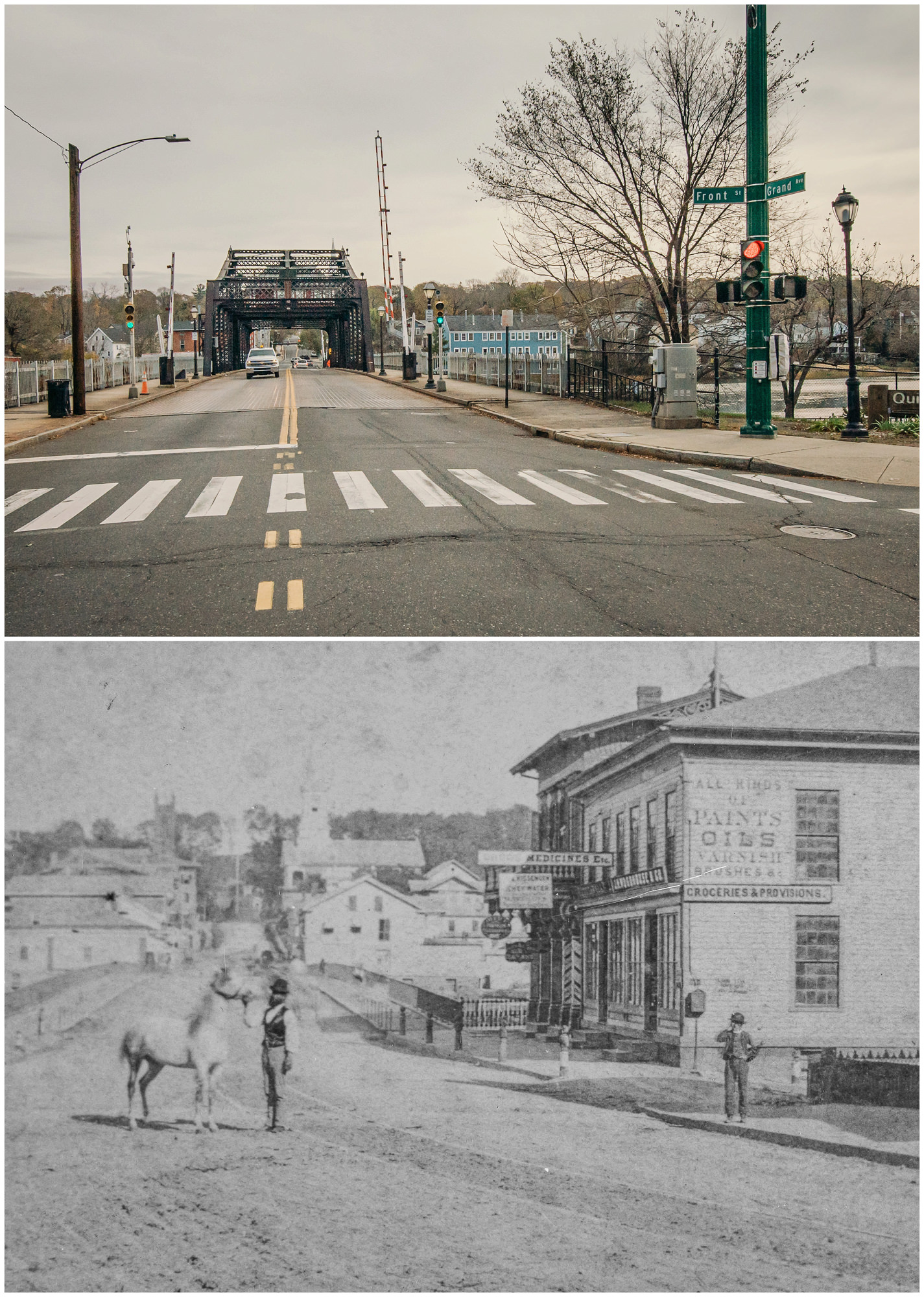
Once home to a thriving oyster industry, the community along the banks of the Quinnipiac River in New Haven, Connecticut still reflects its rich heritage. Though much has changed since its peak in the mid 1800s, thanks to the preservation efforts of residents, non-profit organizations, and city and state agencies, its charm and character remains. Strolling the neighborhood, homes, buildings and bridges speak of its heritage, and invoke wonder of days gone by. This photo series provides a glimpse of the landscapes of today and how they looked in yesteryears, a reminiscence that is especially important as one of the community’s iconic bridges, the Grand Avenue bridge, closes for a two-year rehabilitation, aimed at restoring its infrastructure, while retaining its historic form.
*click on a photo to view fullscreen
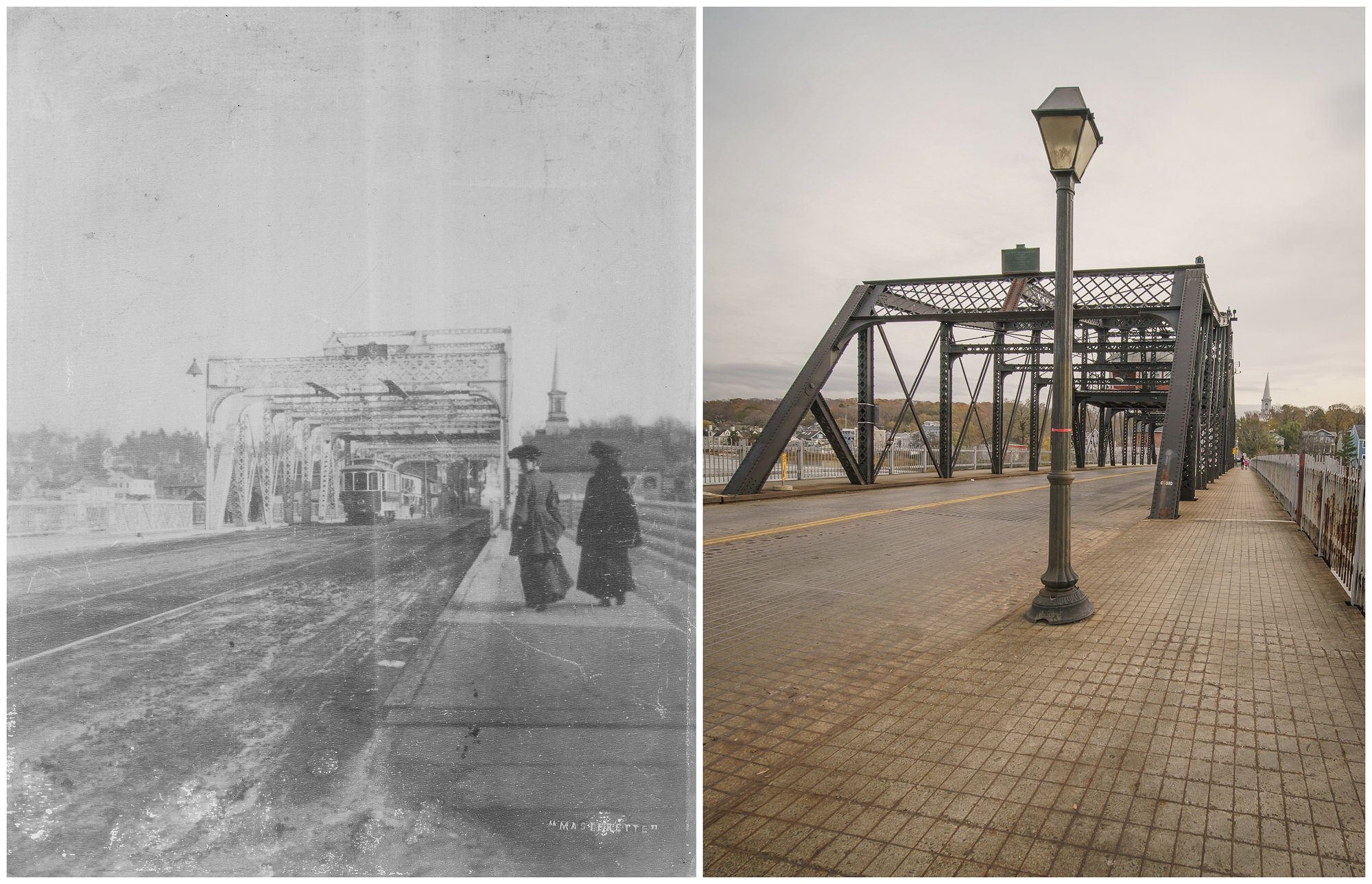
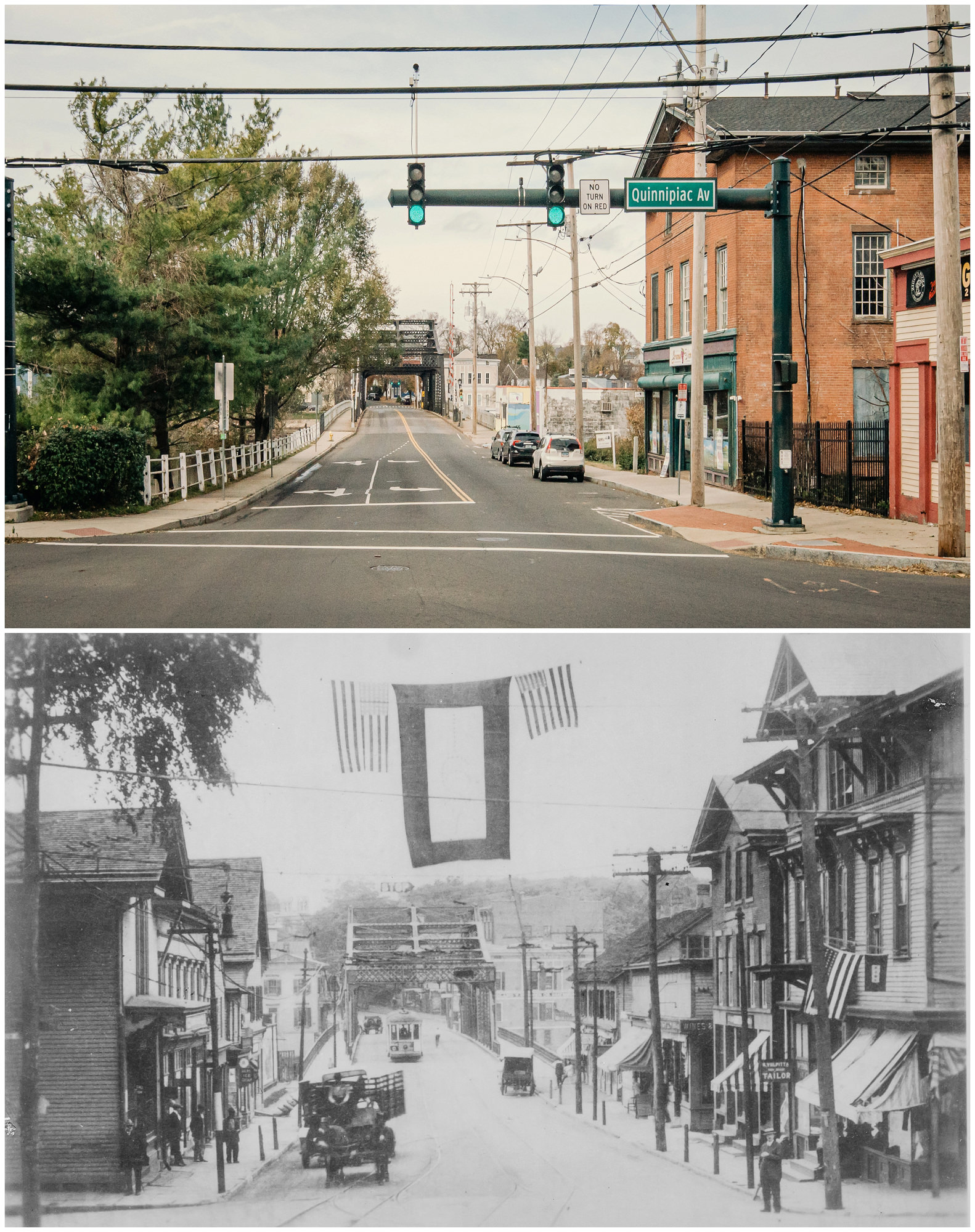
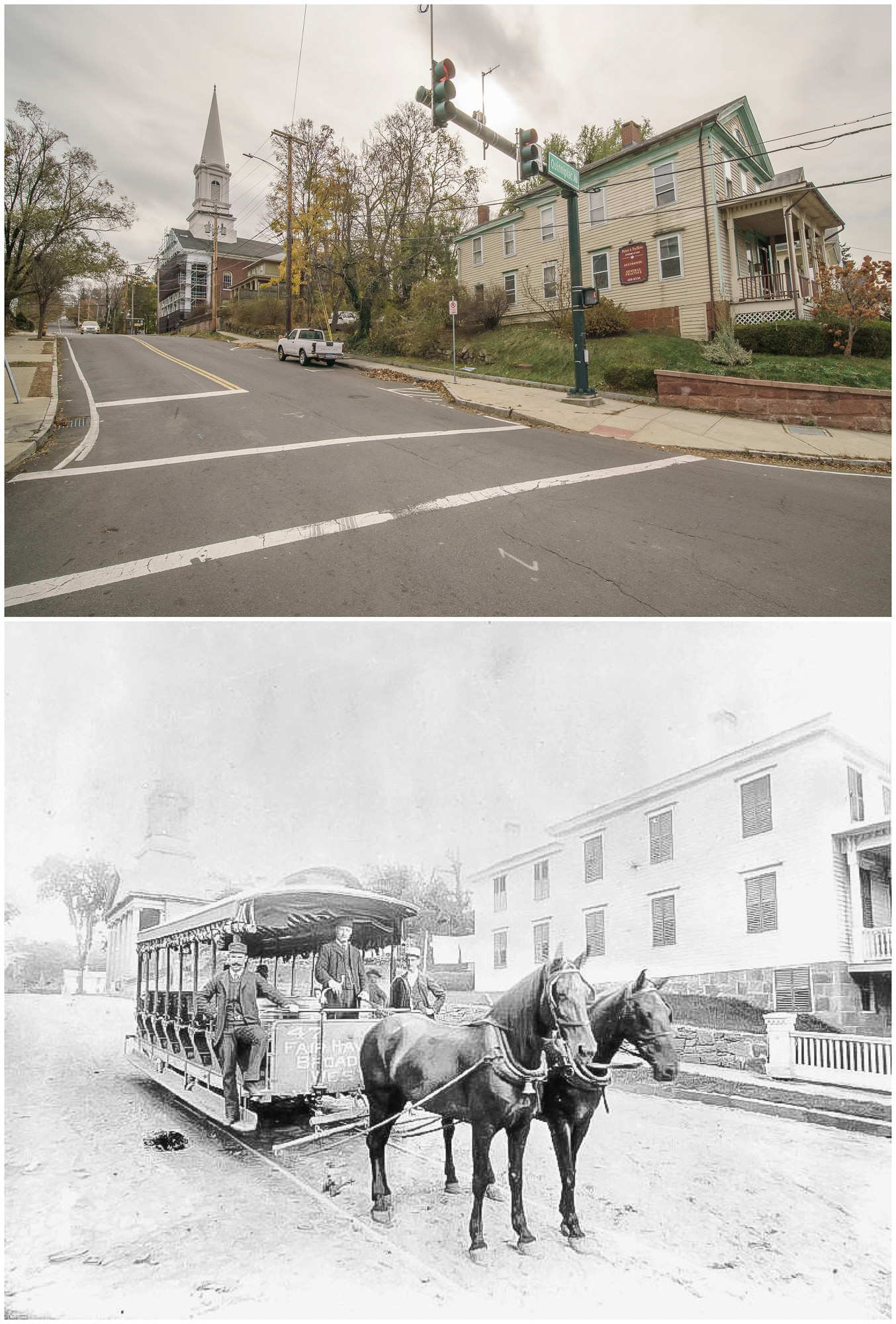
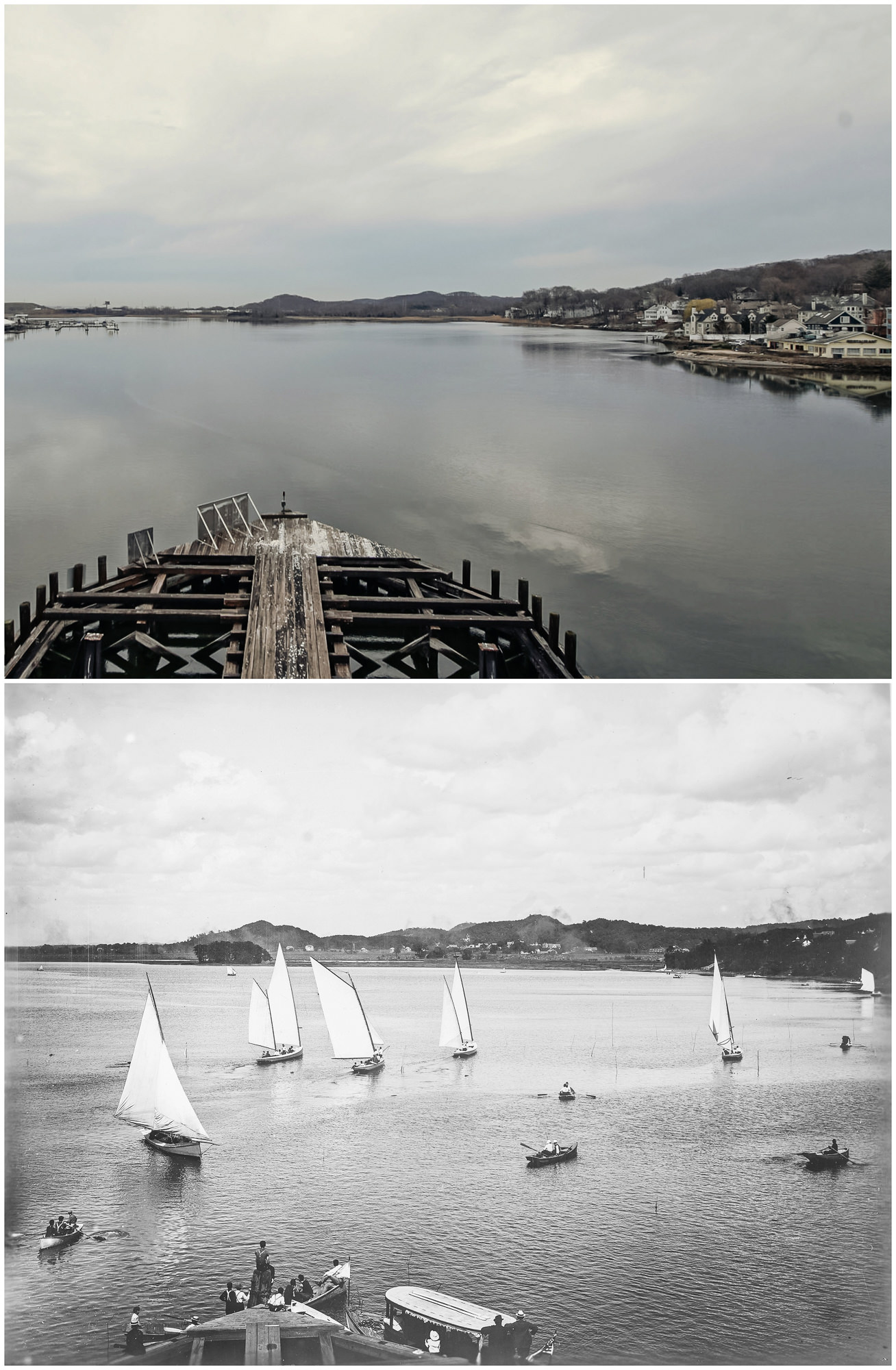
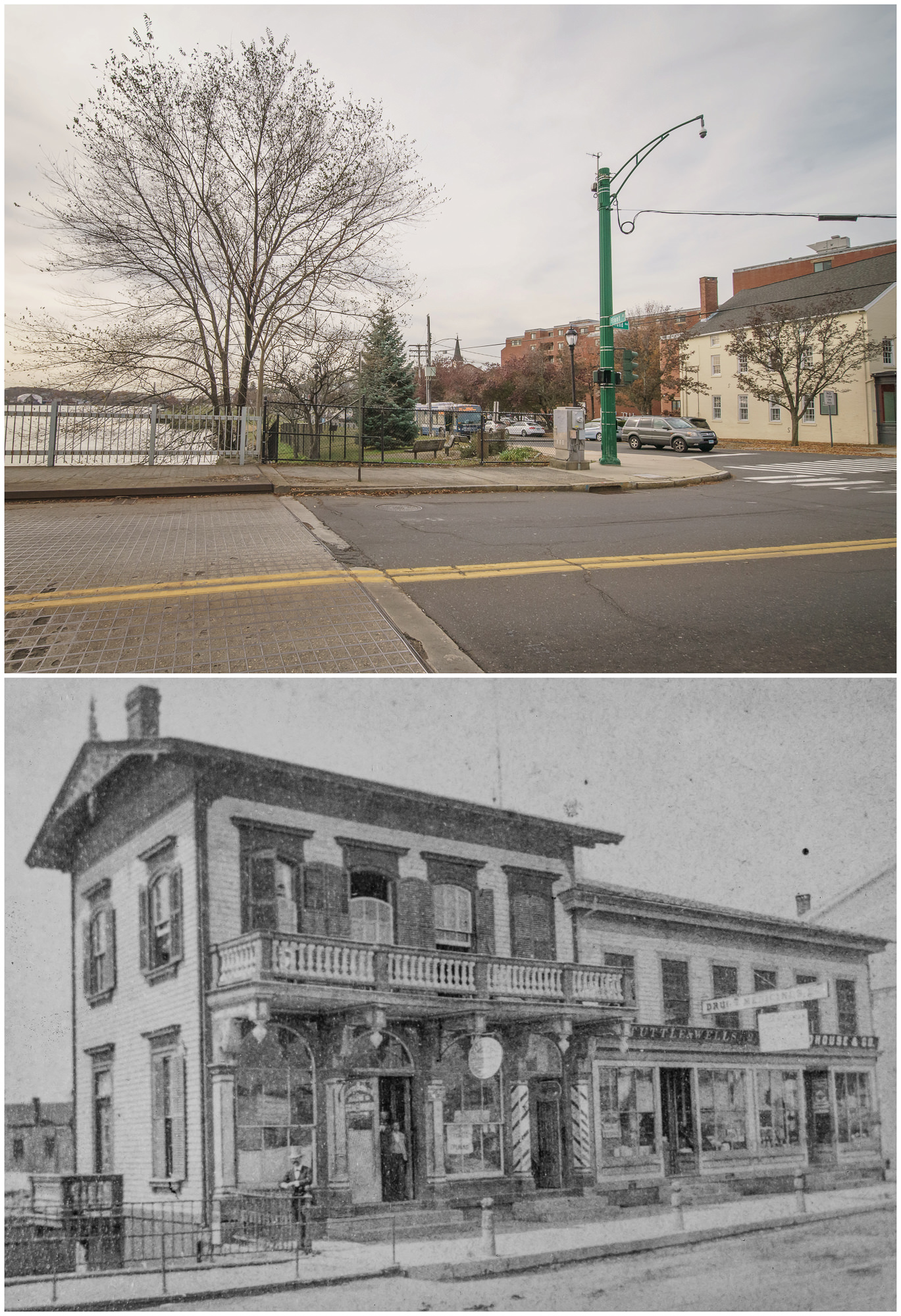
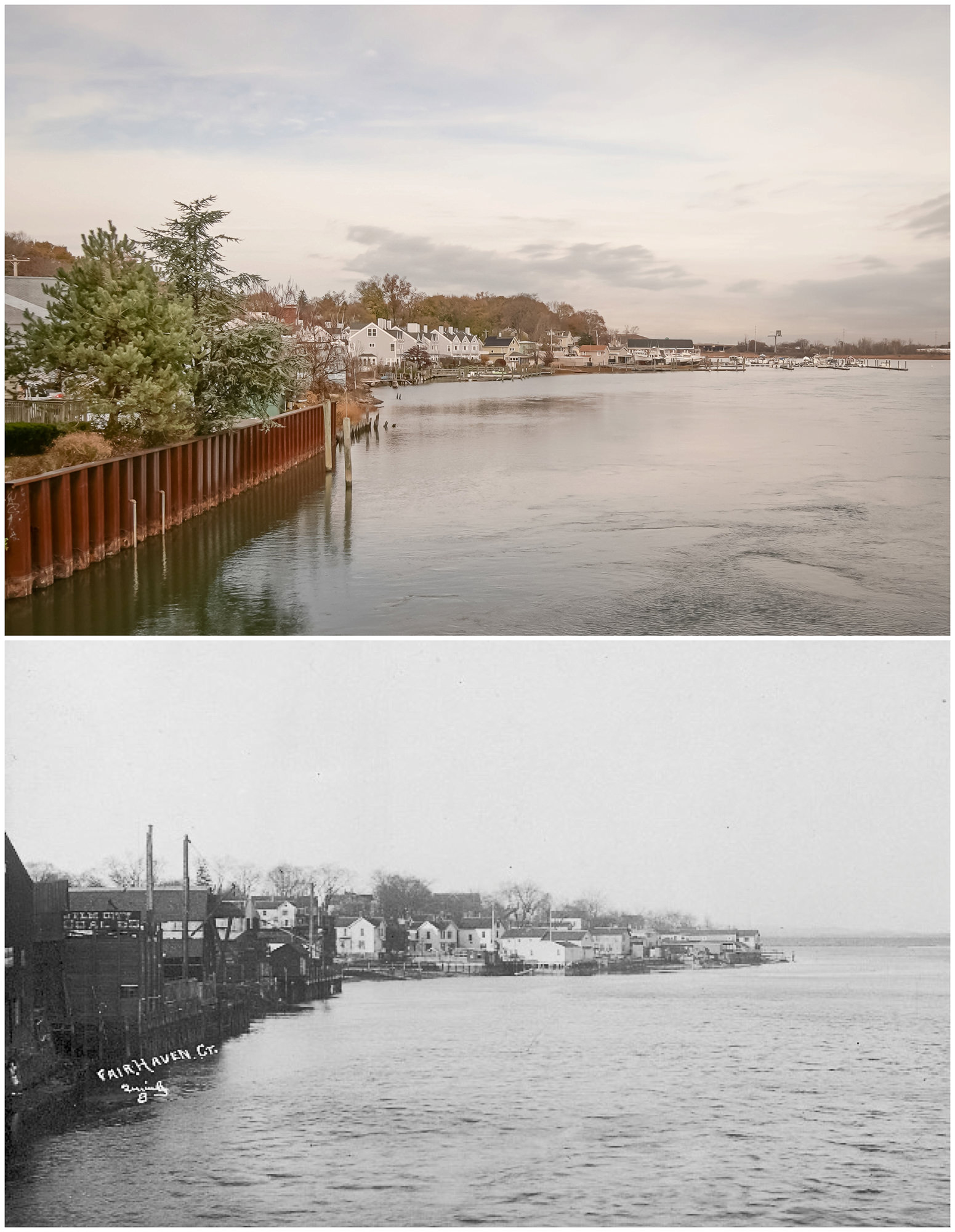
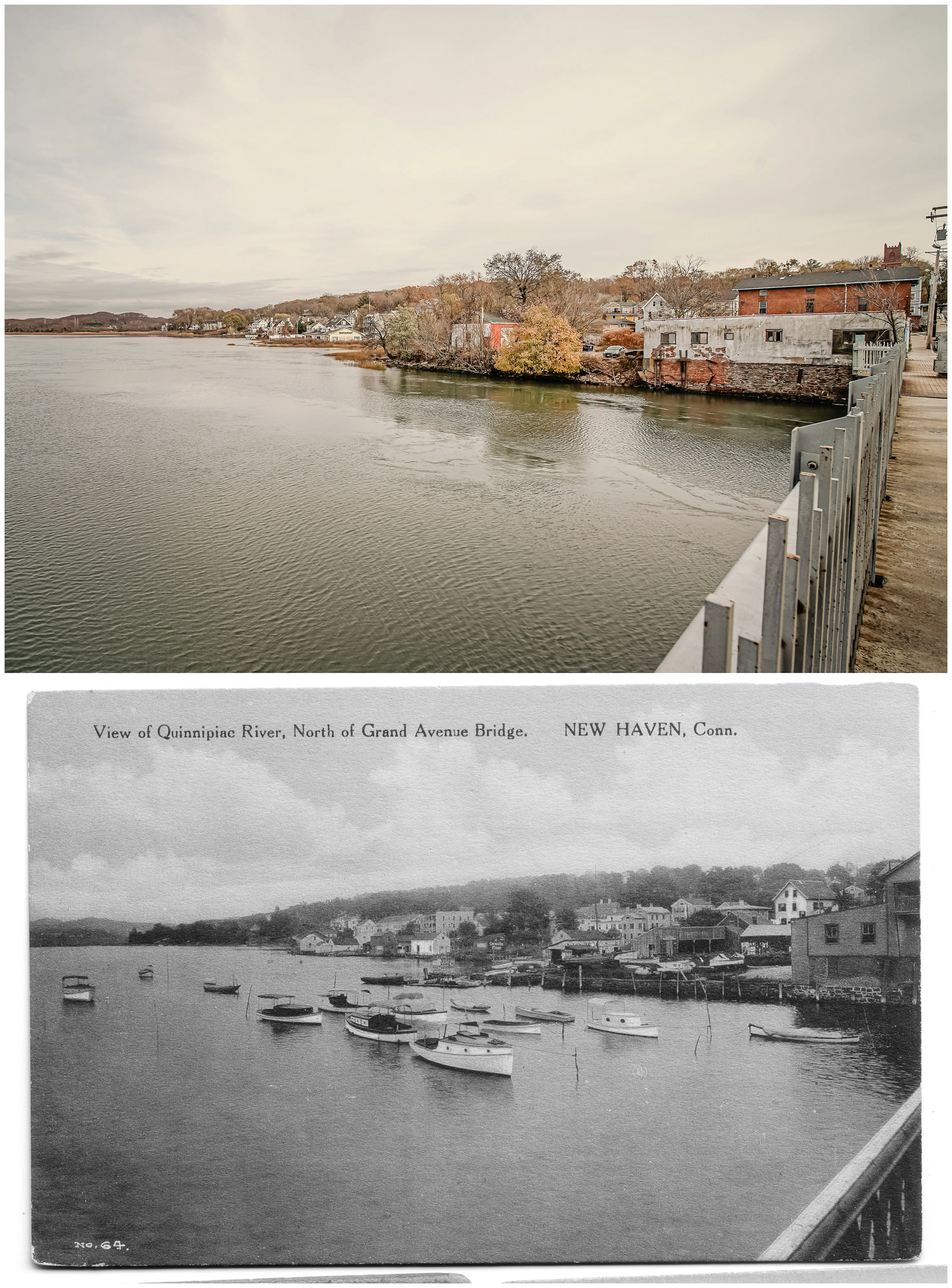
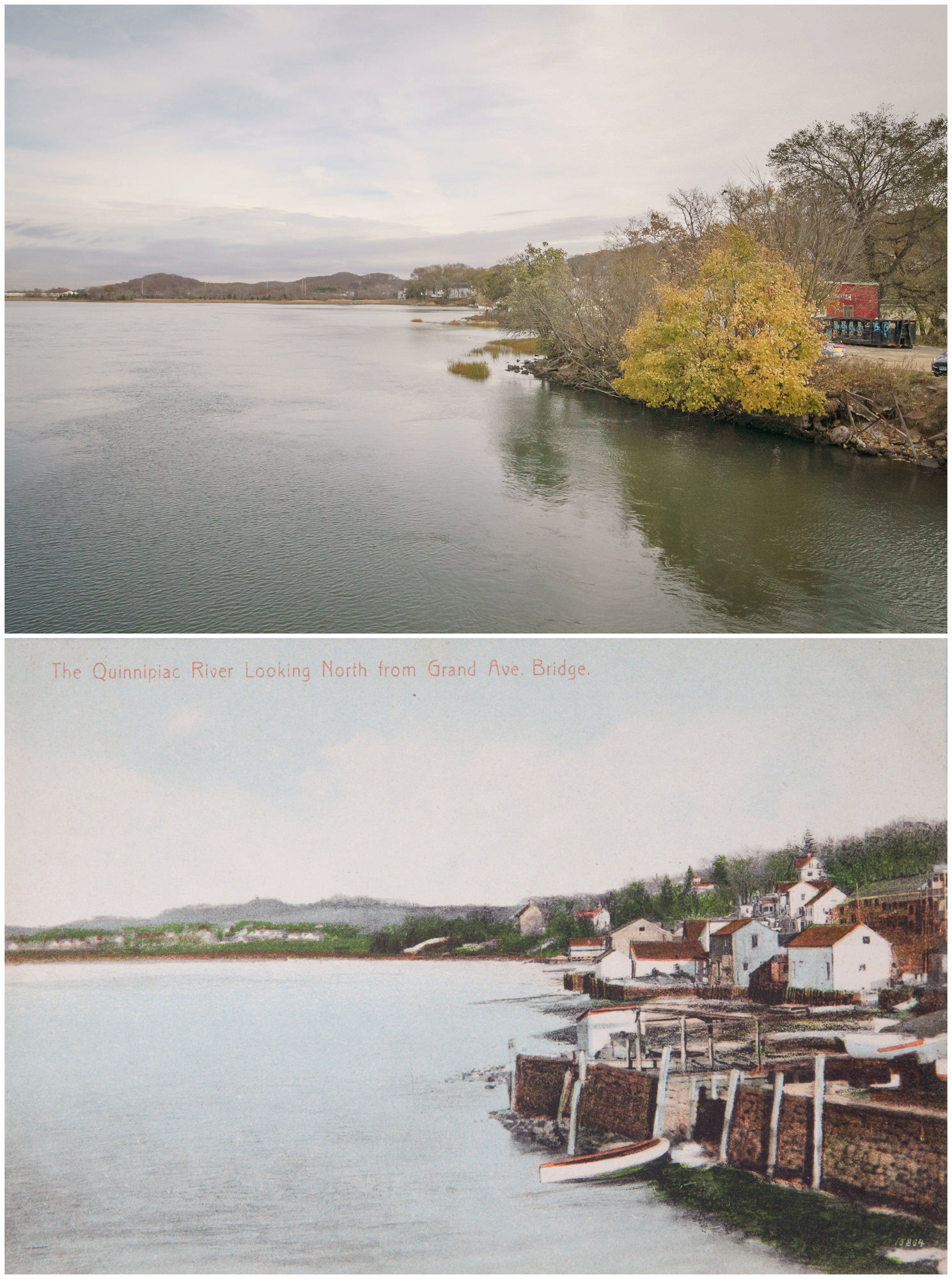
LOTS OF FISH
Eco-art makes a splash for New Haven waterways
Photos by Ian Christmann
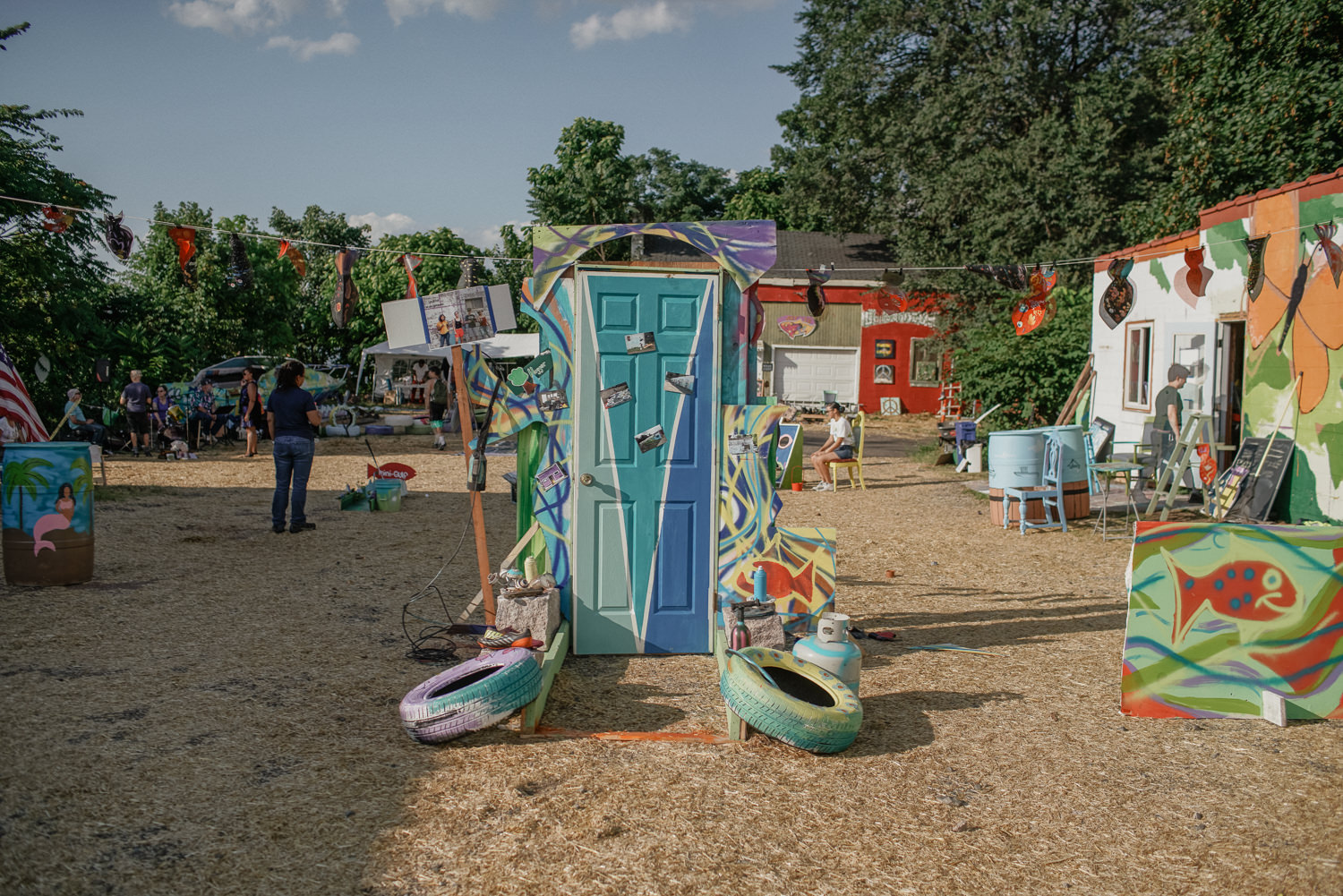
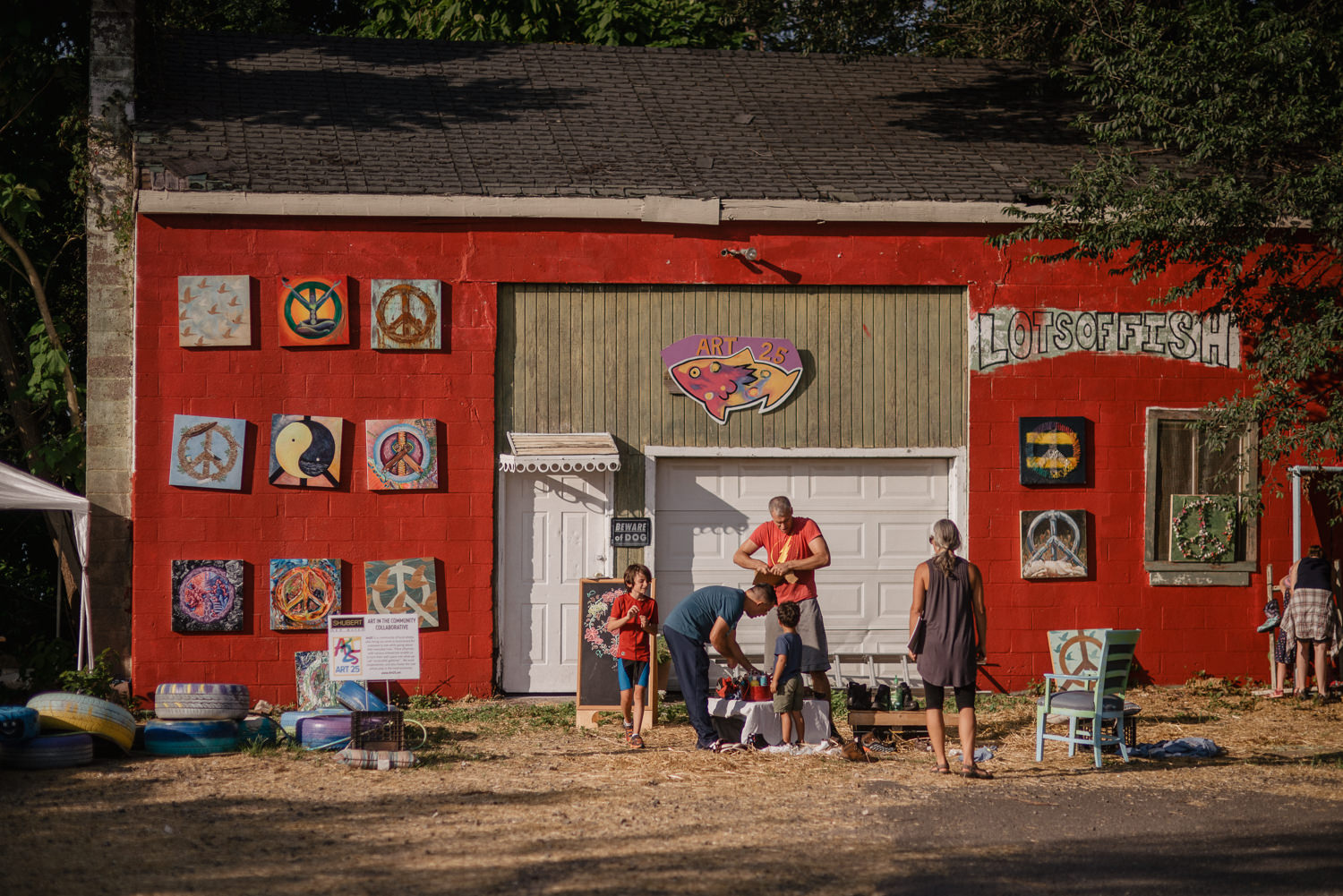
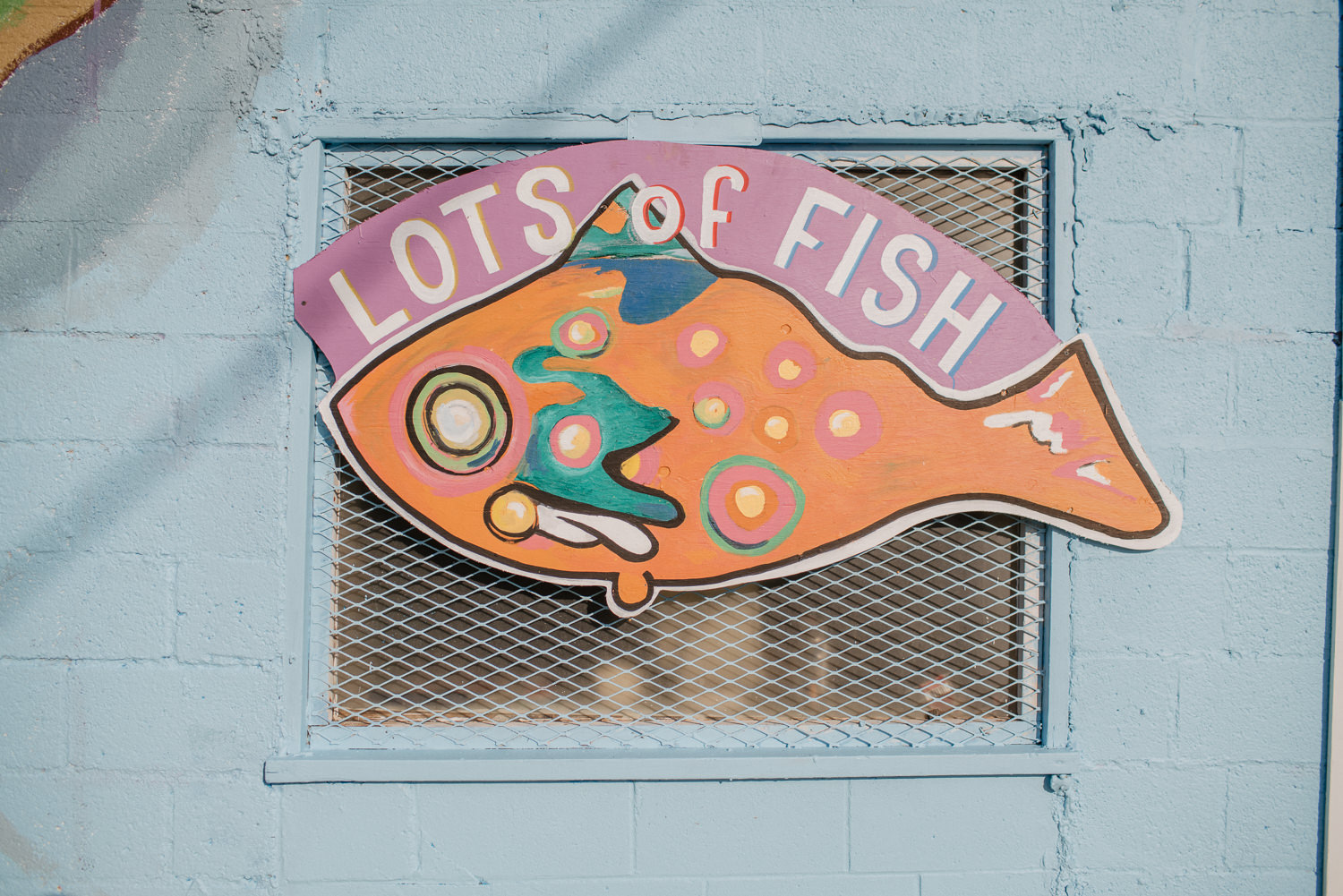
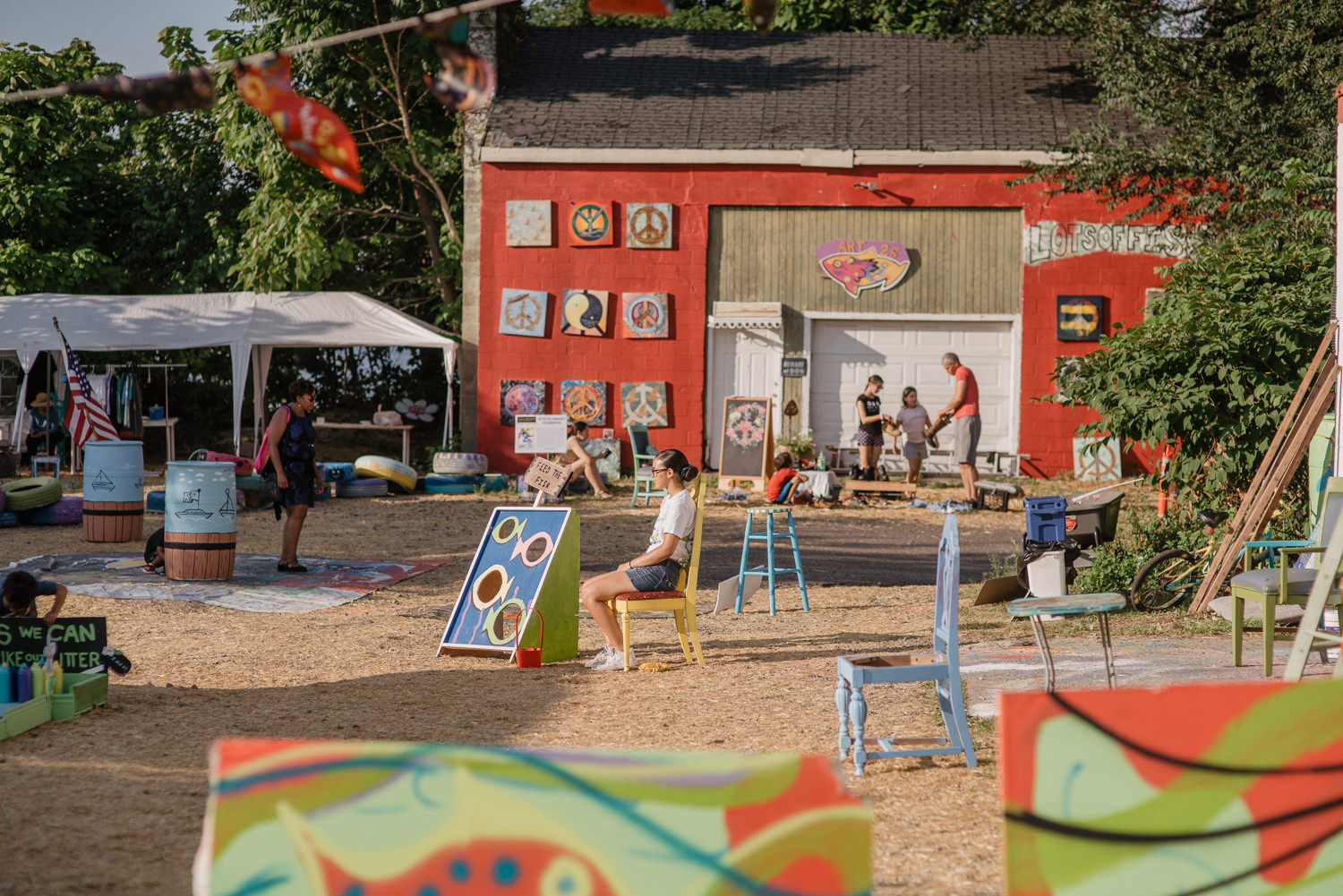
“It’s incredible how a little bit of art can change a space,” a passerby observed of the empty lot between two abandoned buildings on Grand Avenue. Once bland and crumbling concrete walls now burst with colorful murals of sea-swirls, waves, fish and aquatic creatures — and eclectic art installations fill the parcel with intrigue.
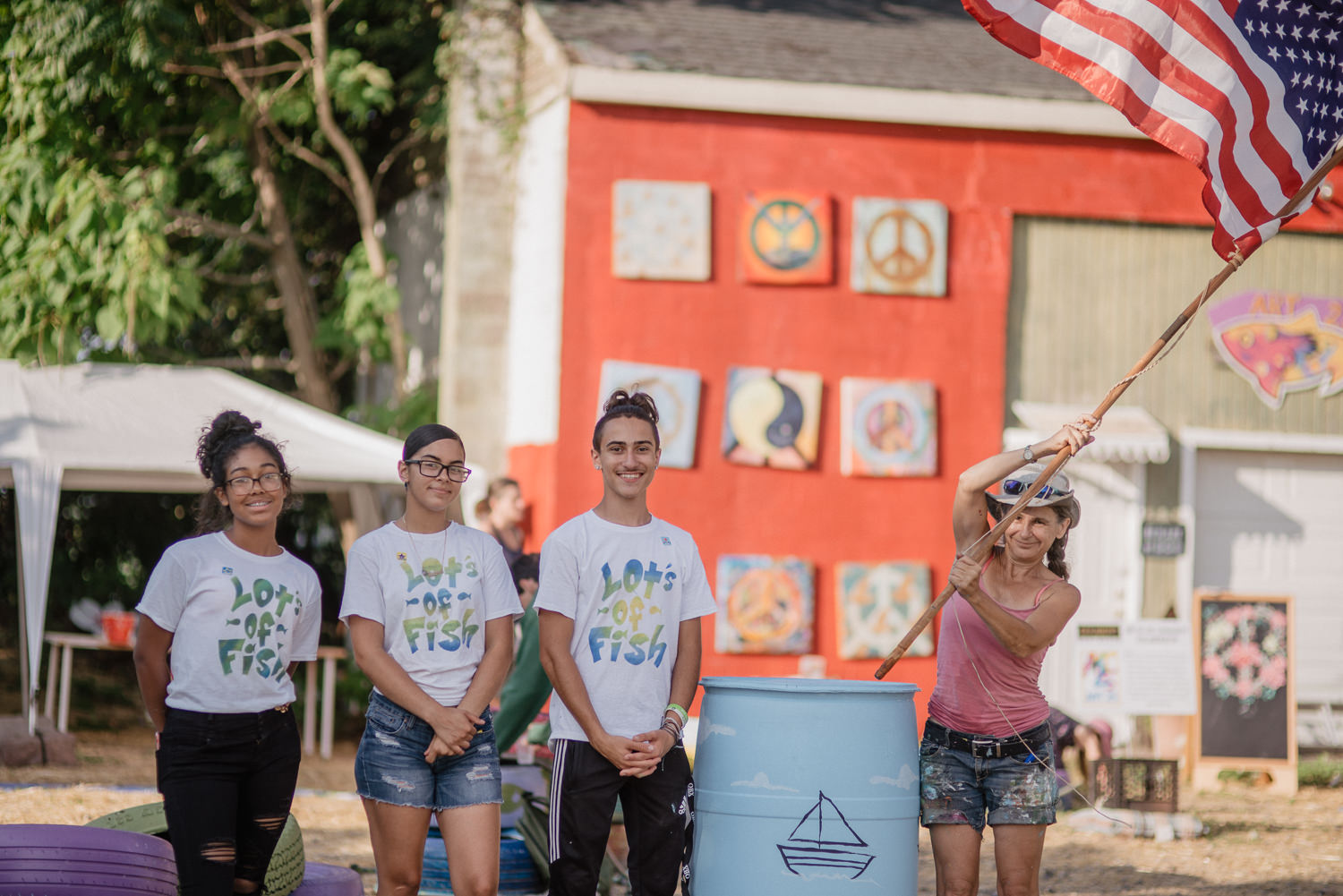
The transformation was accomplished by a summer-long environmental program called Lots of Fish, aptly named for the creature featured most often throughout the art. The multi-faceted program was the vision of JoAnn Moran, founder of Art25, and made possible by a grant from the Quinnipiac River Fund.
JoAnn’s aim was to engage youth and community members in art and impact projects that encourage thought and care for the Quinnipiac and New Haven’s other waterways.
Her mission took many forms, most of which involved brushes and bright paints. Working with teens from Youth At Work, and community volunteers of all ages, Lots of Fish used color to make a scene.
Street banners from City festivals and events were re-purposed with witty and thought-provoking environmental themes. A banner advertising a midsummer night’s dream became midsummer night’s fish, and poised the question “Do Fish Sleep?”
Storm Drains were adorned with sea creatures and reminders that “all water leads to the sea” to raise citizen awareness of the direct connection between rainwater runoff and the health of our waterways.
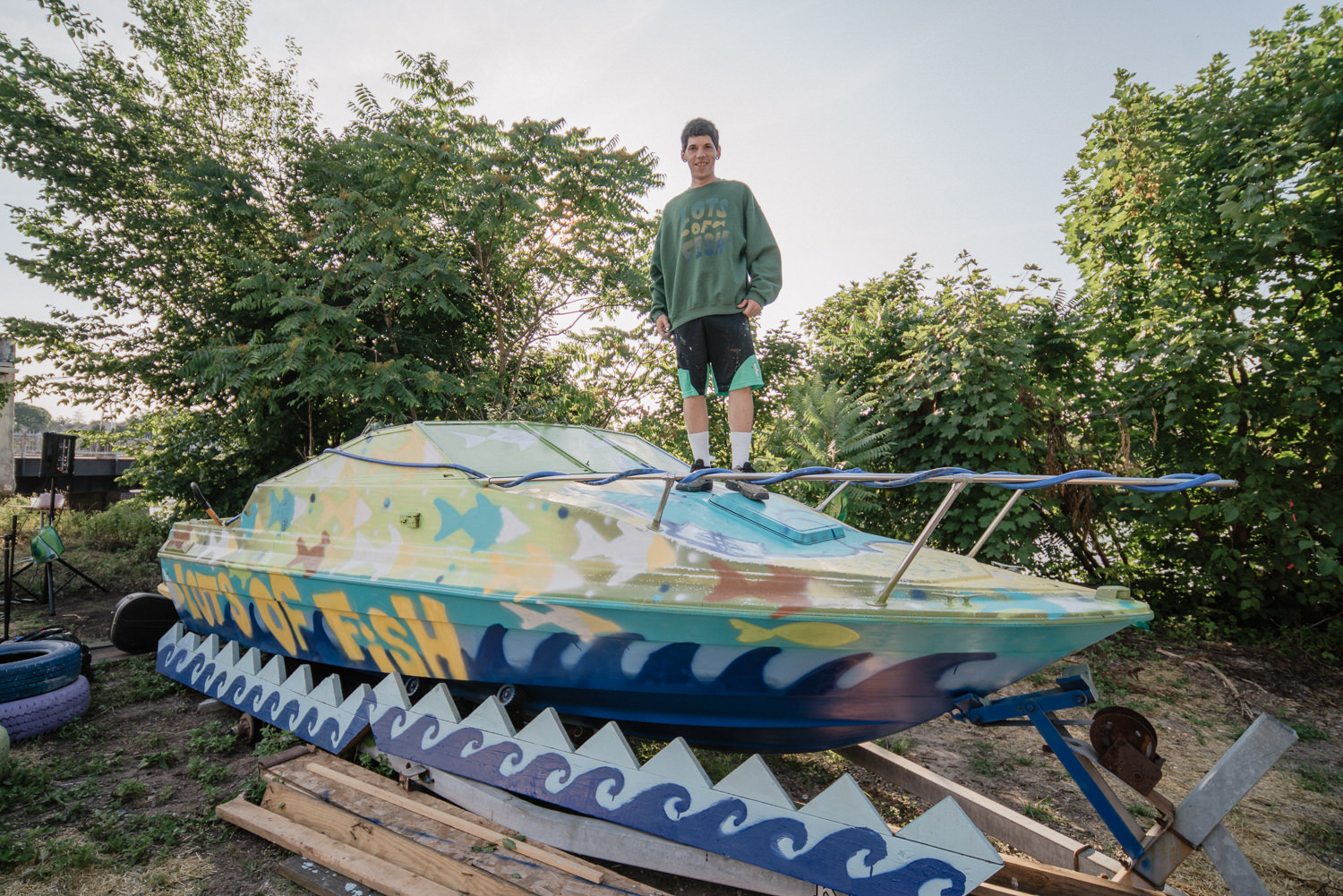
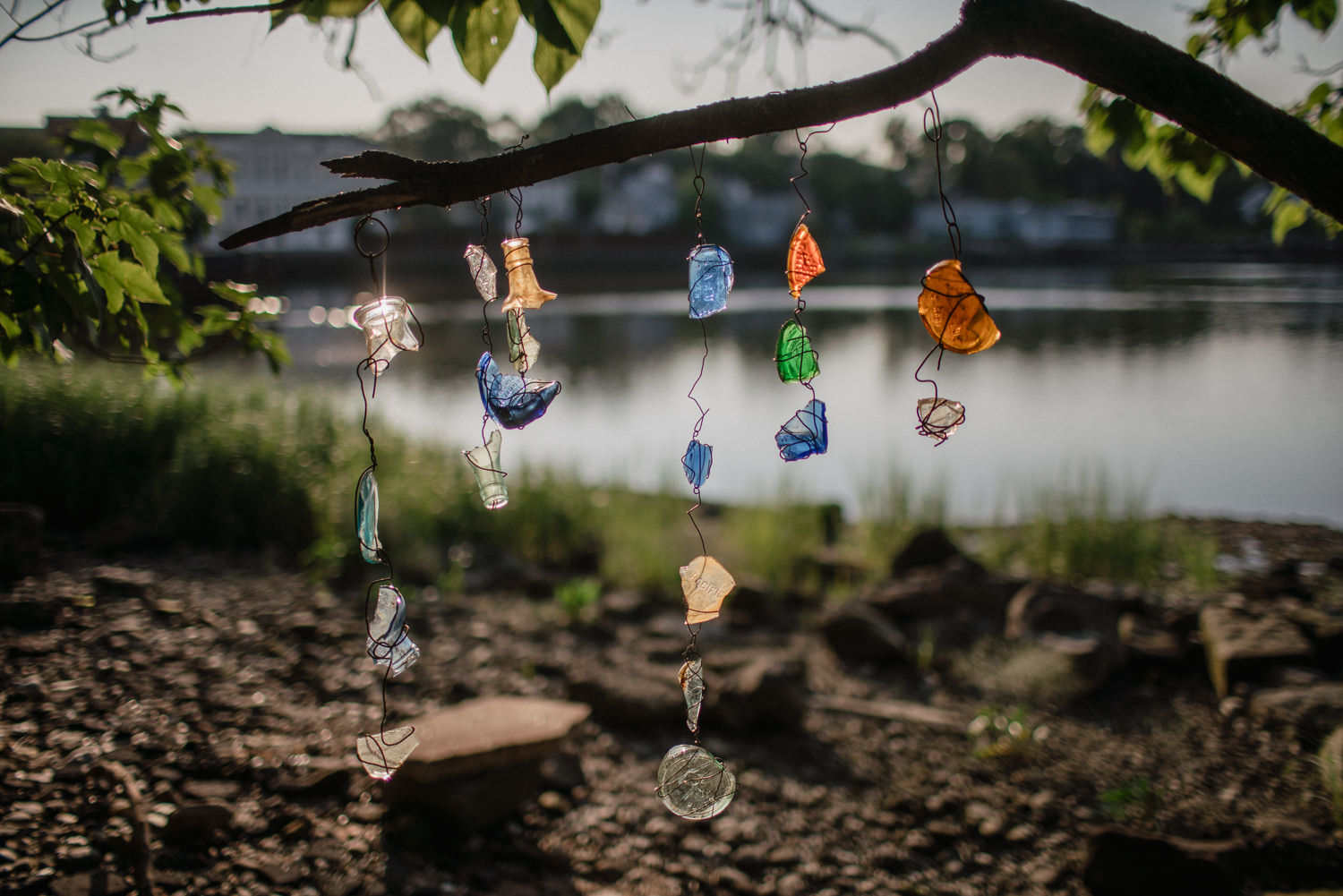
Tires, boots and other refuse collected from Quinnipiac’s banks and other dumping sites turned into sculptures and installation art. For volunteer Ricky, an abandoned boat became a canvas to stretch his creativity.
“I wanted to be a part of this so bad,” he described seeing the activity in the lot early in the summer. Though he had often passed by the area, joining Lots of Fish inspired him to consider the river in a new light. “I feel like people should utilize [the Quinnipiac] rather than destroy it with litter.”
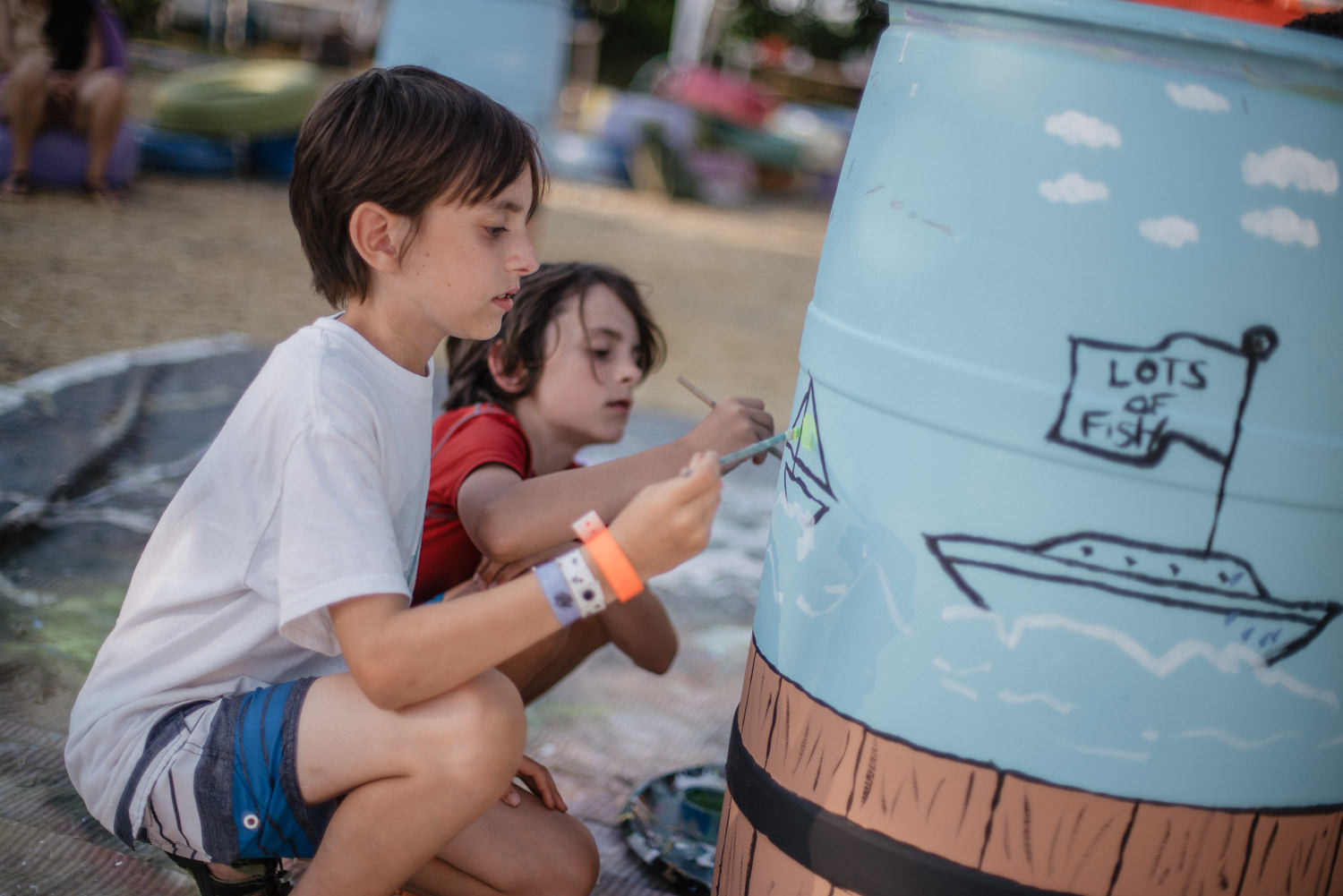
Of all the projects created by Lots of Fish, one of the most popular and practical were one-of-a-kind rain barrels, featuring art hand-painted by children and community members. The barrels were given for free, and in high demand. Attached to a gutter’s downspout, rain barrels catch and store rainwater that can be later used to water gardens or potted plants, wash windows or even the car, thus reducing city water consumption.
“It’s amazing how many people want rain barrels now. How would that be exciting any other way,” JoAnn expressed.
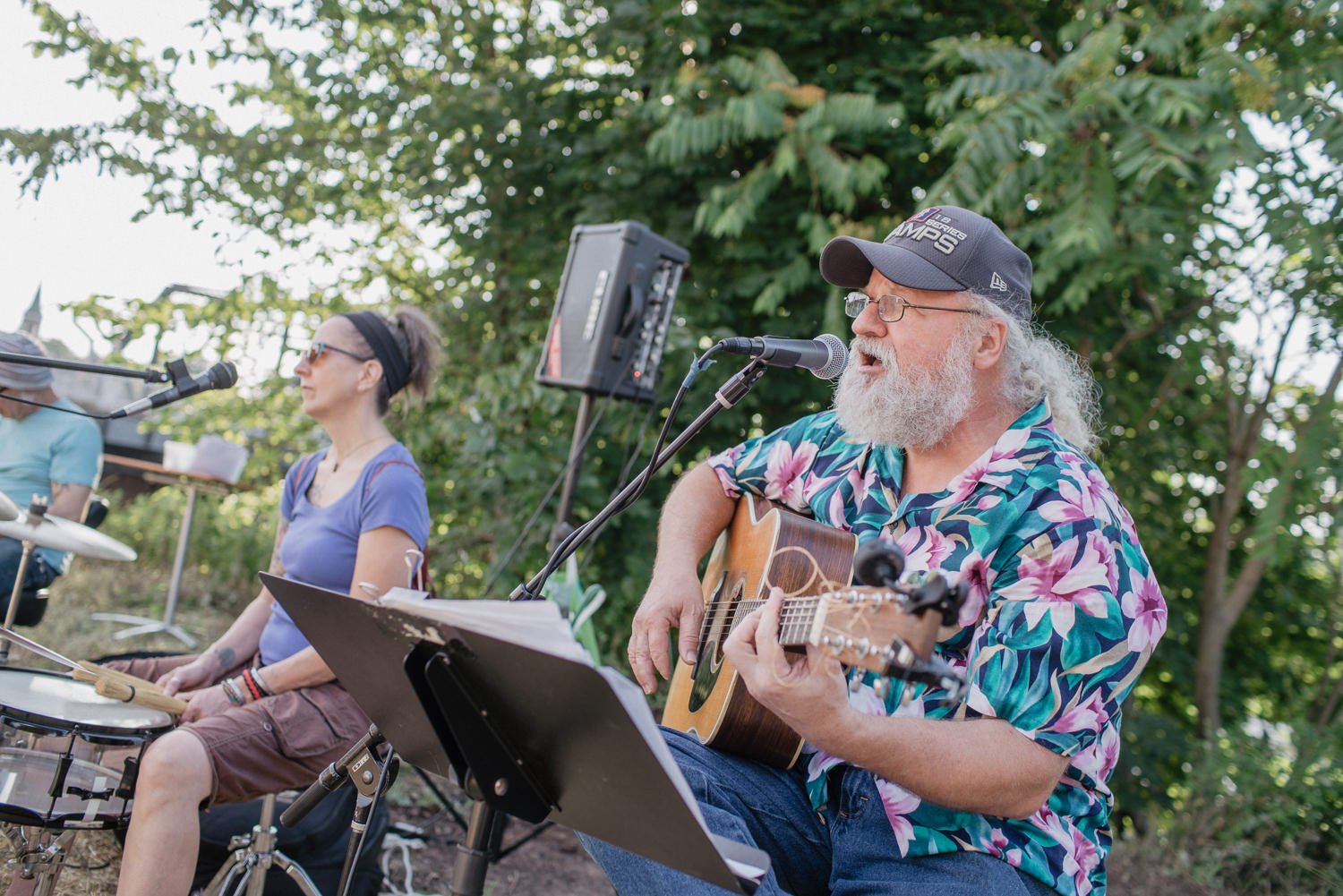
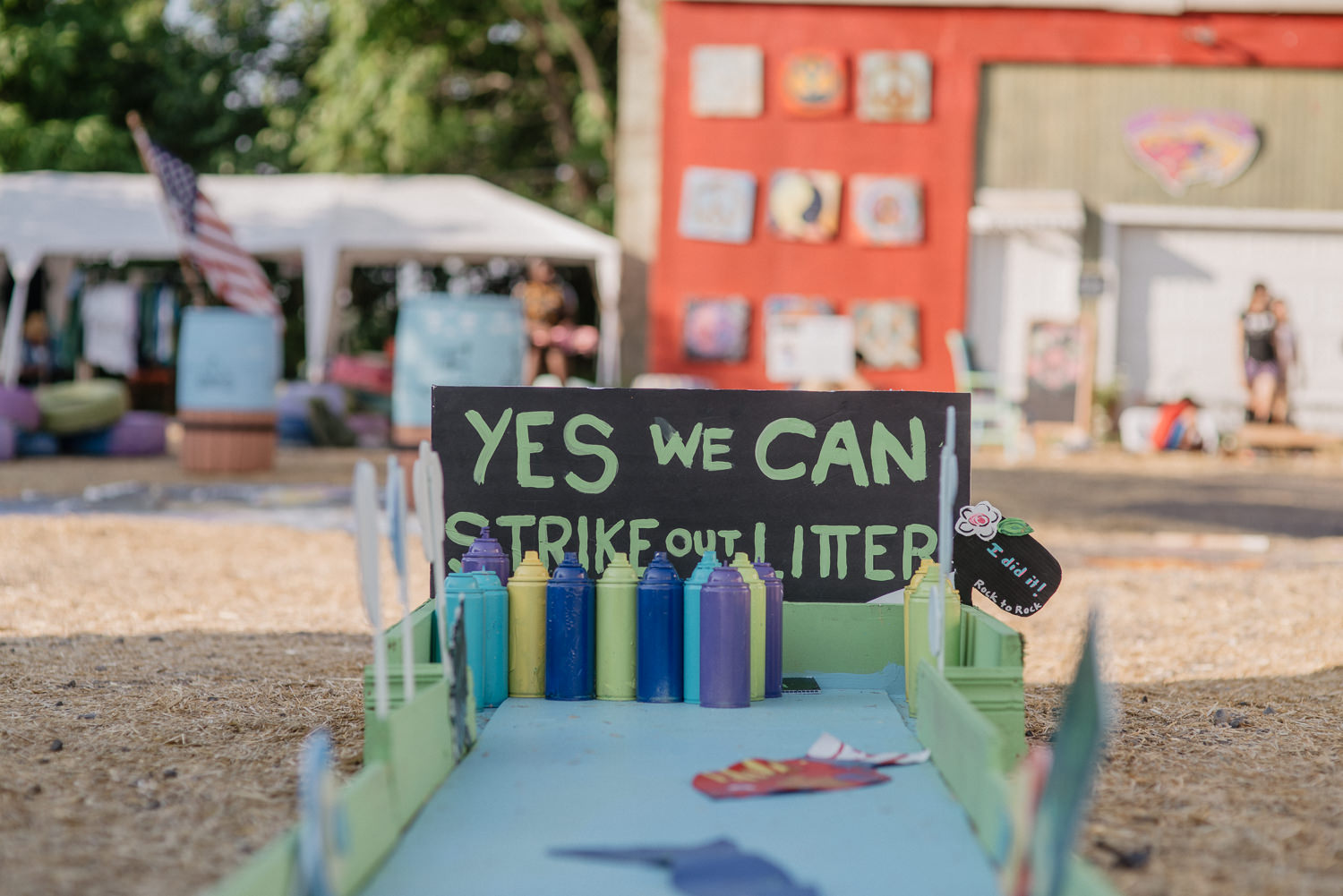
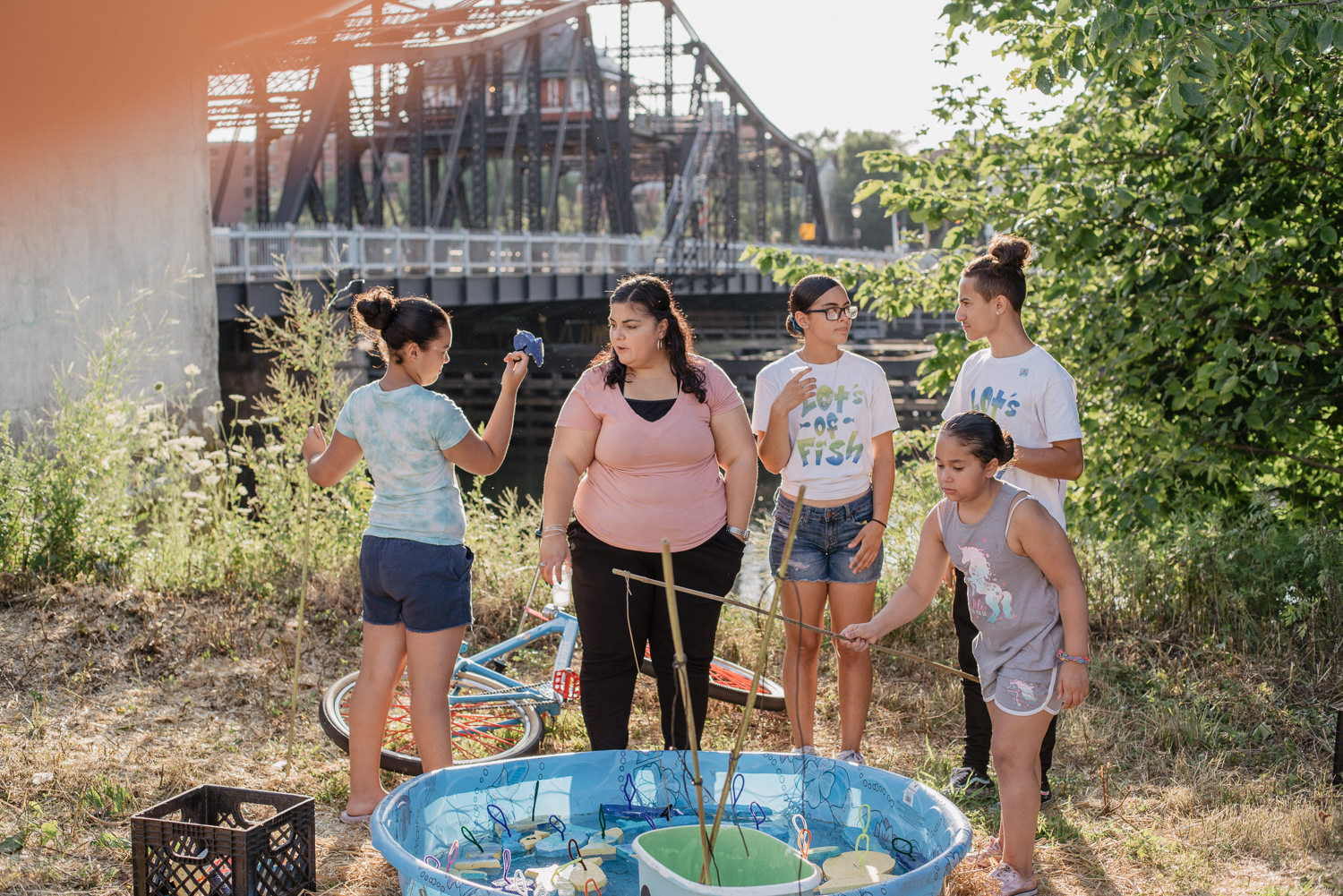
On August 1, Lots of Fish showcased their eclectic creations with an Eco-Art festival in the lot they had transformed. The event featured live music, organic produce, art, and lots of creatively-named kids games, such as “yes, we can strike out litter” bowling and pin the fin on the fish.
Building on the success of the summer program and the state-mandated sustainability goals it fulfills, Lots Of Fish is launching Run-off Art, a storm water impact and education program for New Haven’s schools. This city-wide model will engage schools, community groups, artists and even musicians who will write ballads and songs dedicated to storm drains and rain barrels!
“But it’s not all songs and paint” Jo Ann explains that the initiative will undertake mapping the watershed storm drains neighborhood by neighborhood.
So when you see the bright art on storm drains, take notice, and remember, we’re all connected, especially by our waterways.
For more information on Lots of Fish, and continued opportunities for creative involvement, visit: https://lotsoffish.info.
‘
‘
‘
‘
‘
‘
‘
‘
‘
‘
‘
‘
‘
‘
‘
‘
‘
‘
‘
‘
‘
‘
‘
‘
‘
‘
‘
‘
Free to Flow
Pipe and dam removal restore Quinnipiac’s current
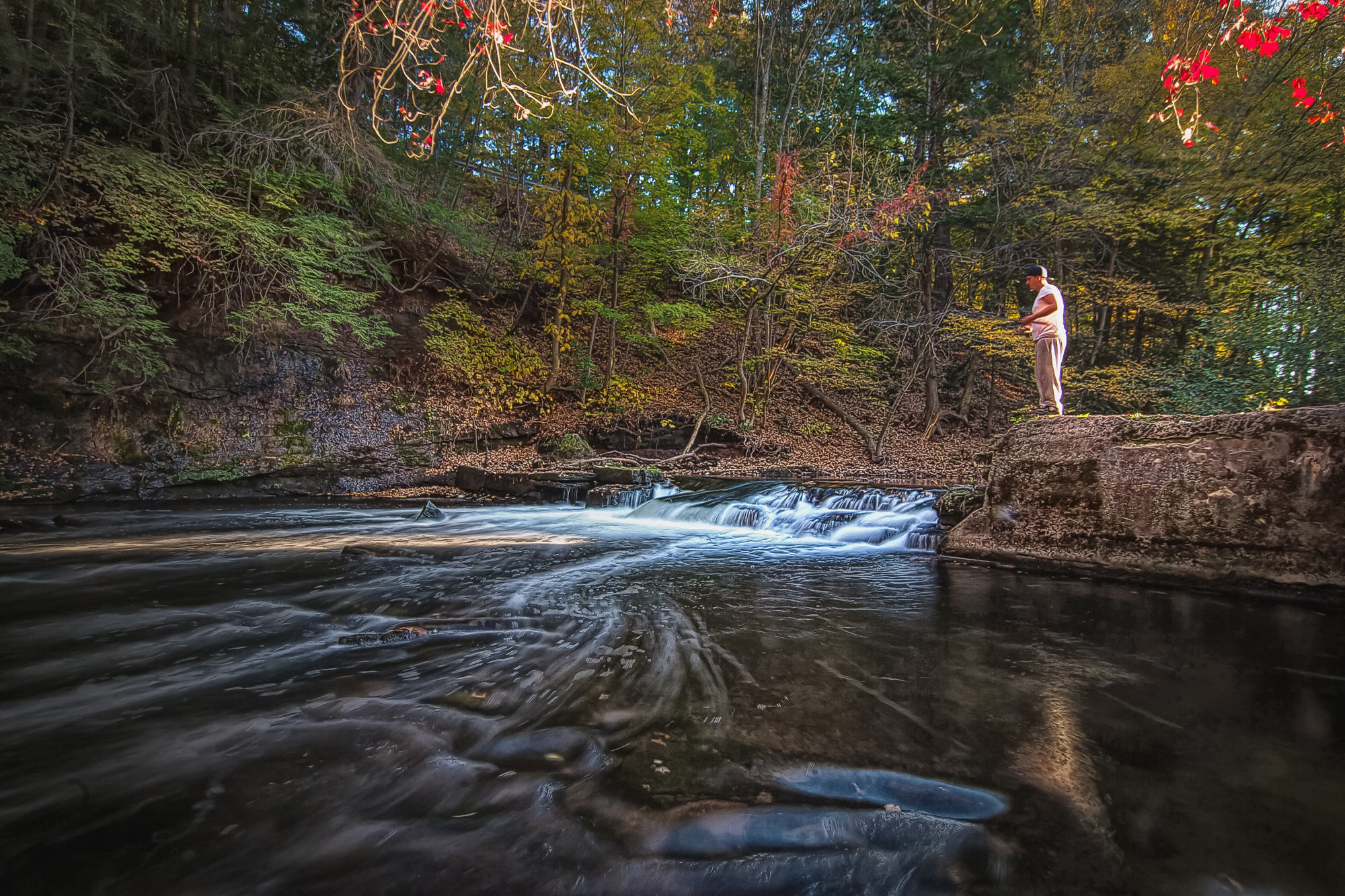
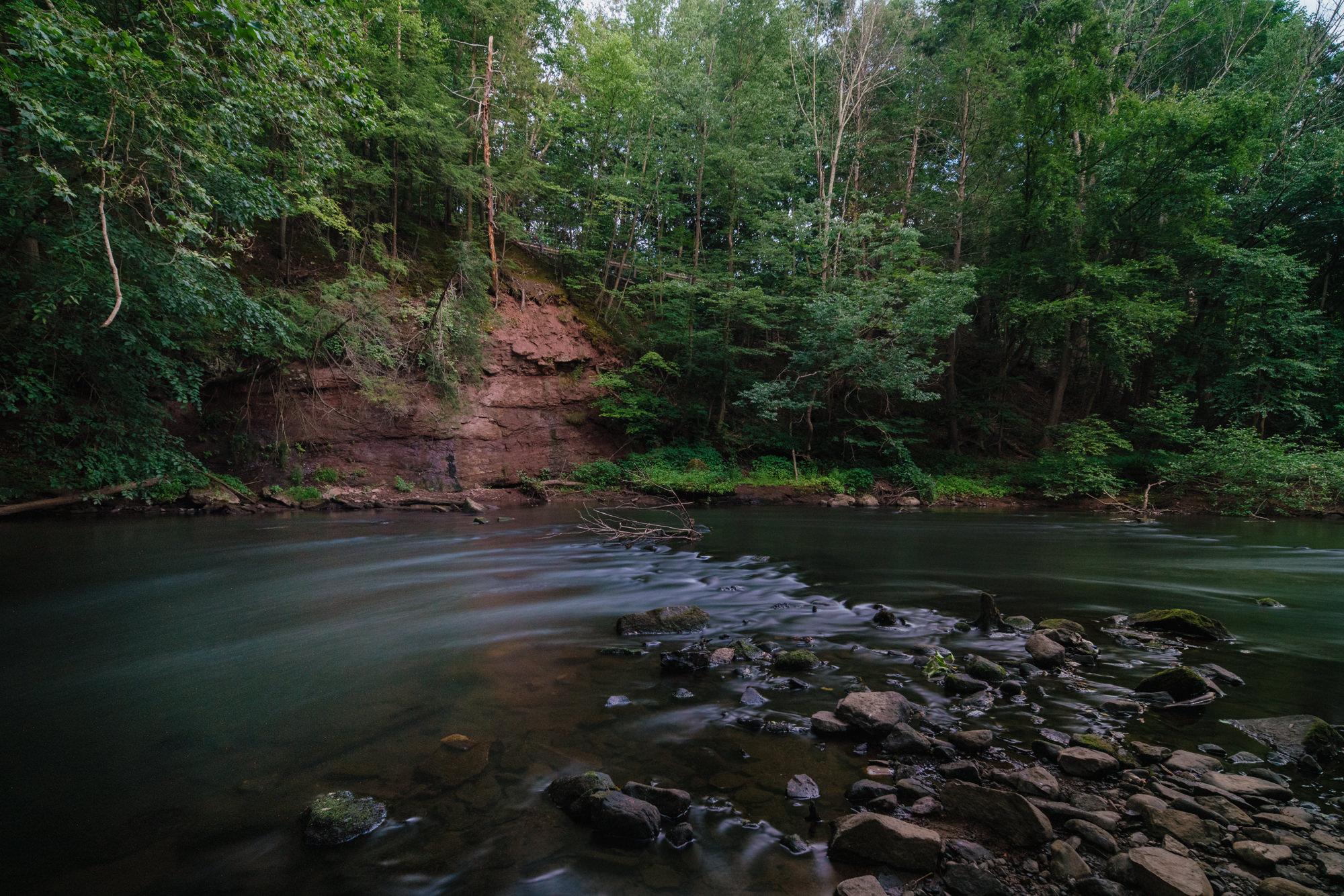
In early April 2019, backhoes and excavators descended on the River in Meriden, dismantling an exposed but obsolete water line. The pipe was the last barrier preventing migratory fish from swimming upstream to their spawning grounds of days gone by. Its removal was part of a multi-year collaborative effort that included dismantling two dams in 2016: the Carpenters Dam in Meriden and the Clark Brothers Dam in Southington. The result: 16 miles of river opened for unimpeded travel, a benefit for herrings and humans alike.
The newly opened upstream gives the river’s fin-bearing residents — such as shad, herring and other migratory fish — access to habitat critical for growing their population. And for those voyagers wielding paddles, it means an end to tricky portages during canoe or kayak excursions of the upper Quinnipiac. And as an added bonus, the work was complete just in time for QRWA’s annual Downriver Classic boat race.
New England is replete with dams, and Connecticut waterways have more than 5,000. According to a dam inventory in 1983, 109 dams have been constructed on the Quinnipiac River and its tributaries. Many of Connecticut’s dams no longer provide economic benefit and have fallen into disrepair. These outdated dams prevent fish movement, impede recreational access, pose flooding risks, and block natural sediment from flowing downstream to replenish estuaries and beaches.
In recent years, the U.S. Fish and Wildlife Service and Connecticut Fund for the Environment/Save the Sound have targeted the removal of dams in New Haven and Mystic, joining a trend across the nation to remove dams that cause environmental damage.
A 2011 U.S. Fish and Wildlife Service assessment showed that every mile of river opened can contribute more than $500,000 annually in social and economic benefits once fish populations are at their full productivity.
Such progress is especially important for a river like the Quinnipiac, whose history is replete with mistreatment. In fact, the project itself was funded by a settlement with the Solvents Recovery Service and Old Southington Landfill Superfund sites, both located in Southington, CT, and both contaminators of the river. When active, these sites leached hazardous wastes including volatile organic compounds (VOCs), polychlorinated biphenyls (PCBs), and metals into the river. Later remediation efforts further injured the river and its wetlands, destroying foraging habitat for fish and birds and rendered millions of gallons of water in the watershed undrinkable.
In the 1980s, a five-year legal battle against the polluters resulted in a damages settlement of approximately $800,000 to restore impacted natural resources. U.S. Fish and Wildlife Service identified dam and barrier removals as an efficient use of the funds.
With the project’s completion, all but three of Quinnipiac’s 38 miles flow freely for the first time in more than two centuries. And while this unhindered current won’t wash away all the abuses the River’s endured, it’s indeed a positive course of action for the Quinnipiac.
Marking Time On The Quinnipiac River: One Bridge Opening At A Time
Connecticut Public Radio — When a boat needs to pass under a low bridge on a river, that bridge needs to move out of the way. A drawbridge lifts up so a boat can pass under. A swing bridge pivots out of the way so a boat can pass by. But these decades-old bridges don’t operate on their own. They rely on a small group of “bridge tenders” who specialize in a peculiar and slow-moving job.