On Board for a summer of sea stewardship

Schooner Camp excites kids to care for the environment through songs, games and adventures.

“Imagine a clean river as it flows through a healthy watershed. In this river lives Fred the Fish. Fred has lived here his whole life, but today he is starting a long journey downstream to the ocean. HOW IS FRED?”

The Schooner Camp counselor introduces the kids to Fred, a sponge cut into the shape of a fish. Then, one by one, the children enact Fred’s journey by reading a card they were given and following its instructions.

Fred’s travels include:

  • Fred swims into farm country. He passes a freshly plowed riverbank. It begins to rain and some soil erodes into the river. (DUMP SOIL INTO FRED’S WATER) HOW IS FRED?
  • Fred swims under a bridge. The winter trucks put salt on the road. The rain washes the salt into the river. (ADD SALT TO FRED’S WATER). HOW IS FRED?
  • Fred swims past the city park. Some picnickers didn’t throw their trash into the garbage can. The wind is blowing it into the river. (ADD LITTER TO FRED’S WATER) HOW IS FRED?

This thought-provoking activity is part of the Schooner Summer Camp curriculum, designed to encourage kids to explore and steward the natural world. And it’s one of the few activities that takes place indoors. Camp participants, ages 4 – 14, spend most of their day donned in bathing suits, sunscreen and water shoes, discovering their local coastal ecosystem in ways they may never have before.

“In many cases in New Haven we forget we live on the water, and so many New Haven residents have never set foot in Long Island Sound. Schooner summer camp opens the door to explore the wealth of environmental opportunities that exists here,” says Justin Elicker, executive director of the New Haven Land Trust that facilitates the Schooner program.

These opportunities include daily explorations of the coastline, delving into marine science and, for those ages 9 and above, sailing in the harbor. By engaging campers, hands and feet first, in New Haven’s sea and shore, Schooner hopes to excite young citizens to preserve and protect watershed land.

“I love everything about being at camp, just everything,” enthused one camp participant. “I love learning and doing activities, being by the water.”

Schooner has set a course to offer this excitement to as many New Haven youth as possible, by providing scholarship support to at least half of its campers, and by expanding its staff and resources to double the spaces available each week. To this end, Schooner is inviting younger and older campers on board: introducing a new Sea Sprites program for 4-5 year-olds and creating a Leaders In Training program for teens 13 and 14 years old.

For more than four decades, the Schooner program has introduced New Haven youth to the wonders of the shore and sea, but in 2014, financial difficulties nearly capsized the camp. The merger with New Haven Land Trust put new wind in Schooner’s sails and the program has made much headway, empowered by new leadership, partnerships, and grants including $9,500 from the Quinnipiac River Fund.

The Schooner grants are a part of the Fund’s broader support of the Land Trust, which, over the course of 20 years, has totaled more than $100,000 to help the Trust establish and maintain preserves in New Haven, as well as provide public education and activities.

“We can’t underscore just how much the Quinnipiac River Fund has helped activate our programs and nature preserves along the Quinnipiac River and Watershed,” says Elicker. “Thanks to the Fund, we’ve hosted more than 50 educational events, expanded participation in our Schooner program to school groups and kids, installed educational signs and made our preserves much more beautiful and accessible to the public.”

The camp takes place at the Sound School and the Long Wharf Nature Preserve, where each day delivers new science-based learning through adventure, crafts, songs, and games. Shore program participants spend most of their hours exploring the habitats of the preserve, while youth in the Sailing Program head out to the harbor, learning how to sail and skipper a small sailboat, as well as boat handling maneuvers, knots and boat safety.

One-week sessions run from June 25 – August 17. Children can participate in up to two sessions. Full and partial scholarships are available for income-eligible families.

For more information on program dates, prices and schedules, or to enroll in camp or apply for scholarships, please visit: http://www.newhavenlandtrust.org/Schooner. For questions, please email schooner@newhavenlandtrust.org or call 203-562-6655


Photos by Ian Christmann


On Duty with New Haven’s Bridge Tenders

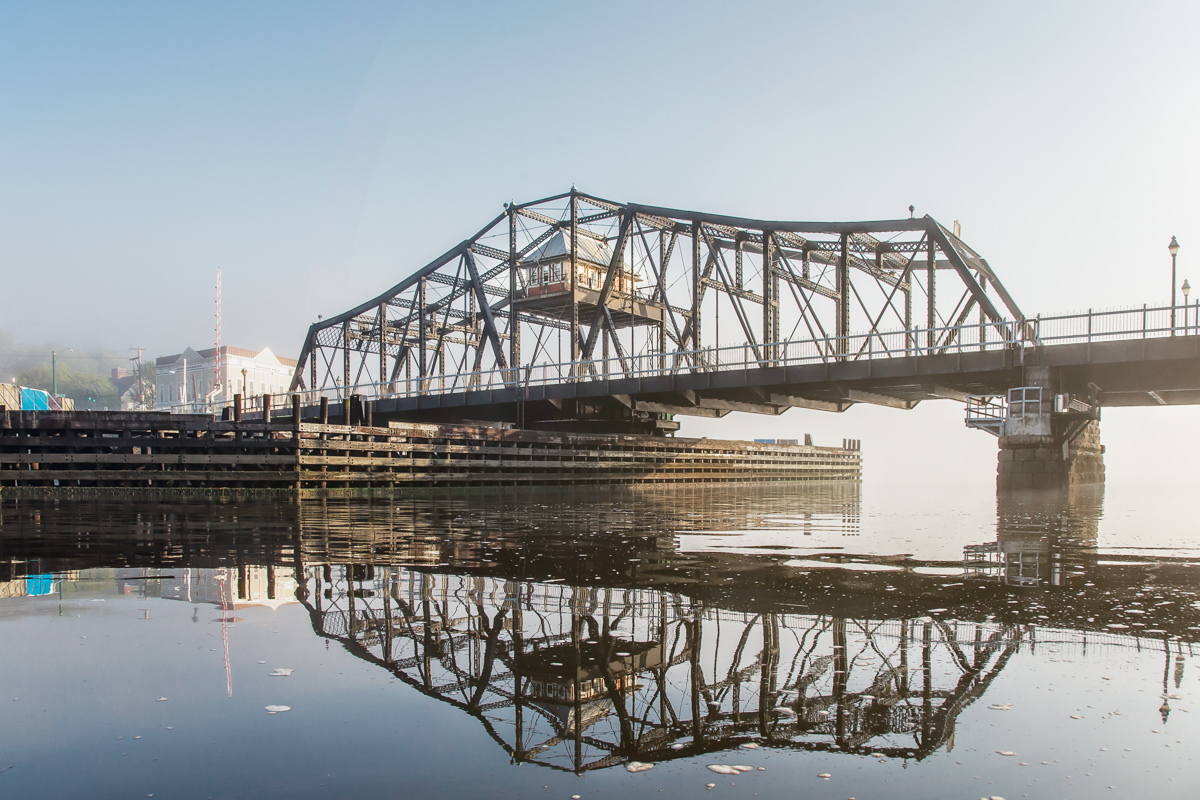
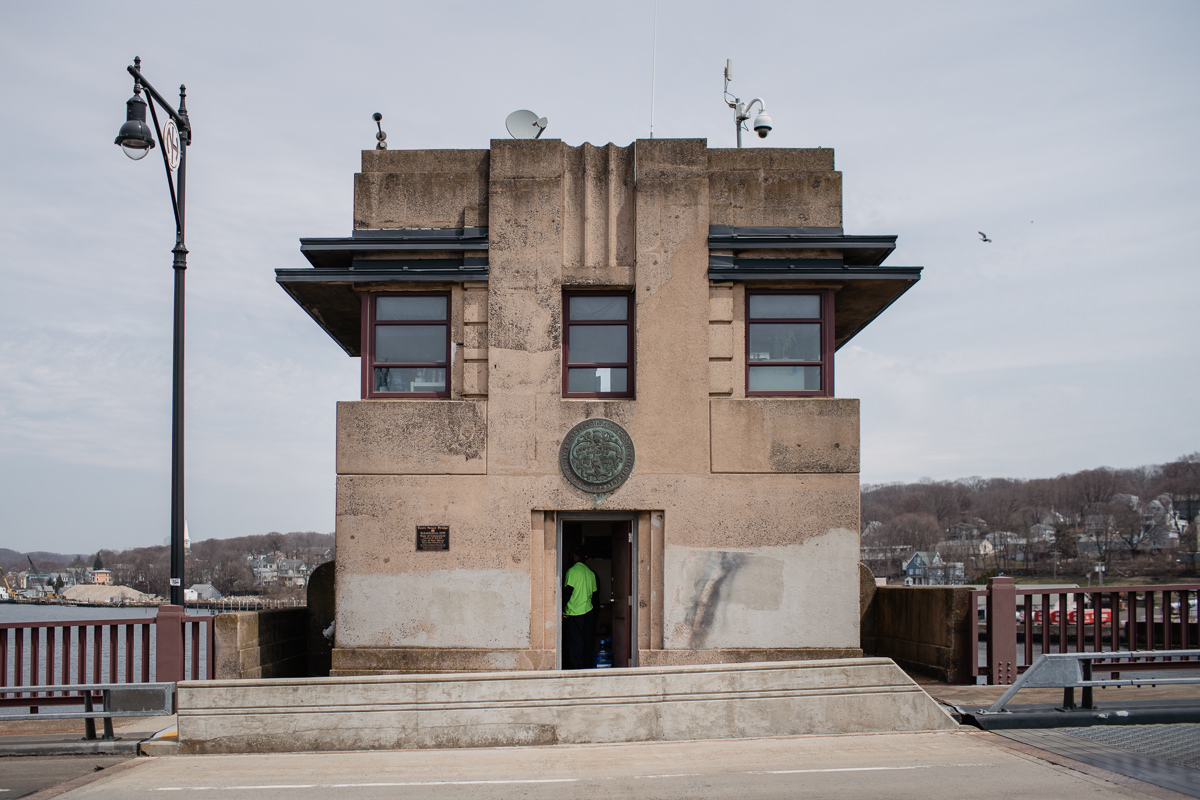
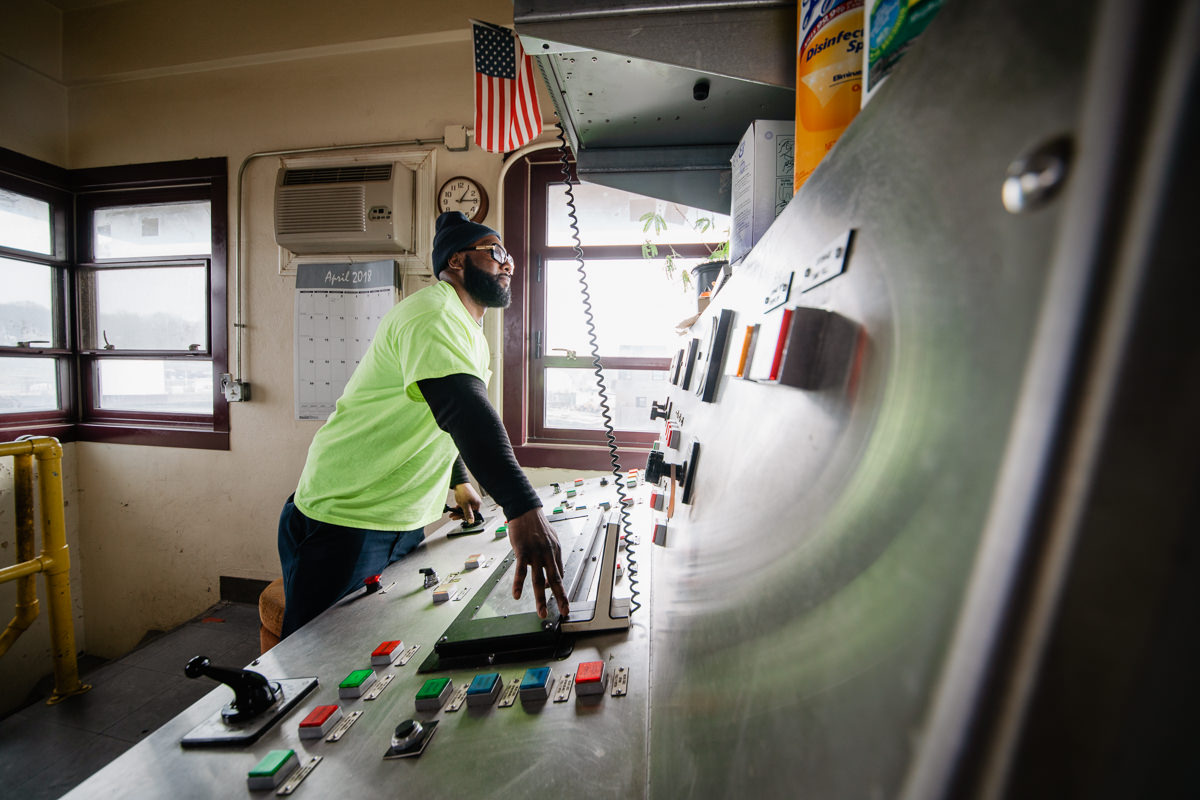
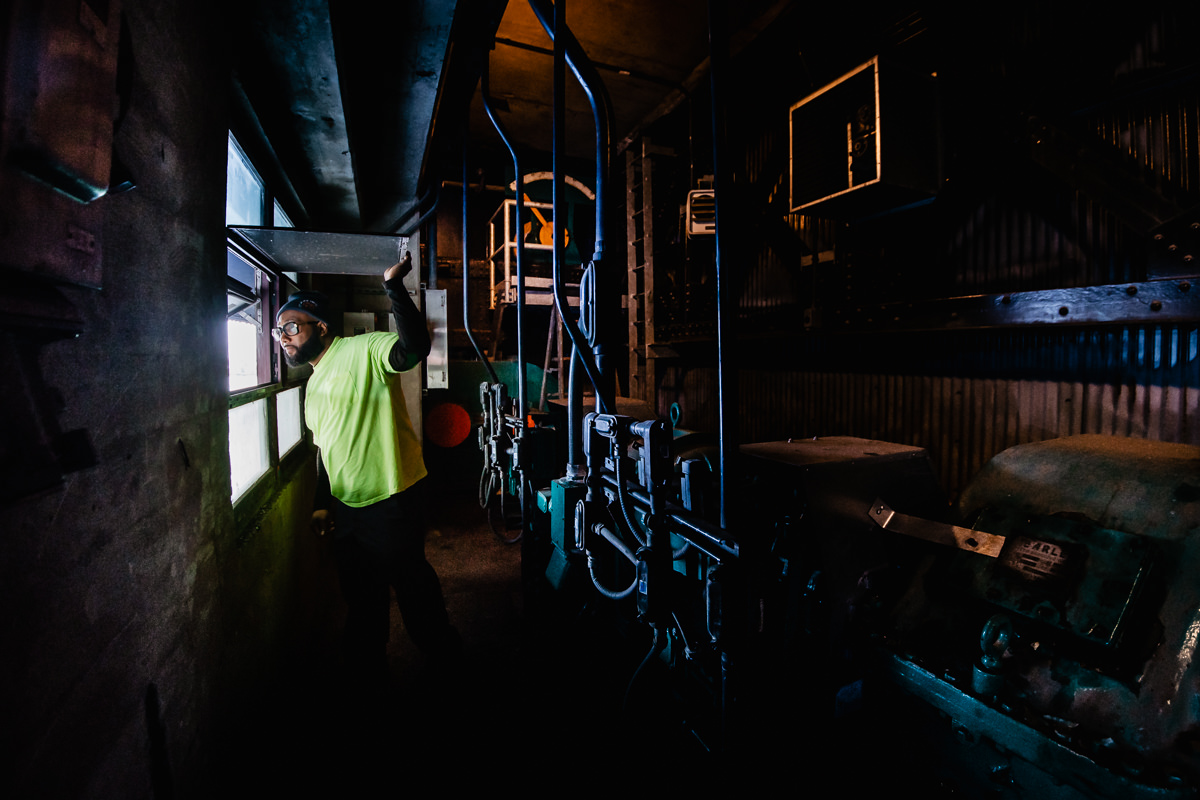
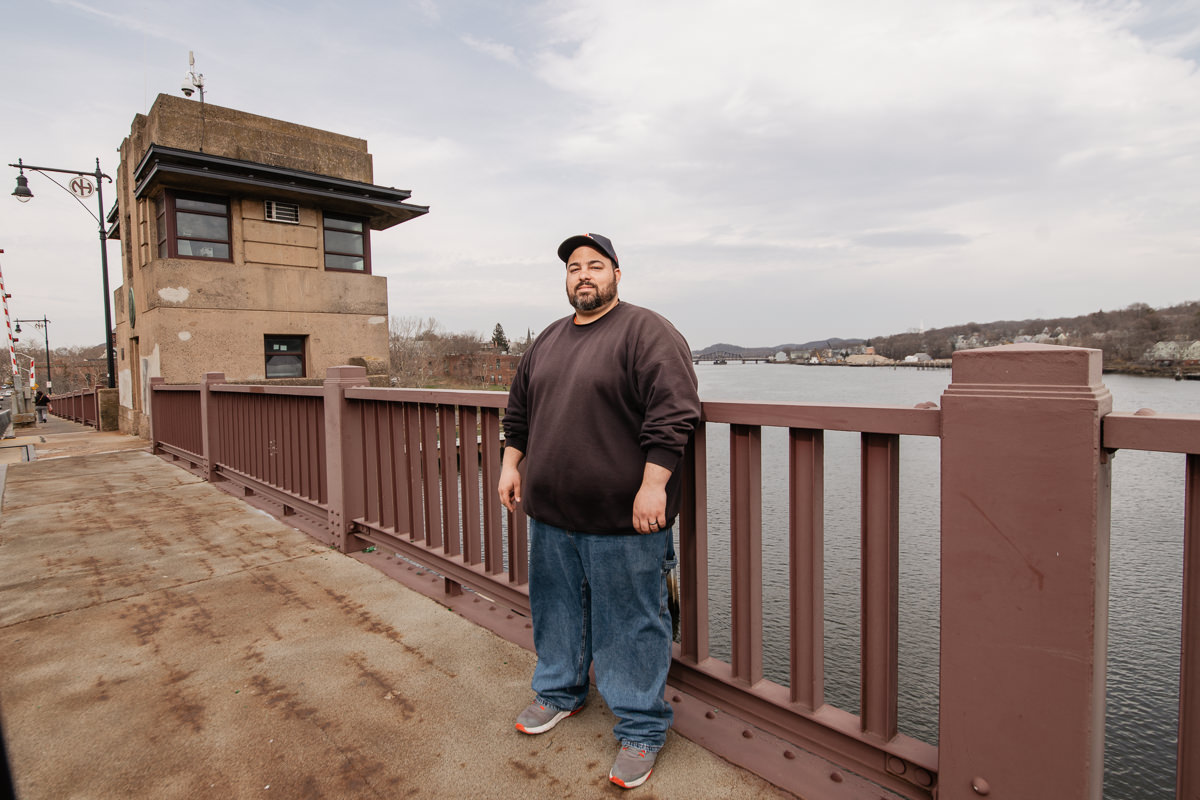
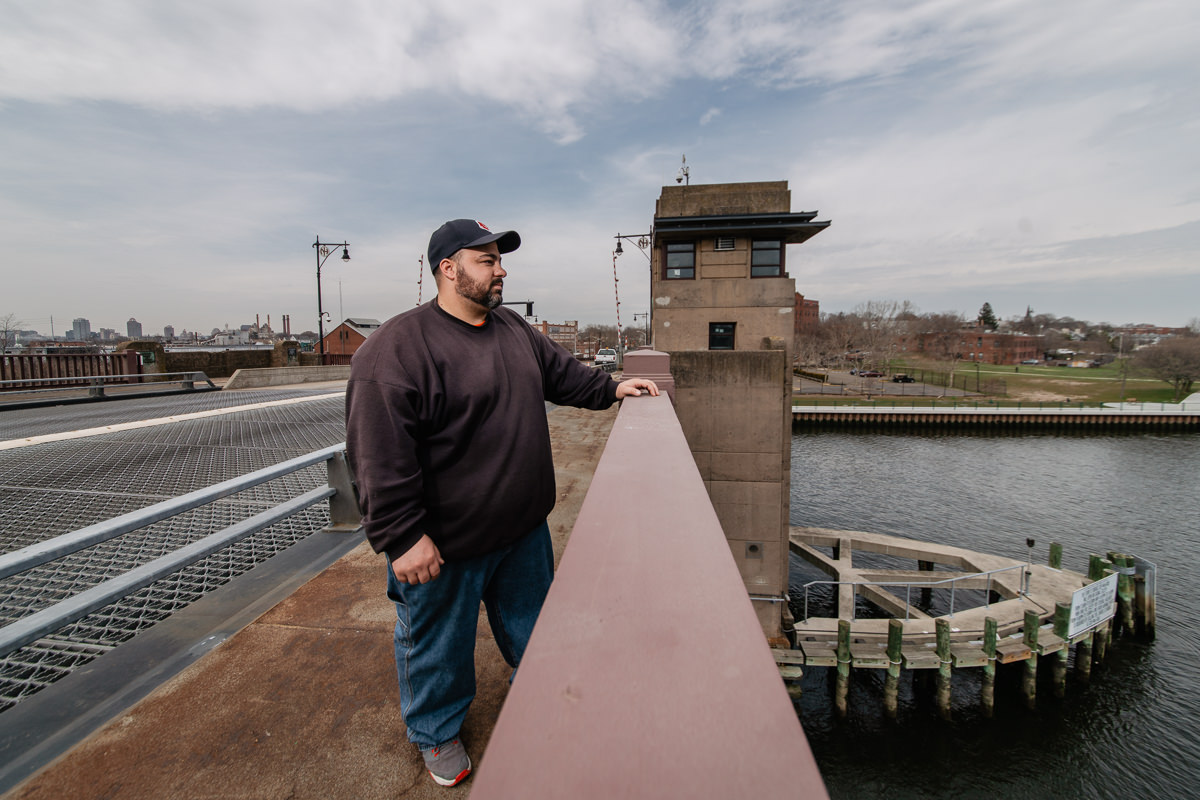
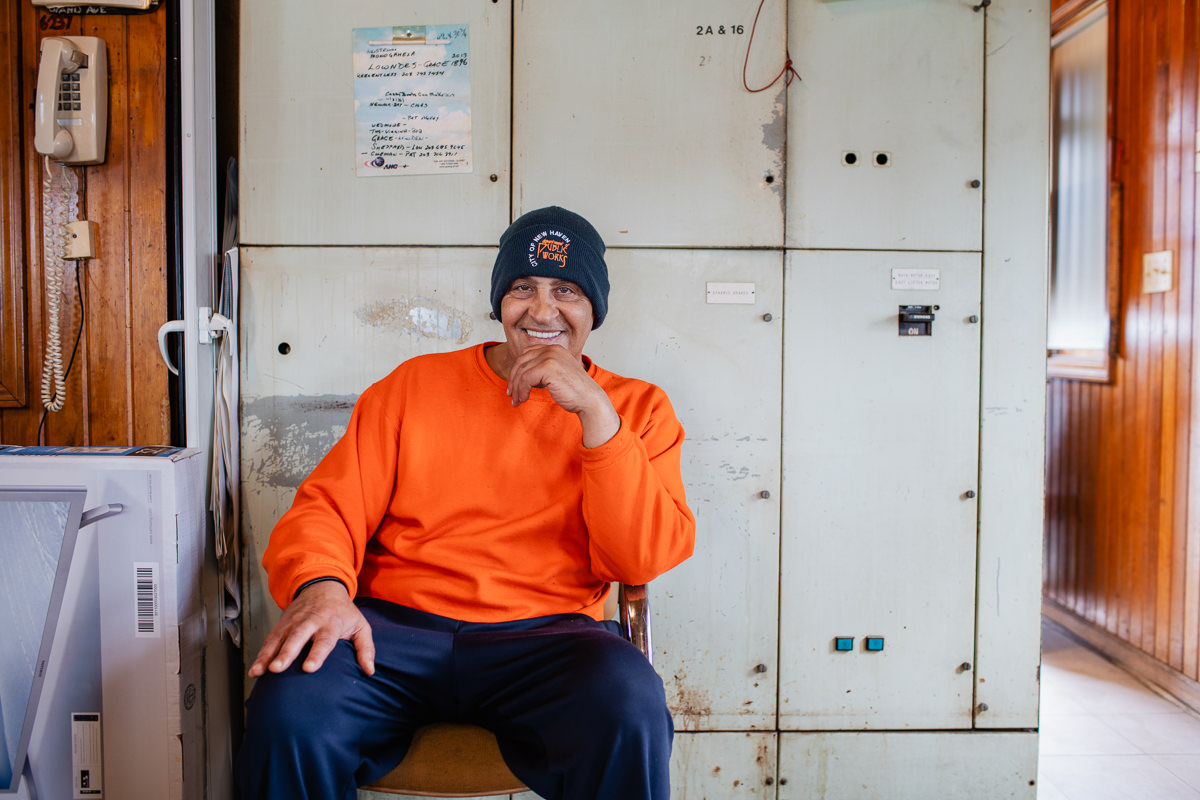
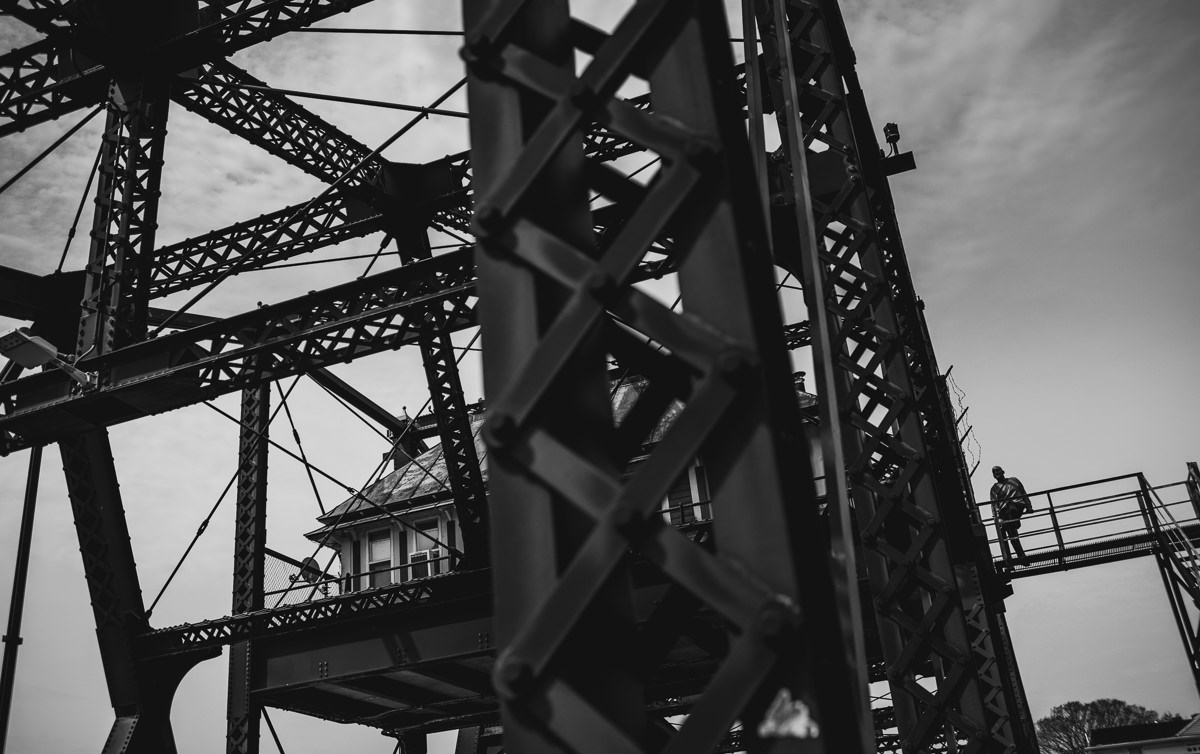
“Everybody wonders who lives in the house,” said Mike Dorsey, one of New Haven’s ten bridge tenders who keep New Haven’s moveable bridges moving. While not a residence per say, the curious orange building perched in the through-truss of the Grand Avenue Bridge serves as a home away from home for the bridge tenders on duty. Similar control houses are located on the Chapel Street and Ferry Street bridges.

But what’s life like for the ones who keep watch above the rivers?

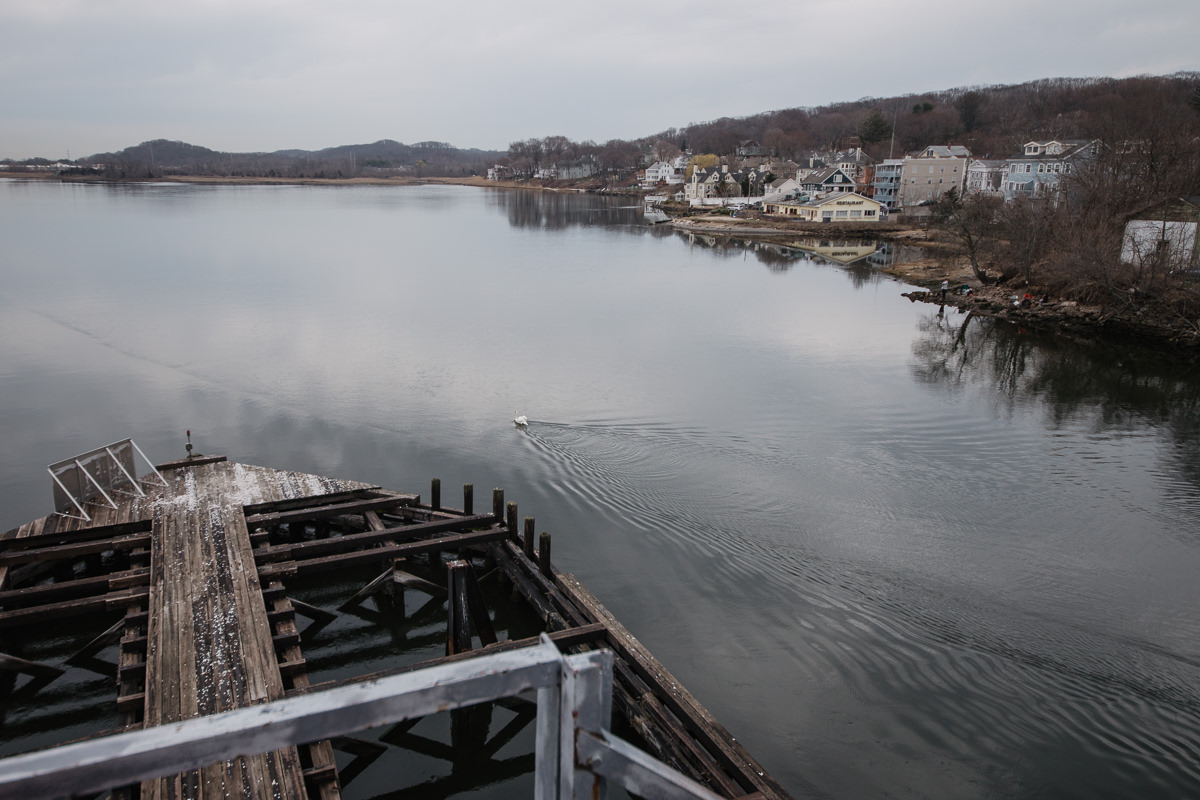
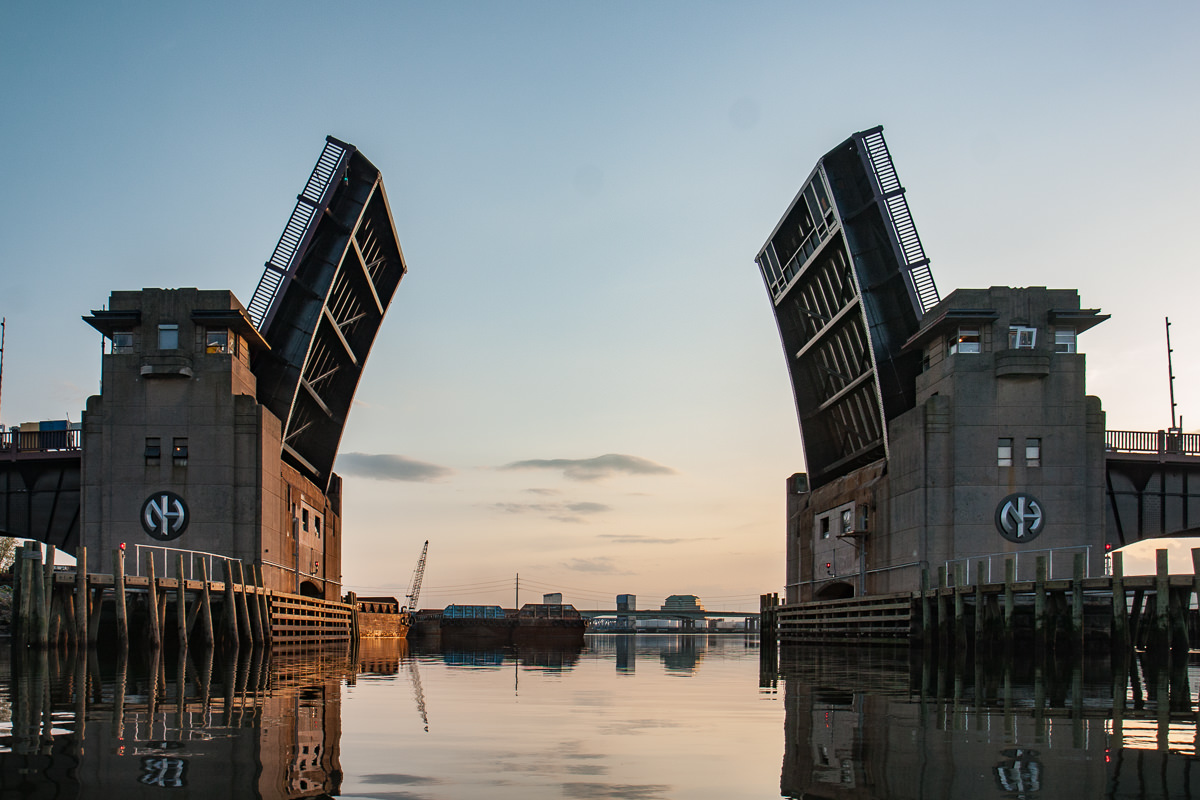
“It never closes,” Mike explains. 7 days a week. 24 hours a day. 365 days a year a bridge tender is available to ensure that boats can pass to and from the harbor and the Quinnipiac and Mill Rivers. A division of New Haven’s public works, bridge tenders operate the city’s three movable bridges: the Chapel Street and Grand Avenue swing bridges which pivot at the center to open and the Ferry Street double-leaf bascule bridge which uses a counterweight for its upward swing. The Tomlinson Bridge on Route 1 represents another type of movable bridge, a vertical lift bridge, but being state-operated, it does not fall under city jurisdiction.

New Haven’s bridge tenders work all three city bridges in three shifts. Each bridge is staffed for the first two shifts: 5 am – 1 pm and 1 pm – 9 pm, with only the Chapel Street Bridge manned during the third shift, 9pm – 5 am. As such, third shift duties include leaving the Chapel Street post as needed to open the other two bridges for any late night boat traffic.

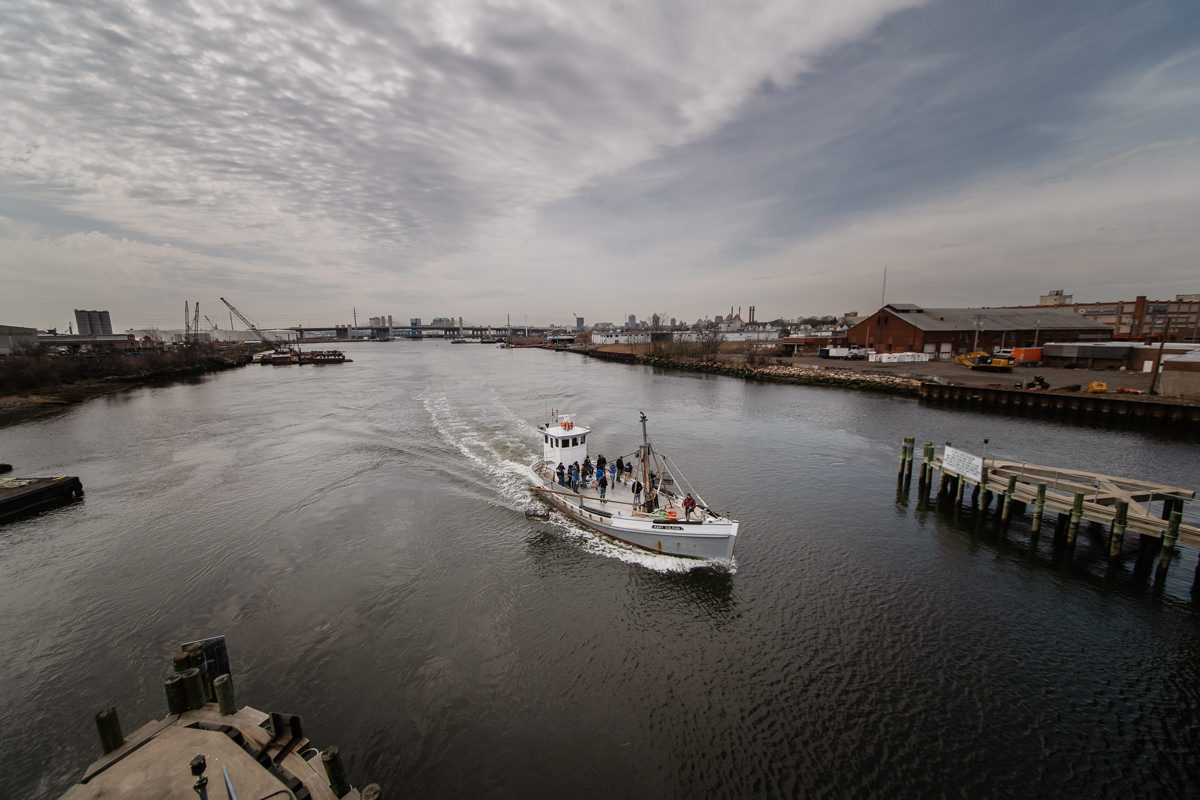
Moveable bridges play a critical role in preserving the character of the Fair Haven and Fair Haven heights community. Whether its tugboats, barges, oyster boats or personal fishing craft, to maintain a vibrant water-based community, the boats must get by. And when they do, the bridge tenders know them by name – both the boats and their operators. “We know everybody that comes through here,” said Mike. “We have a good relationship with all the boats”

While the vessels appreciate the bridge tenders, vehicles and pedestrians don’t always share the sentiment, especially when the bridge opens during peak traffic. But despite the inconvenience, the bridges form and function still inspire much public appreciation. The Ferry Street and Grand Avenue bridges in particular, both built as replicas of the original bridges 1920 and 1900 bridges respectively, add scenic beauty and are key features in the Quinnipiac River Historic district.

Anthony Lesko, one of the city’s newest bridge tenders, has a long family history in the Quinnipiac community. “I grew up in the neighborhood,” he said, explaining that his family has lived in the same house on Hemmingway for generations. “My grandfather told me stories that they used to ride the bridge…and now I get to open them.” Of course, Anthony’s job includes preventing others from following in his grandfather’s bridge-riding footsteps.

Still new to his role, Anthony receives lots of questions when people learn of his occupation, some of the most common being, “How do you know when to open the bridge?” and, “Is it difficult?”

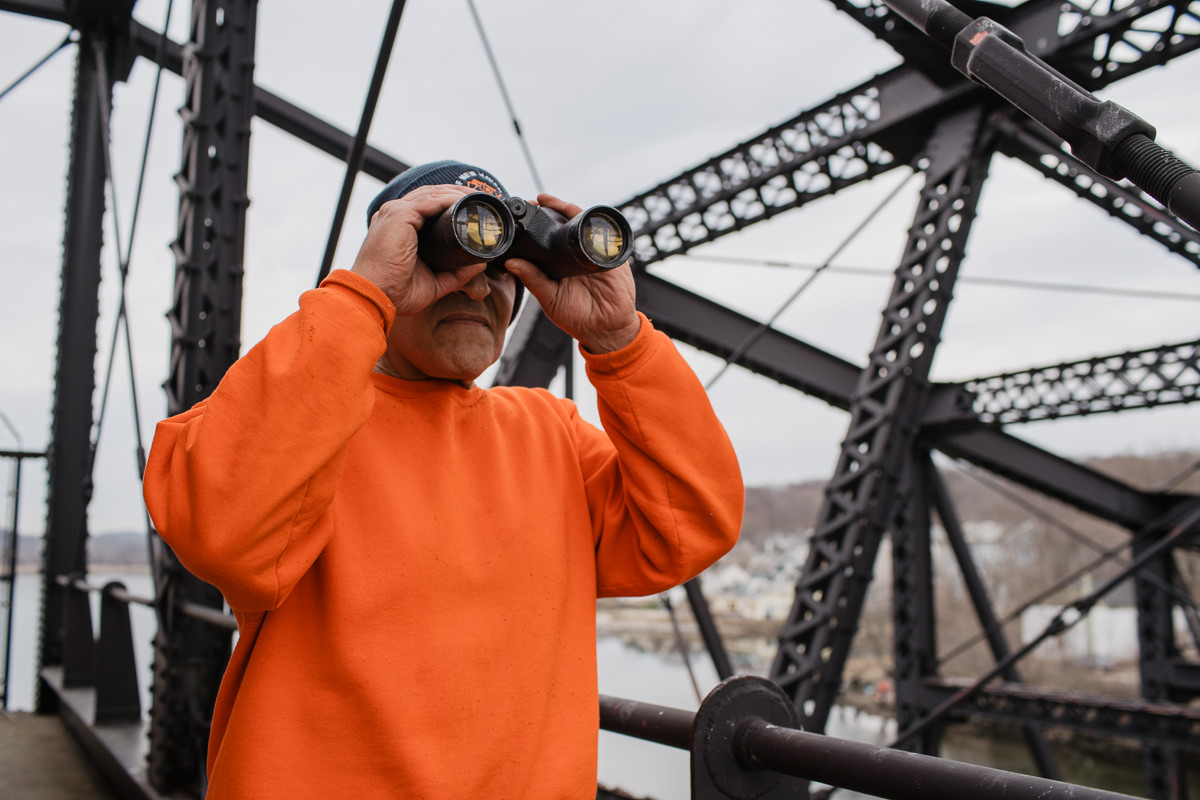
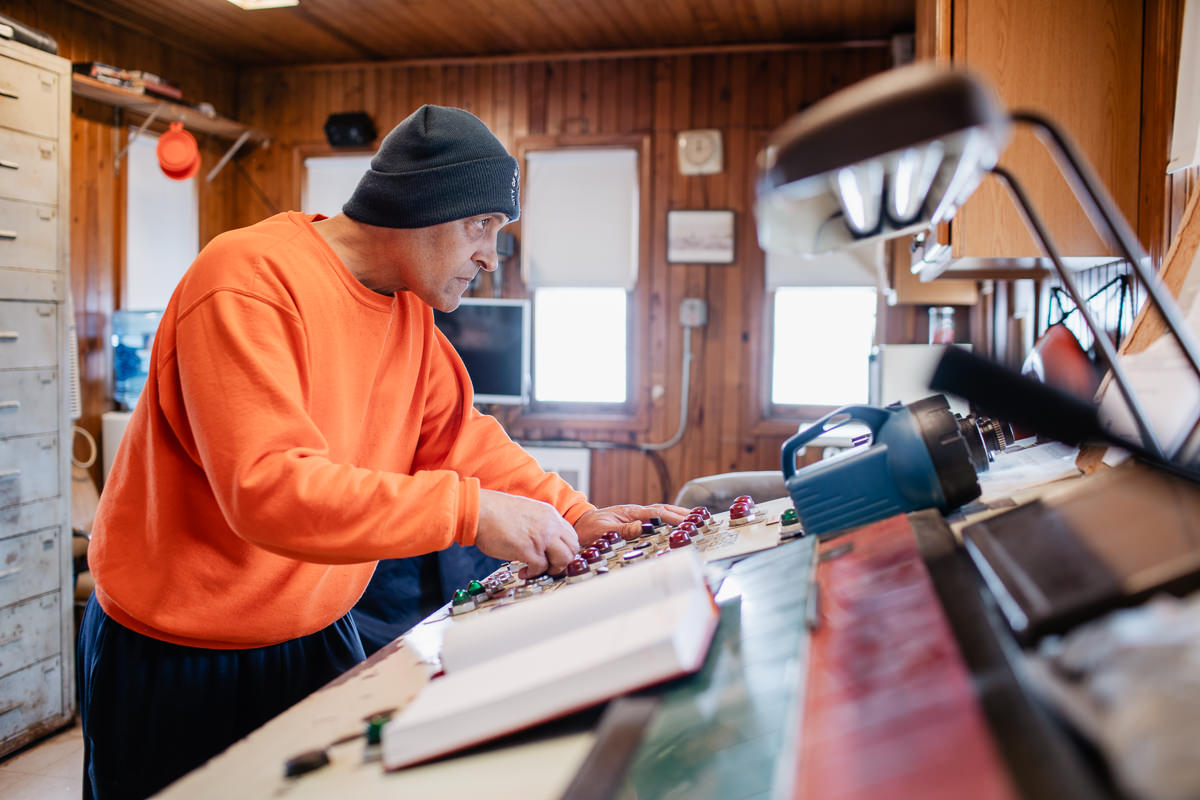
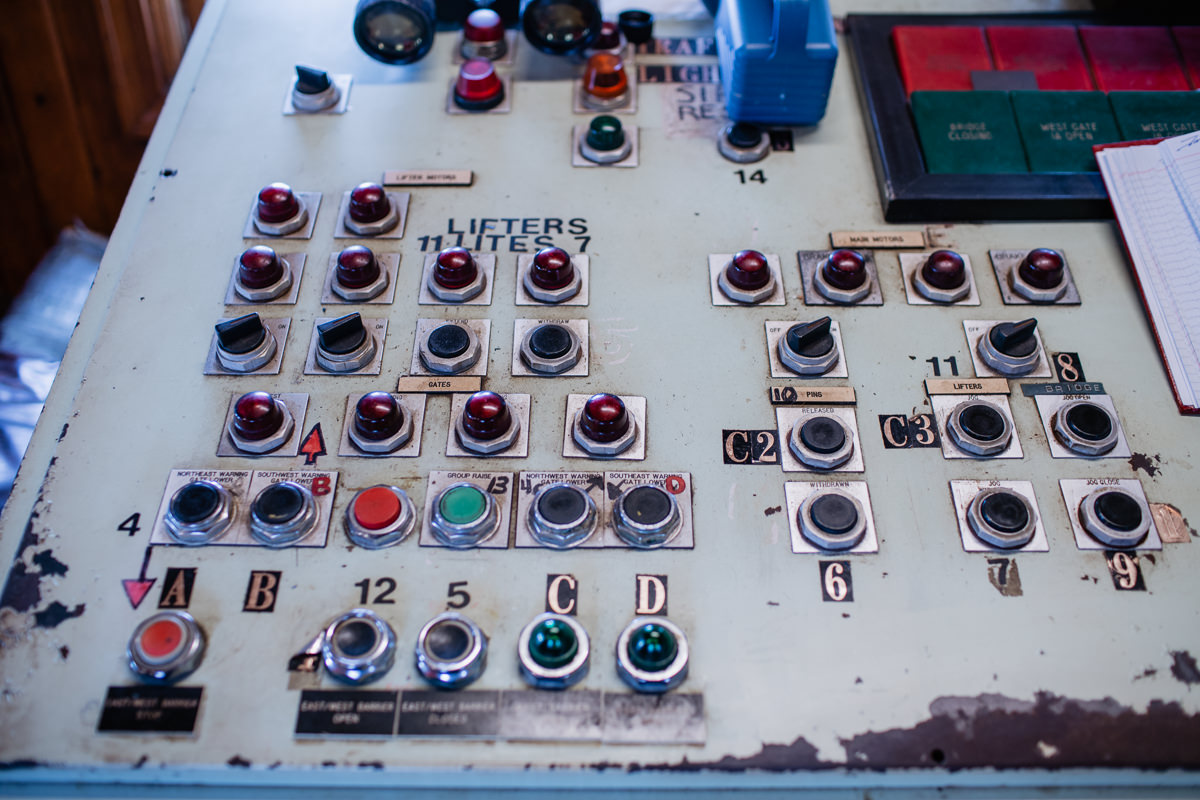
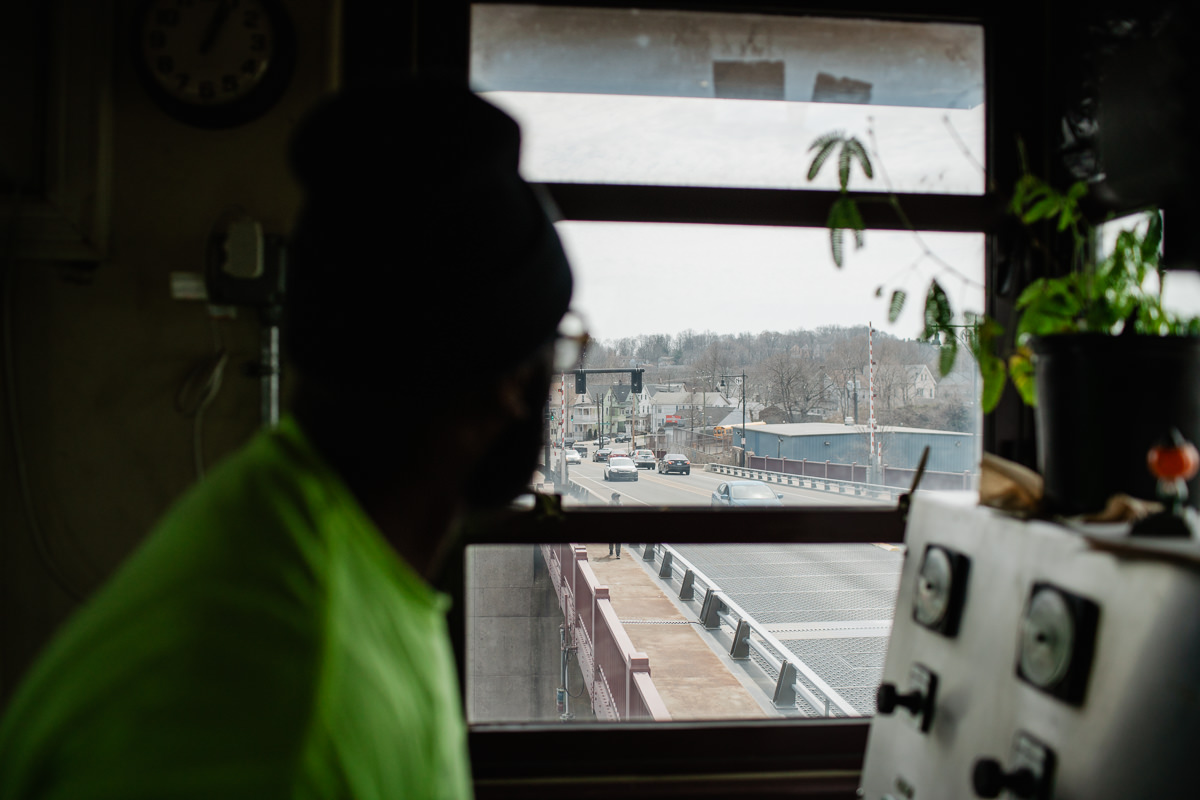
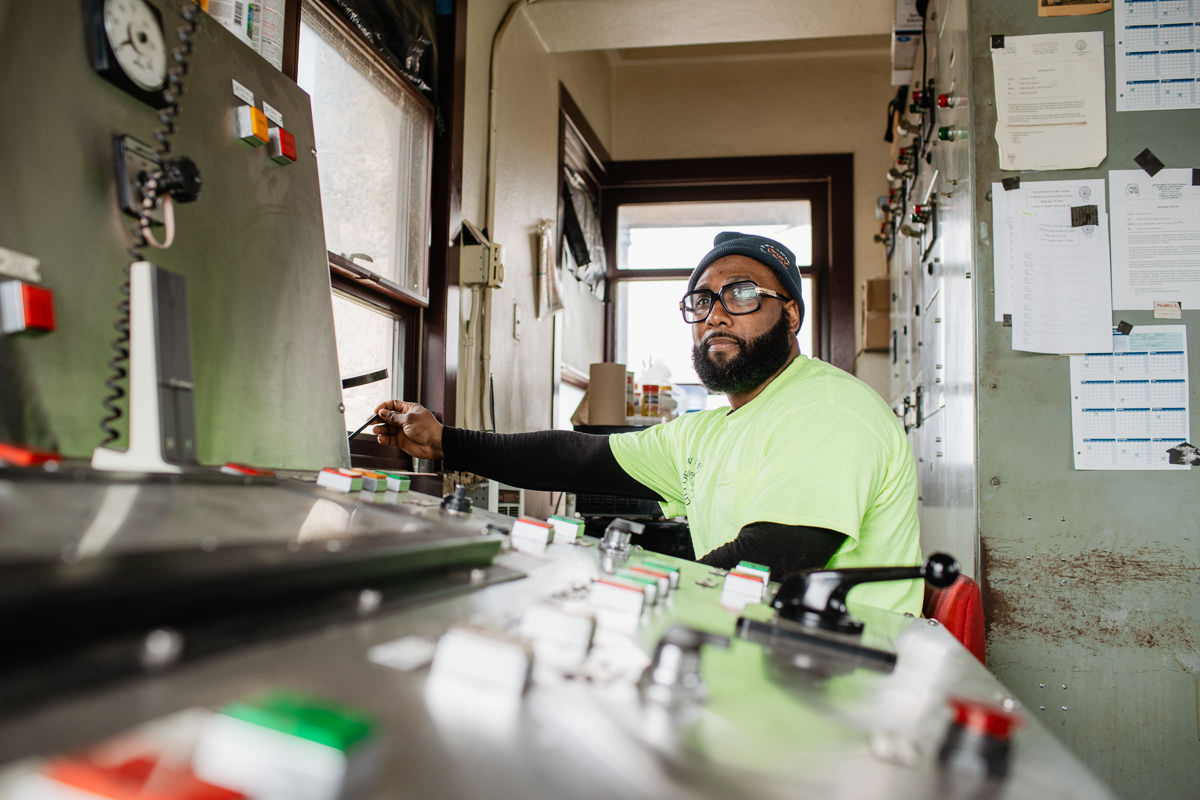
Requests to open the bridge come by phone call (with the phone number posted on signs located on the pier of each bridge) or, more commonly, by radio. When a request comes in, the bridge tender first calls fire communications to inform them of the opening so that emergency response can be diverted to a different route. The tender then enacts a visual check to make sure the bridge is clear. Depending on the bridge, the opening itself requires a series of 9 – 12 buttons or levers. Once the boat passes through and confirms it’s cleared the bridge, the bridge tenders close the bridge and lift the gates. A final call to fire communications announcing traffic completes the process.

In addition to ensuring that the bridges open and close properly, designated bridge tenders provide routine maintenance, which includes cleaning and lubricating the wedges and the fittings (or the expansion-bearing assemblies) and cleaning debris from the bridge drainage system. Sometimes the bridge tenders encounter some unexpected “duties,” such as calling animal control for a stray dog in danger of slipping through the bridge fence or chasing away the intrepid raccoons that climb the trusses, explains Bob Bombace, who may be more keen to notice the four-legged intruders considering his previous position as an animal control officer.

Some seasons also bring unexpected sights — such as a sweltering summer day when the fire department had to hose down the overheating metal trusses of the Grand Avenue Bridge or Christmas of 2017 when Santa Clause traded sleigh for boat and sailed into the Marina — but overall most days are rather routine. Daily bridge openings range from four on a slow day on the Grand Avenue Bridge to upward of ten on a busy day for the Chapel Street Bridge. Since each opening takes approximately 10 – 15 minutes, the bridge tenders have a lot of downtime. When not pushing levers or logging the openings, they occupy their time working on laptops, reading, playing guitar, or simply contemplating. “It’s a thinking job,” Mike says, who, with four years on the job, has observed and contemplated many of the ins and outs of the bridge operations. It takes 12 seconds for the traffic gates to come down, Mike has counted, and when there are four bars visible on the Ferry Street Bridge pier, the Mary Colman oyster boat can pass under the bridge without it opening.

For Anthony, the currents are the most captivating observation. “If you’ve never experienced the power of the river, walk across one of the bridges at the tide change,” says Anthony. “Sometimes you can actually hear the current from up here inside the house.” For the bridge tenders, keeping a keen ear and eye on the currents and other environmental factors, such as snow, ice and wind come with the territory. They adjust the swing bridge openings based on the water velocity and during heavy snowfalls won’t open the bridge due to the excess weight.

At every opening, regardless of the weather, the tenders must stay alert. We listen while the bridge opens for certain noises that might indicate a problem, explains Bob. “Each of the bridges has its idiosyncrasies,” he adds.

Bob’s been working the bridges for eight years now and, while he admits he grows accustomed to the views, he still harbors a great appreciation for his office. “It’s a nice situation to work in, to be by the water.”

Photos by Ian Christmann


Once Upon a Time

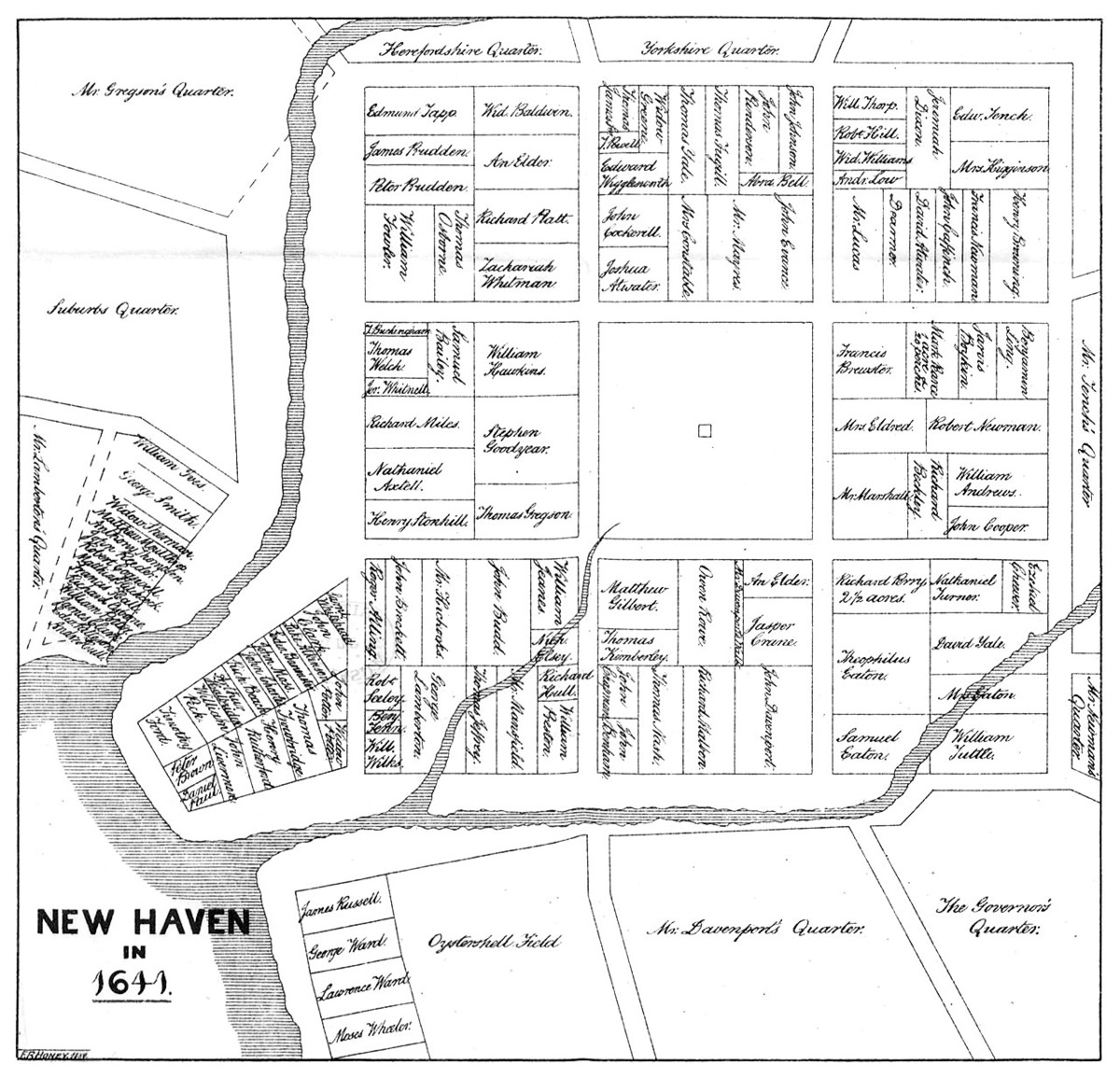
Once upon a time there was a city that loved the water. And the water made her great.New Haven’s waters (a protected harbor with three tributary rivers) drew settlers to her side. A village formed. In 1638, early colonists established a nine-square central block by the ocean’s edge. The town “stood by the harbor [and was] placed as close to the water as ground would allow and wedged into angles of the two creeks, thus maximizing water frontage.”(Elizabeth Mills Brown, New Haven: A Guide to Architecture and Urban Design)

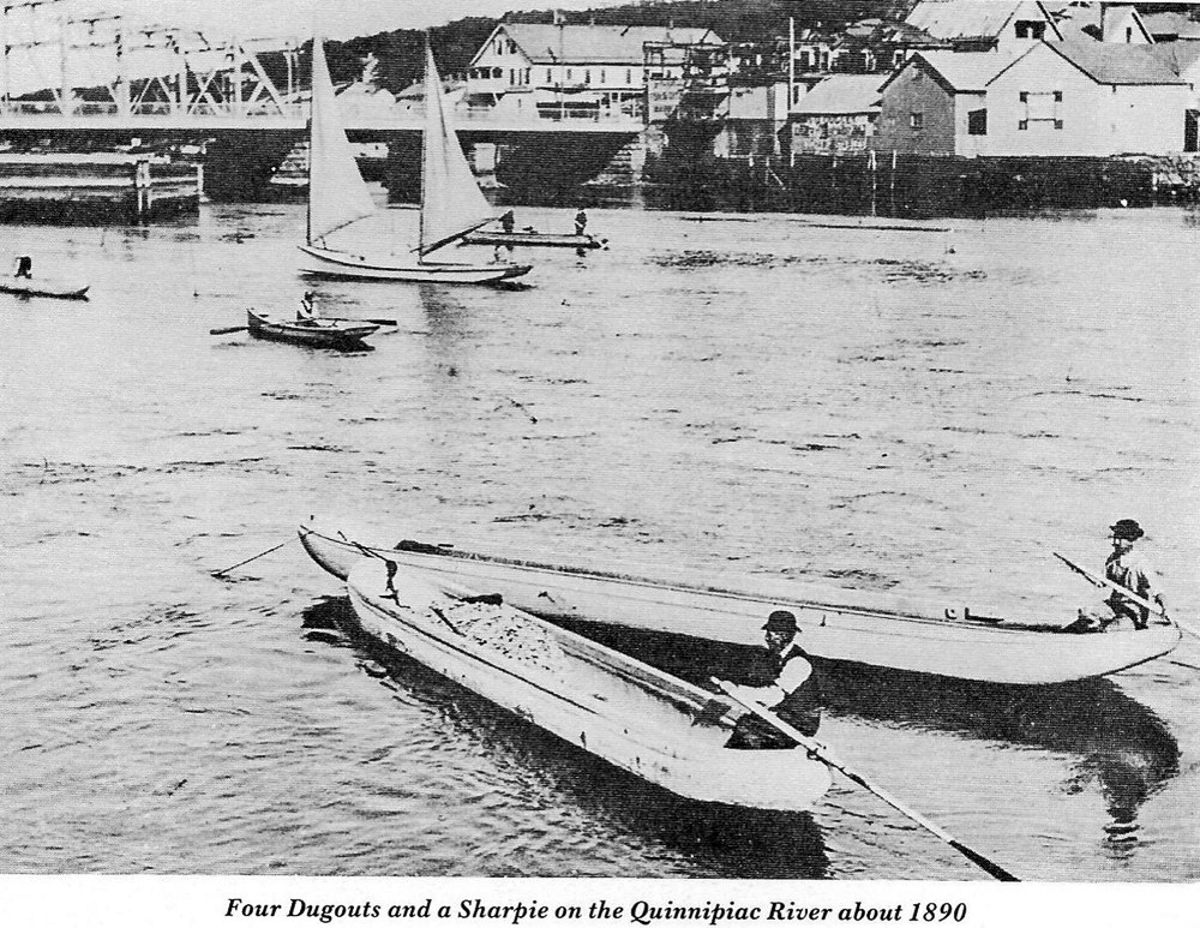
As the years progressed, New Haven’s sea-side identity developed: ocean-borne trade boomed, a world-class oyster industry developed, ship-building and watch houses dotted the banks, the harbor bustled with sloops, schooners, steamboats and sharpies: a long narrow flat-bottomed fishing boat claimed to have been built in Fair Haven in the mid 1800s.

Though maritime industries flourished, the shallowness of the bay frustrated sea commerce. In response, creeks and tidal flats were filled-in, and wharves lined with warehouses, taverns and shops extended into deeper waters. The longest — aptly named Long Wharf — stretched from the junction of Union and Water Streets into the harbor. In the 1820’s it reached a final length of ¾ mile, making it the largest in the country at the time.

New Haven’s love affair with its water did not depend on industry alone. Throughout the late 1800s water-based recreation became increasingly popular in New Haven, and, by 1900, recreation was considered one of the most important uses of the harbor. Steamboat excursions to New York became common, waterside hotels were constructed, and New Haven’s coastline boasted acres of parks and beaches for bathing and picnicking, including: City Point’s Bay View Park, a shady marine park of more than 23 acres; 30 acres on the eastern shore of the harbor encompassing historic Fort Nathan Hale and the Palisades, known for having some of the “best sandy bathing beaches;“ and, Waterside Park, which provided the city’s easiest access to the coastline recreation, offering 17.5 acres of parkland created after the harbor’s mudflats were filled-in.

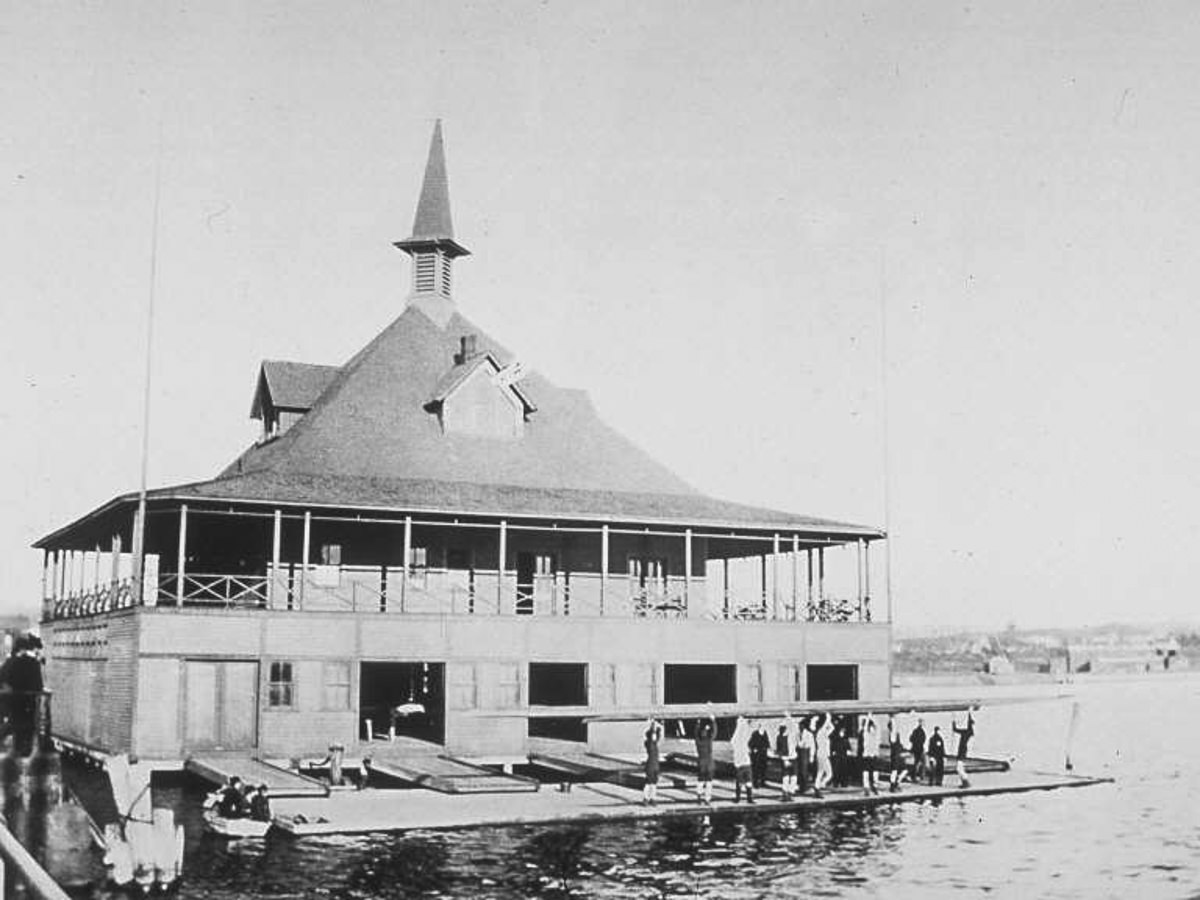
Rowing became a popular pastime after a Yale junior brought a second-hand, four-oared Whitehall boat named Pioneer to New Haven in 1843. Within weeks, other students purchased similar craft and by the year’s end, the first American college rowing clubs had formed at Yale — their main function to facilitate informal skill races and pleasure cruises to coastal spots. A decade later, the hobby had grown to a serious collegiate pastime. In 1853, Yale officially organized its “Navy” for racing and began hosting the “Annual Yale Commencement Regatta” in the harbor. Soon after, Yale constructed its first boathouse — a rough structure on the Mill River above the Grand Street Bridge. However, given its location above the high tide mark, the boats had to be hand carried down the banks, which, at low tide, became a notoriously messy and muddy affair. In 1862, Yale secured the funds to construct a much-needed new facility, one that they heralded as the best boathouse in the country. Yet this structure soon revealed its own deficiencies. Built directly over the water, the house required that crew lower the boats through trap doors, climb down ladders, walk the keelson to their seats and then push clear of the piles before inserting oars into the oarlocks — an inconvenient system that brought its share of misadventures.

In 1875, Yale built its final, and best, Mill River boathouse, located at the east end of the bridge crossing Chapel Street. With ample space, storage for 100 boats, and broad floats allowing for easy launching, the wooden building served the college successfully for decades, until saltwater and weather took their toll. “In February 1909, The New York Times reported that Yale’s first practice had been canceled when many floor beams in the existing boathouse were found broken.” (New York Times, Christopher Gray, Boathouse Built for the Bulldogs Is Soon to Bow Out, February 19, 2006)

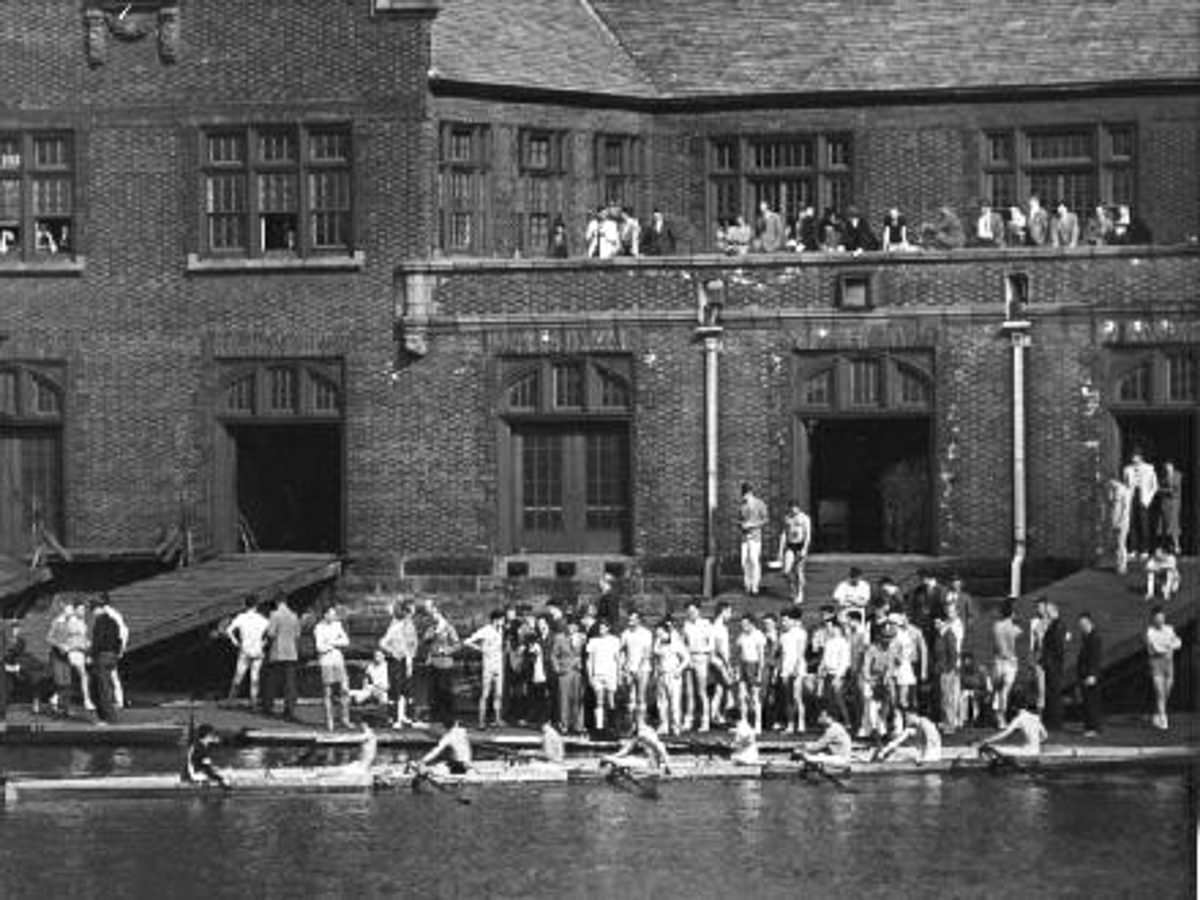
Fortunately, fundraising had already begun for a new boathouse at the mouth of the Quinnipiac — an elaborate masonry building designed by the firm of Peabody & Stearns, costing $100,000 in total, and named after George Augustus Adee, a devoted oarsman from Yale’s class of 1867. The college began using the new facility in 1911, but Adee’s boathouse days were short lived. After only five years, the growing busy-ness of the harbor prompted Yale to move its varsity teams to the Housatonic River. The rest of Yale’s rowing teams soon followed.

Yale sold the building in the 1950s and it was used mainly as office space until its demise in 2007 as part of the Pearl Harbor Memorial Bridge project. Demolition of the Adee boathouse was an architectural loss for the City, but when it comes to New Haven’s water-based identity, a much greater loss occurred decades earlier, with the construction of the original Q Bridge and Connecticut Turnpike. To accommodate the highway, hundreds of acres of the harbor were filled, distancing downtown from the water. And the interstate’s location itself — running alongside the newly created shore — further severed the City’s connection to its coastline.

While it’s not possible to turn back time and remove these physical barriers, today, a new project in the Long Wharf area hopes to turn the tide on this separation and rekindle the bygone romance of city and sea.

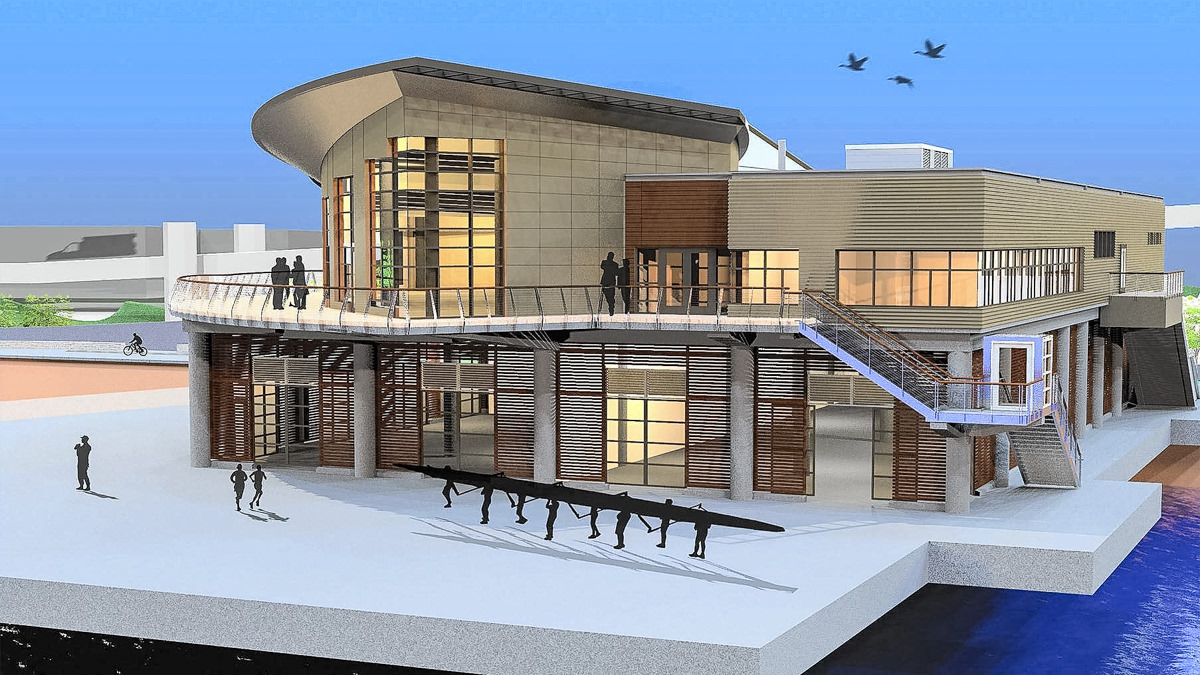
Currently under construction, the Canal Dock Boathouse will open “New Haven’s waterfront for adventure, discovery and growth” by creating a community-based boathouse with access, activities and programs around the water.

Owned by the City, the boathouse will be operated by Canal Dock Boathouse, Inc, (CDBi) a nonprofit established in 2013 by several members of the New Haven community recruited by the City Plan Department with a mission to increase education and awareness of Long Island Sound and improve public access to water.

The new boathouse will provide ample space and amenities to make this mission a reality. The 30,000 square foot facility sits atop a 1.12-acre platform and features a waterfront promenade, boat storage bays, handicap accessible ramps for canoe and kayak launching. Activities hoped for include: kayak and paddle board rentals and lessons, a dragon boat club, rowing and sailing, an indoor rowing studio, free programs for public school students, event spaces, and interpretive displays about New Haven’s harbor history and environment.

The boathouse’s name honors its historical location: the former Canal Dock where the Farmington Canal (and later the rail line that replaced it) met the harbor. The building itself also pays homage to a New Haven harbor legacy, that of Yale’s boathouses of old — specifically the Adee — from which architectural elements, including terra cotta finials, bulldog gargoyles and large frame from its entry portal, were salvaged are incorporated by architect Rick Wies into the building’s prominently modern design.

The $41 million project included federal funding to mitigate the impact of the Interstate 95 expansion project, which razed the Adee Boathouse. To weather the inevitable super storm, the boathouse required special architectural and engineering considerations including steel pilings driven 100-plus feet into the ground and, in the case of a hurricane, breakaway walls on the first floor.

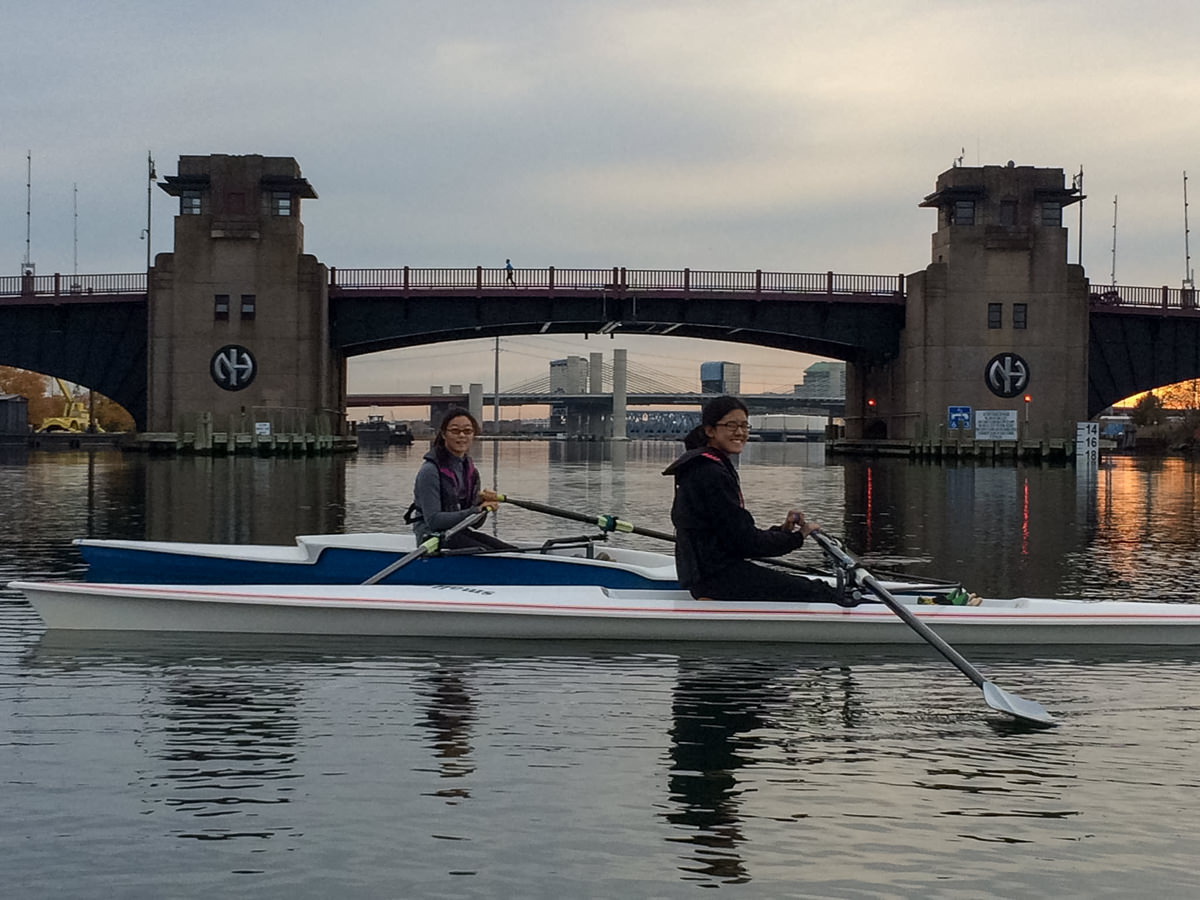
The project broke ground in September 2013 and is expected to be complete late in 2017, with on-water programs beginning in 2018. In the interim, CDBi — ready to get its oars wet — launched indoor rowing programs at the Metropolitan Business Academy and James Hillhouse High School and outdoor rowing programs at the Quinnipiac River Marina, including an immersive “Intro to Rowing” summer camp for youth in 7th – 11th grade.

“Having Canal Dock here for the last two years has been a real pleasure since it brings more people down to the water,” said Marina owner Lisa Fitch. “The affect is contagious! When you see rowers out there on the river it is just beautiful! The Q-River can accommodate a lot of different things…the river and the rowers are a nice match.”

While rowing has lead the way, kayaking, sailing and other water-related experiences are on the horizon; new access and new opportunities that give the Elm City a chance to begin a new chapter in its salty story…

Once upon a time there was a city that loved the sea…

Canal Dock Boathouse Inc received a Quinnipiac River Fund grant in 2017 to support start up staff to expand public access to rowing and other non-motorized watercraft, to grow participation in the annual dragon boat regatta, and to maintain a partnership with the University of New Haven, which will offer programs in environmental education to the general public.


Work. Eat. Play.

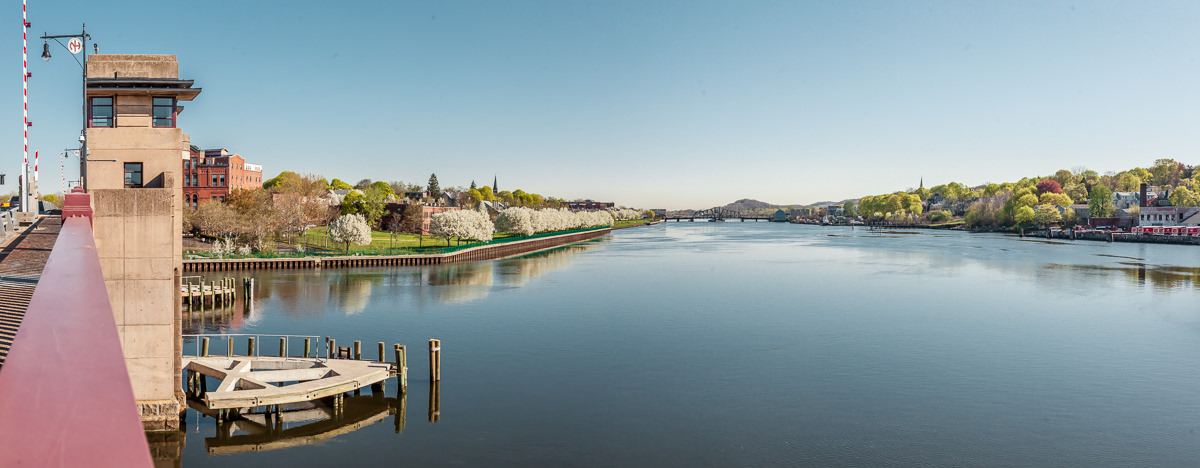
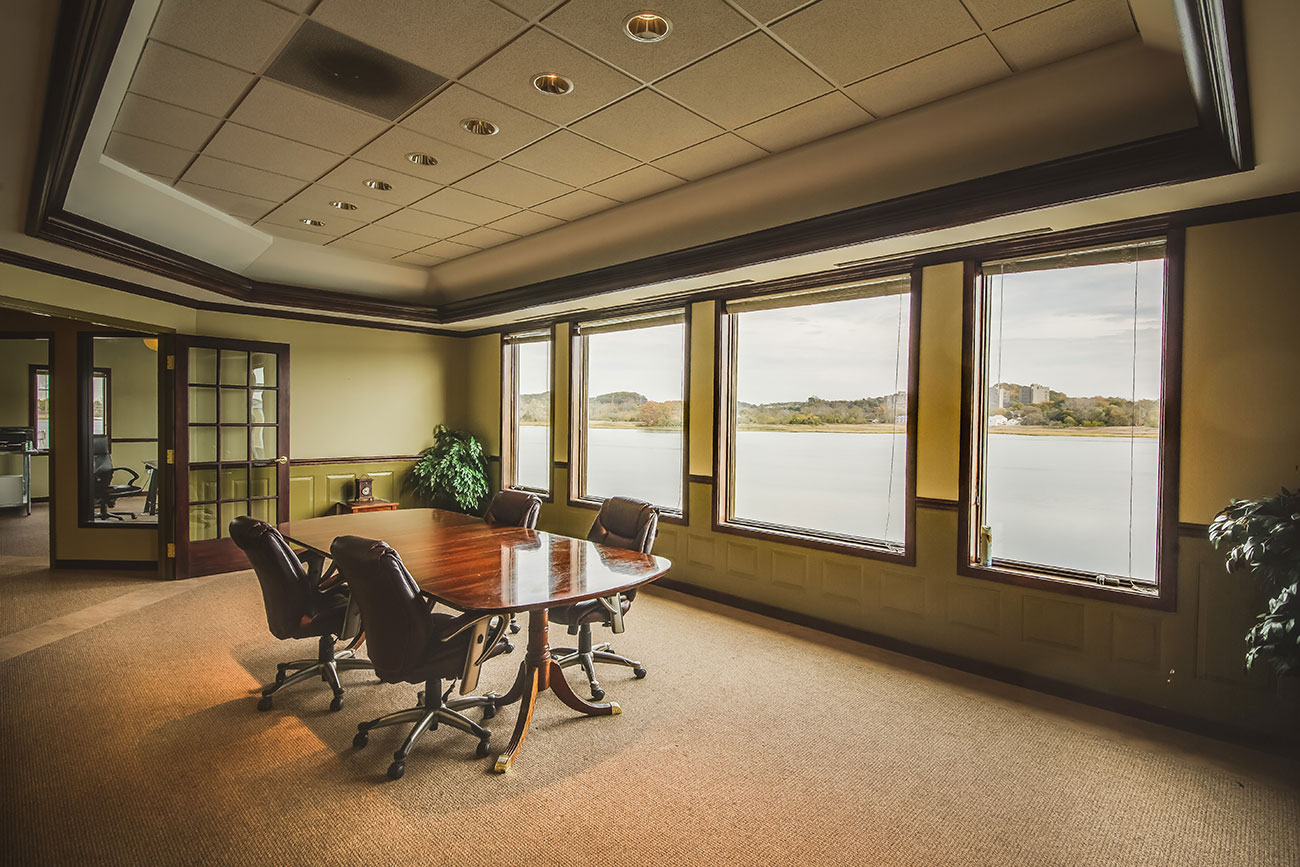
Whether you’re launching a kayak, meeting in the conference room, dining at the café, working in your private office or preparing your 28-foot proline for a cruise in the sound…at the Quinnipiac River Marina, it all comes with an amazing view. Overlooking the Quinnipiac Estuary and Fargeorge preserve, views from the Marina are gaze-worthy, no matter what the season. In the summer, the landscape is enlivened by the marina’s nearly 50 boats, including two tiny houseboats – one a private summer cottage, and the other being transformed into a floating boating store that will sell bait, ice, gas and boat-related merchandise, slated to open in May 2017.

In the winter, the view features migratory waterfowl that flock en masse to the brackish waters to use the marshes for nesting – among them American black ducks, mallards and gadwalls.

Much like the river itself, the marina – located at 309 Front Street – may not be well known, but has much to offer. Each May, the marina hosts Riverfest, a community celebration bringing together hundreds of neighbors and friends for food, live music, craft beer tasting, canoeing and kids activities. Throughout the year, the on-premise Anastasio’s Boat House Café provides a casual maritime-themed environment, a great menu and, on warmer days, open-air dining on the deck with a view that can’t be beat. Of course the marina’s main goal is to get people out on the water. With 2,000 linear square feet of dock space, the marina accommodates boats of all sizes and types, and allows boat repair. For those preferring smaller craft, the marina offers kayak and canoe storage, rentals, and even guided tours of the estuary and marsh.

A Fair Haven native, the Marina’s owner Lisa Fitch has always had an affinity for the Quinnipiac. She describes the community as a diamond in the rough, with the river at its center. Lisa’s investment on the riverfront began in 2000, when she and her husband purchased land on Front Street and constructed a 10,000 square foot water’s edge building to house their business, New Haven Partitions.

In 2007, Lisa bought the adjacent marina, and the joint properties have been evolving ever since. Fitch added a restaurant in 2009, followed by a historically styled, mixed-use building housing the marina office and a studio apartment.

In 2011, New Haven Partitions shut its door and the building remained mostly vacant until 2014, when Lisa decided to make the building’s 12 rooms available as home-offices away from home. She said the inspiration came when local photographer Ian Christmann inquired about renting studio space in the building.

“I wanted something I could walk or bike too,” Ian said, who lives about a half mile away on the other side of the river, “but I got so much more…an amazing space with great views…not to mention the proximity to food and coffee next door.” Ian also said he continues to appreciate the commute, which, in warmer weather, he does by kayak whenever he can.

Today Ian shares the building with a diverse group of other small businesses, including an art therapist, magazine editor, web coders, three attorneys and a political consultant. With a waterside locale, free parking, a kitchenette, and affordable prices, Lisa said the offices tend to fill-up quickly. “We’ve got a great group of people here, and we rarely have vacancies for very long.”

The building’s lower level – a larger space that used to be the shop for New Haven Partitions – now serves as a processing and distribution hub for GreenWave, an ocean-friendly movement that empowers sea farmers to create vertical gardens of seaweed and shellfish – providing sources of food and fuel while restoring the ocean and mitigating climate change.

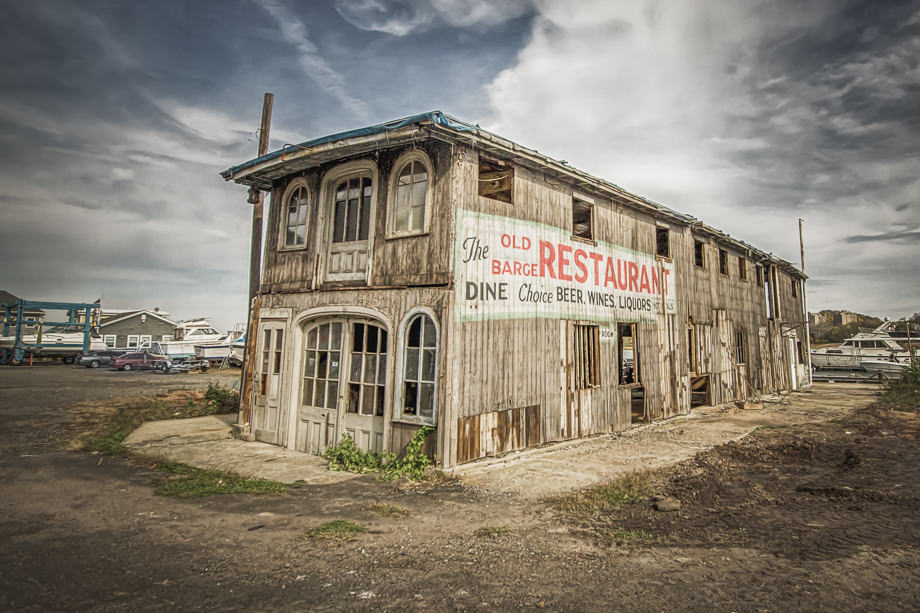
Pioneering the future of aquaculture, Greenwave is well positioned beside the Quinnipiac, a river whose ocean-farming history greatly shaped the surrounding community. In the early 1600s, the Quinnipiac’s rich oyster beds ­– harvested by the Algonquin tribe for centuries – brought European settlers to its shores. By the 1800s, Oyster operations became the community’s lifeblood, earning Fair Haven the nickname “Clamtown.” Over-harvesting and industrialization eventually took a drastic toll on the oyster industry, but the impact of the era remains evident in the architecture of the area. One of the most notable examples stood in the marina for decades: a charming, albeit derelict, oyster barge that, in the 1800s, operated in New York City as a floating oyster market.

Retired from the sea in 1921, the barge was landlocked on the Quinnipiac, where it served as a prohibition-era speakeasy, then later a restaurant and dive bar, until falling into disrepair in the 1980s. Despite its condition and pressure to tear it down, Lisa viewed the building as a place worthy of preservation. Its significance was confirmed by retired Mystic Seaport researcher John Kochiss who identified the barge as the last surviving example of its kind. Fitch knew the cost of renovation exceeded her budget, still she hoped to see this unique piece of history saved.

Its salvation came in the form of two brothers from New York City with a passion for old boats and oysters. In partnership with the not-for-profit Maritime Foundation, the Pincus Brothers run the Grand Banks, a 1942 schooner turned boutique-restaurant that promotes nautical preservation and conservation through onboard exhibitions and lecture series.

The Pincus Brothers hope to replicate this living museum/restaurant model with the Quinnipiac oyster barge, which they purchased from Fitch for $1, carefully dismantled and stored, with a plan, pending funding, to bring it back to the East River and renovate it to its former glory: as a hot spot for great oysters.

As for the Quinnipiac River Marina, Fitch has considered selling the property and remains unsure about her long-term plans. But one thing is for certain, whether you come to the Marina to work, eat, or play, the view that greets you might just make your day.

Photos by Ian Christmann
Oystering in Fair Haven

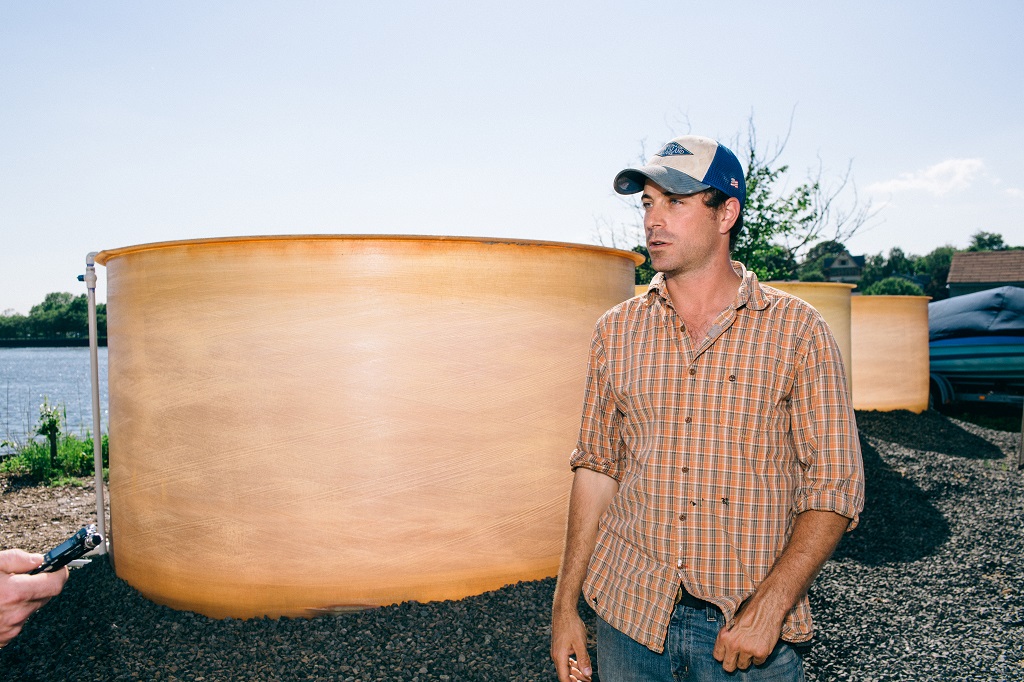
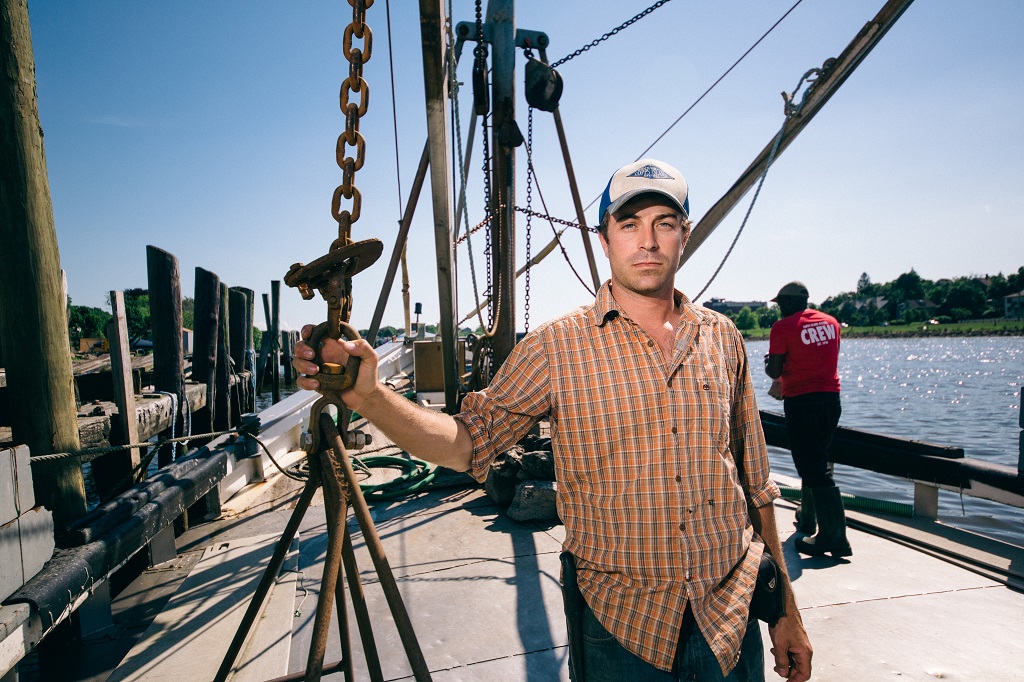
Jimmy and Norm Bloom are the largest commercial growers of wild oysters on Long Island Sound. They tend oyster beds nearly the entire length of the Connecticut coastline and into Rhode Island, harvesting and packaging their final product in Norwalk under the label, Copps Island.

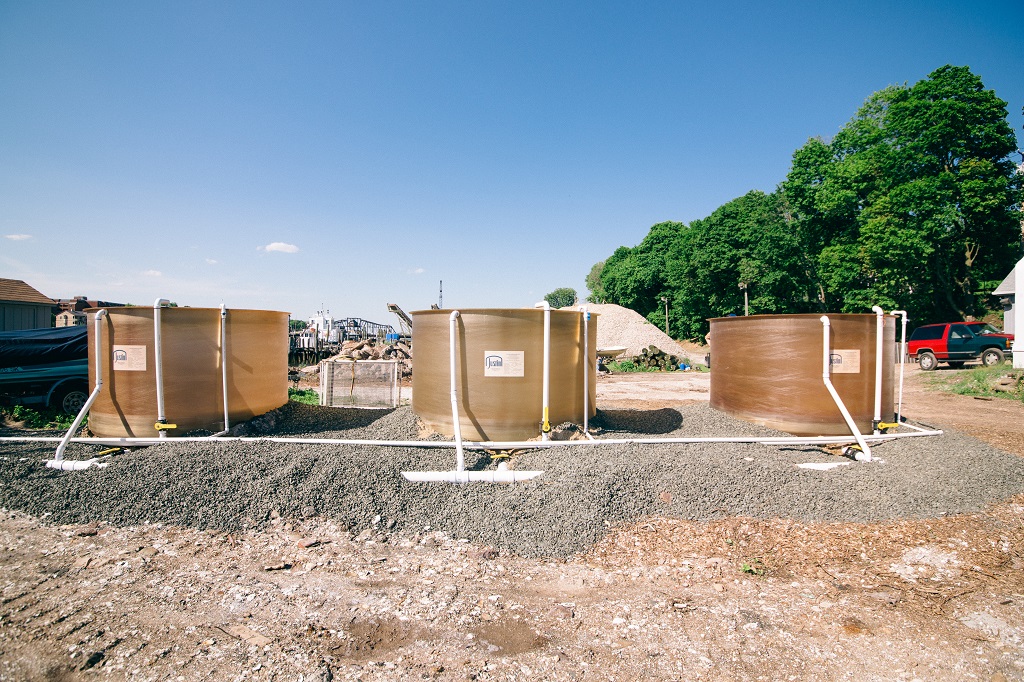
From their wharf in Fairhaven, a section of New Haven once world renowned for its oysters, the Blooms are installing aquiculture tanks for raising seed oysters from larvae. Once big enough, the baby oysters will be planted in an area of New Haven Harbor known as a prolific oyster ground during the heyday of oystering, more than a century ago.

The Blooms are investing in the new technology as a way of insuring crop survival during years when hurricanes or other extreme events wipe out their seed oyster beds, a cyclical problem in the oyster business.

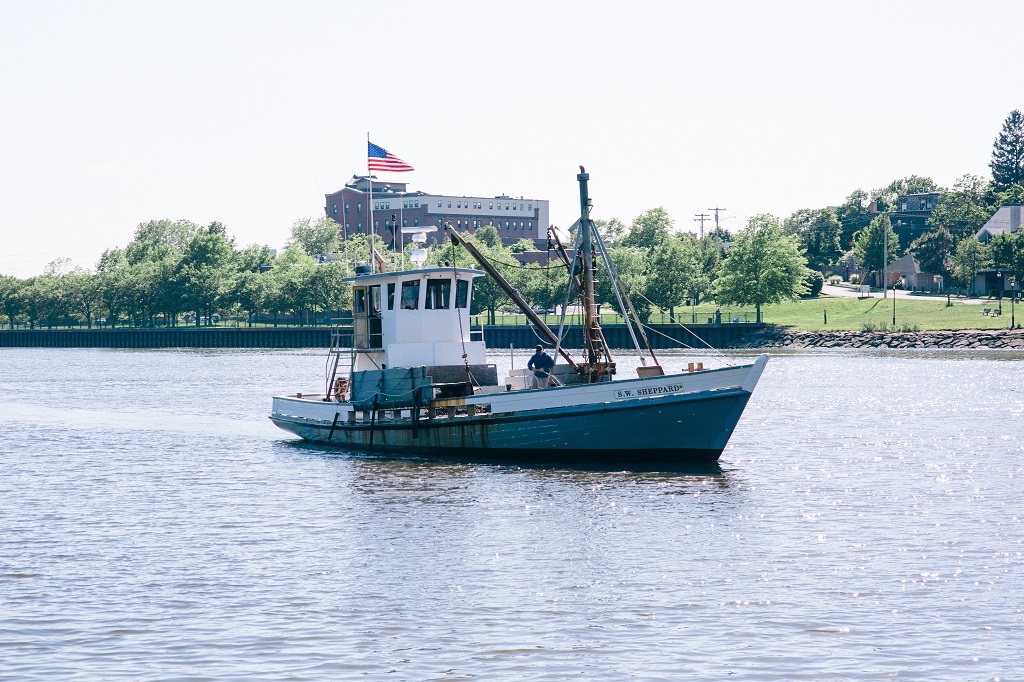
For several generations, the Bloom family has practiced the traditional and labor-intensive method of farming wild spawning oysters on Long Island Sound. Using a method that dates back to the Romans and Egyptians, the Blooms send out a fleet of flat-decked fishing boats into tidal river basins like the mouth of the Quinnipiac River every spring. Piled high with cleaned oyster shells, the boats will deposit their loads underwater to form beds that catch free-floating oyster larva, known as spat.

When conditions are right, the spat adheres to the shell beds and grows into seed oysters. After a year, the Blooms will dredge up and move the young shellfish further out into the Sound, where they will mature into the meaty, shell-filling delicacies sought after by restaurants in Manhattan and beyond.

One ill-timed hurricane or other disaster, however, can destroy a seed crop, disrupting a production schedule years down the line.

“Some years we have 200,000 to 300,000 bushels. Some years we get nothing,” says Norm Bloom.

The Blooms hope that by producing seed oysters in tanks, they will have a ready supply to replenish their beds in the wake of a catastrophe. The system has been prototyped in the Chesapeake Bay region, and Jimmy Bloom is the first to try it in the Northeast. If successful, he hopes to expand the Fairhaven operation even further.

“Eventually we want to have a hatchery for the tank system and a shucking house,” Bloom says. “They used to can the oysters in this same spot back when it was owned by Long Island Oysters. We want to get that going again and try to employ a lot of people in the neighborhood.”

Photos by Ian Christmann
Riverfest

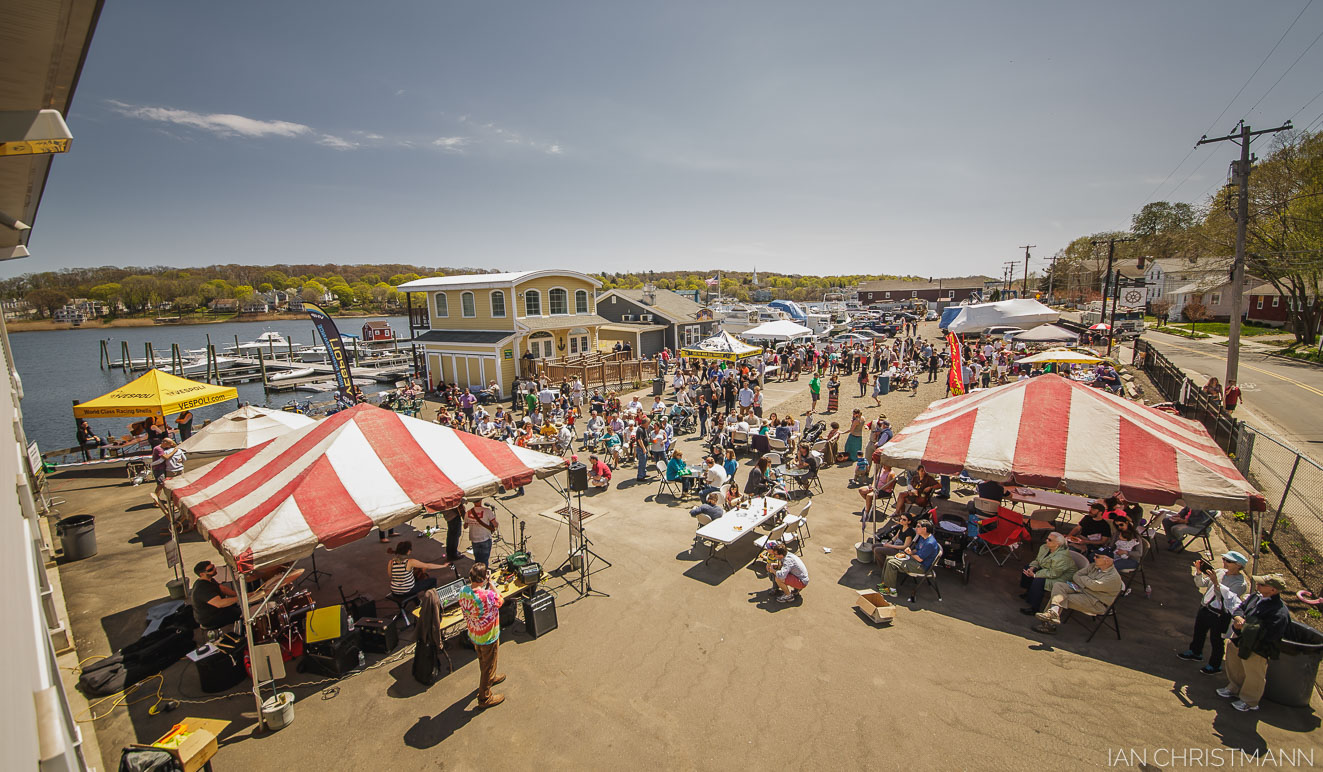
On Sunday, May 15, come down to Riverfest at the Quinnipiac Marina at 309 Front St. New Haven, CT. Bands, canoe rides, a beer tent, and more! This is a BYOC event. To guarantee you will have a seat bring your own chair. The wackier the better!
For more information, visit www.quinnipiacriverfest.com.

The Quinnipiac and Fair Haven: A brief social history

There was once a place called Dragon, in the east. A place where oysters thrived and Quinnipiac arrowheads could be found simply by tilling the soil of your garden. It got its name for the seals that once played and warmed themselves at the entrance to the bordering river. “The sailors called them sea-dragons and hence dubbed the waterway Dragon River,” remarks local historian Doris B. Townshend in the opening pages of Fair Haven: A Journey Through Time (1976).

With the seals long gone—the oysters mostly, too—the river’s taken a newer name, from another historic population: the Quinnipiac. And where the Dragon of old has sunken into the annals of history, Fair Haven has risen in its place.

Read more from the Daily Nutmeg.

Quinnipiac Riverfest 2015

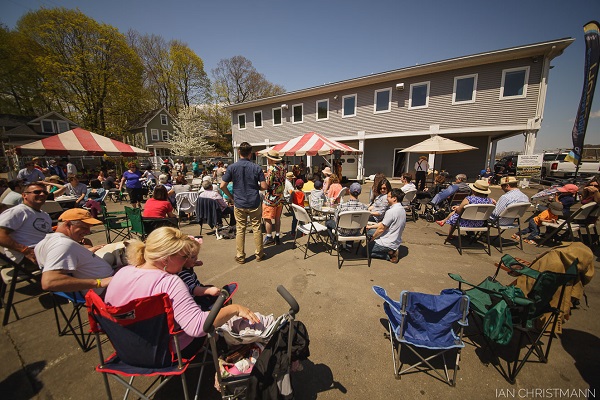
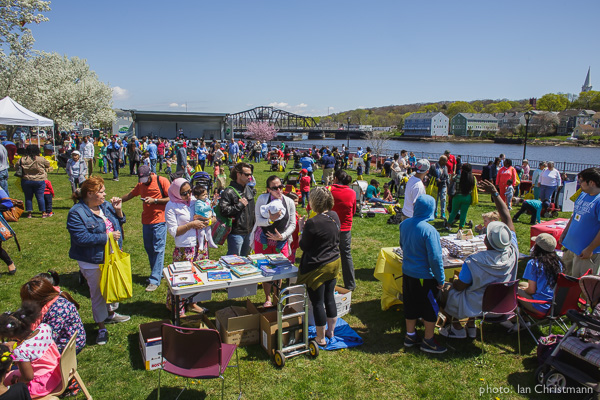
The 6th Annual Quinnipiac Riverfest brought the crowds down to the historic and scenic Fair Haven waterfront for an afternoon of live music, beer tasting, boat rides, and more.

Held every spring on the Sunday in the first weekend in May, Riverfest is the second part of the Fair Haven Waterfront Weekend, which starts on Saturday with the Fair Haven Family Stroll for Quality Early Childhood Education. The weekend is organized by the Chatham Square Neighborhood Association in collaboration with local businesses and the City of New Haven. Riverfest is hosted by the Quinnipiac River Marina and Boat House Café, a full-service marina and restaurant that has become a favorite local breakfast spot since a recent renovation.

The family-friendly celebration had craft activities for children.

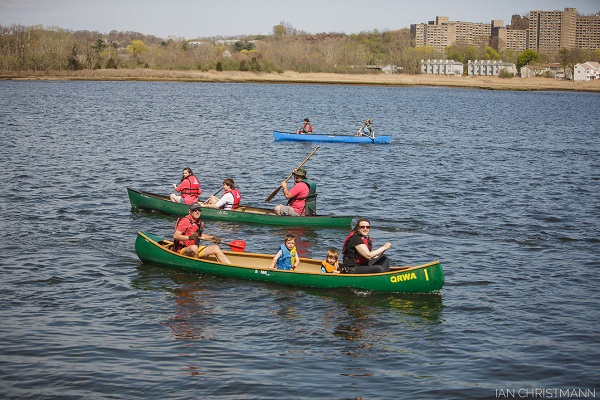
The Quinipiac River Watershed Association brought canoes and led guided rides on the river with the help of volunteers. The association also distributed information about their efforts to protect the river and tips for how everyone can help keep the water clean.

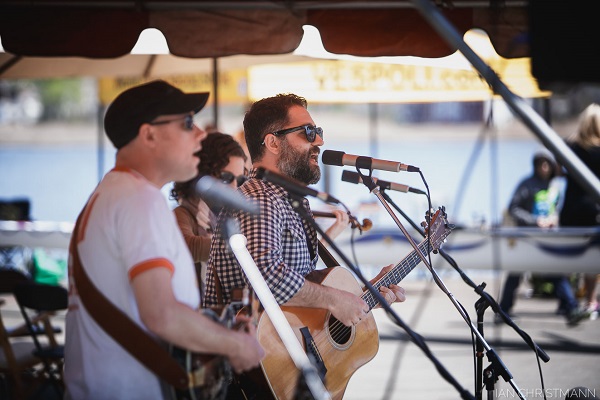
Local musicians, headlined by Goodnight Blue Moon entertained the crowds.

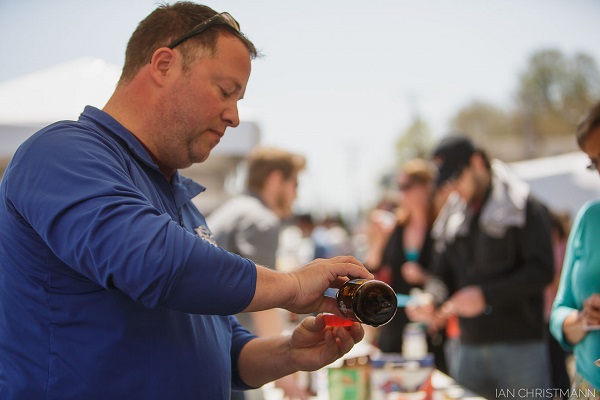
Local breweries poured samples of their latest craft beers

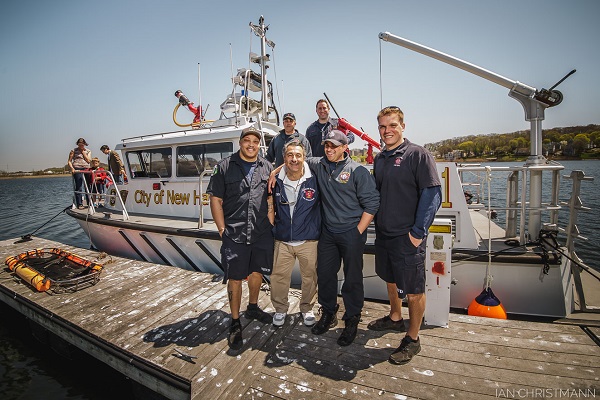
The New Haven Fire Department brought a rescue boat for kids to explore.

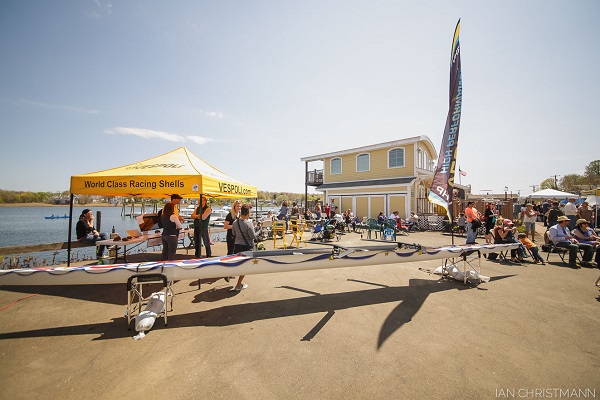
Vespoli, the Fair Haven builder of world-class racing shells, was on hand to display the sleek boats used by the some of the best crew teams in the world.

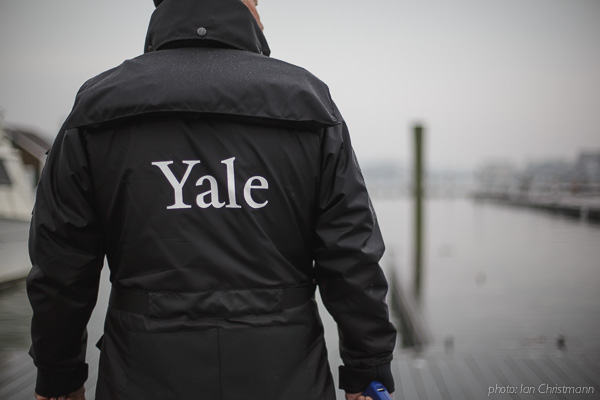
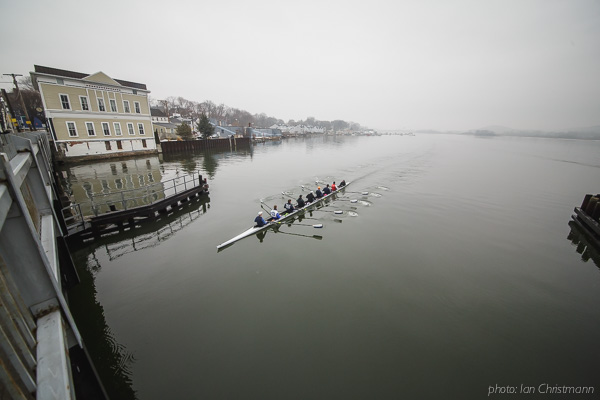
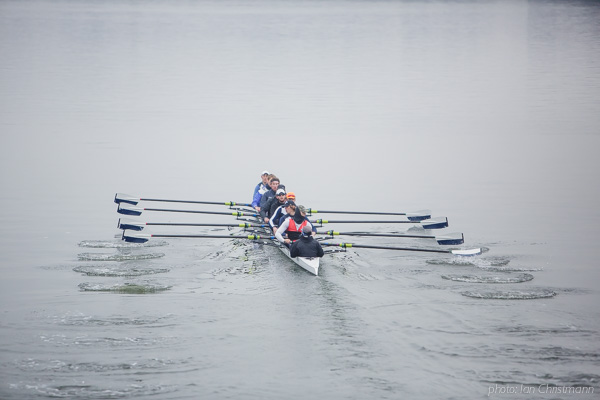
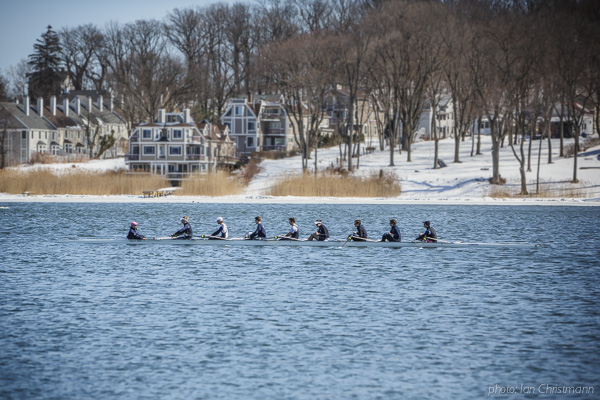
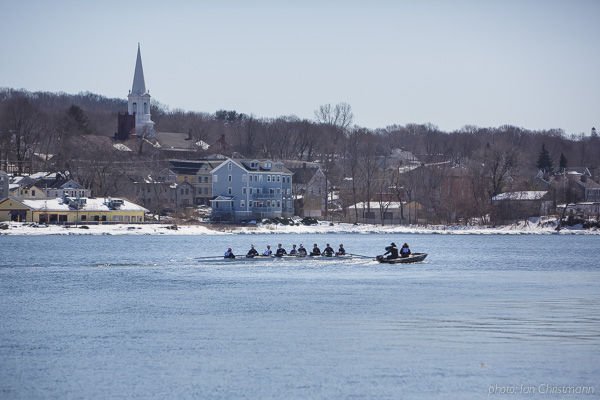
Yale Crew Returns to the Q River

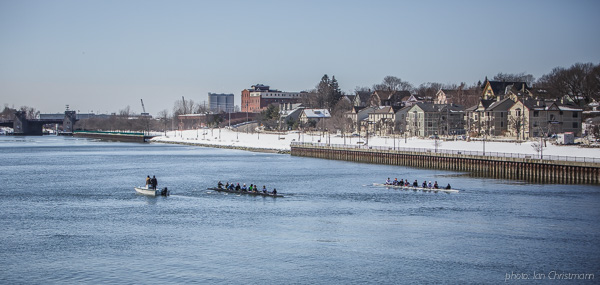
Outdoor training sessions typically begin for the Yale Crew teams in late February or early March, depending on when the ice breaks apart and opens the wide, flat, fresh water of Lake Housatonic in Derby, home to Yale’s Gilder Boathouse. Not this year. An unremitting stretch of freezing temperatures created an unusually thick layer of ice on the Housatonic, forcing coaches to look for alternative practice sites for the start of the season.

“The earliest I’ve ever rowed outside was February 6th and the latest was the first day of March. This year we have blown through that record,” said Andy Card, coach of the lightweights. “This is unpreceded in my 26 years at Yale.”

With the first race just a month away, Card and the other coaches searched for thawed sections of water up and down lower Housatonic. Everything was locked in. They looked on the Saugaguck River in Fairfield County and as far away as New London.

Then, an option close to home presented itself to Card as he was driving on a bridge over the Quinnipiac River.

“That was the body of water that was wide open. It was ridiculously wide open,” Card said.

The coaches worked out a deal with the Quinnipiac River Marina for access to the river for the first three weeks of March.

“It’s been awesome. Seeing them out there has been invigorating,” said Marina owner Lisa Fitch said.

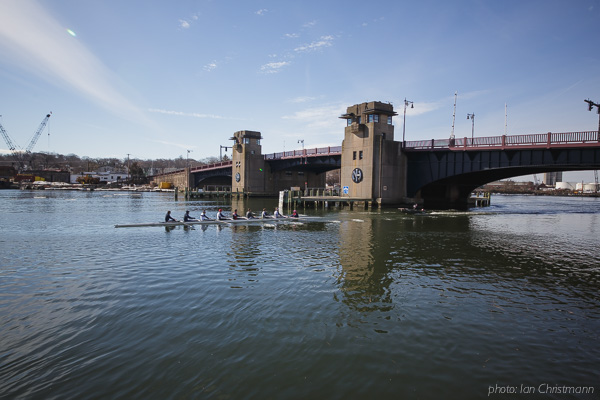
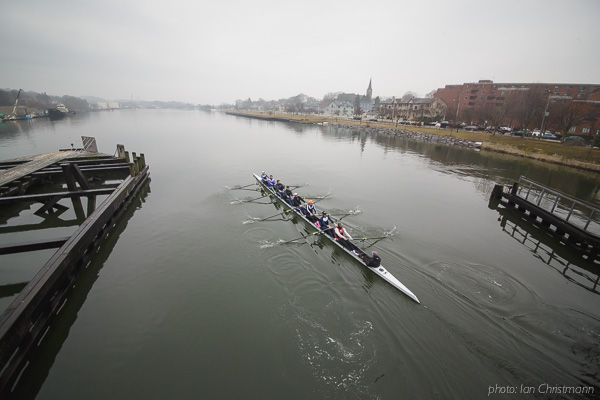
Practicing on the Quinnipiac has returned Yale Crew to its roots. Prior to moving its facilities to Derby a century ago, the team rowed out of boathouses on the Quinnipiac River. Rowing on a tidal body of water with currents has been a learning experience for the teams.

“We’ve had to follow the tides and learn the river, learn the bridges,” said Card. “It’s been a whole new adventure.”

A river-full weekend

New Haven celebrates community and the Q River

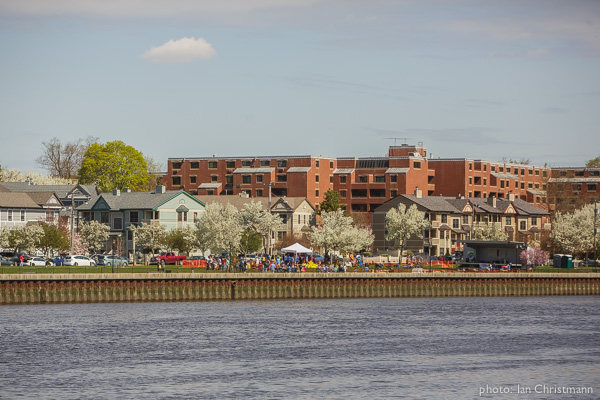
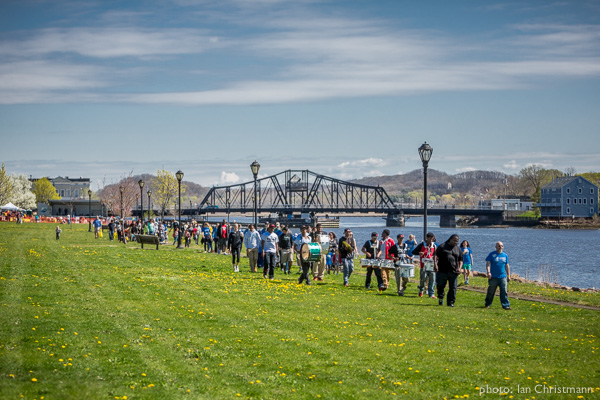
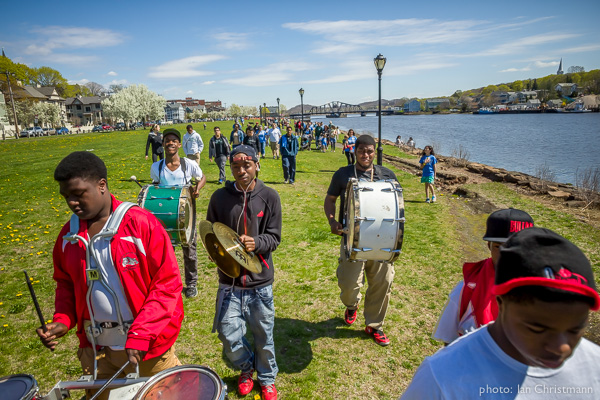
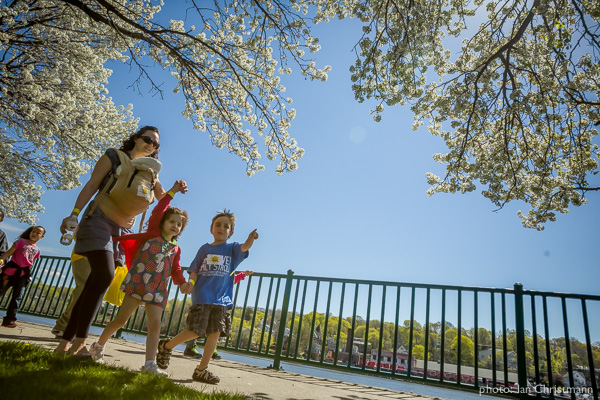
It was a weekend of fun on the Quinnipiac River in New Haven. Thousands came out to enjoy festivities in two separate events on the weekend of May 3 – 4, and the river played  center stage for both.  On Saturday May 3, the 4th annual Fair Haven Family Stroll brought the community together to champion high-quality early childhood education. Organized by Alexis Hill Montessori School and Friends Center for Children, the stroll kicks-off with a 1.5 mile stroll around the river: beginning in Quinnipiac River Park, crossing the Ferry Street Bridge, through the historic Quinnipiac Avenue community, crossing over the Grand Avenue turn bridge and ending back in the park for a festival full of family fun.
Read more about the Family Stroll in the New Haven Independent.
On May 4, the Chatham Square Neighborhood Association’s 5th annual Riverfest attracted hundreds to Anastasio’s Boathouse cafe and the Quinnipiac Marina, where  great food, live music, magicians and guided canoe rides delighted audiences of all ages. The guided canoe rides were provided by the Quinnipiac River Watershed Association (a multi-year grantee of the Quinnipiac River Fund) and the magician, C.J. May the Resourcerer, turned magic into a kid-friendly message on keeping the Quinnipiac River clean.
See photos from the event on the Chatham Square Neighborhood Association website.