CT INSIDER — Nearly $700,000 in state funds would allow the Town of Wallingford to build a pedestrian bridge as part of it Linear Trail improvement project.
Category: News and Media
Wallingford residents frustrated after newly renovated high school field floods again
NBC CT — After another few days of rain, the newly renovated field at Sheehan High School in Wallingford has flooded again. Water covered the track and much of the field Thursday, and slowly receded throughout the day.
Quinnipiac River Fund Supports Exploration of Impact of Salt from Roadways
CONNECTICUT BY THE NUMBERS — Contamination of the Quinnipiac River in Connecticut was once so great that it prompted the first pollution control measure in the state and the eventual creation of the first sewage treatment plant in the Connecticut, according to the Community Foundation for Greater New Haven.
Chargers Conducting Grant-Funded Research Exploring Impact of Pollution on the Local Environment
This summer, several faculty members and students are engaged in important research projects supported by the Quinnipiac River Fund, examining how microplastics and metals are affecting wildlife in local aquatic habitats.
Here there be dragons
Hundreds gather for Canal Dock’s annual Dragon Boat Regatta
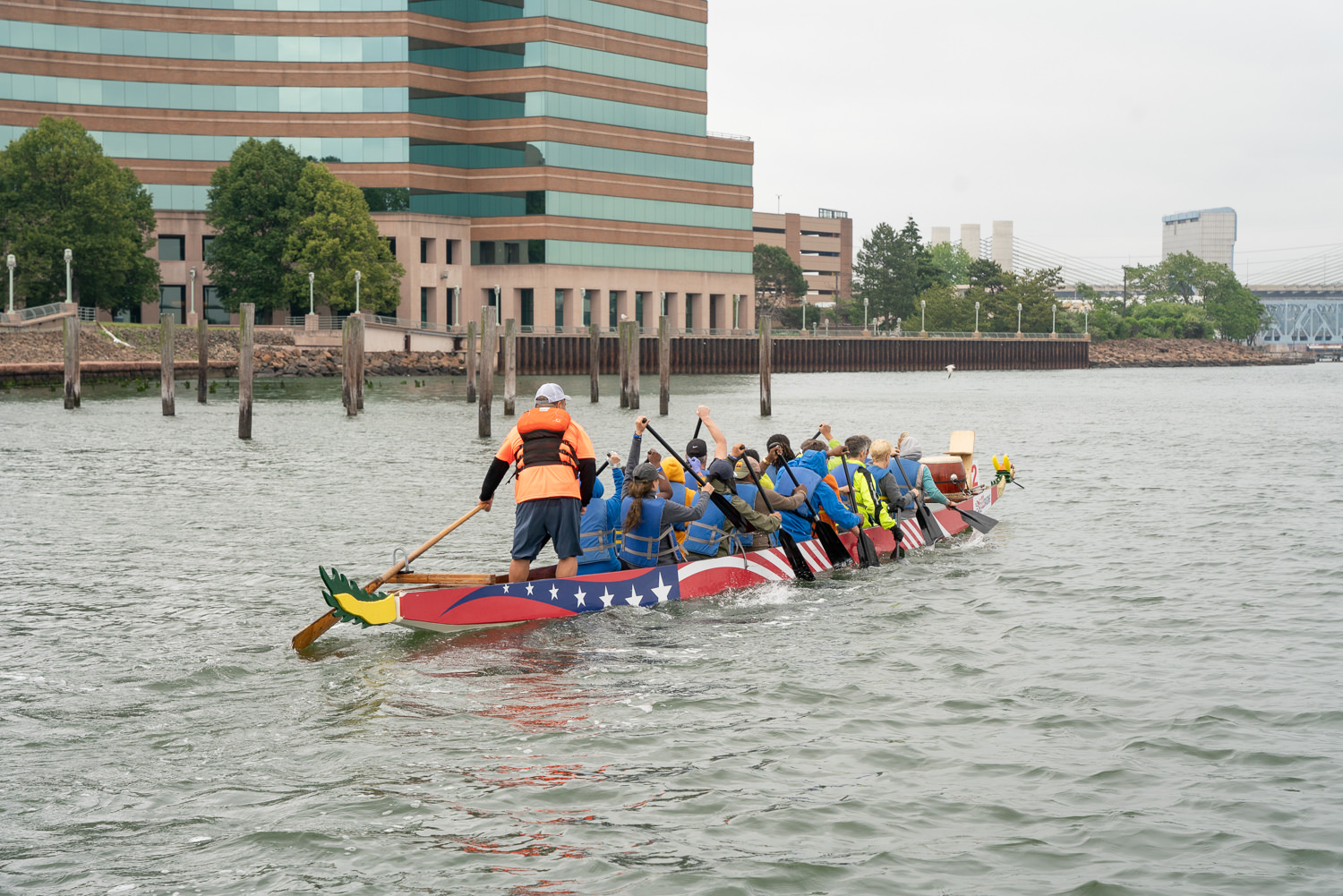
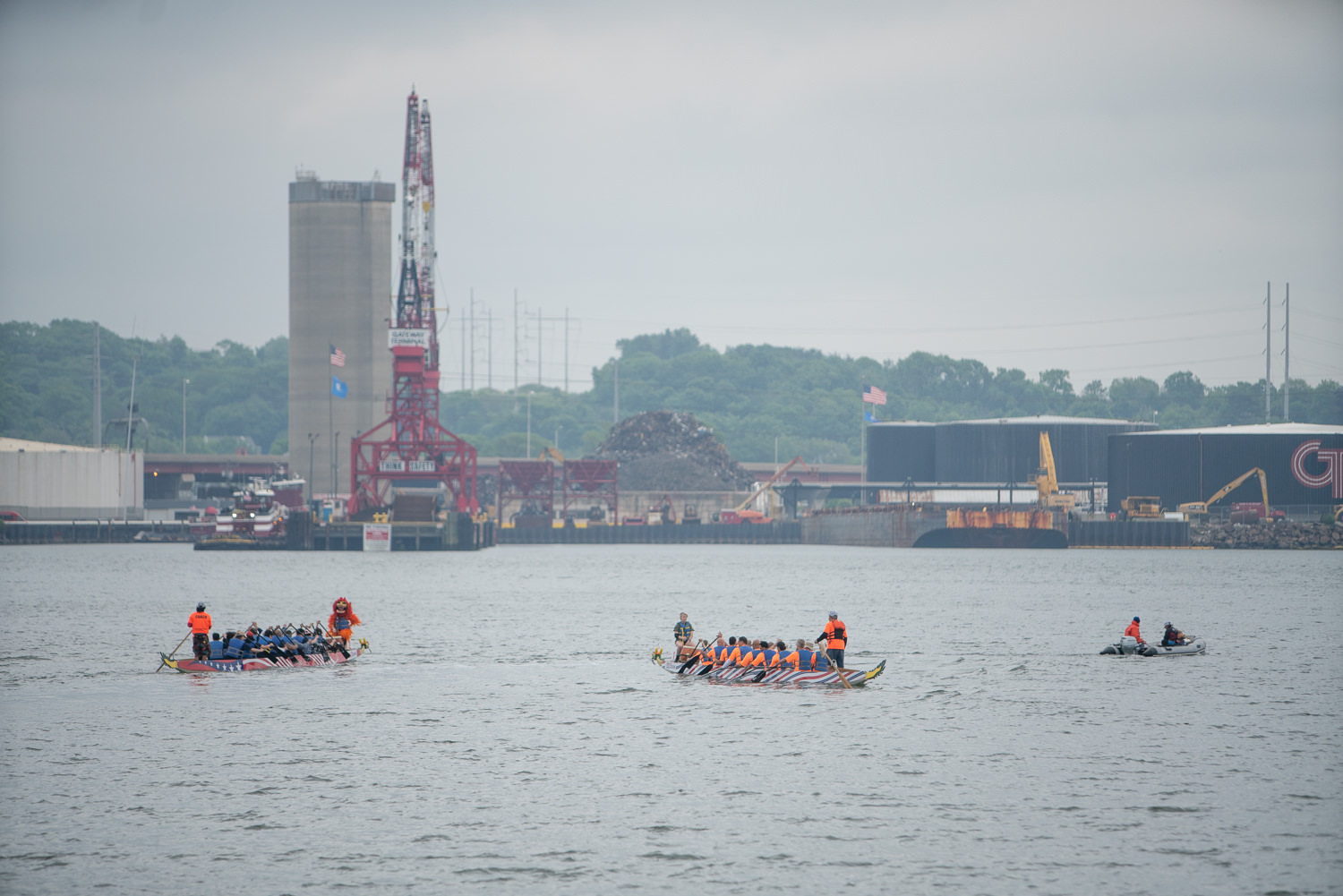
On June 3, 2023, a dozen dragons were spotted in the New Haven harbor. “Dragons” are not necessarily a new occurrence in these waters. In the 17th century, European settlers and sailors named the lower Quinnipiac River “dragon” after the multitude of harbor seals, known as “sea dragons” that populated the waters. Over the decades, pollution and development drove these creatures away, but in 2016, the Canal Dock Boathouse introduced a different kind of dragon to the harbor, in the form of large canoe-like vessels with ornately carved dragon’s heads and tails. These dragons emerged for a single day with a single focus: to be crowned victor in the Boathouse’s annual Dragon Boat Regatta.
Dragon Boat Racing — a traditional Chinese watercraft activity dating back 2000 years — is one of the fastest growing water sports in the world and a favorite among charities and corporations for its fundraising and team-building benefits. Indeed, Canal Dock’s Dragon Boat Regatta serves as an important fundraiser for the organization, helping them continue their mission connecting people to New Haven’s waterfront through programs and activities including community days, dry land rowing, yoga class on the platform, kayaking, rowing, and dragon boating.
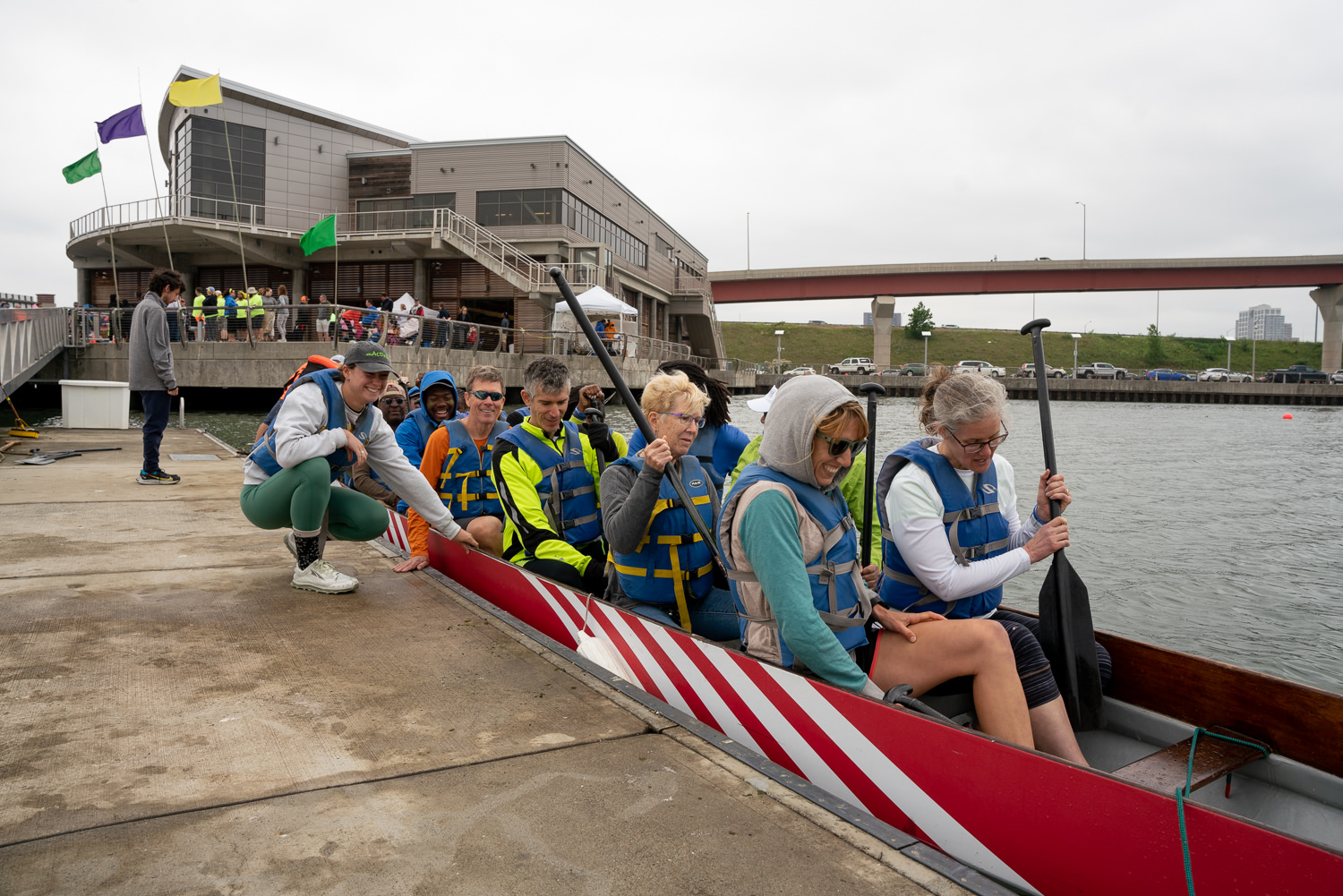
The Regatta brings together a broad spectrum of the community, including local businesses, clubs and high school participants. The entry fee of $1700 allows teams to sponsor a boat which holds 16 paddlers and 1 drummer. Crews — comprised of people of all ages and experience — sit in pairs and paddle while a drummer beats time to keep them in unison and a helms person guides the boat. All boats are required to have at least 6 females inclusive of transgender, nonbinary and gender nonconforming individuals.
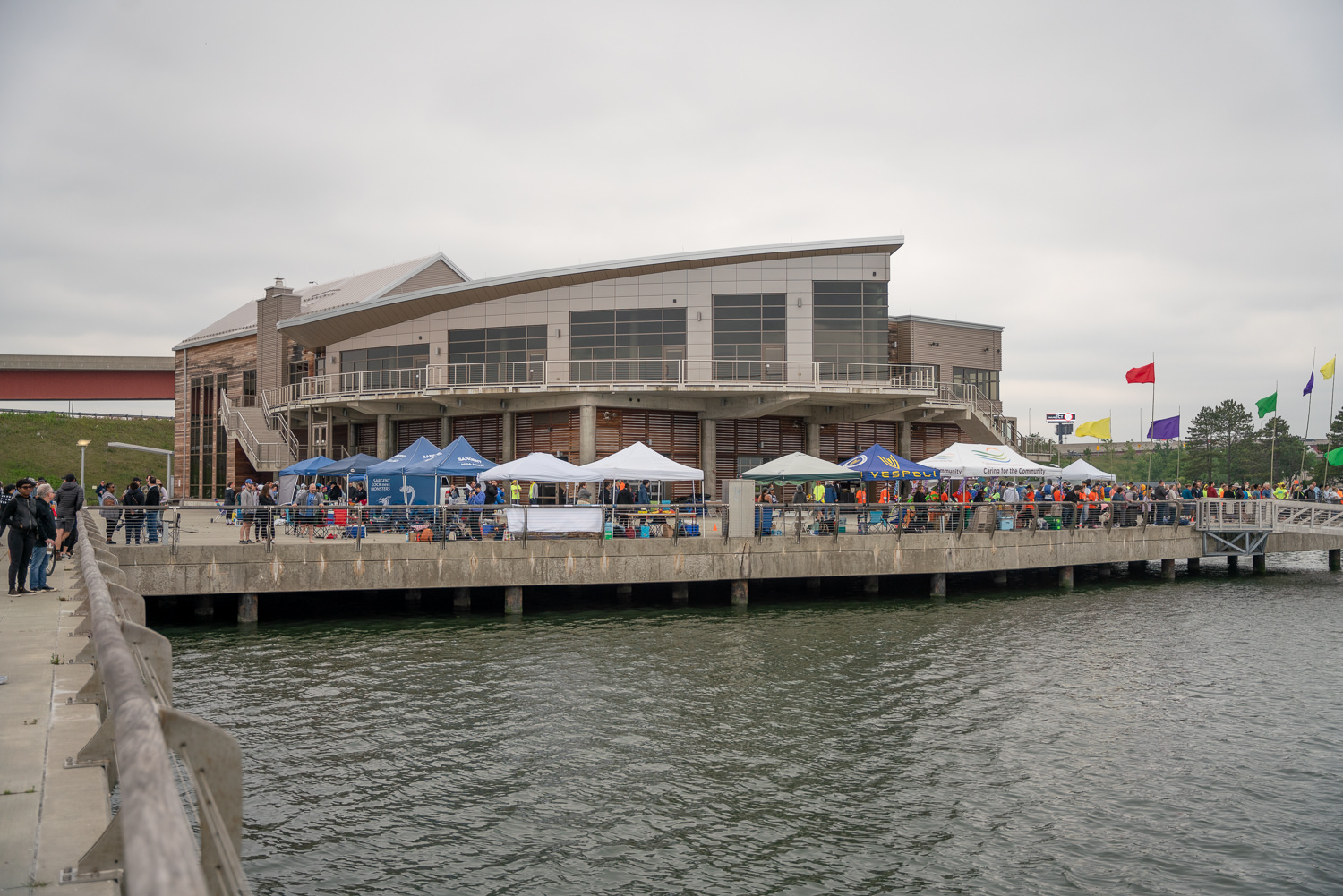
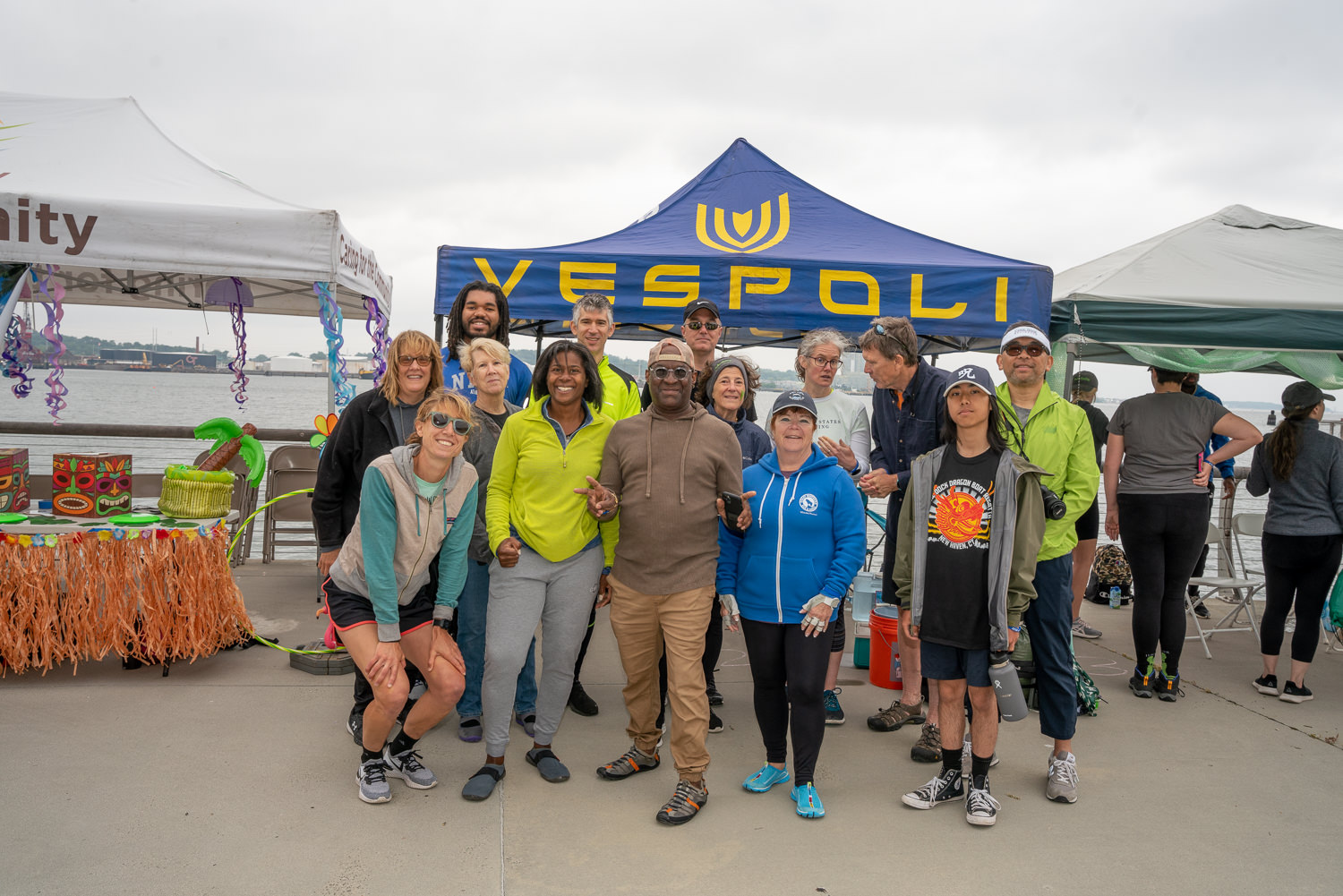
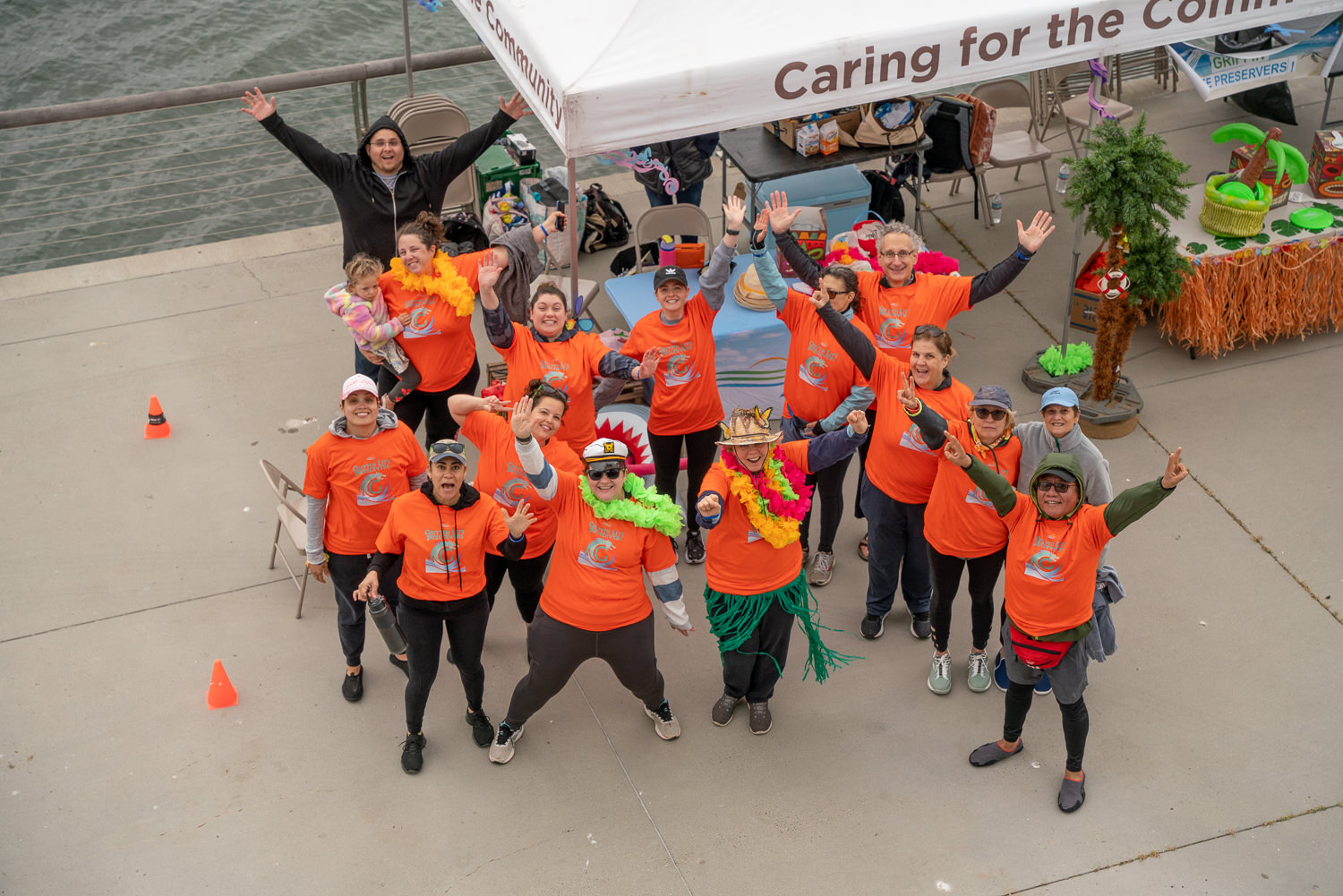
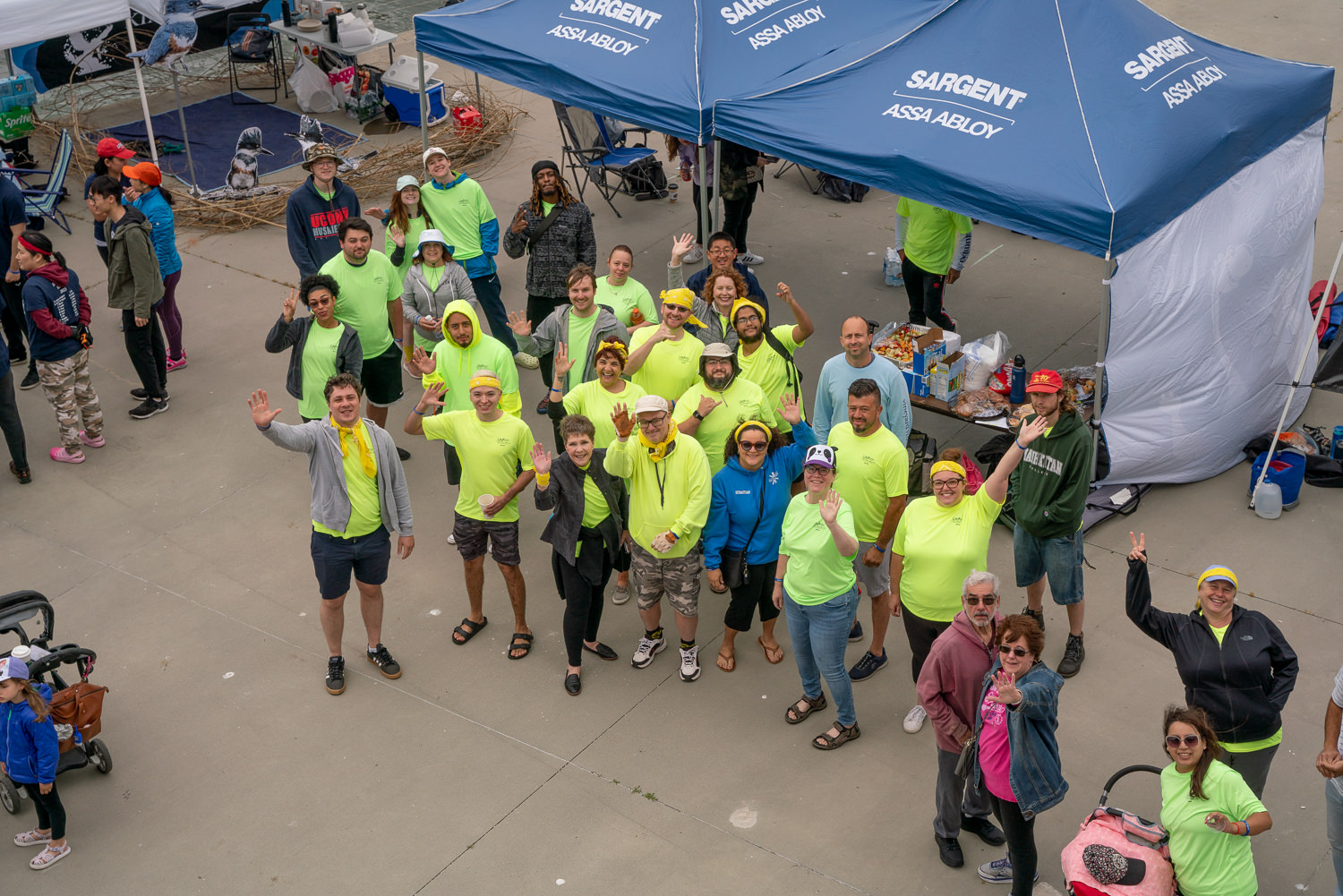
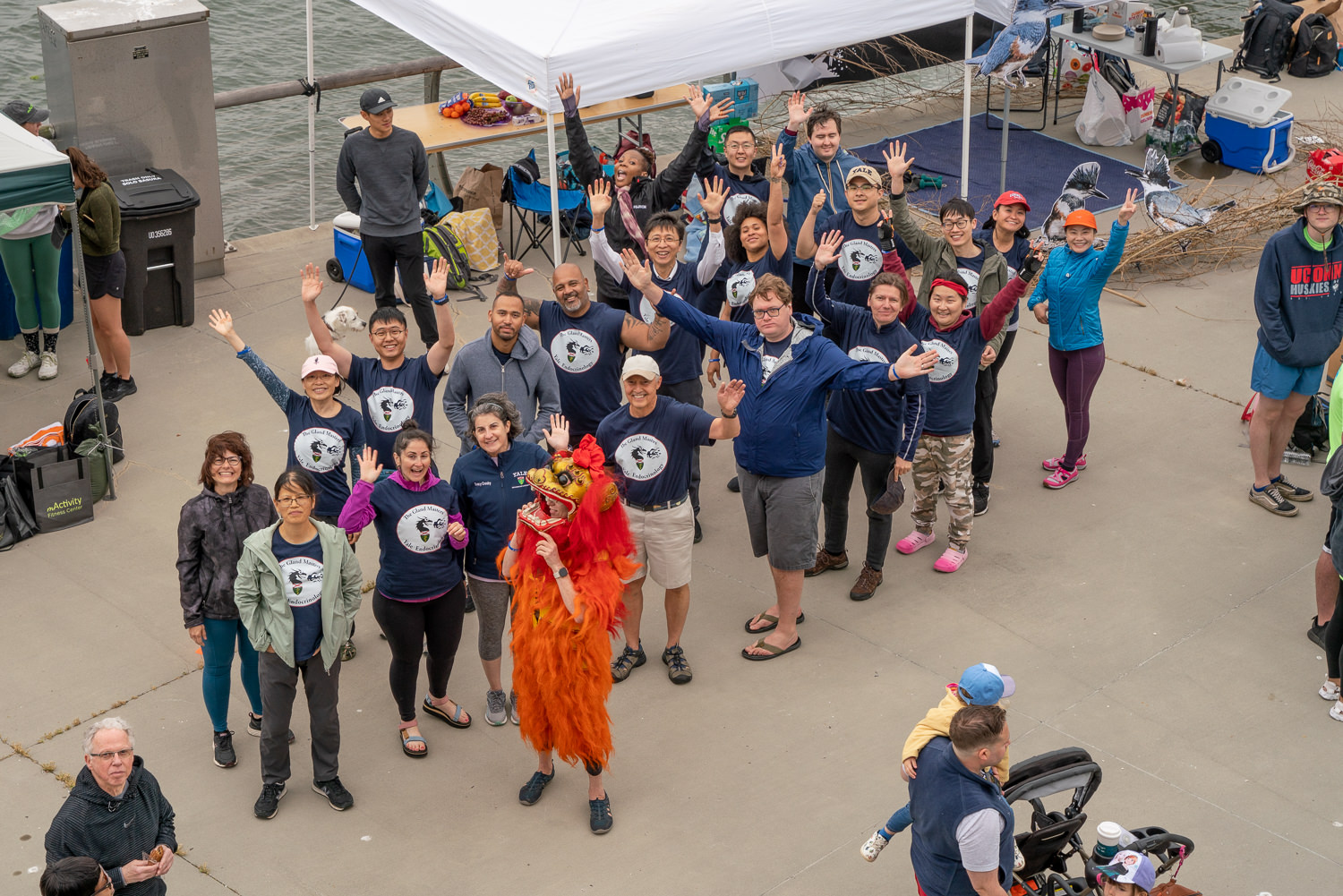
Thus year a dozen boats vied for the gold. Participants included two groups that have been with the event since its inception: Tuff Girls gym and ASSA ABLOY/Sargent. Each brought three teams this year. The Wheel Good Paddlers was made up of members of the New Haven Bicycle Club paired with public high school participants. The Glandmasters from Yale Endocrinology and Vespoli both re-entered the Regatta this year after a hiatus, and Griffin Hospital returned for a second year. Joining them were new teams from mActivity gym and Reed Hilderbrand Architects.
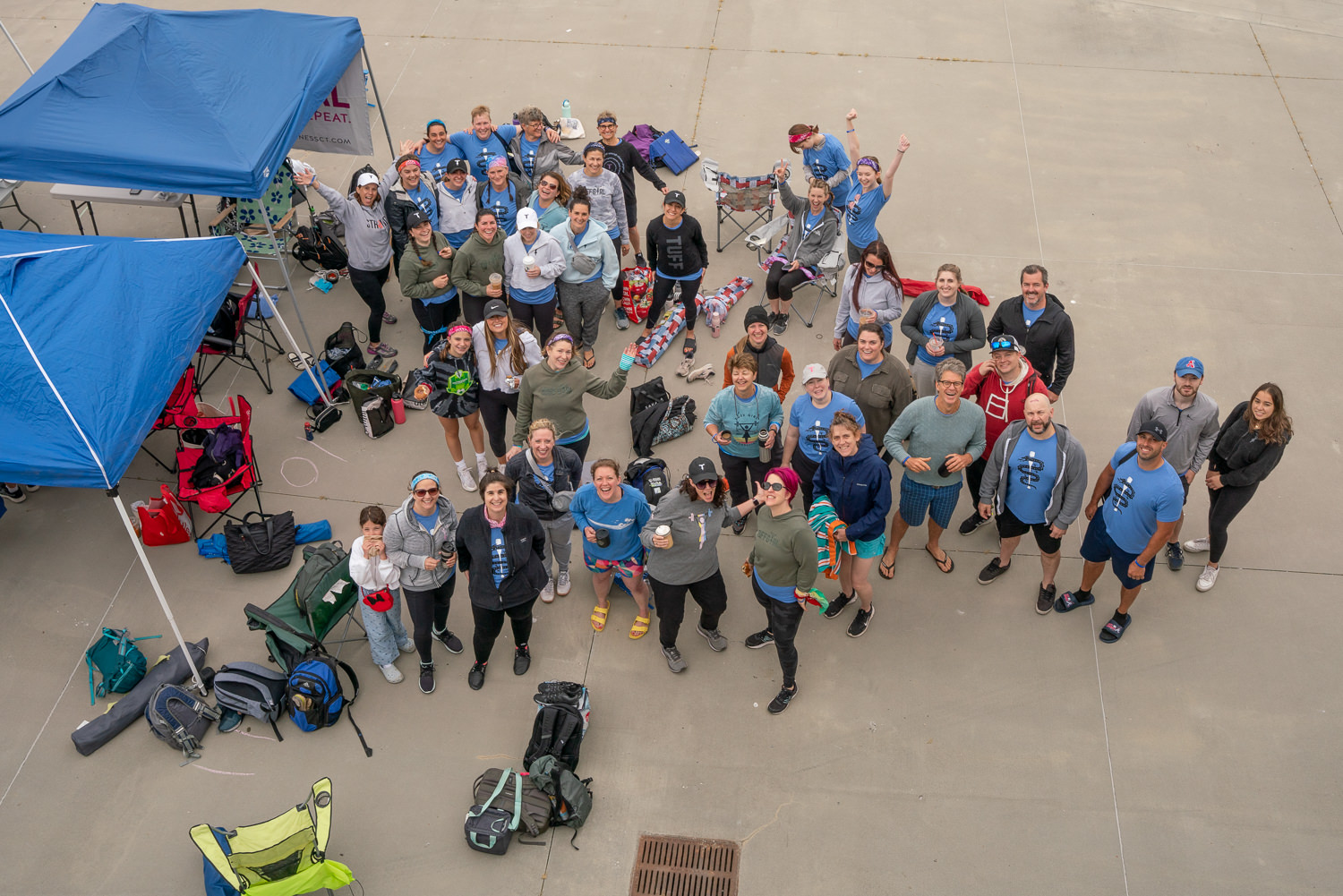
Race conditions were windy and the competition fierce, with only hundreds of a second separating some of the head to head challenges. In the end, Tuff Girls Fitness Boat 3 paddled their way to first place, dethroning the two year reigning champions, the Wheel Good Paddlers, who took third. Coming in second was ASSA ABLOY’s Orange boat.
Building on this year’s success, Canal Dock hopes to host 18 boats at the 2024 Dragon Boat Regatta, set for June 1, 2024. Additionally, they plan on introducing a men’s and women’s division, in addition to the existing co-ed division.
“The funding that Canal Dock receives from the Quinnipiac River Fund ensures that we are able to provide equitable access and services to area residents who would not otherwise be able to participate in activities on or around New Haven’s waterways. The ability to get out on the New Haven Harbor or Quinnipiac River can be a life changing experience. Because of the grant funding that we receive from the Quinnipiac River Fund, we are able to provide access to boating and paddling activities to hundreds of youth and adults residing in the greater New Haven area every year. We hold monthly Community Boating Days during the warmer months where individuals, many of whom have never been on the water in a boat, are able to paddle the harbor and experience the birds and marine life around them. All of our youth programs are
free for New Haven Public School Students and they provide exposure to Long Island Sound and the Quinnipiac River. We are so grateful for this grant as it has expanded our ability to provide equitable access and services to the entire community.” – Hollis Martens, Executive Director, Canal Dock Boathouse, Inc.
‘
‘
‘
‘
‘
‘
‘
‘
‘
‘
‘
‘
‘
‘
‘
‘
‘
‘
‘
‘
What makes oysters happy?
UCONN researcher studies oyster reefs in Quinnipiac River and Morris Creek
The creek was said to be dead. Industrialization and decades of pollution took its toll on many Connecticut rivers and tributaries, including Morris Creek which empties into New Haven harbor in Lighthouse Park. But when UCONN researcher Dr. Zofia Baumann visited the area in June 2016 to scout locations for mercury testing in fish and oysters, she discovered vibrant life normally hidden beneath the current. Clusters of thin, sharp oblong shells rose from the muddy creek bed. Zofia had read about such oyster reefs and seen them in environmental shows, but had never encountered them in nature.

Dr. Zofia Baumann found inspiration in the Morris Creek oyster reefs
The scene captivated Zofia and inspired her to learn more about eastern oysters, their history along the Connecticut coastline, and the parameters that help them thrive. With support from the Quinnipiac River Fund, Zofia launched a project to track to measure oyster size, reef density, as well as the water quality variations in oyster habitats, focusing specifically on Morris Creek and the Quinnipiac River.
“By studying where we know oysters are happy, we can help restoration efforts and hopefully continue to see a resurgence in the population of oysters and other marine life,” explained Zofia.
Zofia chose Morris Creek based on its ecology and current use. As a tidal creek, Morris Creek offers a welcome environment for oyster reef formation, including a mix of salt and fresh water; a muddy bottom, shelter from large waves and adjacent salt marshes which provide added protection and filtration. Additionally, the Creek offers protection from human disturbance because both commercial and recreational harvesting is prohibited by the Bureau of Aquaculture.
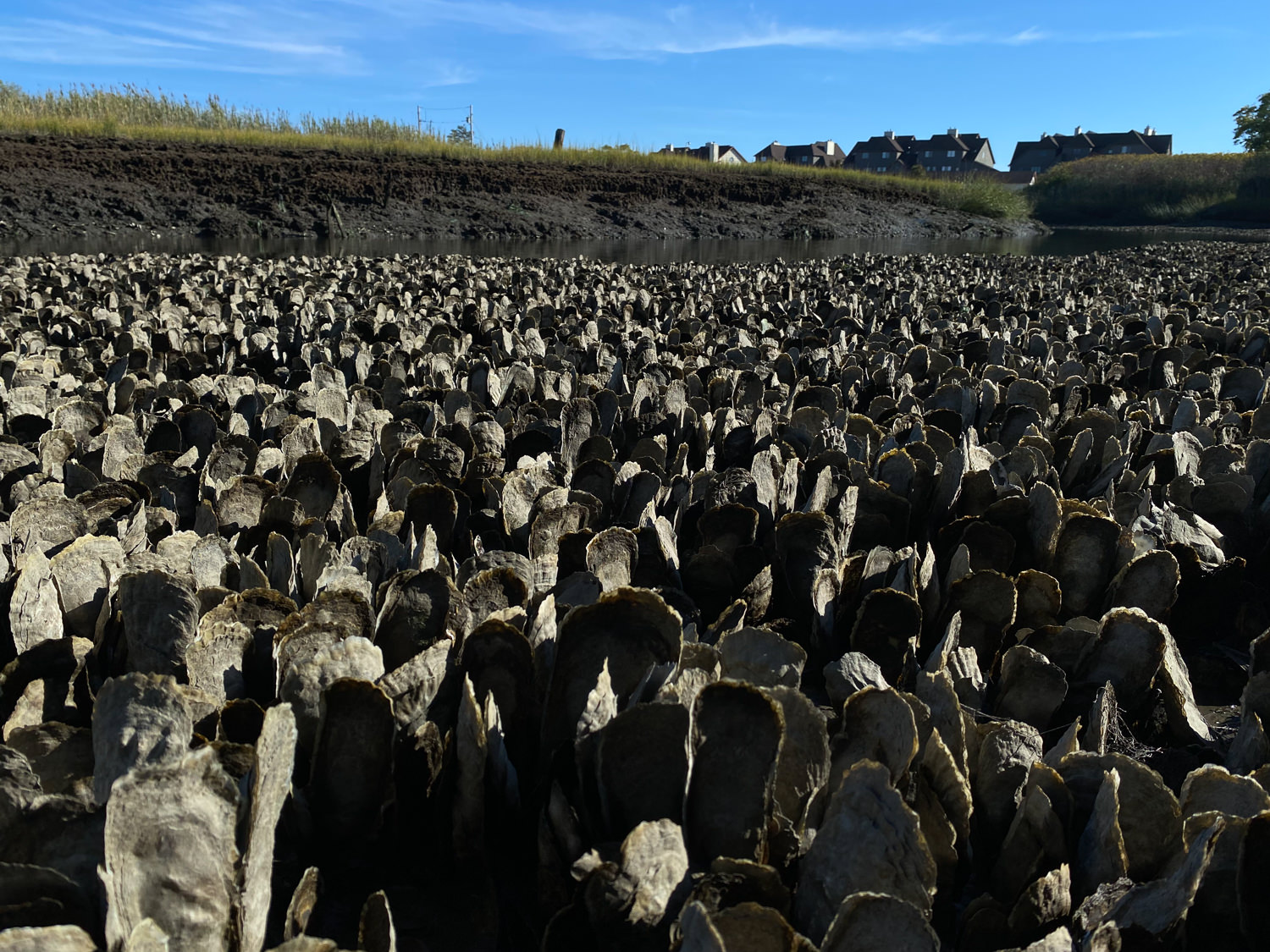
With more tributary rivers per linear coastline mile than any other region in the country, Connecticut offers an ideal environment for oysters to flourish. And indeed they have for centuries. Both abundant and accessible, oysters became a staple in the diet of shoreline indigenous people, and later a valuable source of food and trade for the European settlers in the area. As Connecticut oysters made their way to tables all over the world — including the plates of England’s royalty — their renown grew rapidly.
Consumed and harvested in great quantities, overfishing began depleting oyster beds and spurred the creation of laws regulating their taking. In 1762 New Haven made it illegal to take oysters during their summer spawning months and then, in 1766, the town outlawed dredging.
Increasing demand and dwindling oyster beds inspired a new era of oyster cultivation. In the 1820s, Connecticut oystermen began gathering free-swimming larvae and planting them on artificial beds made of oyster shells where, in 18 – 24 months, they grew into maturity.
By the end of the century, oyster farming in Connecticut peaked with more than 15 million bushels in a single year, but soon faced bigger challenges. As industry and shoreline development increased, heavy metals and raw sewage drained into the waterways at unregulated and alarming rates.
As filter feeders, oysters consume phytoplankton or algae by filtering water in and over their gills. Some adult oysters can filter up to 50 gallons of water a day, providing a valuable environmental service to their habitat. While most unwanted indigestibles leave the oysters in feces, if pollution levels are high, these hard-working shellfish can carry dangerous toxins that can be passed on to humans when eaten.
In 1892, after 29 college students became infected with Typhoid, investigation revealed that all had consumed oysters grown at the mouth of the Quinnipiac, in proximity to a house with two known cases of the fever, and sewage pipes that drained directly into the river. Later, in the mid 1920s, oysters took the blame for another Typhoid outbreak. The bad press, combined with economic depressions, had a quick and drastic impact on the oyster industry. Within a few decades, the oyster industry in Long Island Sound had declined more than 97 percent, producing a mere 40,000 bushels a year.
In 1967, Connecticut’s Clean Water Act brought new hope for the bivalve mollusks. As sewage regulations began to restore water quality, oyster growers sought to revive oyster populations by depositing clean oyster shells on old oyster grounds in estuaries and rivers where oysters once thrived.
Decades later, such cultivation continues to contribute to oyster’s resurgence. Despite a drastic setback in the late 1990s, when a water temperature spike bloomed naturally occurring parasites that destroyed 80 – 90 percent of the state’s oysters, Connecticut is on its way to reclaim its former oyster fame, a benefit to the environment and foodies alike.
Leading the charge in New Haven and Fairfield County is Copps Island Oysters, a fourth-generation, family-owned shellfish farm. Copps Island leases rights to acclaimed oyster grounds throughout Long Island Sound, as well as many historically oyster rich rivers, such as the Quinnipiac. Committed to protecting Connecticut’s waters and helping once defunct oyster habitats thrive, Copps Island proactively invests in areas where harvesting is still prohibited such as Morris Creek. In July 2012, the company laid clean shells in the Creek, which catalyzed the reef’s re-propagation.
Though oysters are now plentiful in Morris Creek, harvesting there remains prohibited due to the unavailability of current sanitary surveys or the potential of pollution sources that could cause a public health risk.
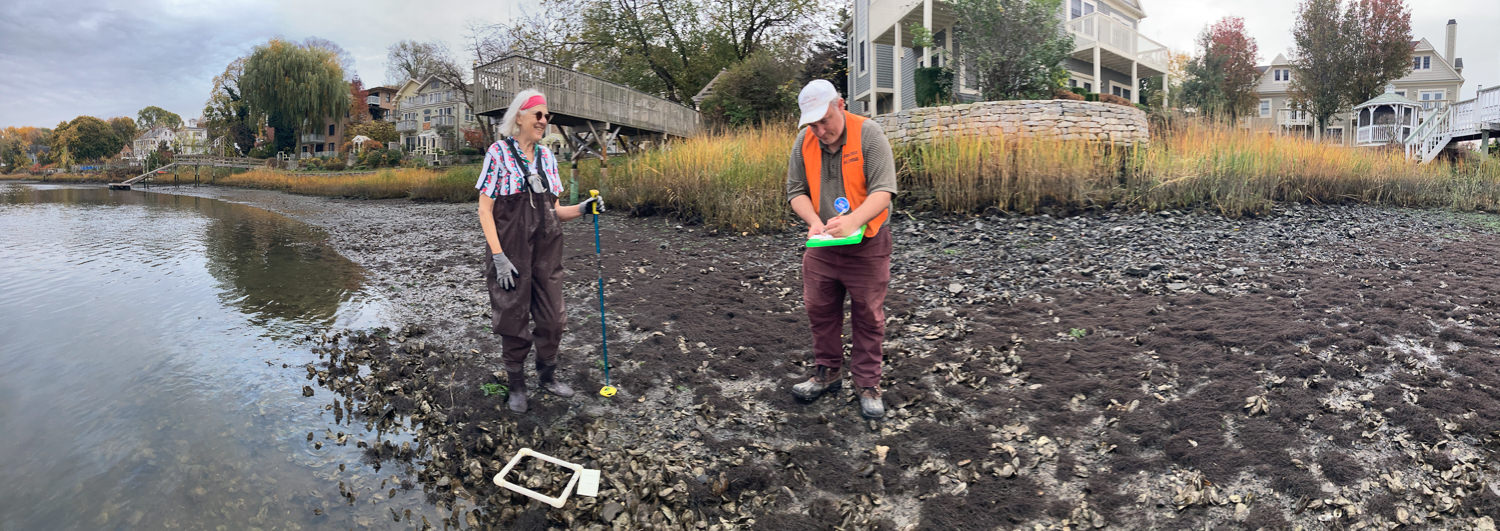
Lynn Bonnett and Aaron Goode of the New Haven Bioregional group assess quantity and sizes of living and dead oysters in Quinnipiac’s intertidal zone
Zofia knew that successfully monitoring Morris Creek oyster health was not a one-woman job. She enlisted the support of many collaborators including Dr. Mary Beth Decker, research scientist from Yale School of the Environment; Lynne Bonnett from New Haven Bioregional Group; and Richard Harris, retired scientist with Copps Island Oysters.
Zofia installed water quality data loggers in both Morris Creek and the Quinnipiac to obtain continual measurement of water salinity, oxygen, pH, temperature and water levels. With this data, she is creating a metrics table to document what the oysters experience.
In addition to monitoring, another of Zofia’s project goals was to create public awareness and involvement. To do this, she invited local community members, volunteers and students to Morris Creek — where the oysters are more accessible — to participate in measuring and tracking oyster density, mortality and the presence of juvenile oysters, called spat, in the reef.
On a beautiful Thursday afternoon in October, 16 helpers joined Zofia at the creekside. Donning waders and calipers, they counted and recorded oyster quantity, location and size. The volunteers included 11 students from Sound School’s after school environmental justice program, environmentally-minded citizens, and local neighbors like Barry and Debbie Flynn, who live nearby the creek and came out to lend a hand.
“When our kids were young, we did field trips and a lot of exploring in this area,” Debbie said. “Now our daughter is a marine biologist.”
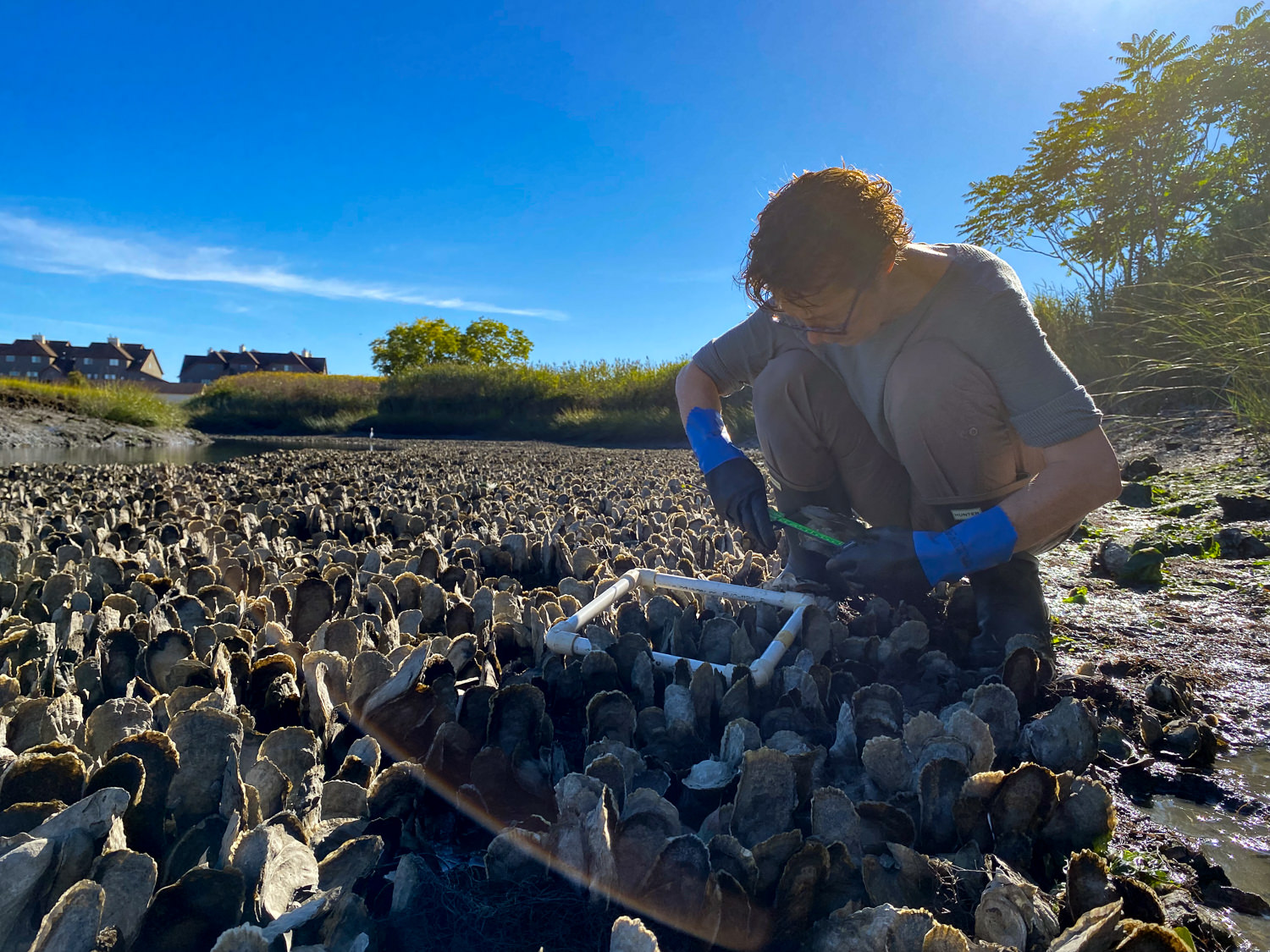
Debbie Flynn measures Morris Creek oyster density with calipers and Quadra
In November, more volunteers joined Zofia for monitoring and measuring on the banks of the Quinnipiac. And for Zofia, the sight of all these intrepid collaborators, trekking through the mud at Morris Creek or gathering on the banks of the Quinnipiac, is perhaps as thrilling as the sight of the reef’s themselves.
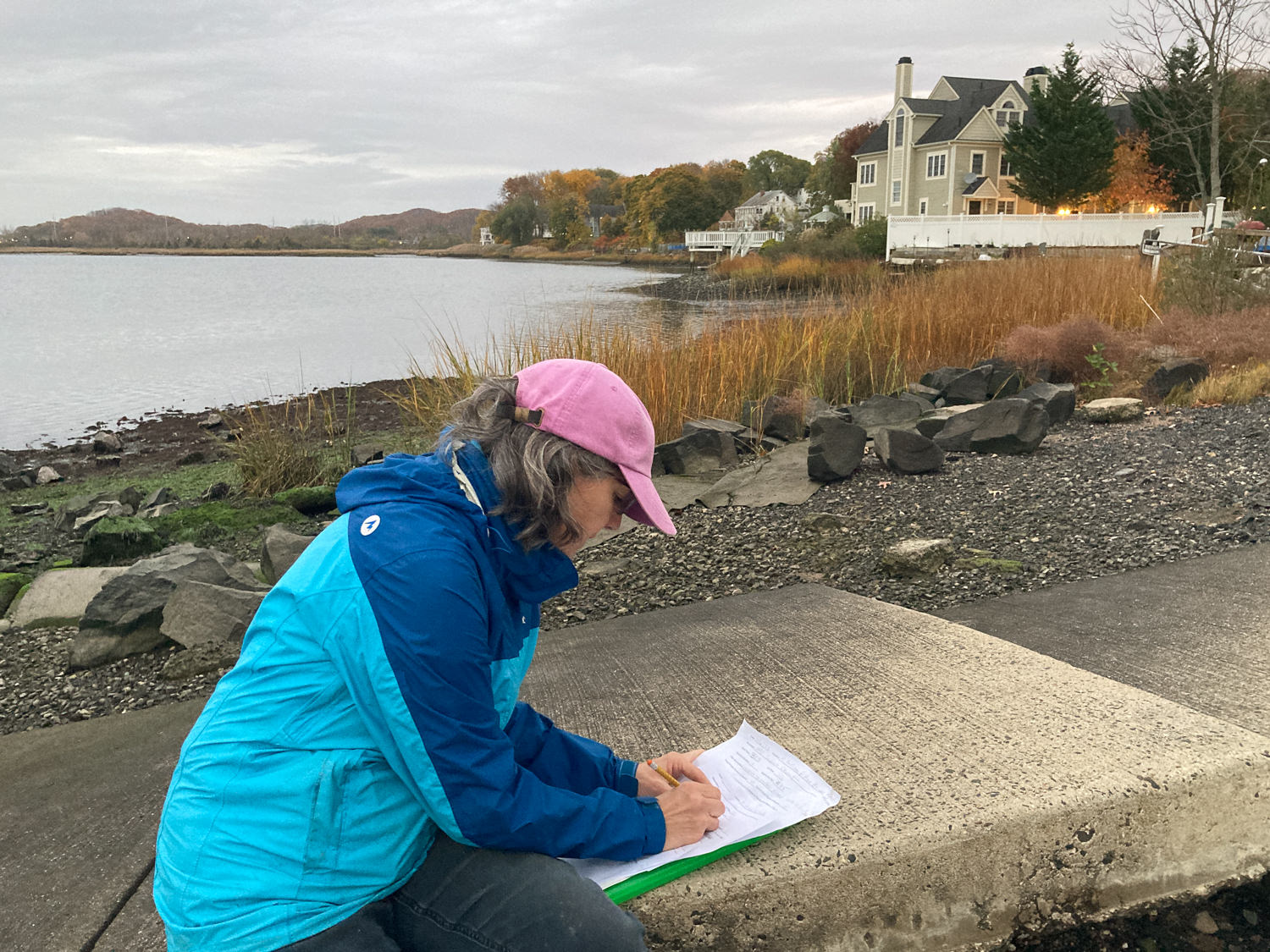
Dr. Mary Beth Decker from Yale reviews oyster data sheets at the Quinnipiac River boat launch on Clifton Street.
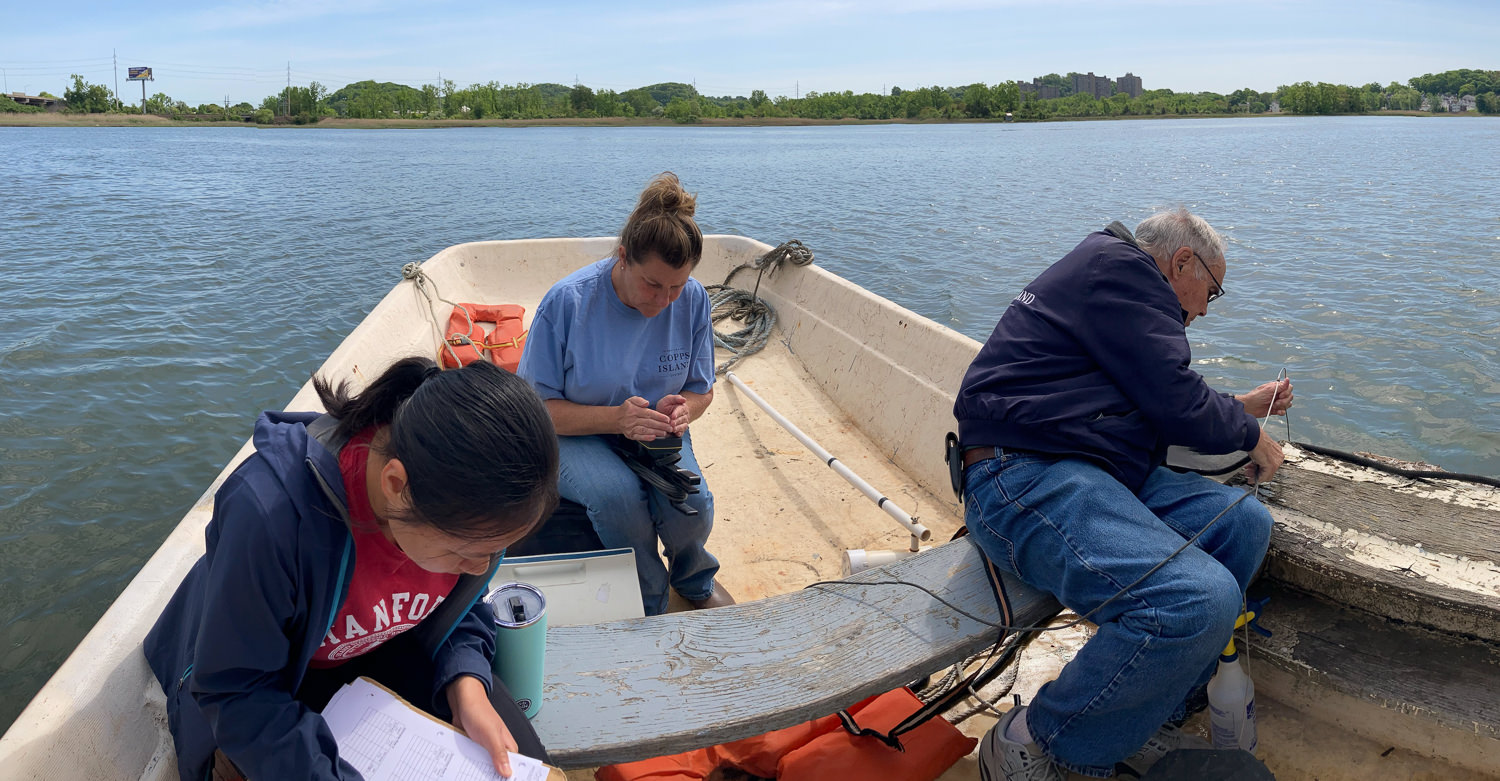
Richard Harris and Christine Griffith from Copps Island Oysters work with Jessica Li, a student from Weston High School, to monitor water quality on the Quinnipiac River.
“To improve environmental issues anywhere, you can’t just rely on the scientific community. We are a limited workforce. We need everyone’s engagement,” Zofia explained. “Once you start doing this work, you feel more connected, you begin caring about the place, and become a better more powerful advocate.”
Leveraging the support of Quinnipiac River Fund, Zofia plans to continue and expand her research with additional grants and partnerships.
Click here for more information on regulations for oyster harvesting and other shellfish.
https://shellfish.uconn.edu/wp-content/uploads/sites/62/2022/06/CTSRG_June9.pdf
Down by the river side
Quinnipiac Park hosts community events
With broad views of river, oyster boats and two historic bridges, and a wide stretch of grass to gather and play, the Quinnipiac River Park makes an ideal place for celebrations of all types. On a sunny Saturday at the peak of spring, the park hosted two community events, both promoting important causes.
In the morning, more than 1,200 children, family and community members convened at the Quinnipiac River Park to celebrate the 10th New Haven Family Stroll & Festival, an event created by local childcare center Friends Center for Children to raise awareness and much-needed funds for high-quality early care and education. The event began with a 1.5 mile loop over the neighborhood’s two iconic bridges — the Ferry Street drawbridge and the Grand Avenue Turnbridge. The “Strollers” then returned to the park for food trucks, face painting, parachute play, magicians, musicians, Zumba, bubbles, arts and crafts, and, of course, education – from over 60 community organizations.
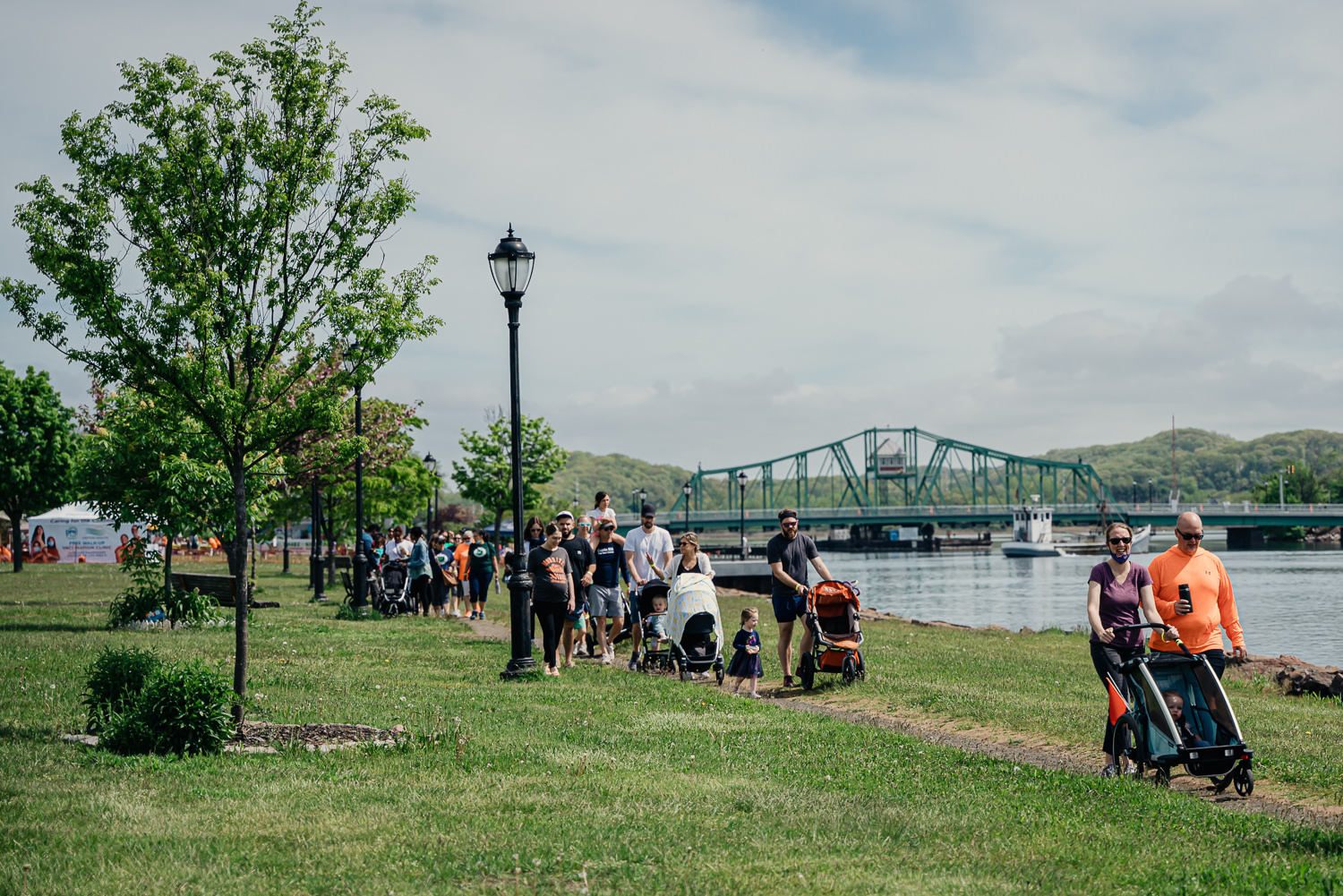
Amid all the activities and excitement, two messages resonated. The compassion theme of this year’s stroll — emphasized on stickers, bags, water bottles and banners — prompted attendees to consider “how do you share your kindness with others?” Special guests New Haven Mayor Justin Elicker, State Sen. Martin Looney, and State Rep. Robyn Porter joined the festivities and shared their commitment to supporting equitable access to quality early care.
“We’ll continue to work hard to make sure that our young people have what they need, and also their caregivers and parents have what they need so we can be whole families,” promised Porter.
Later in the evening, though clouds and drizzle dotted the sky, a smaller but equally passionate group came to the park to celebrate a significant milestone. The day before, Urban Resource Initiatives (URI) had planted its 10,000th tree, fulfilling a campaign launched in 2010 to plant street trees to improve the urban infrastructure and help make Elm City a tree-friendly city once again. The 10,00th tree, a shingle oak, was planted feet from the Quinnipiac River. Fittingly, to celebrate the occasion, a party in the park was in order. Sponsored by the New Haven Green Fund, the event included sweet songs from Goodnight Blue Moonshine, food from local food trucks, and an award presentation acknowledging the commitment of volunteers, partners, staff members, funders, and advocates.
Similar to the earlier gathering, the consideration of equity and justice underscored the festivity. “Nationally, low-income and majority Black and Brown neighborhoods have disproportionately fewer trees, which can be a source of clean air, temperature control, and beauty.” (New Haven Independent).
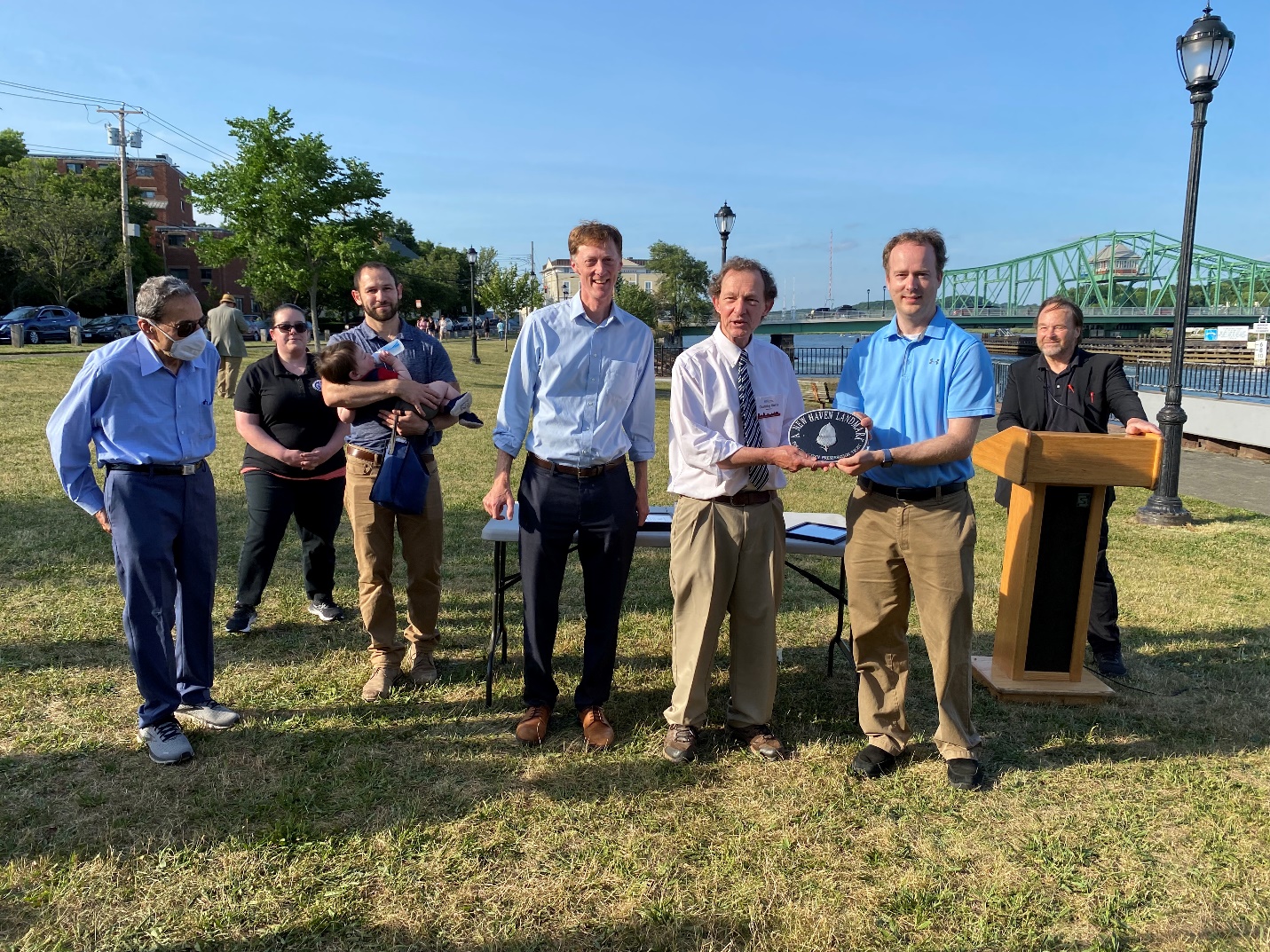
In June, the New Haven Preservation Trust hosted its annual preservation awards at the Park. A crowd of around sixty people, mainly local residents, members of the Trust, and award recipients, were present on a sunny late-afternoon to see this year’s honorees receive their awards. All three awards were for projects located in Fair Haven: a 19th century shipbuilder’s house on Perkins Street, two houses joined and reinvented as classroom space for the Cold Spring School, and the late nineteenth-century Grand Avenue Bridge. Mayor Elicker gave introductory remarks and joined the team from the City in receiving the award honoring the recent work on the bridge, which formed the background to the event.
No swimming in the rain
River testing reveals big difference in bacteria levels after rainfall
It was a cold and windy day in mid-October. Bundled in winter coats, a dozen people gathered at Wharton Brook State Park. Swimming wasn’t on the agenda, but it was in mind, as they had come to hear the results of the River Advocates recent tests for bacteria levels in the local rivers and streams, indicating how fit they are for recreation.
State Rep. Mary Mushinsky, executive director of River Advocates, shared their findings. High levels of bacteria impaired water quality at nearly all 20 testing sites following rainfall. However, during dry conditions, the results were dramatically different, with bacteria levels at many of the sites low enough to make the water suitable for public use, including swimming.
Testing was conducted at multiple locations along the Mill, West and Quinnipiac Rivers on two different days in September: one dry day without previous rainfall, and one wet day, following more than an inch of rainfall. Testing sites spanned Wallingford, Cheshire, North Haven, Hamden and New Haven.
Volunteers collected samples and then delivered them to two labs to analyze for the bacteria that indicates sewage or animal waste contamination: e-Coli in freshwater and Enterococcus in brackish water (the mixture of saltwater and freshwater).
On the dry day, the results proved surprisingly good. Although the four brackish water sites in New Haven had unacceptably high bacteria levels, the remainder had levels low enough for recreational activity, with eleven of them even meeting the standard for designated swimming areas.
In contrast, on the wet day, 19 of the 20 testing areas failed to meet any recreational standards “in a big way,” emphasized Mushinsky, most of them with bacteria counts so high they exceeded the mathematical limits of the test.
So why such extreme differences in the wet vs. dry results, and what can be done to reduce the dangerously high bacteria loads on rainy days?
E-coli and enterococcus indicate the presence of human and animal waste. In developed areas, with lots of pavement, parking lots and pipes, rainfall easily carries this waste into the rivers, from dog poop to lawn fertilizer.
In older cities like New Haven the problem is exasperated by combined sewer systems where industrial wastewater, domestic sewage and stormwater all share the same pipes. Under normal conditions, the pipes transport the wastewater to a sewage treatment plant, where it is treated and then discharged into the nearest waterbody. However, in heavy rainfall, the water volume can exceed the capacity of the pipes or treatment plant, resulting in overflows of untreated waste flowing directly into the watershed.
Such overflows are a priority water pollution concern in municipalities across the U.S.In New Haven, the work has begun, but the expense of the project makes the timelines slow. In the meantime, other efforts are required to reduce the bacteria load. “Towns and cities must clean up runoff, both for their own residents and for downstream populations,” read the River Advocates statement, which also provided the following recommendations. Towns can create natural buffers to hold and purify water and promote the use of natural landscaping with plants, trees and soil, rather than paved surfaces. Residents can pick up after their dogs, create rain gardens to capture water, and ensure septic systems are properly maintained.
The testing project was made possible by the Quinnipiac River Fund and the Greater New Haven Green Fund. Looking ahead, the River Advocates hope that further testing will be able to pinpoint sources of contamination in order to improve segments of the rivers and tributaries. With the hope that someday, whether rain or shine, the waters in south central Connecticut will run clean and be all clear for swimming and summer fun.


New Outdoor Rowing and YOGA Classes
NEW OUTDOOR ROWING AND YOGA CLASSES
Canal Dock Boathouse introduces fitness classes with a fantastic view
Canal Dock Boathouse re-opens with OUTDOOR fitness classes and youth camps
After a long and difficult 2020 for all of us, Canal Dock has re-opened its doors to offer safe and socially-distanced activities to help you get fit, have fun and enjoy New Haven’s beautiful waterfront.
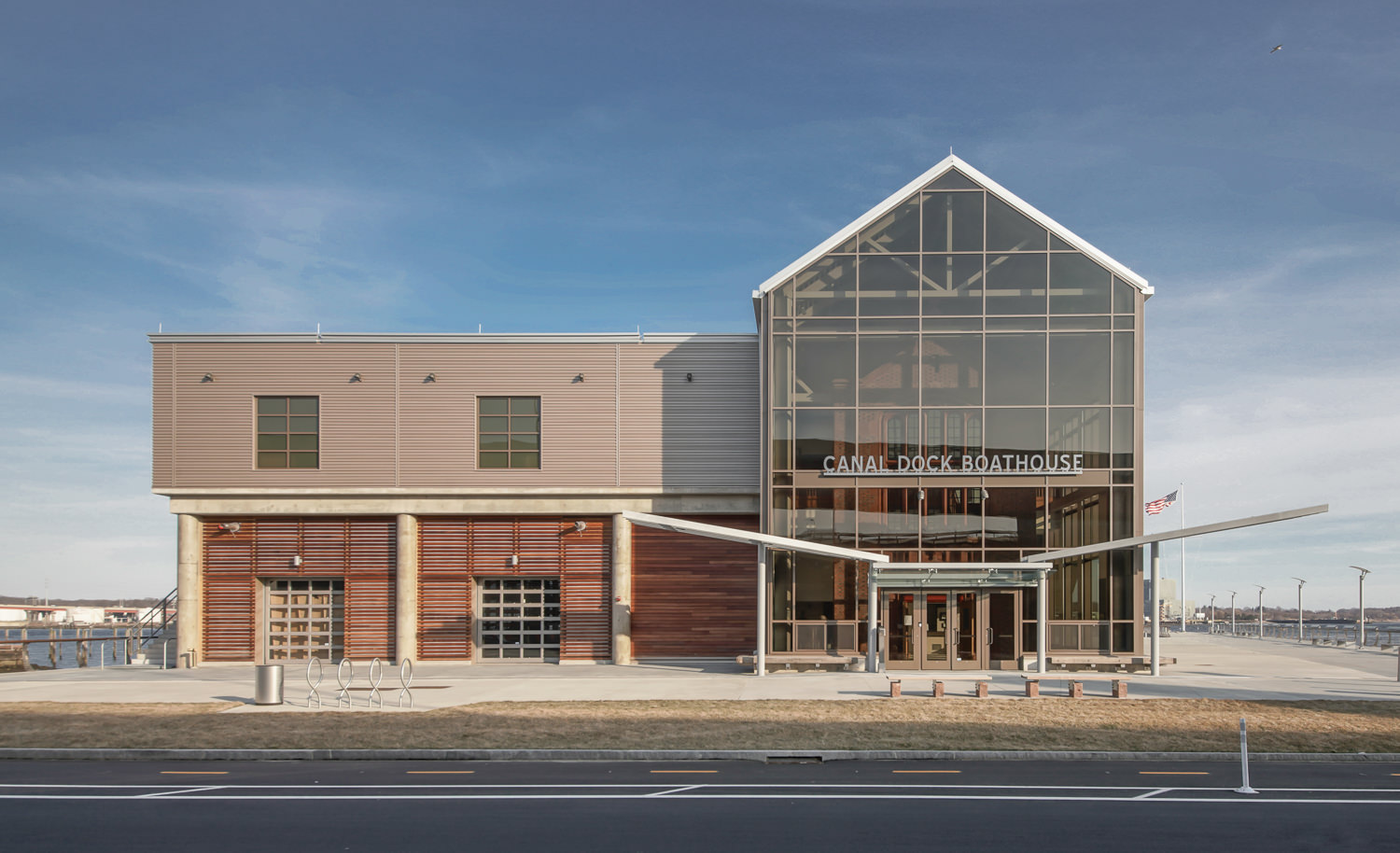
Partnering with the City of New Haven, the Canal Dock Boathouse has a robust season of activity planned, both in the water, and at Boathouse on Long Wharf, including monthly community days, outdoor dry-land rowing classes and yoga on the platform! We are also planning to conduct week-long introductory and intermediate skill level summer rowing camps for high school youth.
OUTDOOR FITNESS CLASSES
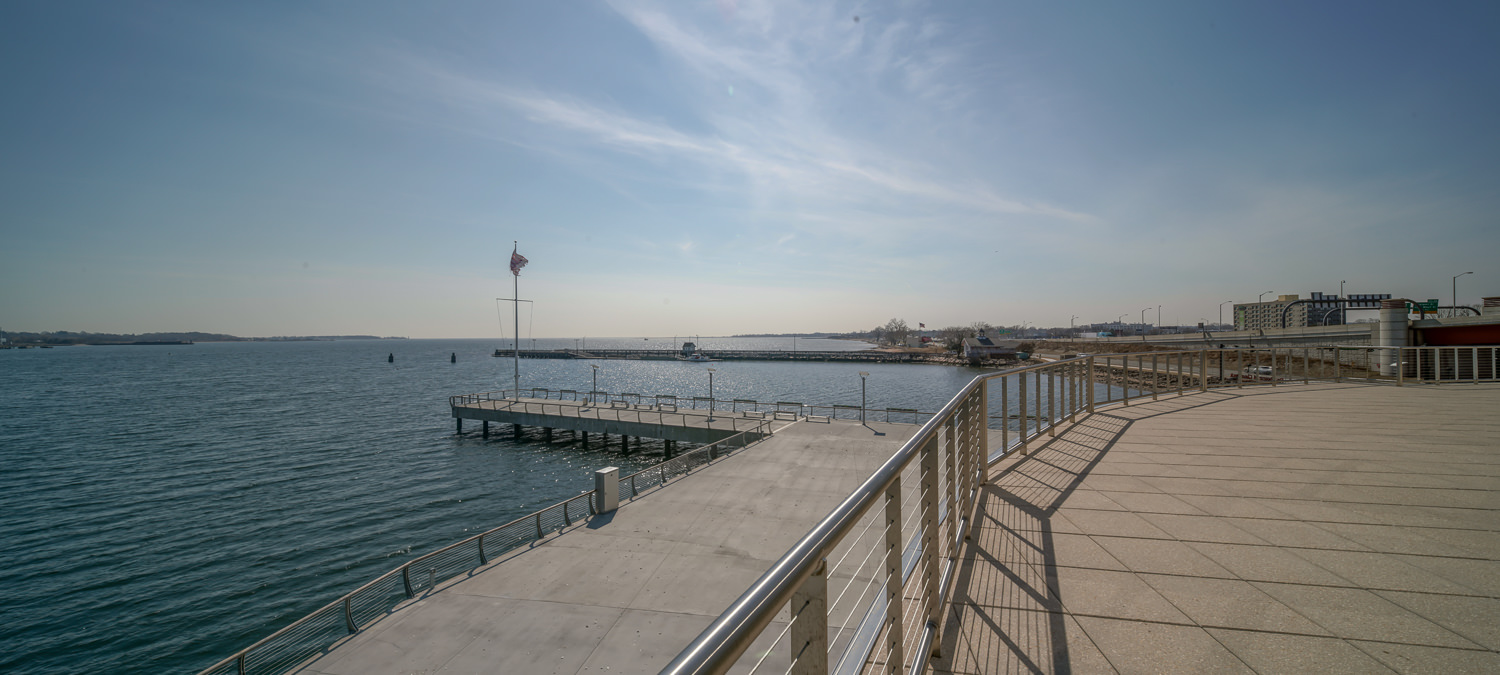
To help you get out of the house and get moving again, we’ll be offering rowing and yoga classes OUTSIDE on boathouse’s expansive platform, which provides an outstanding view of New Haven Harbor and ample amount of space to maintain an appropriate distance between participants.
- All of Canal Dock’s fitness classes are $10.00 per class for nonmembers, and are free to Canal Dock members.
- We reserve no-cost slots for New Haven residents who have household incomes below the Area Median Income Level. Please contact Hollis at hollis@canaldock.org for more information.
- Pre-registration is required for all Canal Dock fitness classes.
- Masks are required for participation in all classes
Dry Land Rowing
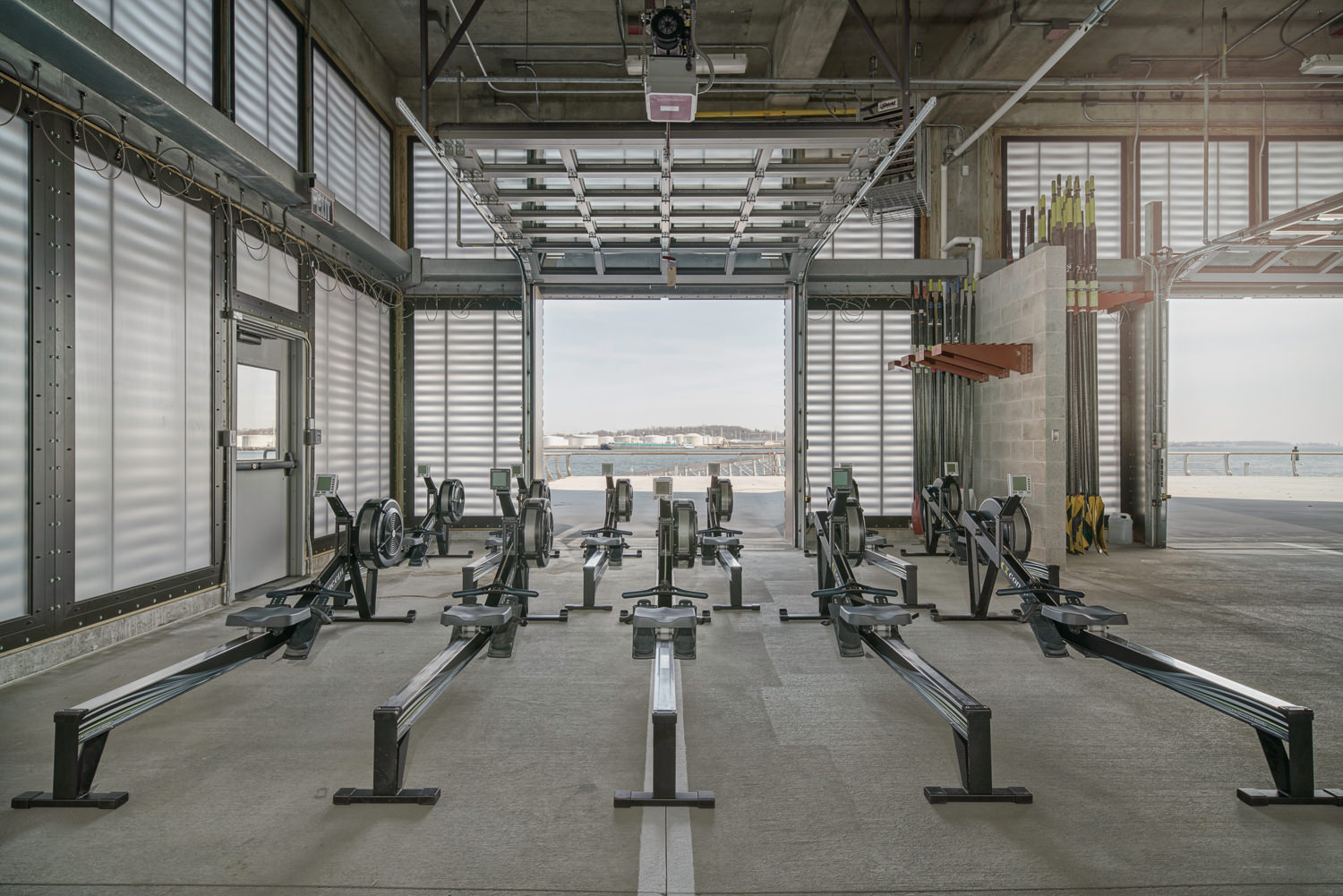
Featuring Concept 2 rowing machines, our outdoor rowing classes are available on Saturday from 8:45 am – 9:45 am and, beginning in May, Mondays 5:30 – 6:30 pm. Rowing is a full body work out that uses nine major muscle groups and is easy to learn. No prior experience necessary!
CLICK HERE TO REGISTER FOR DRY LAND ROWING CLASSES!
Yoga On The Platform
Led by Justyne from Nomad Yoga and Barre, Yoga On The Platform classes are offered Saturday mornings 10:00 am – 11:00 am and, beginning in May, Tuesday evenings 5:30 – 6:30 pm. Yoga provides an excellent physical strengthening and promotes mental health and wellbeing, and our provide the added benefits of fresh air and water views.
CLICK HERE TO RESERVE YOUR SPOT FOR YOGA ON THE PLATFORM!
SUMMER ROWING CAMPS
Canal Dock’s Intro to Rowing program offers high school youth an opportunity to learn rowing in a safe and supportive environment. No prior sculling or rowing experience is necessary to register! Available for 9th – 12th graders, the camp provides opportunity for participants to scull in single shells, learn plyometric and stretching exercises, row on Concept 2 ergometers, and have fun exploring New Haven’s water ways. By the end of the one week program, beginners will become “rowers,” having learned the basics of sculling, including: how to carry a single shell, how to launch and land from a fixed dock, turning and maneuvering techniques, and how to clean and properly care for the shells and oars.
- Available for students in 9th – 12th grade
- Each camp runs for one week, Monday – Friday, from 7:30 am – 12:30 pm
- Space is limited. Reserve your spot today!
- Please contact Hollis at hollis@canaldock.org for more information
CLICK HERE TO REGISTER FOR CANAL DOCK’S SUMMER ROWING CAMP!
ROWING AND PADDLING MEMBERSHIPS
Canal Dock offers affordable memberships to women and men interested in participating in boating activities and socially-distanced outdoor fitness classes. Canal Dock also offers space rental to store your own small craft for convenient access to the harbor. For more information about joining Canal Dock as a rowing or paddling member, please contact Hollis at hollis@canaldock.org.
Photograph © Ian Christmann
Photograph © Ian Christmann
 Photograph © Ian Christmann
Quinnipiac: The People of the Long Water Land
CONNECTICUT HISTORY.ORG — Once a common sight in Connecticut’s towns, itinerant Indian crafters walked miles across the state, selling all sorts of brooms, baskets, herbs, and other Native goods. In the late 18th century, several such vendors were known to the people of Guilford as town residents.