What makes oysters happy?

UCONN researcher studies oyster reefs in Quinnipiac River and Morris Creek

The creek was said to be dead. Industrialization and decades of pollution took its toll on many Connecticut rivers and tributaries, including Morris Creek which empties into New Haven harbor in Lighthouse Park. But when UCONN researcher Dr. Zofia Baumann visited the area in June 2016 to scout locations for mercury testing in fish and oysters, she discovered vibrant life normally hidden beneath the current. Clusters of thin, sharp oblong shells rose from the muddy creek bed. Zofia had read about such oyster reefs and seen them in environmental shows, but had never encountered them in nature. 


Dr. Zofia Baumann found inspiration in the Morris Creek oyster reefs

The scene captivated Zofia and inspired her to learn more about eastern oysters, their history along the Connecticut coastline, and the parameters that help them thrive. With support from the Quinnipiac River Fund, Zofia launched a project to track to measure oyster size, reef density, as well as the water quality variations in oyster habitats, focusing specifically on Morris Creek and the Quinnipiac River.

“By studying where we know oysters are happy, we can help restoration efforts and hopefully continue to see a resurgence in the population of oysters and other marine life,” explained Zofia.

Zofia chose Morris Creek based on its ecology and current use. As a tidal creek, Morris Creek offers a welcome environment for oyster reef formation, including a mix of salt and fresh water; a muddy bottom, shelter from large waves and adjacent salt marshes which provide added protection and filtration. Additionally, the Creek offers protection from human disturbance because both commercial and recreational harvesting is prohibited by the Bureau of Aquaculture.
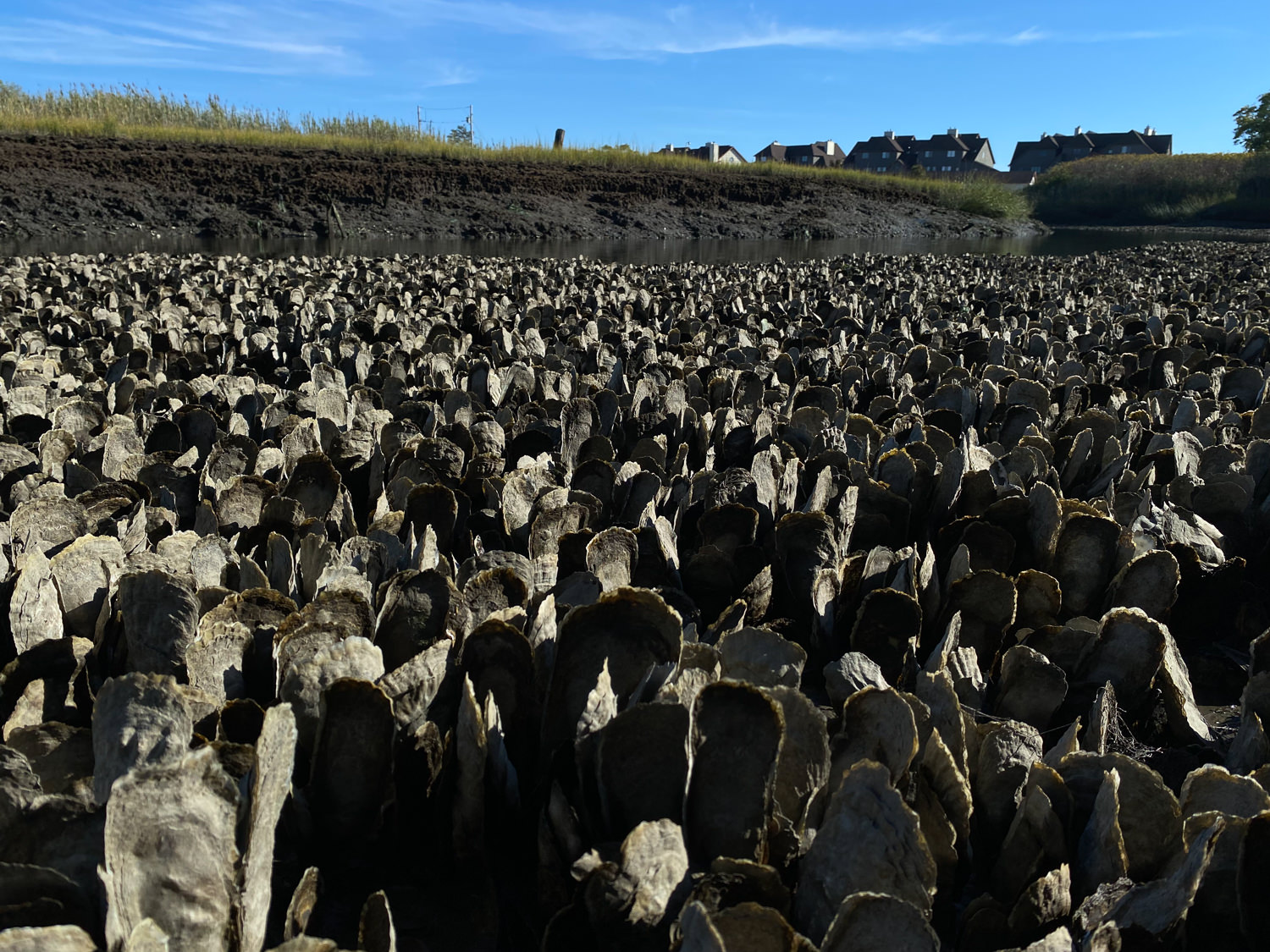
With more tributary rivers per linear coastline mile than any other region in the country, Connecticut offers an ideal environment for oysters to flourish. And indeed they have for centuries. Both abundant and accessible, oysters became a staple in the diet of shoreline indigenous people, and later a valuable source of food and trade for the European settlers in the area. As Connecticut oysters made their way to tables all over the world — including the plates of England’s royalty — their renown grew rapidly. 

Consumed and harvested in great quantities, overfishing began depleting oyster beds and spurred the creation of laws regulating their taking. In 1762 New Haven made it illegal to take oysters during their summer spawning months and then, in 1766, the town outlawed dredging. 

Increasing demand and dwindling oyster beds inspired a new era of oyster cultivation. In the 1820s, Connecticut oystermen began gathering free-swimming larvae and planting them on artificial beds made of oyster shells where, in 18 – 24 months, they grew into maturity. 

By the end of the century, oyster farming in Connecticut peaked with more than 15 million bushels in a single year, but soon faced bigger challenges. As industry and shoreline development increased, heavy metals and raw sewage drained into the waterways at unregulated and alarming rates. 

As filter feeders, oysters consume phytoplankton or algae by filtering water in and over their gills. Some adult oysters can filter up to 50 gallons of water a day, providing a valuable environmental service to their habitat. While most unwanted indigestibles leave the oysters in feces, if pollution levels are high, these hard-working shellfish can carry dangerous toxins that can be passed on to humans when eaten.

In 1892, after 29 college students became infected with Typhoid, investigation revealed that all had consumed oysters grown at the mouth of the Quinnipiac, in proximity to a house with two known cases of the fever, and sewage pipes that drained directly into the river. Later, in the mid 1920s, oysters took the blame for another Typhoid outbreak. The bad press, combined with economic depressions, had a quick and drastic impact on the oyster industry. Within a few decades, the oyster industry in Long Island Sound had declined more than 97 percent, producing a mere 40,000 bushels a year. 

In 1967, Connecticut’s Clean Water Act brought new hope for the bivalve mollusks. As sewage regulations began to restore water quality, oyster growers sought to revive oyster populations by depositing clean oyster shells on old oyster grounds in estuaries and rivers where oysters once thrived.

Decades later, such cultivation continues to contribute to oyster’s resurgence. Despite a drastic setback in the late 1990s, when a water temperature spike bloomed naturally occurring parasites that destroyed 80 – 90 percent of the state’s oysters, Connecticut is on its way to reclaim its former oyster fame, a benefit to the environment and foodies alike.

Leading the charge in New Haven and Fairfield County is Copps Island Oysters, a fourth-generation, family-owned shellfish farm. Copps Island leases rights to acclaimed oyster grounds throughout Long Island Sound, as well as many historically oyster rich rivers, such as the Quinnipiac. Committed to protecting Connecticut’s waters and helping once defunct oyster habitats thrive, Copps Island proactively invests in areas where harvesting is still prohibited such as Morris Creek. In July 2012, the company laid clean shells in the Creek, which catalyzed the reef’s re-propagation. 

Though oysters are now plentiful in Morris Creek, harvesting there remains prohibited due to the unavailability of current sanitary surveys or the potential of pollution sources that could cause a public health risk.
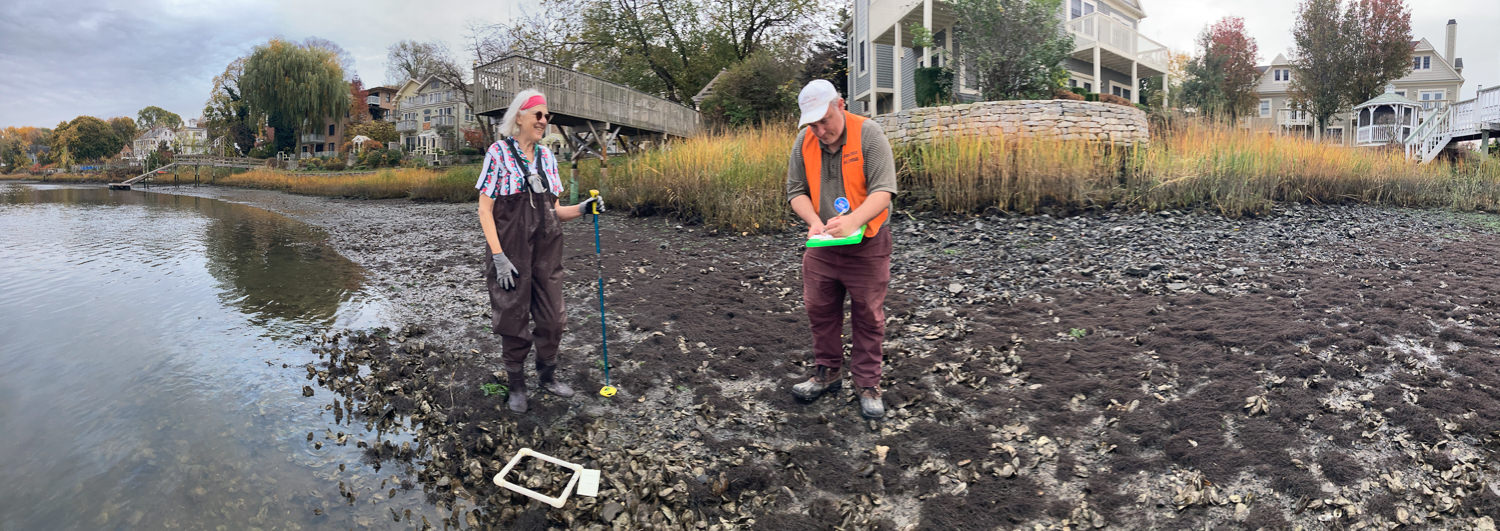
Lynn Bonnett and Aaron Goode of the New Haven Bioregional group assess quantity and sizes of living and dead oysters in Quinnipiac’s intertidal zone

Zofia knew that successfully monitoring Morris Creek oyster health was not a one-woman job. She enlisted the support of many collaborators including Dr. Mary Beth Decker, research scientist from Yale School of the Environment; Lynne Bonnett from New Haven Bioregional Group; and Richard Harris, retired scientist with Copps Island Oysters.

Zofia installed water quality data loggers in both Morris Creek and the Quinnipiac to obtain continual measurement of water salinity, oxygen, pH, temperature and water levels. With this data, she is creating a metrics table to document what the oysters experience.

In addition to monitoring, another of Zofia’s project goals was to create public awareness and involvement. To do this, she invited local community members, volunteers and students to Morris Creek — where the oysters are more accessible — to participate in measuring and tracking oyster density, mortality and the presence of juvenile oysters, called spat, in the reef. 

On a beautiful Thursday afternoon in October, 16 helpers joined Zofia at the creekside. Donning waders and calipers, they counted and recorded oyster quantity, location and size. The volunteers included 11 students from Sound School’s after school environmental justice program, environmentally-minded citizens, and local neighbors like Barry and Debbie Flynn, who live nearby the creek and came out to lend a hand.

“When our kids were young, we did field trips and a lot of exploring in this area,” Debbie said. “Now our daughter is a marine biologist.”
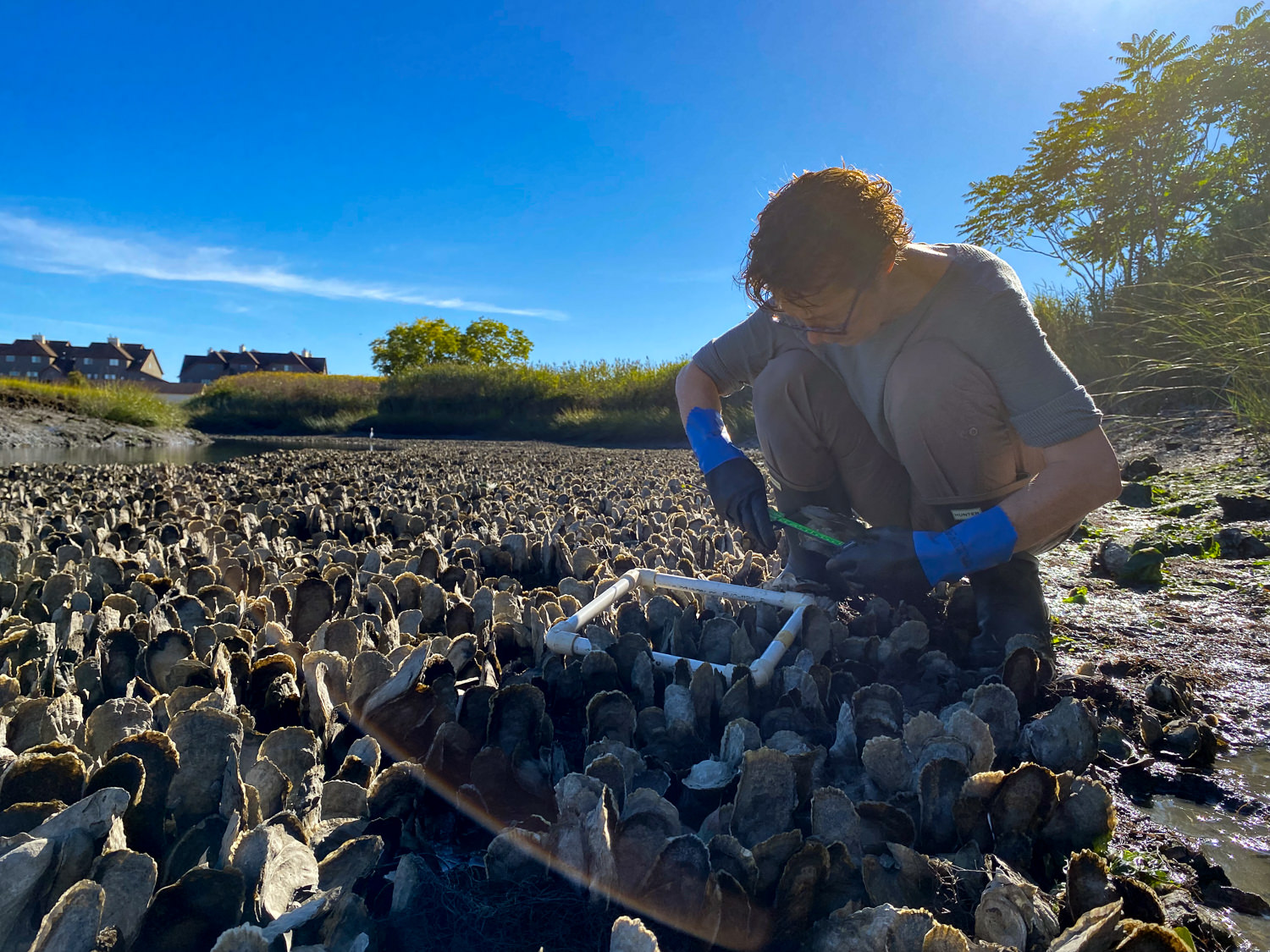
Debbie Flynn measures Morris Creek oyster density with calipers and Quadra

In November, more volunteers joined Zofia for monitoring and measuring on the banks of the Quinnipiac.  And for Zofia, the sight of all these intrepid collaborators, trekking through the mud at Morris Creek or gathering on the banks of the Quinnipiac, is perhaps as thrilling as the sight of the reef’s themselves.
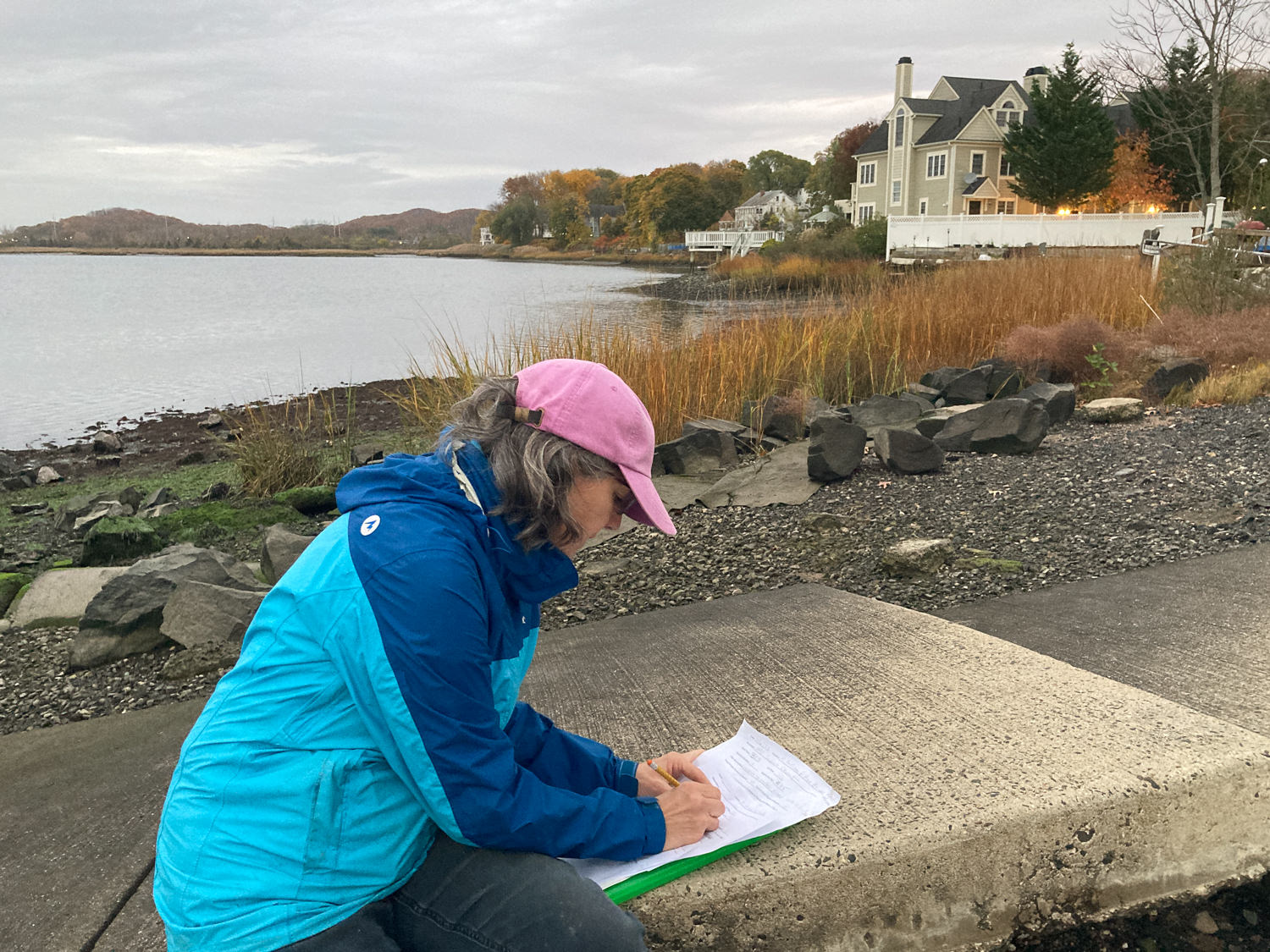
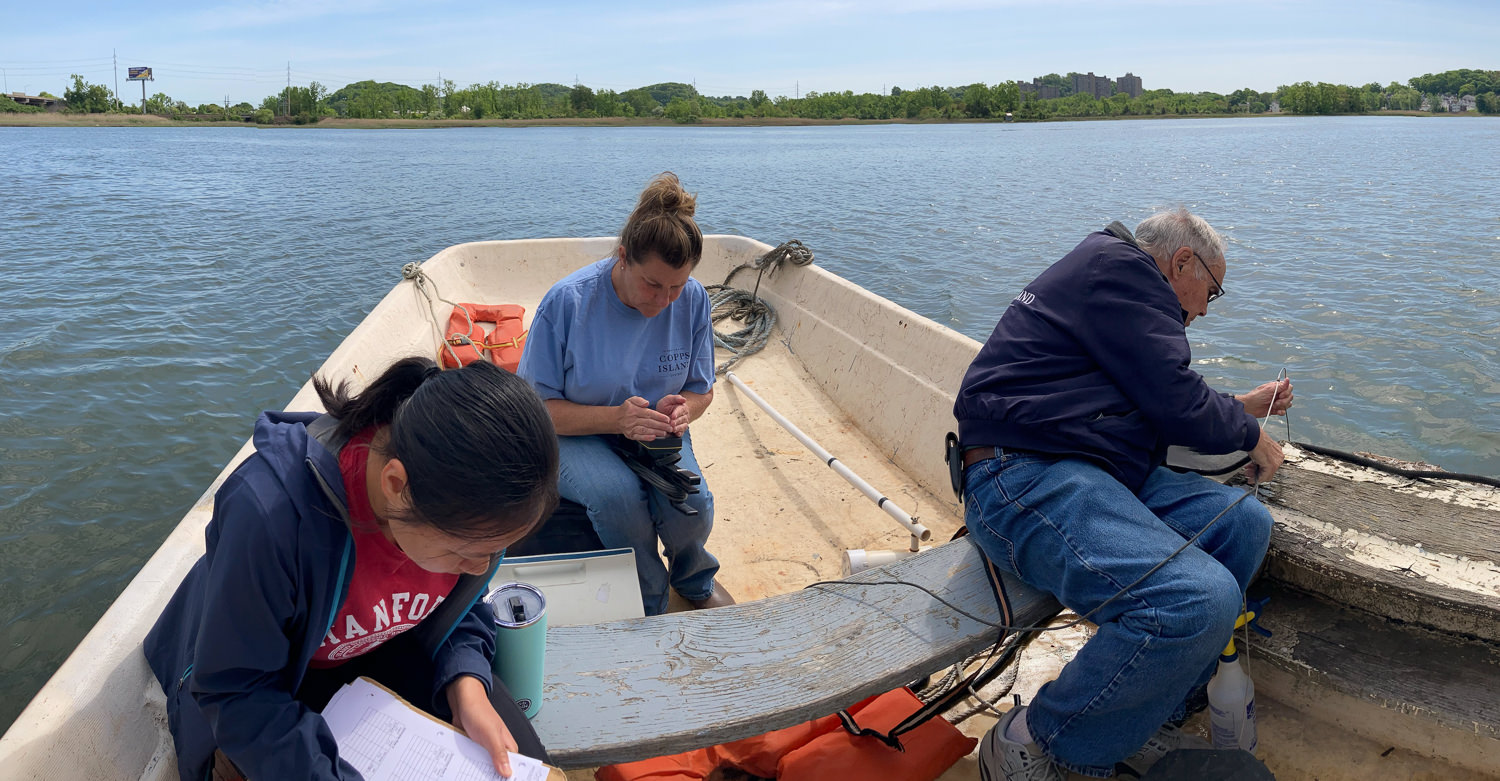
Dr. Mary Beth Decker from Yale reviews oyster data sheets at the Quinnipiac River boat launch on Clifton Street.


Richard Harris and Christine Griffith from Copps Island Oysters work with Jessica Li, a student from Weston High School, to monitor water quality on the Quinnipiac River.

“To improve environmental issues anywhere, you can’t just rely on the scientific community. We are a limited workforce. We need everyone’s engagement,” Zofia explained. “Once you start doing this work, you feel more connected, you begin caring about the place, and become a better more powerful advocate.” 

Leveraging the support of Quinnipiac River Fund, Zofia plans to continue and expand her research with additional grants and partnerships.

Click here for more information on regulations for oyster harvesting and other shellfish.

https://shellfish.uconn.edu/wp-content/uploads/sites/62/2022/06/CTSRG_June9.pdf

No swimming in the rain

River testing reveals big difference in bacteria levels after rainfall

It was a cold and windy day in mid-October. Bundled in winter coats, a dozen people gathered at Wharton Brook State Park. Swimming wasn’t on the agenda, but it was in mind, as they had come to hear the results of the River Advocates recent tests for bacteria levels in the local rivers and streams, indicating how fit they are for recreation.

State Rep. Mary Mushinsky, executive director of River Advocates, shared their findings. High levels of bacteria impaired water quality at nearly all 20 testing sites following rainfall. However, during dry conditions, the results were dramatically different, with bacteria levels at many of the sites low enough to make the water suitable for public use, including swimming. 

Testing was conducted at multiple locations along the Mill, West and Quinnipiac Rivers on two different days in September: one dry day without previous rainfall, and one wet day, following more than an inch of rainfall. Testing sites spanned Wallingford, Cheshire, North Haven, Hamden and New Haven.

Volunteers collected samples and then delivered them to two labs to analyze for the bacteria that indicates sewage or animal waste contamination: e-Coli in freshwater and Enterococcus in brackish water (the mixture of saltwater and freshwater).

On the dry day, the results proved surprisingly good. Although the four brackish water sites in New Haven had unacceptably high bacteria levels, the remainder had levels low enough for recreational activity, with eleven of them even meeting the standard for designated swimming areas.

In contrast, on the wet day, 19 of the 20 testing areas failed to meet any recreational standards “in a big way,” emphasized Mushinsky, most of them with bacteria counts so high they exceeded the mathematical limits of the test.

So why such extreme differences in the wet vs. dry results, and what can be done to reduce the dangerously high bacteria loads on rainy days?

E-coli and enterococcus indicate the presence of human and animal waste. In developed areas, with lots of pavement, parking lots and pipes, rainfall easily carries this waste into the rivers, from dog poop to lawn fertilizer. 

In older cities like New Haven the problem is exasperated by combined sewer systems where industrial wastewater, domestic sewage and stormwater all share the same pipes. Under normal conditions, the pipes transport the wastewater to a sewage treatment plant, where it is treated and then discharged into the nearest waterbody. However, in heavy rainfall, the water volume can exceed the capacity of the pipes or treatment plant, resulting in overflows of untreated waste flowing directly into the watershed.

Such overflows are a priority water pollution concern in municipalities across the U.S.In New Haven, the work has begun, but the expense of the project makes the timelines slow.  In the meantime, other efforts are required to reduce the bacteria load. “Towns and cities must clean up runoff, both for their own residents and for downstream populations,” read the River Advocates statement, which also provided the following recommendations. Towns can create natural buffers to hold and purify water and promote the use of natural landscaping with plants, trees and soil, rather than paved surfaces. Residents can pick up after their dogs, create rain gardens to capture water, and ensure septic systems are properly maintained.

The testing project was made possible by the Quinnipiac River Fund and the Greater New Haven Green Fund. Looking ahead, the River Advocates hope that further testing will be able to pinpoint sources of contamination in order to improve segments of the rivers and tributaries. With the hope that someday, whether rain or shine, the waters in south central Connecticut will run clean and be all clear for swimming and summer fun. 


New Outdoor Rowing and YOGA Classes

NEW OUTDOOR ROWING AND YOGA CLASSES

Canal Dock Boathouse introduces fitness classes with a fantastic view

Canal Dock Boathouse re-opens with OUTDOOR fitness classes and youth camps

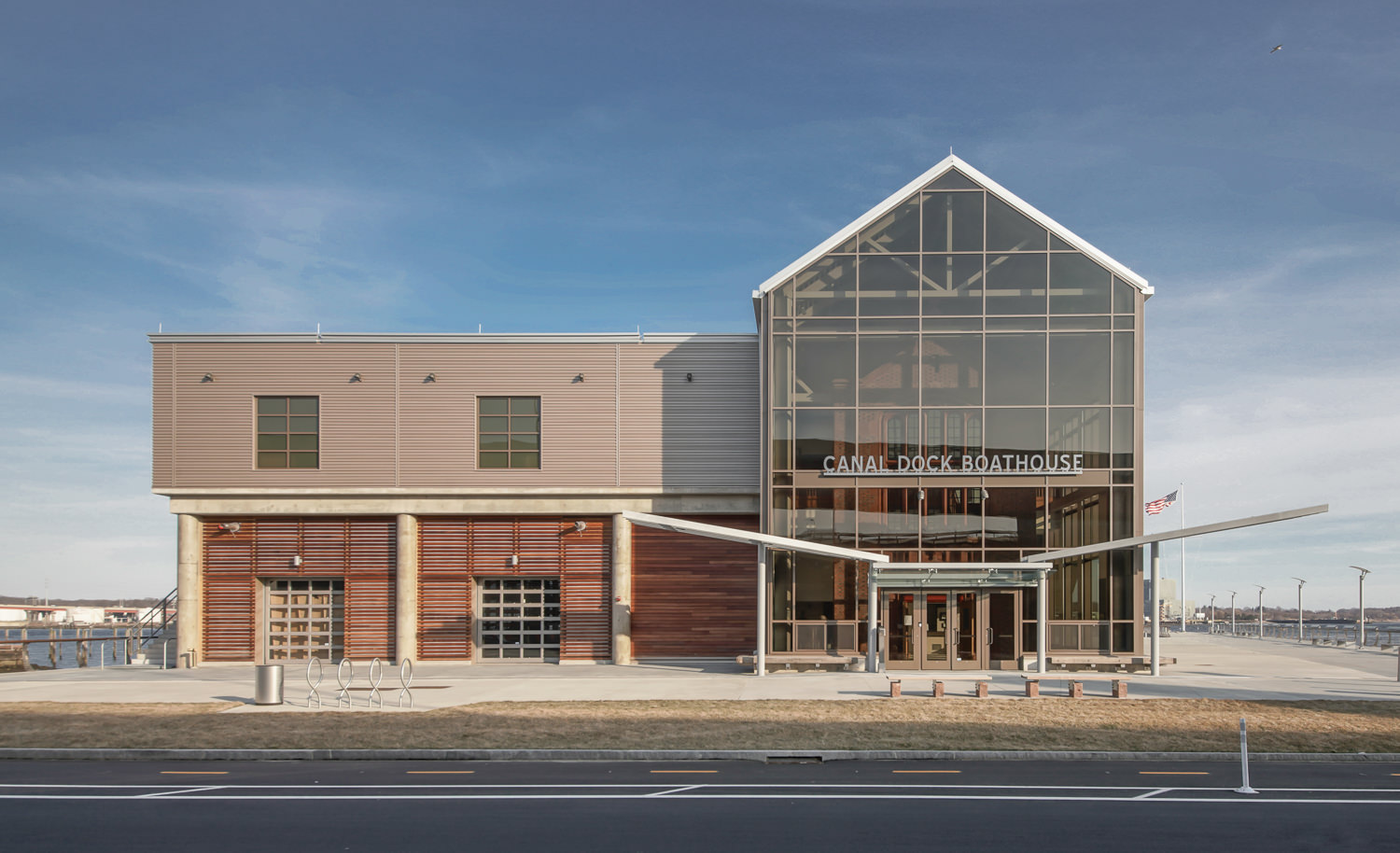
After a long and difficult 2020 for all of us, Canal Dock has re-opened its doors to offer safe and socially-distanced activities to help you get fit, have fun and enjoy New Haven’s beautiful waterfront.

Partnering with the City of New Haven, the Canal Dock Boathouse has a robust season of activity planned, both in the water, and at Boathouse on Long Wharf, including monthly community days, outdoor dry-land rowing classes and yoga on the platform! We are also planning to conduct week-long introductory and intermediate skill level summer rowing camps for high school youth.

OUTDOOR FITNESS CLASSES

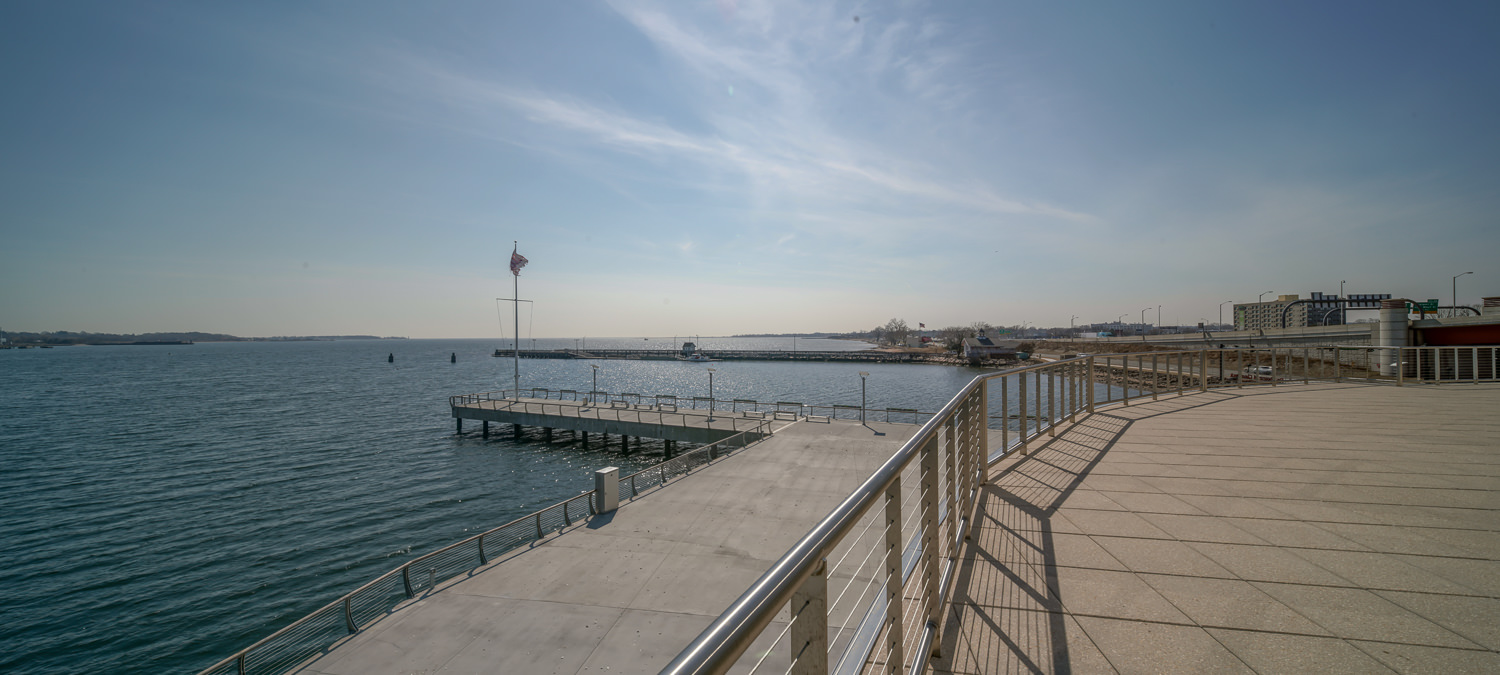
To help you get out of the house and get moving again, we’ll be offering rowing and yoga classes OUTSIDE on boathouse’s expansive platform, which provides an outstanding view of New Haven Harbor and ample amount of space to maintain an appropriate distance between participants. 

  • All of Canal Dock’s fitness classes are $10.00 per class for nonmembers, and are free to Canal Dock members. 

  • We reserve no-cost slots for New Haven residents who have household incomes below the Area Median Income Level. Please contact Hollis at hollis@canaldock.org for more information.

  • Pre-registration is required for all Canal Dock fitness classes.

  • Masks are required for participation in all classes

Dry Land Rowing

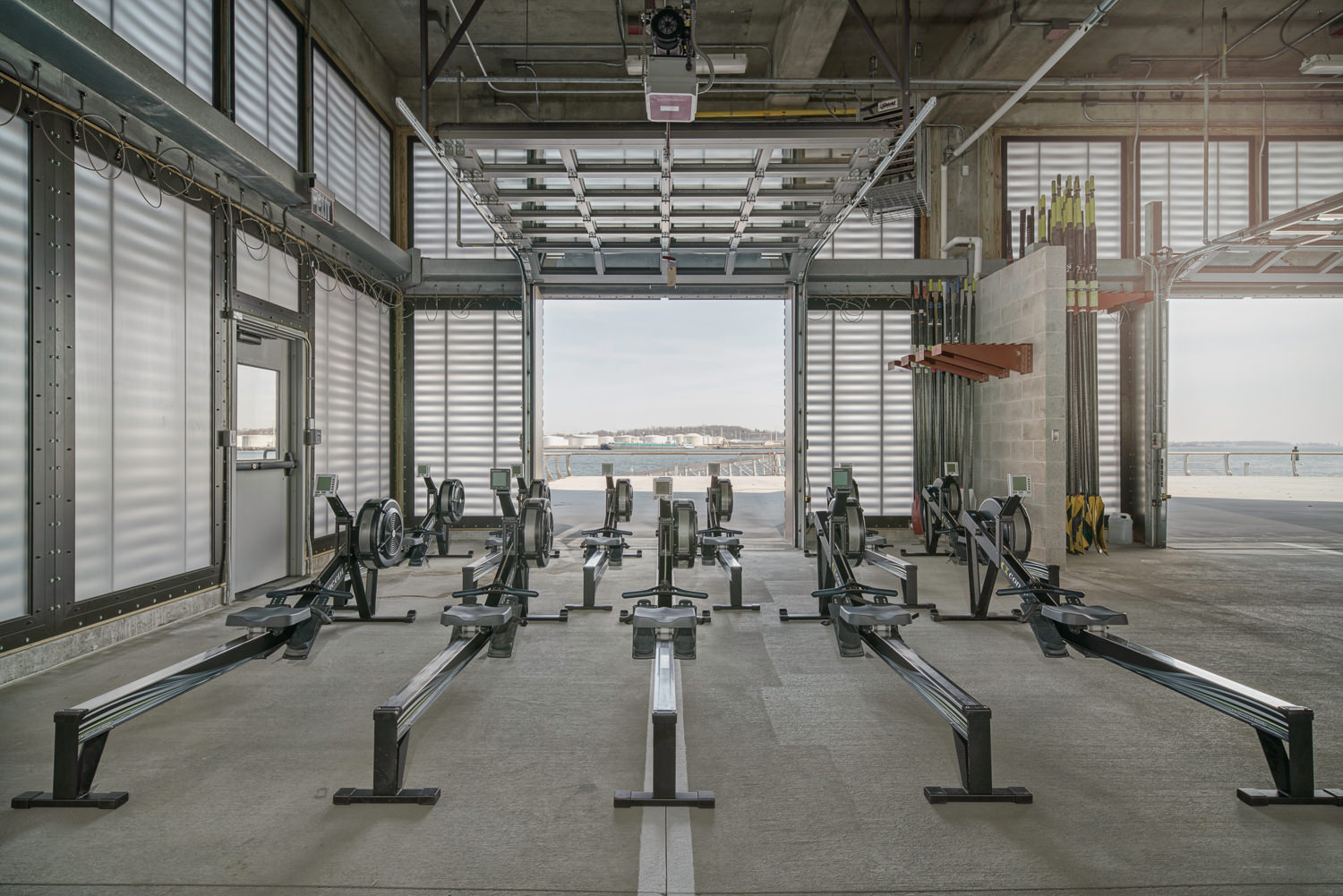
Featuring Concept 2 rowing machines, our outdoor rowing classes are available on Saturday from 8:45 am – 9:45 am and, beginning in May, Mondays 5:30 – 6:30 pm.  Rowing is a full body work out that uses nine major muscle groups and is easy to learn. No prior experience necessary!

CLICK HERE TO REGISTER FOR DRY LAND ROWING CLASSES!

Yoga On The Platform

Led by Justyne from Nomad Yoga and Barre, Yoga On The Platform classes are offered Saturday mornings 10:00 am – 11:00 am and, beginning in May, Tuesday evenings 5:30 – 6:30 pm. Yoga provides an excellent physical strengthening and promotes mental health and wellbeing, and our provide the added benefits of fresh air and water views.

CLICK HERE TO RESERVE YOUR SPOT FOR YOGA ON THE PLATFORM!

SUMMER ROWING CAMPS

Canal Dock’s Intro to Rowing program offers high school youth an opportunity to learn rowing in a safe and supportive environment. No prior sculling or rowing experience is necessary to register! Available for 9th – 12th graders, the camp provides opportunity for participants to scull in single shells, learn plyometric and stretching exercises, row on Concept 2 ergometers, and have fun exploring New Haven’s water ways. By the end of the one week program, beginners will become “rowers,” having learned the basics of sculling, including: how to carry a single shell, how to launch and land from a fixed dock, turning and maneuvering techniques, and how to clean and properly care for the shells and oars.

  • Available for students in 9th – 12th grade

  • Each camp runs for one week, Monday – Friday, from 7:30 am – 12:30 pm

  • Space is limited. Reserve your spot today!

CLICK HERE TO REGISTER FOR CANAL DOCK’S SUMMER ROWING CAMP!

ROWING AND PADDLING MEMBERSHIPS

Canal Dock offers affordable memberships to women and men interested in participating in boating activities and socially-distanced outdoor fitness classes. Canal Dock also offers space rental to store your own small craft for convenient access to the harbor. For more information about joining Canal Dock as a rowing or paddling member, please contact Hollis at hollis@canaldock.org.


Photograph © Ian Christmann

Photograph © Ian Christmann
PLASTIC POLLUTION: The hidden invasion

We’ve seen the images and heard the stories: turtles caught and choked in the plastic rings from six packs; sixty pounds of plastic and other debris discovered in a deceased whale; massive islands of garbage floating in the ocean, such as the Great Pacific Garbage Patch, estimated to be twice the size of Texas.

Plastic waste invades our planet, and the problem goes way beyond what meets the eye.

Our rivers and seas are teeming with microplastics — tiny plastic particles less than 5 mm in length. They come from cosmetics, synthetic clothes, degraded plastics, and have been found in virtually every part of our planet, from tropical sand and coastal waters, to Alpine soil and arctic ice.

Microplastics’ diminutive size makes them less noticeable than larger plastic debris, but potentially more deadly. Once ingested or inhaled, the plastic particles — and the chemicals they may carry — can accumulate up the for chain, causing adverse health problems and impacting entire ecosystems.

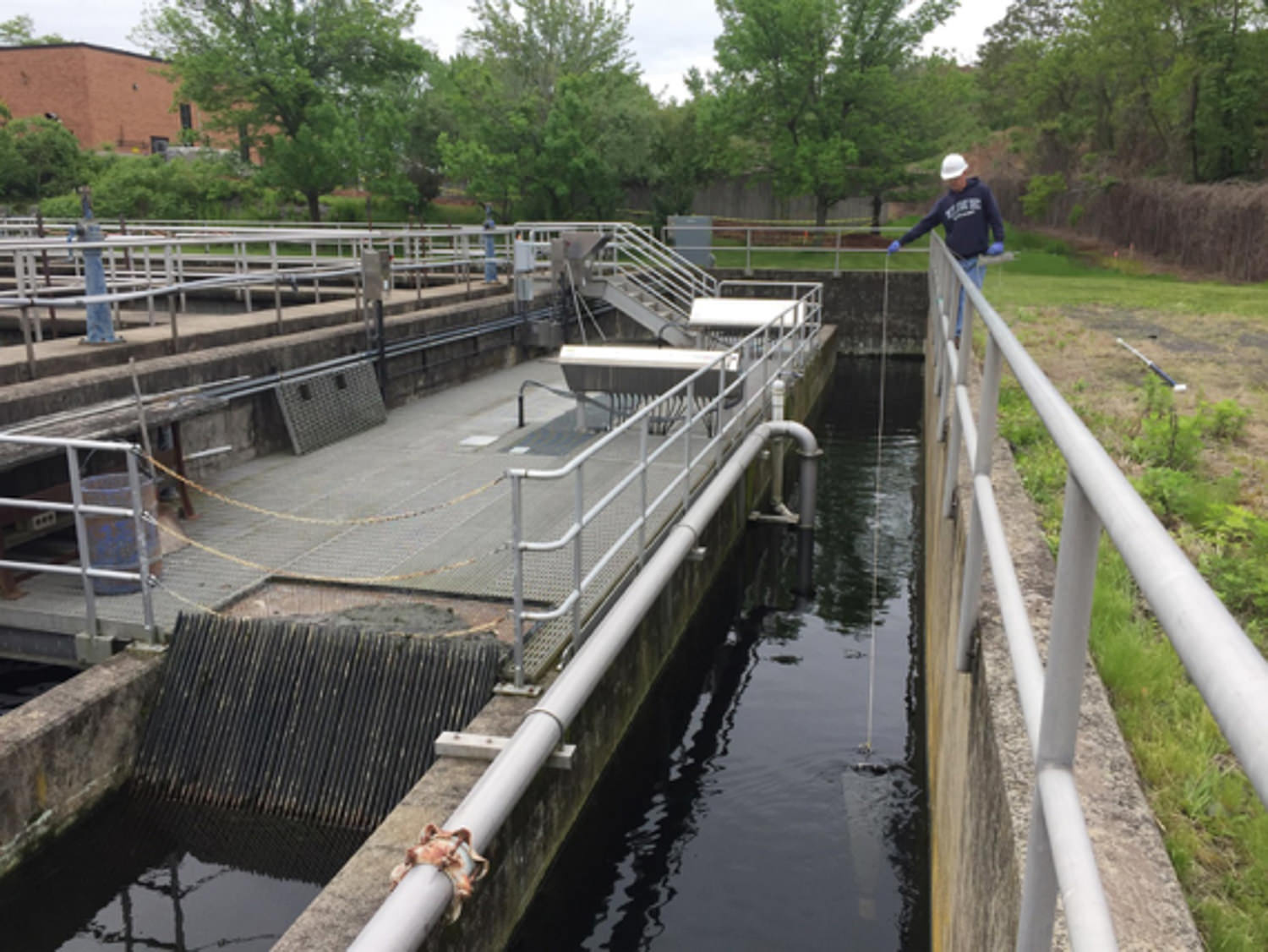
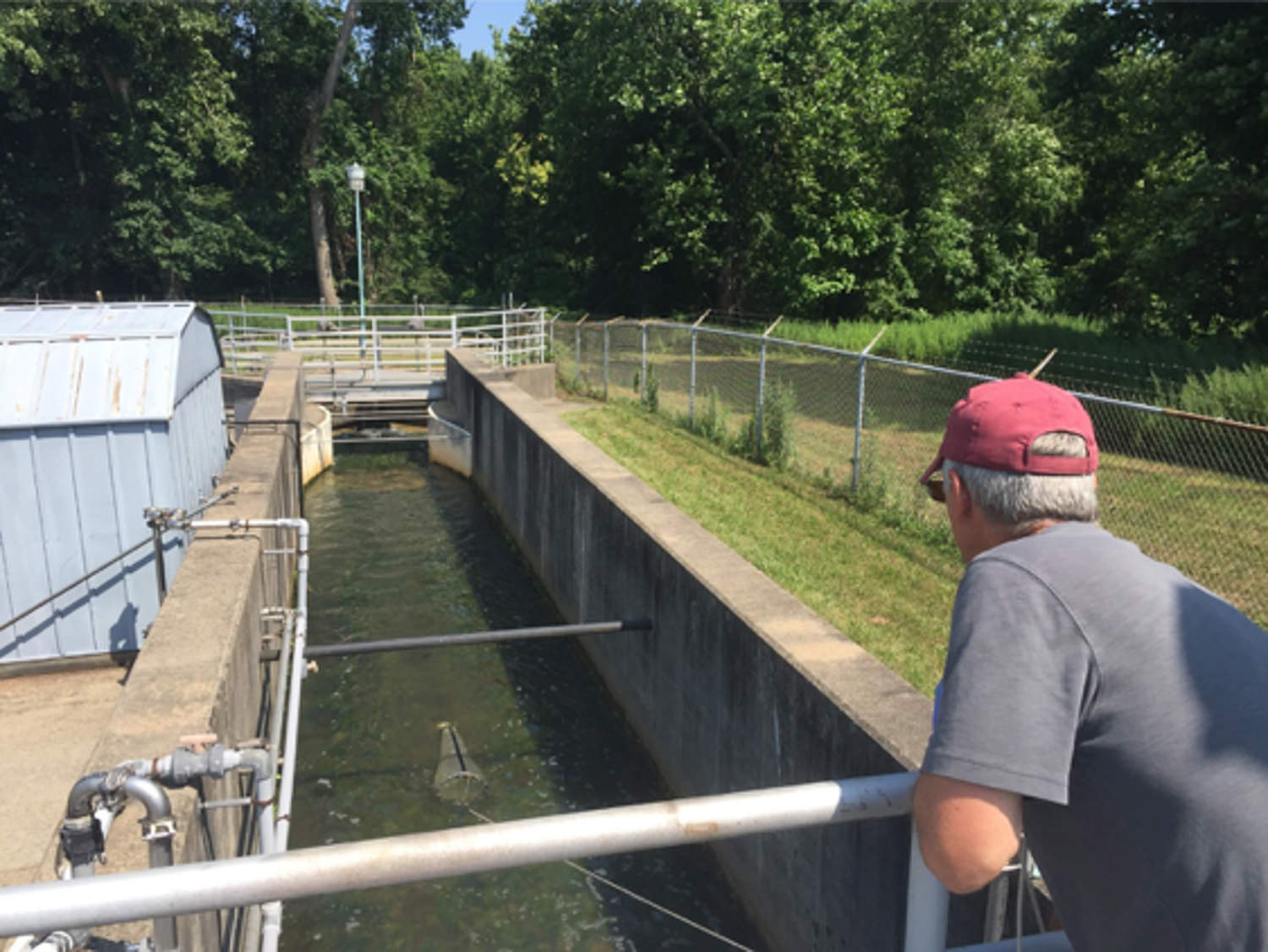
Quinnipiac River Fund supports numerous projects focused on understanding microplastics in the Quinnipiac watershed, including a Southern Connecticut State University study of the seasonal variation of these microplastics at waste water treatment facilities in North Haven and Meriden, conducted by Anthony Vignola and Vincent Breslin of the Werth Center for Coastal and Marine Studies.

Wastewater treatment plants (WWTPs) have been identified as one of the primary sources of microplastic contamination. Vignola’s study notes that though many WWTPs, including North Haven and Meriden, may have high efficiency rates for removing contamination, these systems are not specifically designed to remove microplastics. Plastic particles, and the problems they create, are quite literally falling, or rather flowing, through the cracks. Furthermore, because of the tremendous volume of micro plastics introduced into these WWTP systems, even small percentages of unfiltered plastics can still have significant environmental consequences.

Within the 11.6 million gallons of wastewater treated each day in Meriden, 746,000 microplastics are discharged, leading to an annual impact of more than 272 million microplastics. In North Haven, only 3.1 million gallons are treated daily, and with it a release of 200,000 microplastics, and an annual total of 72 million.

That’s nearly 350 million microplastics deposited into the Quinnipiac River each year from these two facilities alone. There are three additional WWTP’s discharging into the Quinnipiac, which means many hundreds of millions of microplastics polluting her water.

Unfiltered microplastics are only part of the problem, Vignola explains. Even the filtered microplastics can become problematic. These particles get trapped and accumulate in biosolid sludge that is regularly removed from the facilities and often used as fertilizer for farms or forests. If this waste is spread in a watershed, the accumulated plastics have the potential to directly reenter the waterways.

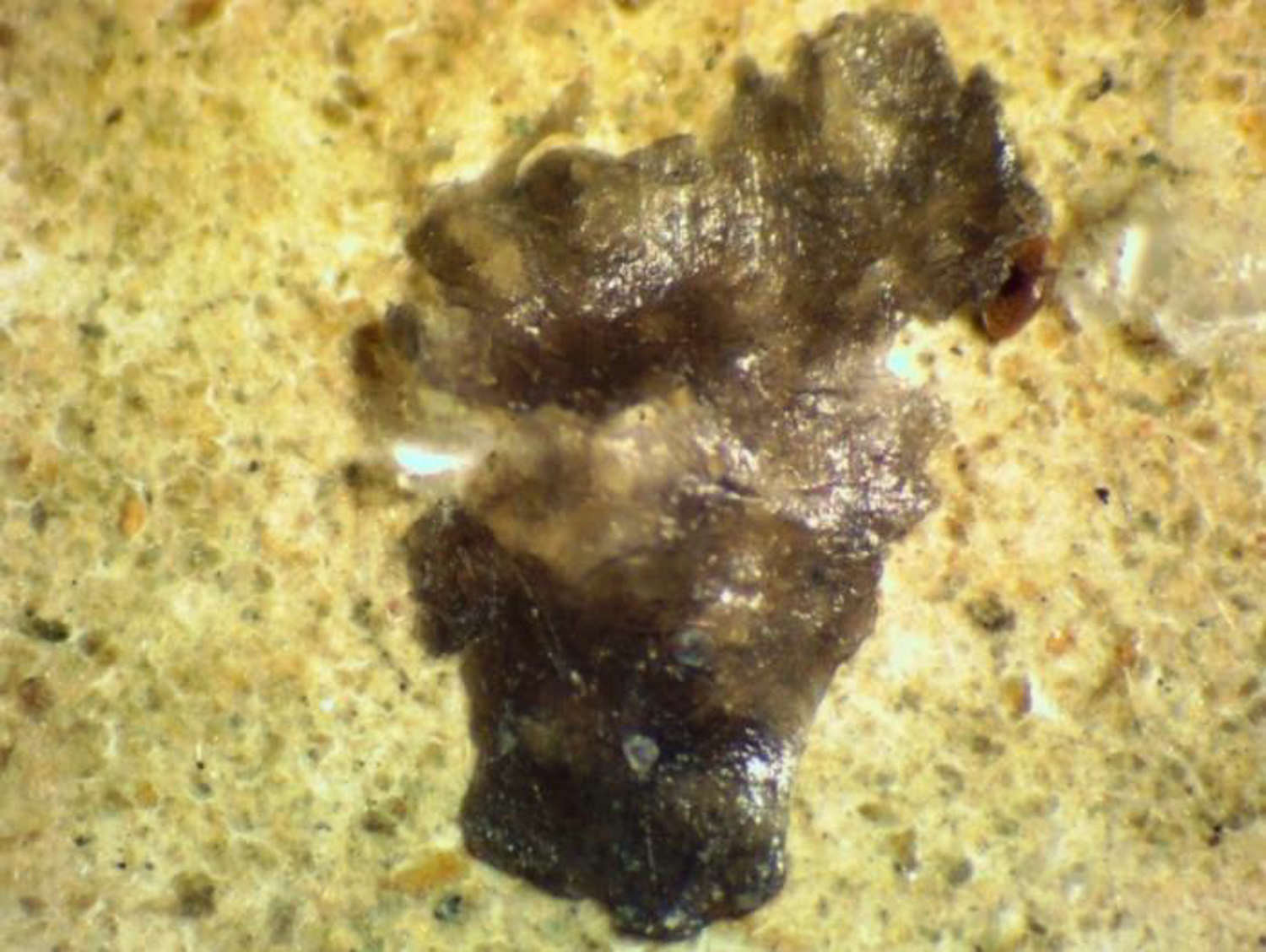
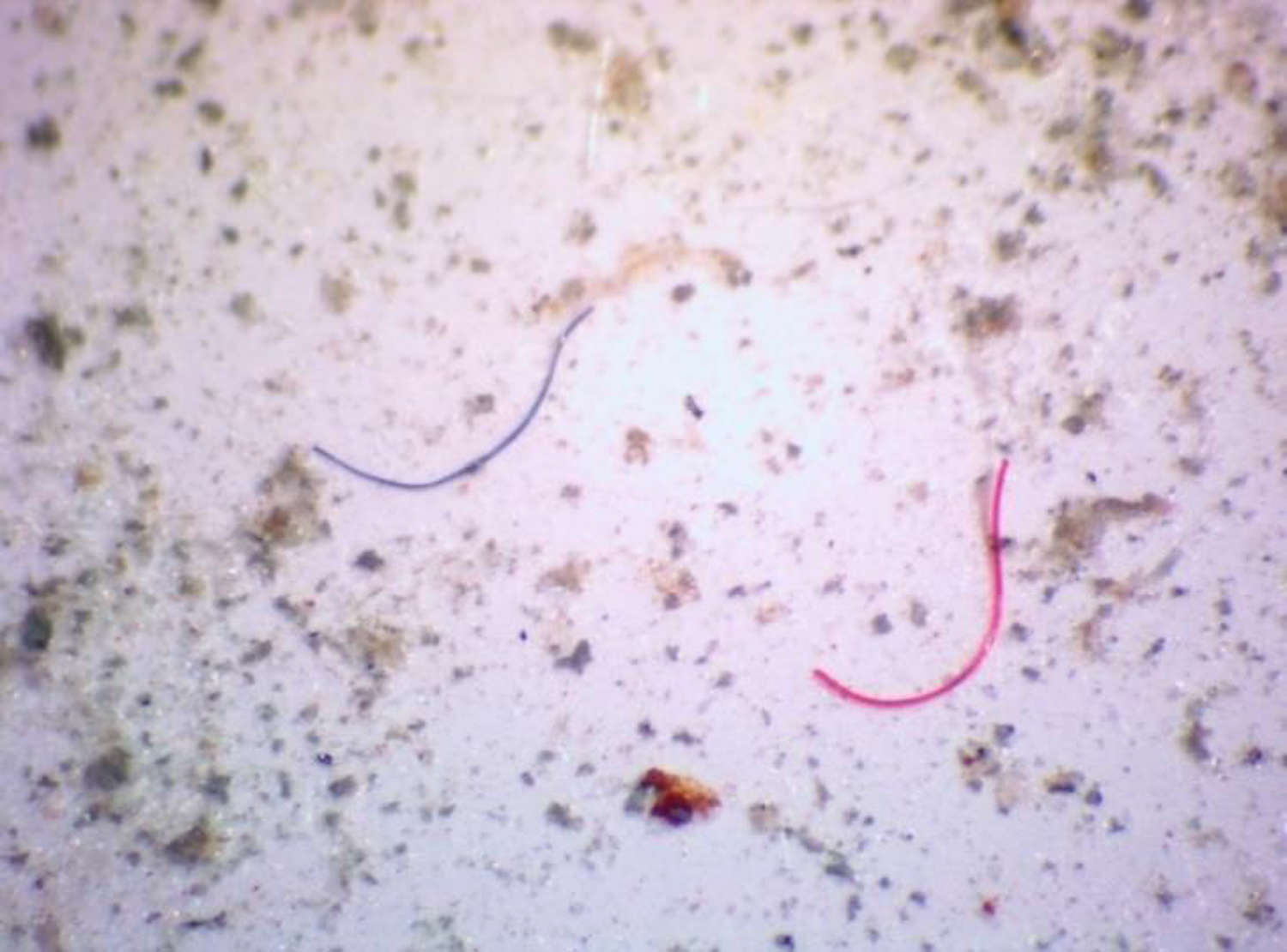
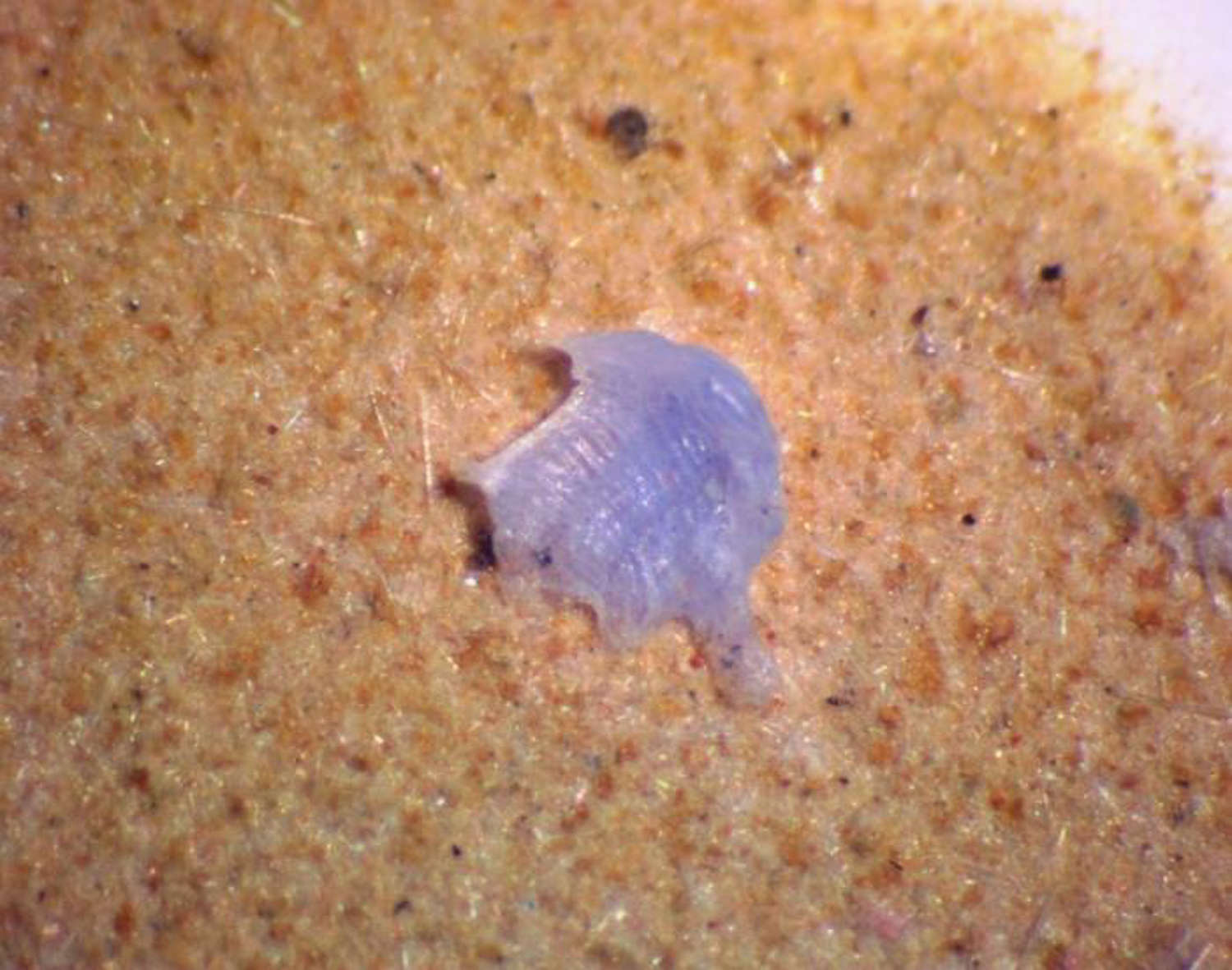
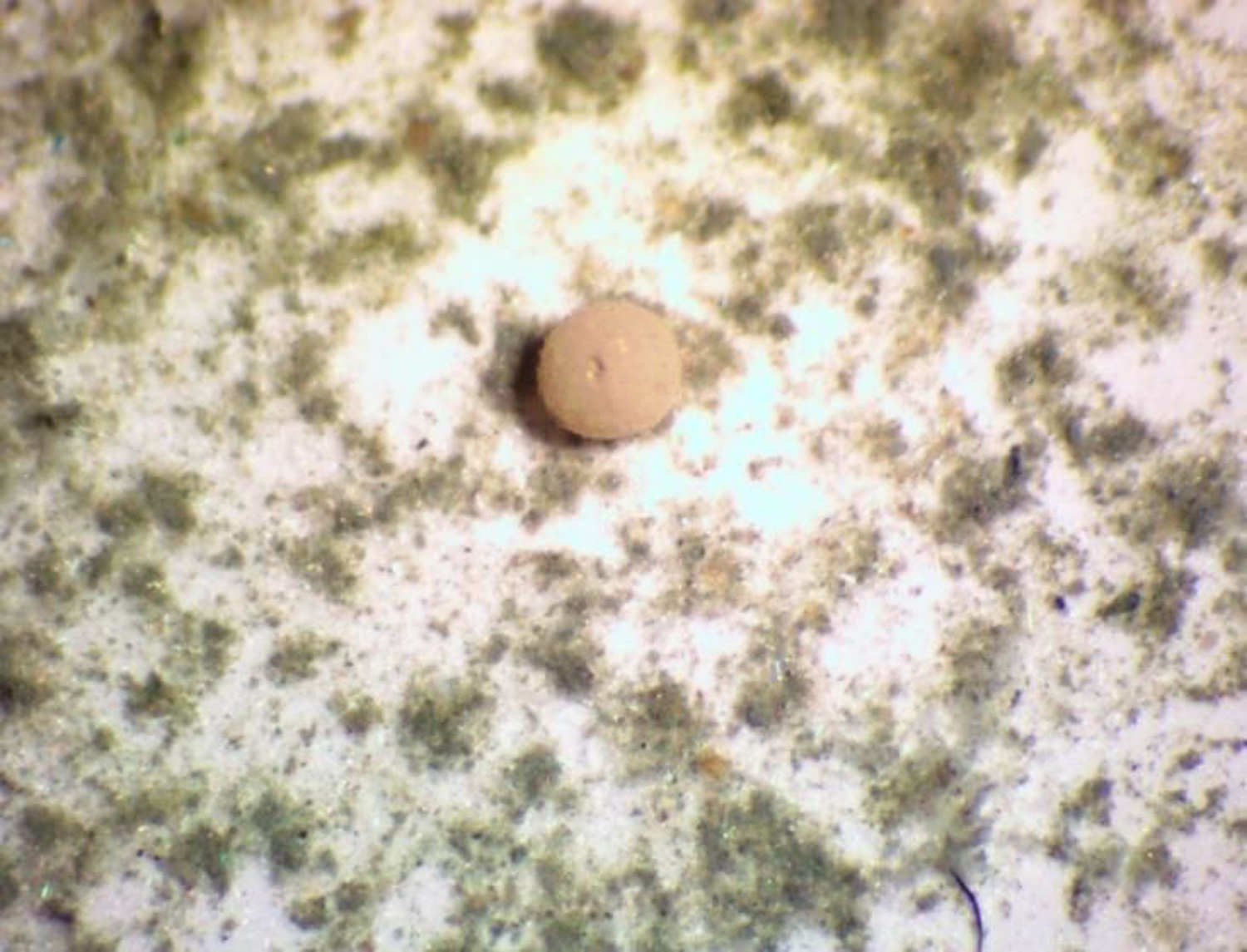
Microplastics come in four main forms: films, fibers, fragments or beads. However, Vignola reports that 74% of all plastics found during his study were microfibers, which “supports the growing body of evidence that mechanical laundering of synthetic clothing is releasing many contaminant fibers.”

“Estimates have shown that a single article of synthetic clothing has the potential to release more than 1,900 fibers per wash (Browne et al., 2011) and a 5 kg load of household laundry may release more than 6,000,000 fibers in one wash cycle (De Falco et al., 2018).”

Vignola and Breslin conducted four seasonal samplings (May, July, November, February) of the wastewater discharge at each site during the course of 2019 – 2020. Microplastics were then extracted, identified, categorized and calculated using a variety of factors, including wastewater flow rate, seasonal temperature, as well as particle type, size and color.

The results at both sites revealed a trend between microplastic concentration and seasonal temperature. Though the trend was statistically significant in Meriden and slighter in North Haven, both showed increased concentrations during the winter and spring season — when fleece and other cozy synthetic favorites abound — supporting the hypothesis that the variation could be related to outerwear choices and laundering. However, Vignola noted, other international studies have produced contradictory results, with concentrations higher during warmer months, prompting consideration of the impact of other geographical factors — such as precipitation, evaporation, and flow rates.

Regardless of the extent of seasonal variations, microplastics, specifically fibers, are a growing problem. The annual production of synthetic fibers grew from 1.9 million tonnes in 1950 to 45.3 million tonnes in 2010 and the industry is still expanding. This study affirms the need for “increased accountability placed on apparel manufacturers who are responsible for using synthetic materials during production.”

As with other areas of plastic consumption, consumer knowledge and choices are also paramount to reducing microplastic contamination. Small changes, implemented by many, can add up to make a big difference. The SCSU study provides some guidance, including:

Using cold water and fast wash cycles to reduce water volume
Washing synthetic clothes less often
Using products designed to capture microfibers while laundering, such as Cora Ball or Lint Luv-R, which were 26% and 87% effective respectively and removing microfibers
Purchasing products made from non-synthetic materials
“Results of this study confirm that treated municipal wastewater is a significant source of microplastics to the Quinnipiac River, and ultimately, Long Island Sound. Financial support provided by the Quinnipiac River Fund was critical for the conduct of this research and will lead to management actions to improve the water quality and reduce microplastic impacts to regional waterways.” – Vincent Breslin, co-coordinator of the Werth Center for Coastal and Marine Studies

North Haven WWTF
Meriden WWTF
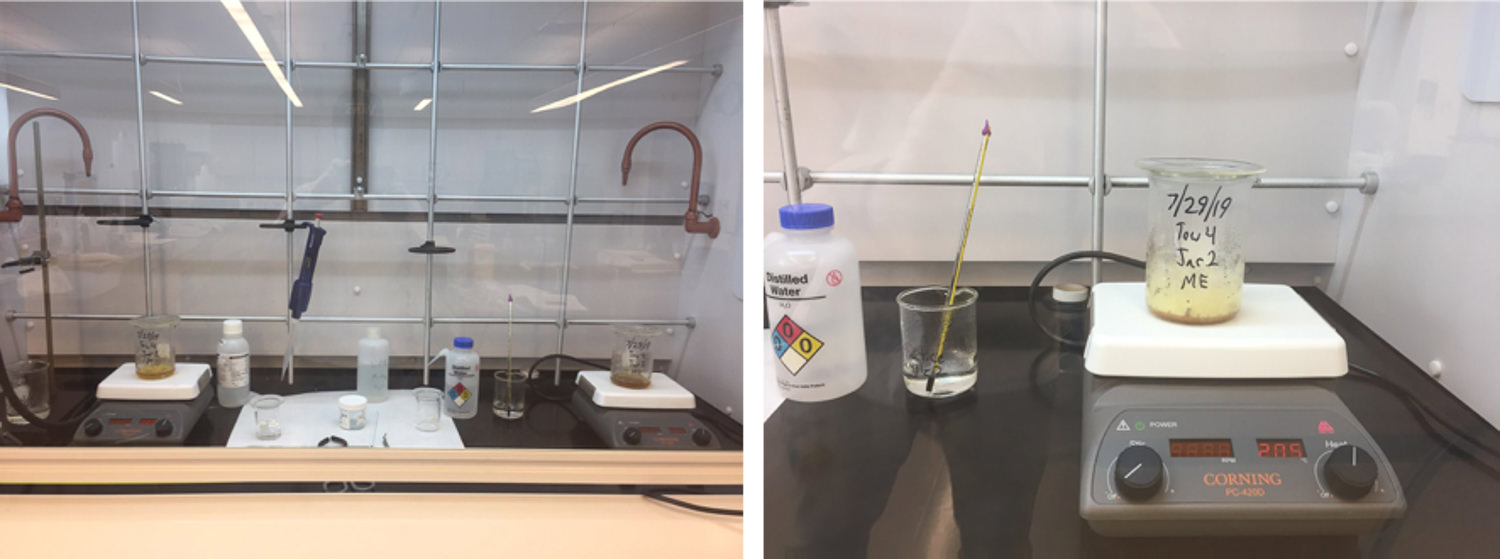
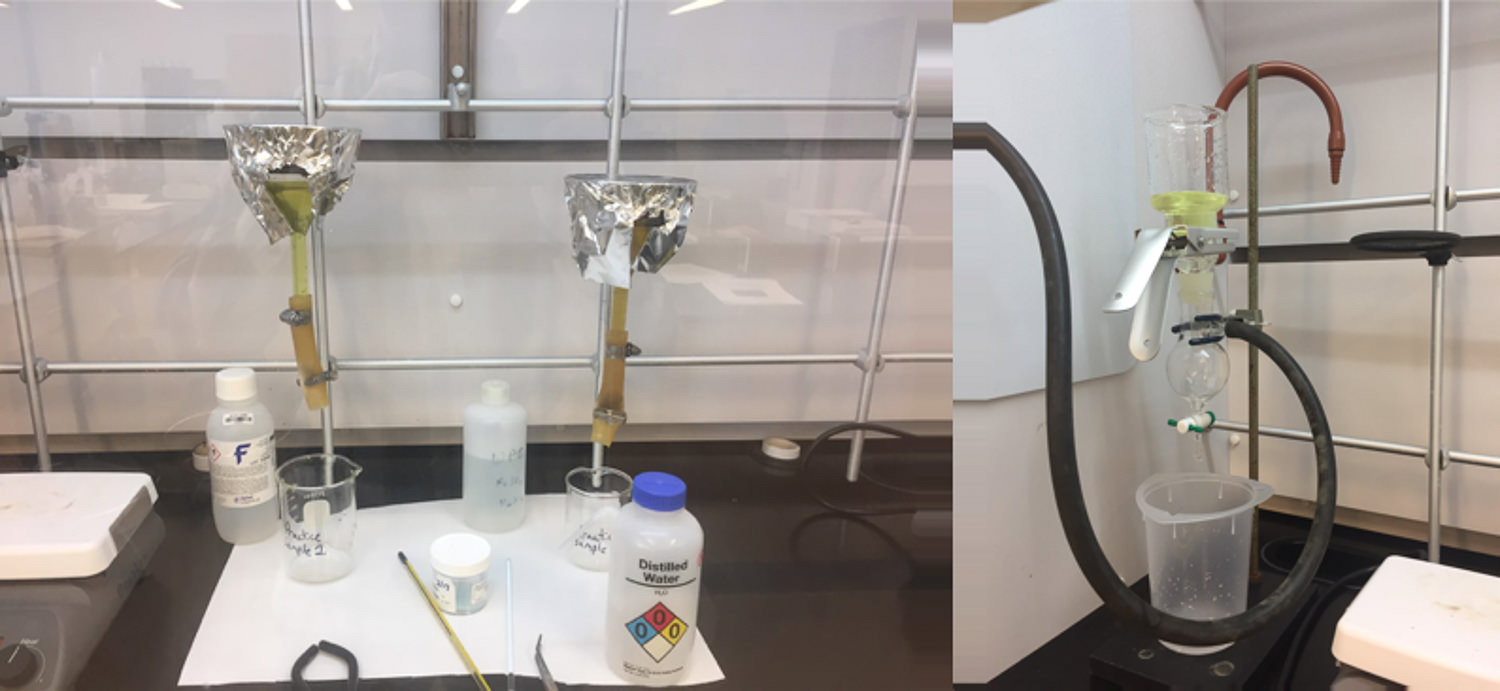
Wet Peroxide Oxidation procedure to isolate micro plastics in the wastewater discharge.

Examples of the different types of microplastics identified in the SCSU study: microfibers, films, fragments, and beads.

The Quinnipiac River Fund 2020 Grant Awards

Funding to study microplastics and other pollutants, advocacy and organizations working to improve the water quality and enjoyment of the Quinnipiac River

April 22, 2020 (New Haven, CT) Once home to a thriving waterfront, the Quinnipiac River has suffered from pollution since the Industrial Revolution. Although the river has become cleaner in recent decades, most sections are classified by the State Dept. of Energy and Environmental Protection as impaired, or not supporting aquatic life and recreation.

The Quinnipiac River Fund annually provides grant funding to projects working to improve the health of the river and its ecology. For 2020, the fund awarded 10 projects a total of $131,388. Funded projects include the identification and monitoring of known pollutants, the study of microplastics in the water and soils, and ecological research. The creation of a volunteer corps established to monitor inland/wetlands permits also received funding. See the full list below.

The Quinnipiac River Fund was established in 1990 at The Community Foundation for Greater New Haven with a mission to improve the environmental quality of the river, New Haven Harbor and the surrounding watersheds. Since the fund’s inception, it has granted more than $2.7 million to support a variety of projects to benefit the river: scientific research of the river and its ecology; identifying and monitoring pollutants; pollution mitigation and control; permit monitoring; river advocacy; habitat restoration; public access; education; and other projects. See a full list on www.thequinnipiacriver.com.

Note: Grant awards were made prior to the COVID-19 pandemic, which will delay some of the projects described below.

Anchor 2020 QUINNIPIAC RIVER FUND RECOMMENDATONS FOR FUNDING
Organization Award Description
Canal Dock Boathouse, Inc. $15,000 Recreation and engagement: Boating programs on the New Haven Harbor and on the Quinnipiac and Mill rivers for New Haven high school students, summer camp programs for youth, dragon boat competitions for adults and community boating events for adults.
New Haven Land Trust $15,000 Conservation and education: The protection and care of the Quinnipiac Meadows and Long Wharf Nature Preserves along with outreach programming and volunteer events. Support will also benefit Schooner Camp and a new Preserves Intern training program.
Quinnipiac University $20,000 Pollutant Monitoring and Research: Monitoring, identifying and quantifying known pollutants from industrial outflows along the Quinnipiac River, specifically industrial areas in Wallingford and North Haven.
River Advocates of South Central Connecticut $15,769 Permit Monitoring: The recruitment and training of a permits observer corps to monitor local land use commissions and screen for testimony local land use permits, and to assist in monitoring of state level permits affecting water quality.
Southwest Conservation District $3,650 Recreation and Engagement: Cleaning logs and debris from a blocked access for boats in the Quinnipiac River.
University of New Haven $9,675 Scientific Research: Study of the prevalence of the ulvoid bloom in the New Haven Harbor.
University of New Haven $13,859 Pollutant Monitoring and Research: Study the prevalence, concentration, and physical characteristics of microplastics in water and sediment samples throughout the lower Quinnipiac River and New Haven Harbor, and their fish communities.
University of New Haven $13,822 Scientific Research: Study of the thermal profile of the Quinnipiac River in response to climate change.
Yale University $4,856 Scientific Research: Monitoring marsh surface elevations as well as the salinity and vegetation in one lobe of the marsh, and to support measurement of soil salinity and vegetation cover in marsh-bordering areas at the Quinnipiac Meadows Preserve.
Yale University $19,757 Pollutant Monitoring and Research: Study of microplastics in storm run-off to tributaries throughout the Quinnipiac River watershed.
Total: $131,388

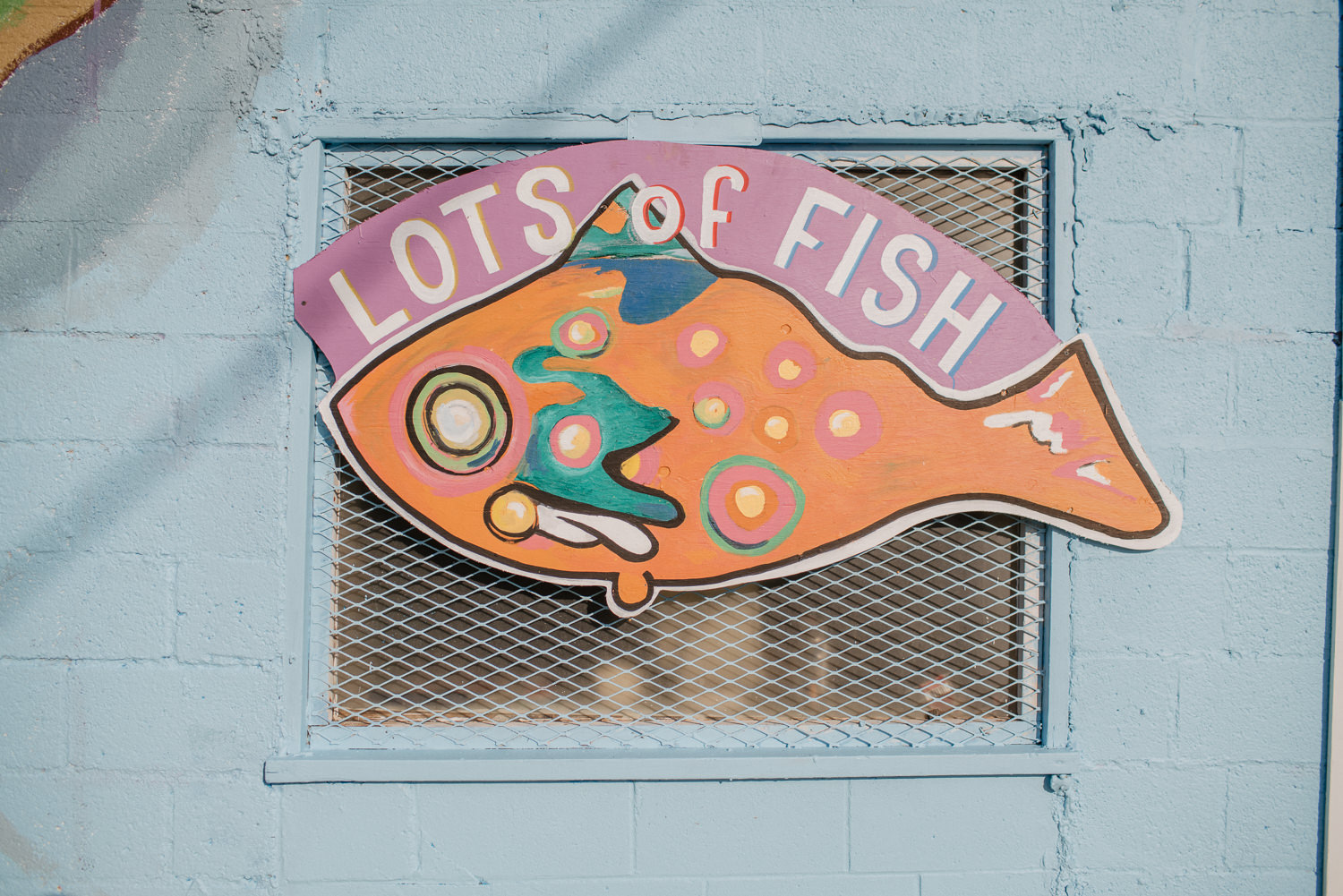
LOTS OF FISH

Eco-art makes a splash for New Haven waterways

Photos by Ian Christmann

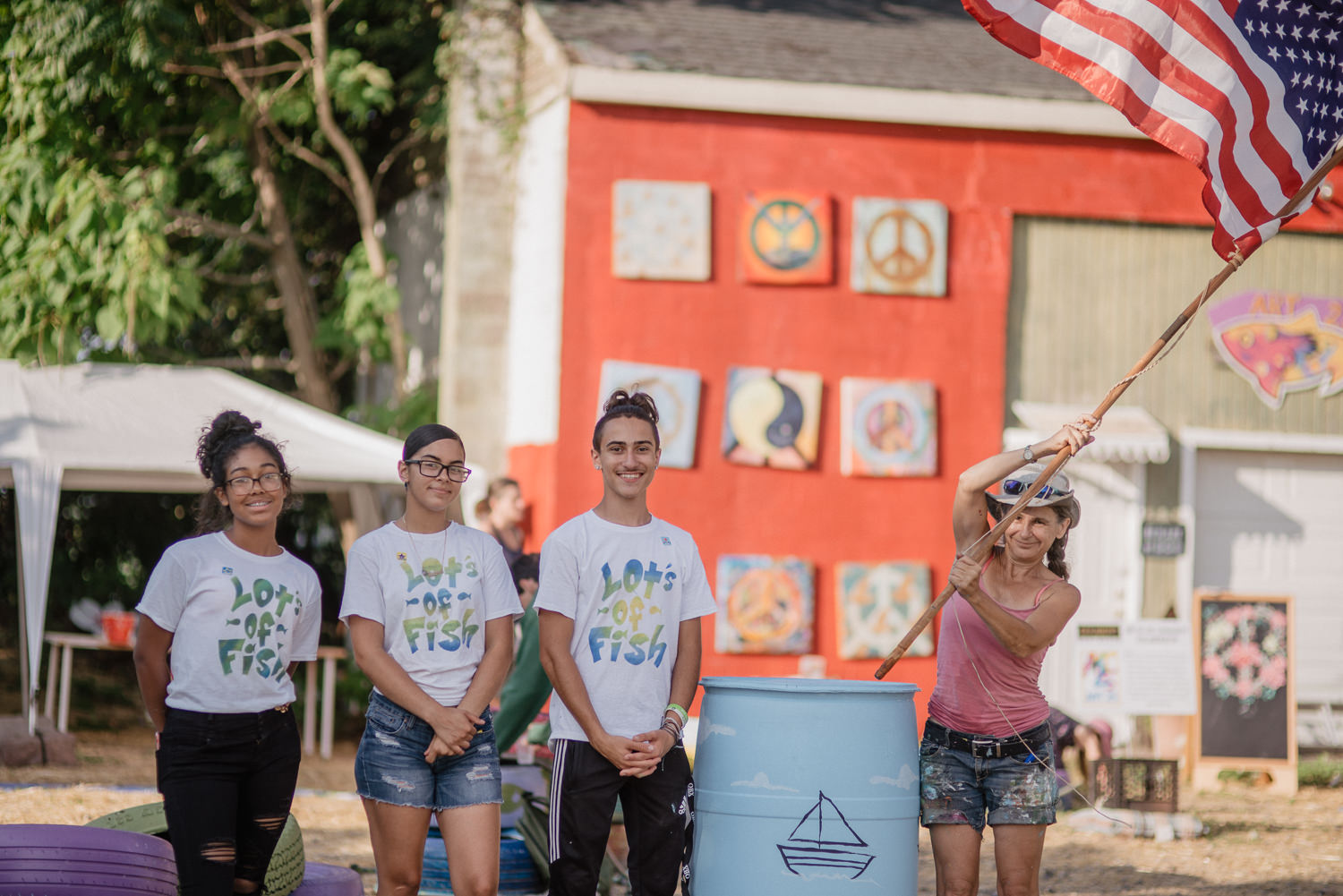
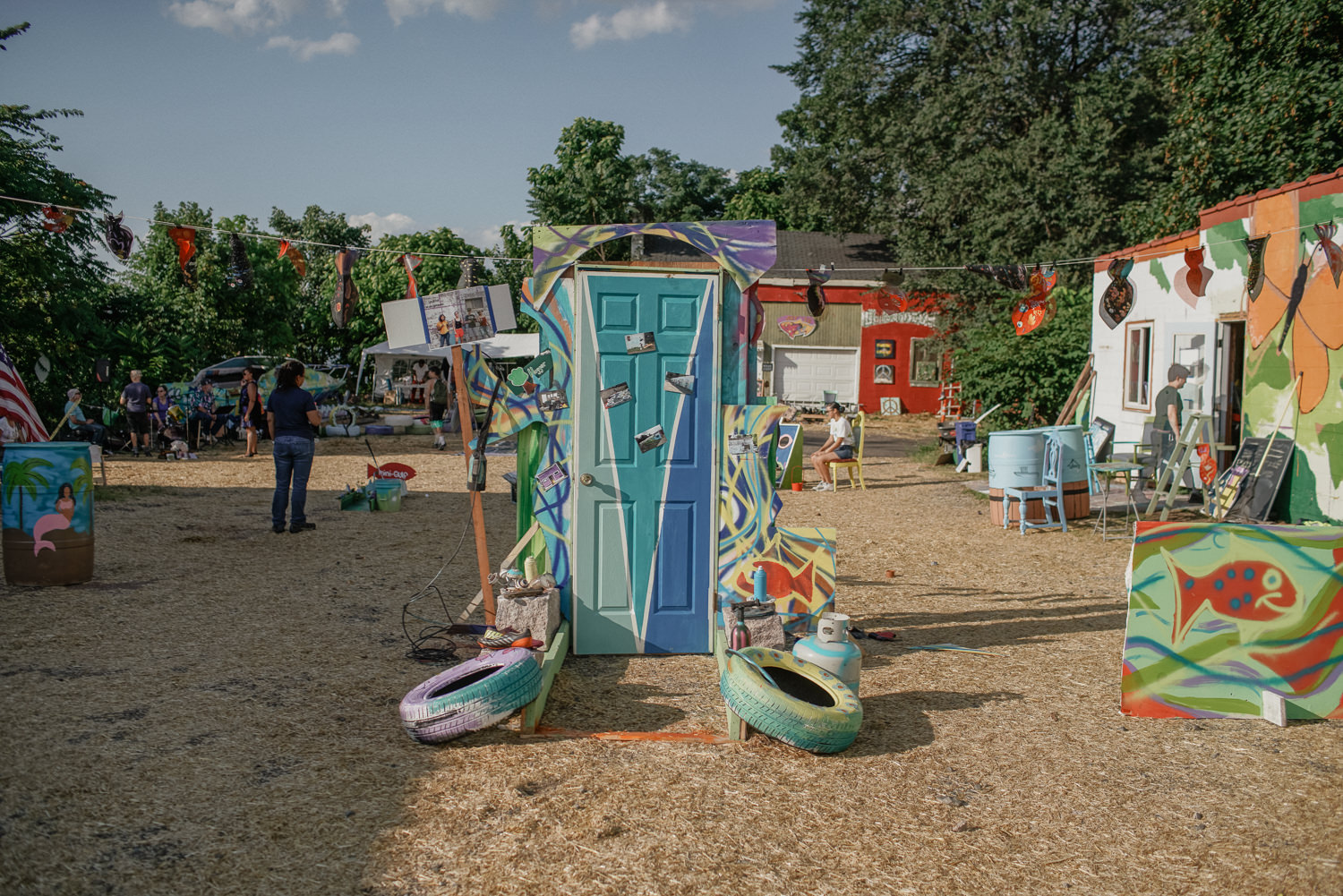
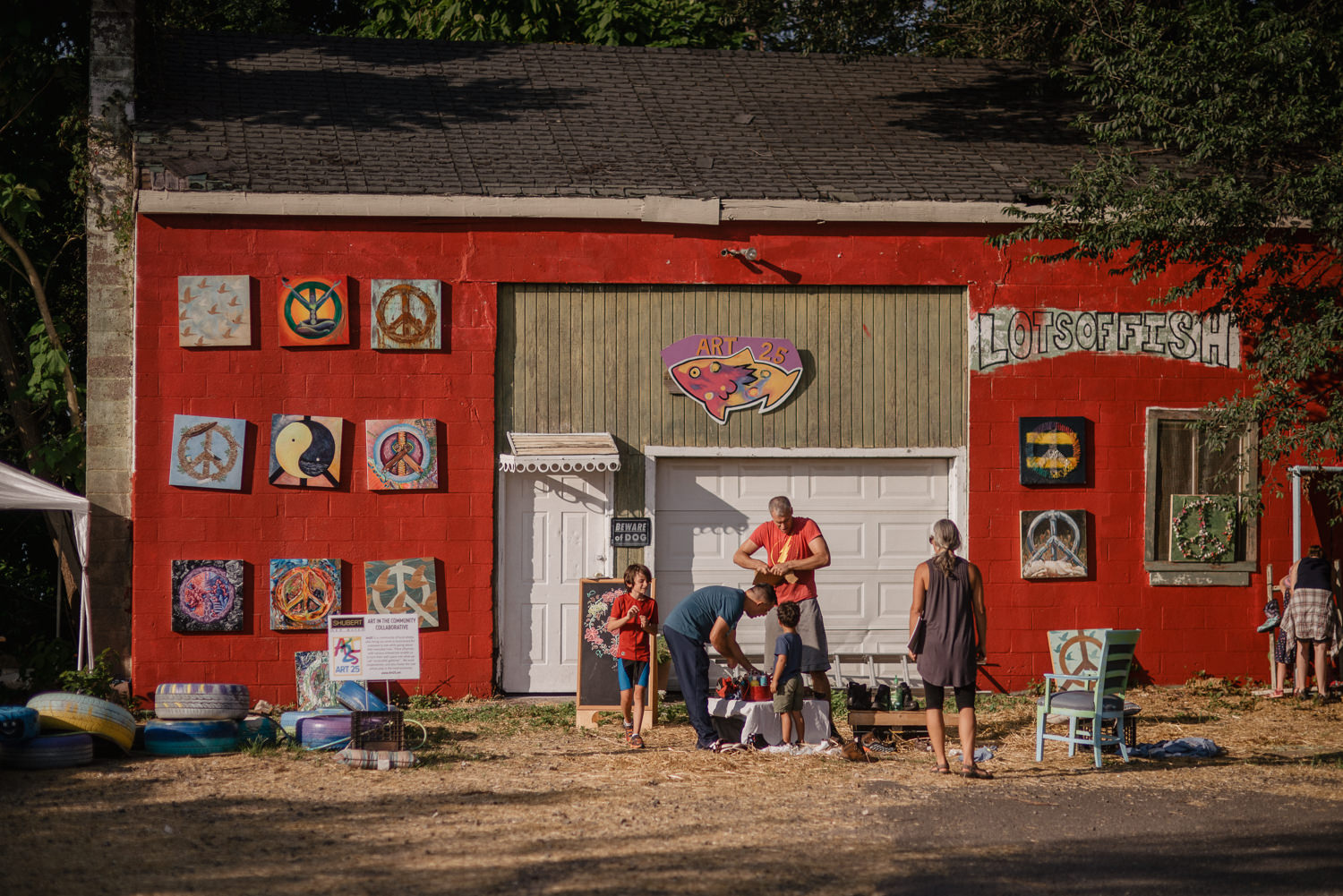
“It’s incredible how a little bit of art can change a space,” a passerby observed of the empty lot between two abandoned buildings on Grand Avenue. Once bland and crumbling concrete walls now burst with colorful murals of sea-swirls, waves, fish and aquatic creatures — and eclectic art installations fill the parcel with intrigue.

The transformation was accomplished by a summer-long environmental program called Lots of Fish, aptly named for the creature featured most often throughout the art. The multi-faceted program was the vision of JoAnn Moran, founder of Art25, and made possible by a grant from the Quinnipiac River Fund.

JoAnn’s aim was to engage youth and community members in art and impact projects that encourage thought and care for the Quinnipiac and New Haven’s other waterways.

Her mission took many forms, most of which involved brushes and bright paints. Working with teens from Youth At Work, and community volunteers of all ages, Lots of Fish used color to make a scene.

Street banners from City festivals and events were re-purposed with witty and thought-provoking environmental themes. A banner advertising a midsummer night’s dream became midsummer night’s fish, and poised the question “Do Fish Sleep?”

Storm Drains were adorned with sea creatures and reminders that “all water leads to the sea” to raise citizen awareness of the direct connection between rainwater runoff and the health of our waterways.

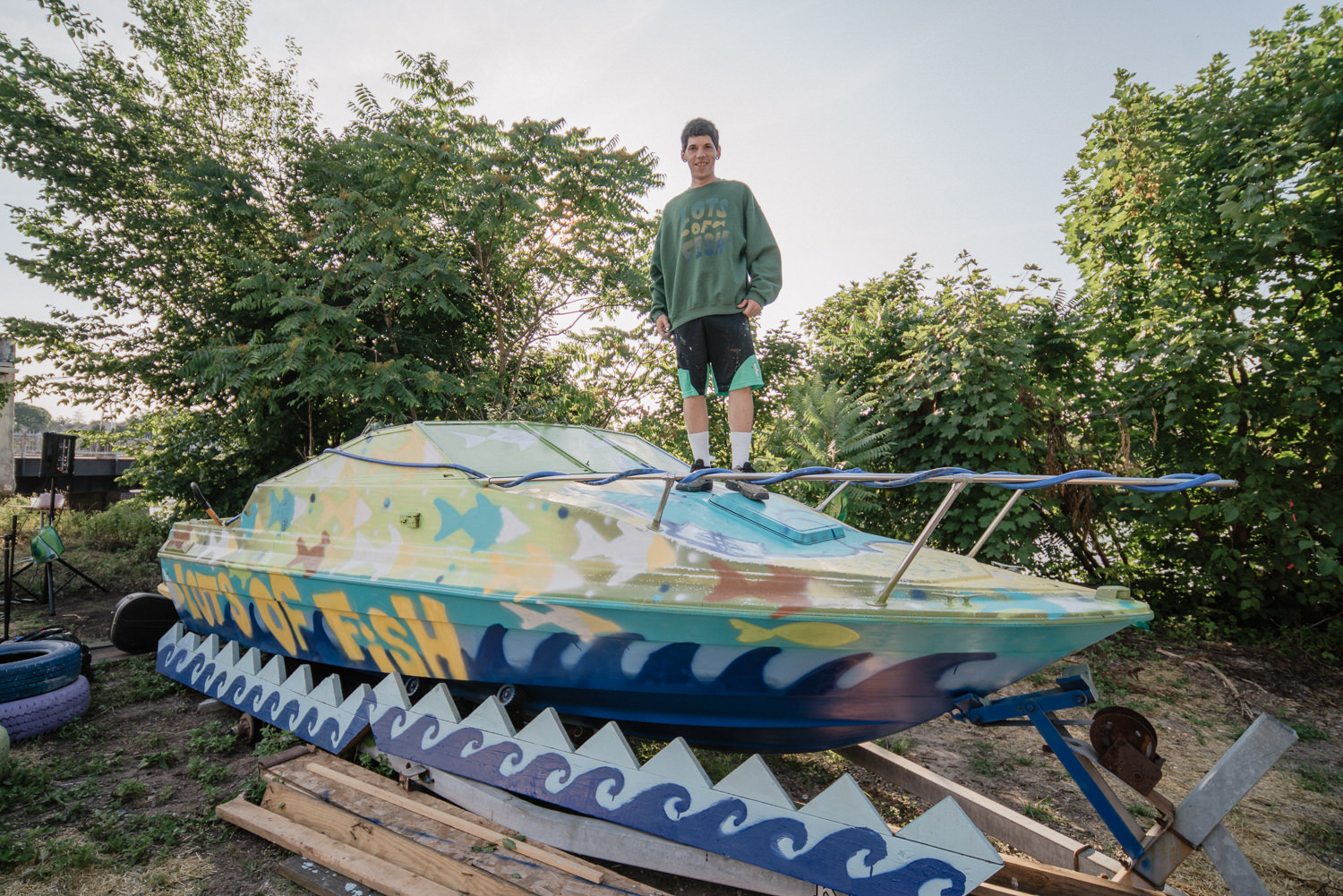
Tires, boots and other refuse collected from Quinnipiac’s banks and other dumping sites turned into sculptures and installation art. For volunteer Ricky, an abandoned boat became a canvas to stretch his creativity.

“I wanted to be a part of this so bad,” he described seeing the activity in the lot early in the summer. Though he had often passed by the area, joining Lots of Fish inspired him to consider the river in a new light. “I feel like people should utilize [the Quinnipiac] rather than destroy it with litter.”

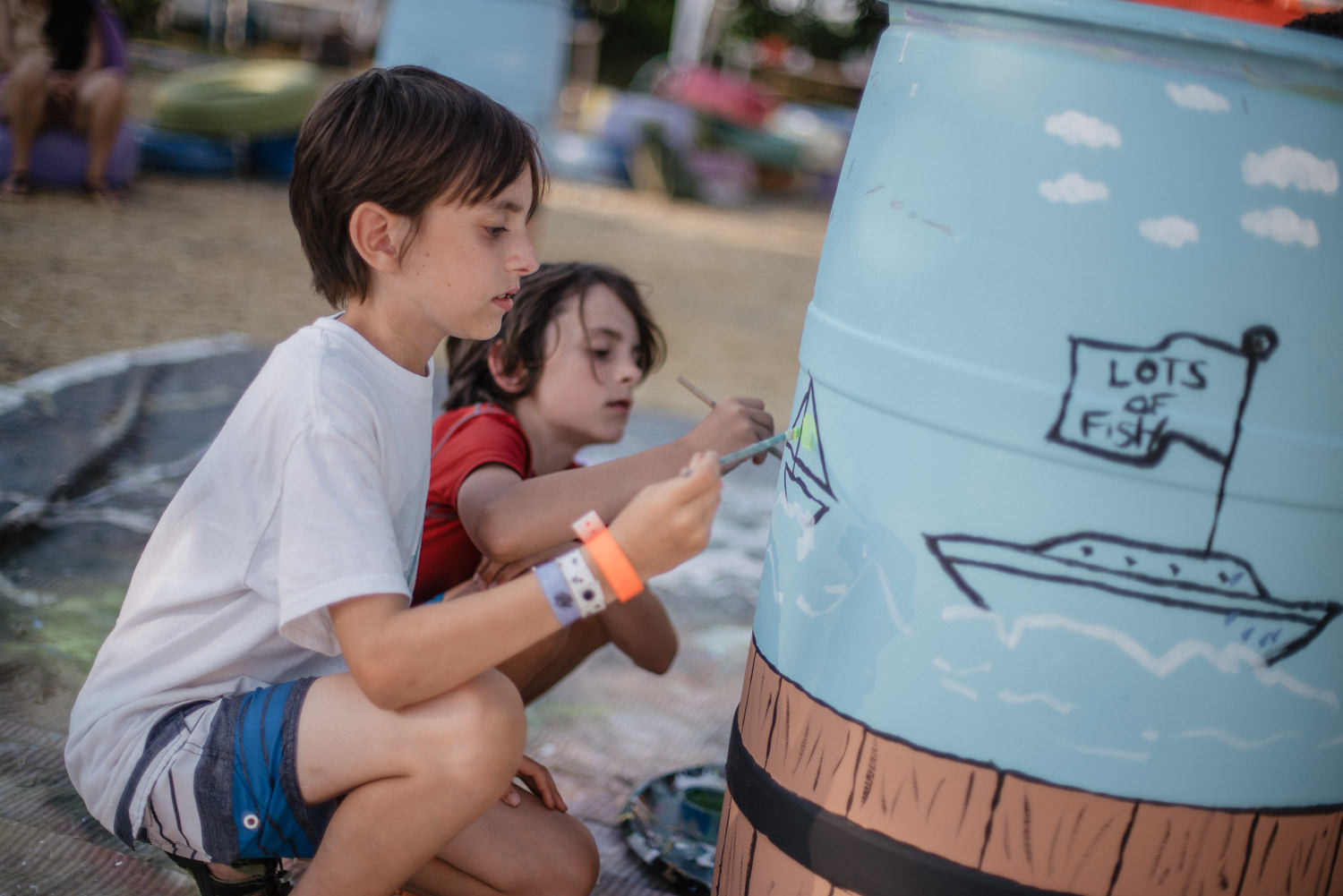
Of all the projects created by Lots of Fish, one of the most popular and practical were one-of-a-kind rain barrels, featuring art hand-painted by children and community members. The barrels were given for free, and in high demand. Attached to a gutter’s downspout, rain barrels catch and store rainwater that can be later used to water gardens or potted plants, wash windows or even the car, thus reducing city water consumption.

“It’s amazing how many people want rain barrels now. How would that be exciting any other way,” JoAnn expressed.

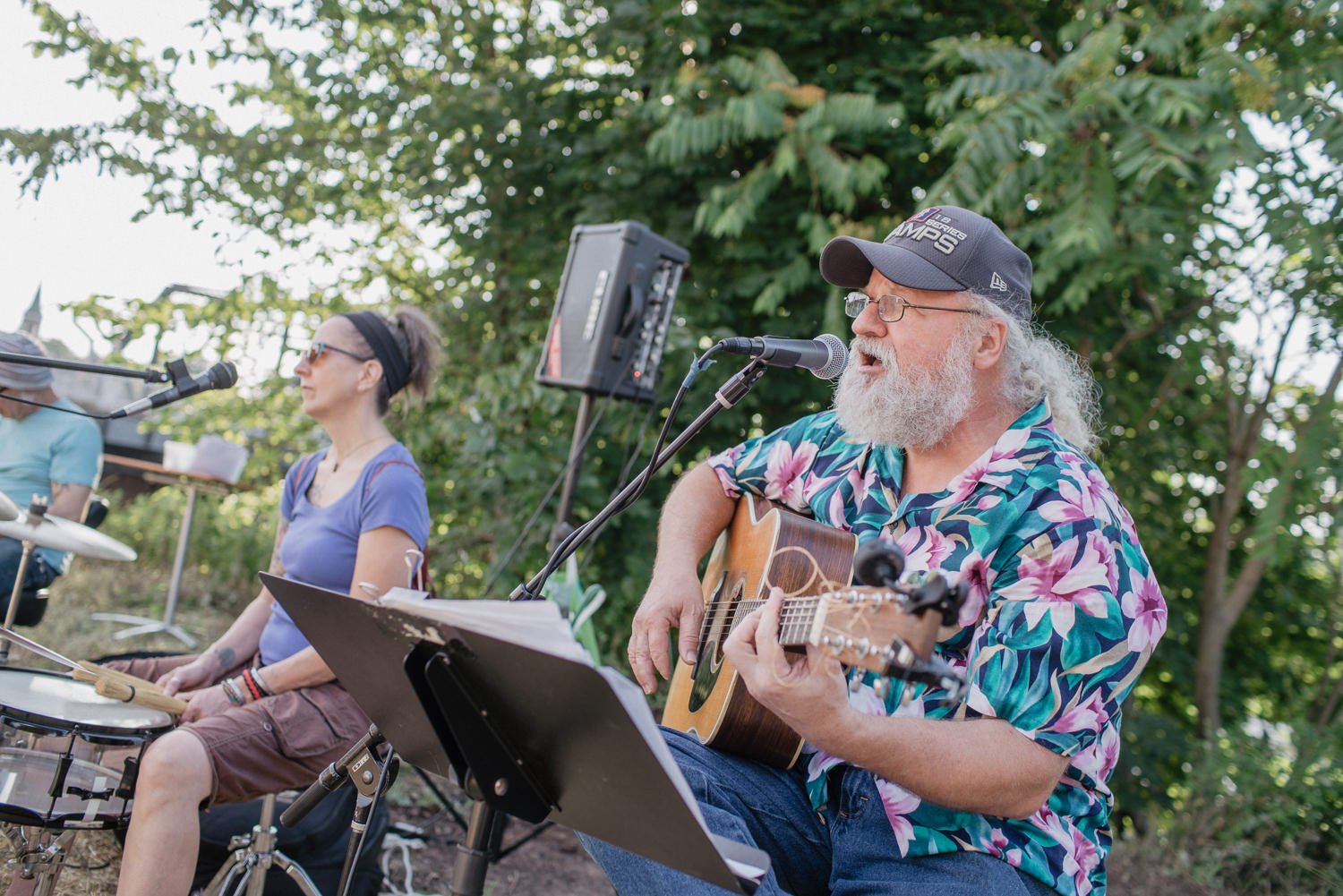
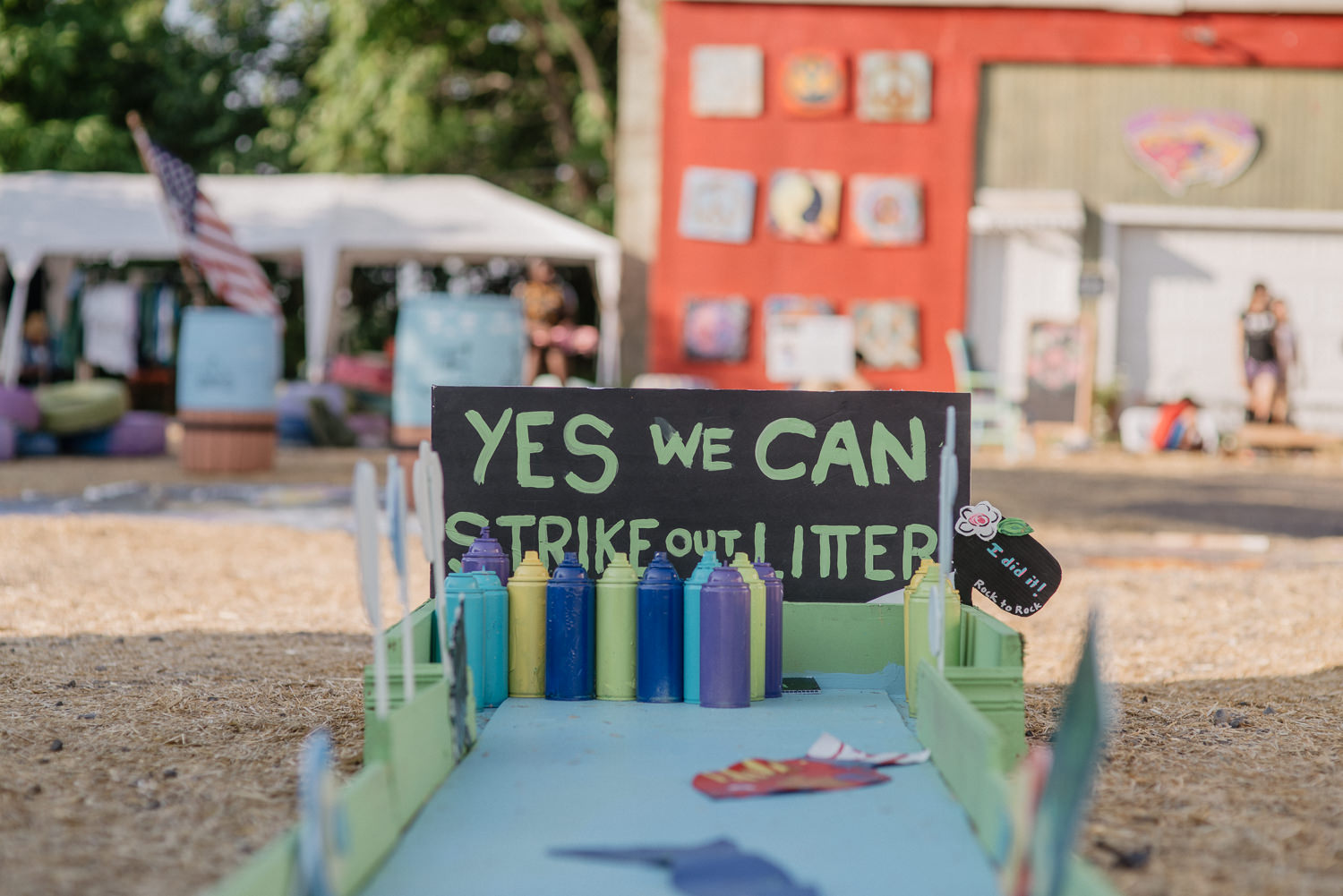
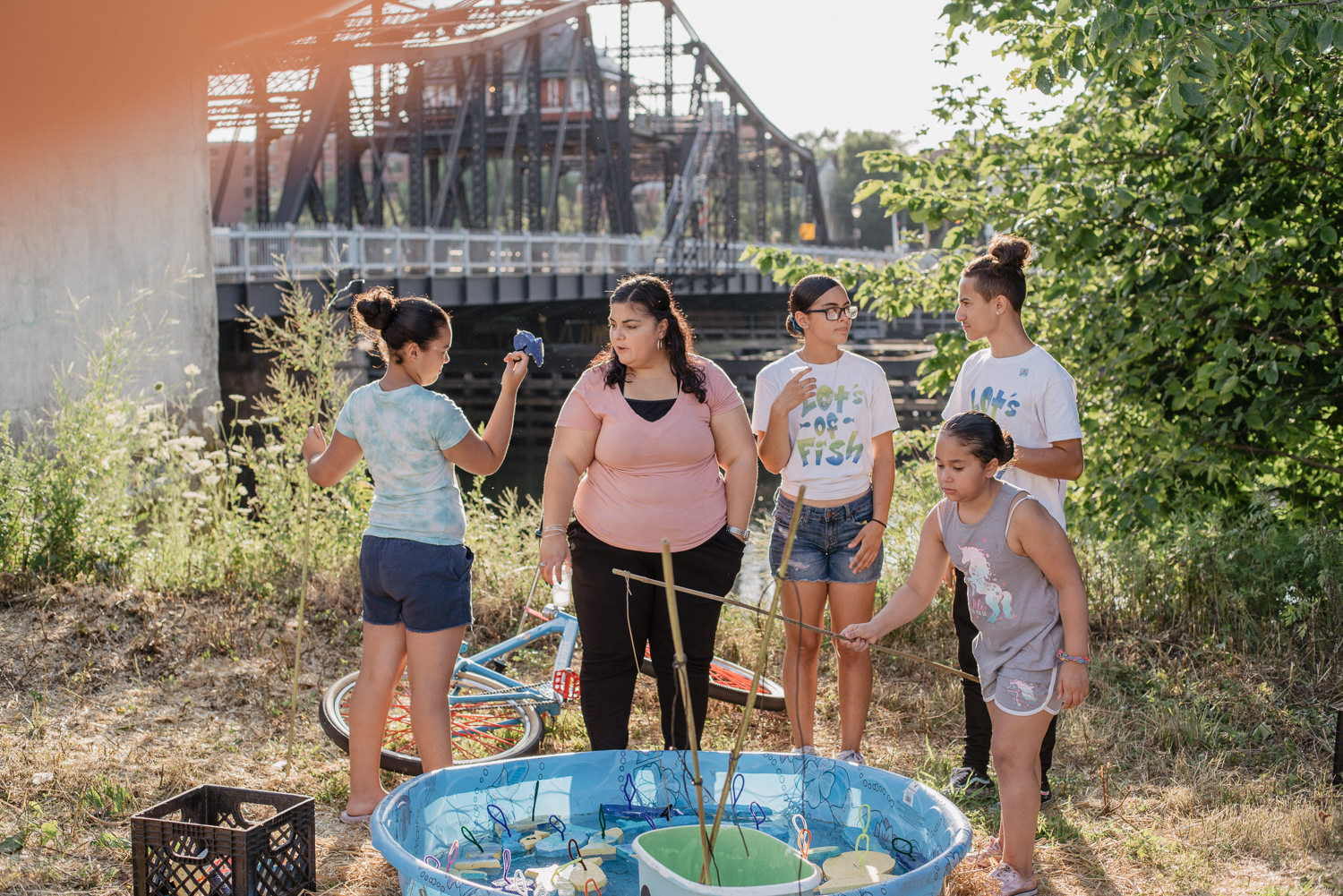
On August 1, Lots of Fish showcased their eclectic creations with an Eco-Art festival in the lot they had transformed. The event featured live music, organic produce, art, and lots of creatively-named kids games, such as “yes, we can strike out litter” bowling and pin the fin on the fish.

Building on the success of the summer program and the state-mandated sustainability goals it fulfills, Lots Of Fish is launching Run-off Art, a storm water impact and education program for New Haven’s schools. This city-wide model will engage schools, community groups, artists and even musicians who will write ballads and songs dedicated to storm drains and rain barrels!

“But it’s not all songs and paint” Jo Ann explains that the initiative will undertake mapping the watershed storm drains neighborhood by neighborhood.

So when you see the bright art on storm drains, take notice, and remember, we’re all connected, especially by our waterways.

For more information on Lots of Fish, and continued opportunities for creative involvement, visit: https://lotsoffish.info.


2019 Grant Awards

New Haven, CT (April 22, 2019) – The Quinnipiac River Fund at The Community Foundation for Greater New Haven has awarded $138,000 in grants to study, improve, and reduce the pollution in the Quinnipiac River and its surrounding watershed. The competitive grants were awarded to eleven organizations working in Greater New Haven.

The Quinnipiac River starts west of New Britain and flows through Wallingford and North Haven before spilling into New Haven Harbor and Long Island Sound. The river has long history pollution from heavy industry and urban development.

The Quinnipiac River Fund was established in 1990 and has a mission is to improve the environmental quality of the river, New Haven Harbor and the surrounding watershed. It is a permanent fund at The Community Foundation for Greater New Haven, and its grants and distributions are recommended each spring by an Advisory Committee and approved by The Community Foundation’s Board of Directors. The grants support studies of the ecology, studies of pollution, public access to the river, land use planning, land acquisition around the river, habitat restoration, advocacy, education, and other relevant projects.

2019 Grant Awards

$4,500 to ART 25, a New Haven arts group, to support a summer employment program for New Haven youth that will help reduce pollution entering in the Quinnipiac River. The employed youth will stencil messages at stormwater drains warning not to dump polluting materials.

$16,800 to Canal Dock Boathouse, Inc. to support boating events, club boating programs, and vendor-operated rentals of kayaks and paddle boards on the New Haven Harbor and on the Quinnipiac and Mill rivers.

$3000 to the City of Meriden, to support a Public Works Department pilot program to retrofit hooded outlet protection on ten existing storm water catch basins that are in storm water systems that discharge into the Quinnipiac River or one of its tributaries.

$13,000 to Land Use Leadership Alliance (LULA), to support policy, planning and regulatory training for natural resource protection, stormwater runoff, watershed protection, and shoreline resiliency to municipalities in the Quinnipiac River Watershed.

$10,000 to New Haven Land Trust, to support the protection and care of the Quinnipiac Meadows and Long Wharf Nature Preserves, as well as to support efforts  to acquire additional preserve property and increase outreach programming, volunteer events, and Schooner programs that engage the local community with the Quinnipiac River and its surrounding environments.

$17,000 to Quinnipiac University, to support monitoring, identifying and quantifying known pollutants from industrial outflows along the Quinnipiac River, specifically industrial areas in Wallingford and North Haven.

$15,000 to River Advocates of South Central CT to support the recruitment and training of a permits observer corps to monitor local land use commissions and screen for testimony local land use permits, as well as assist in monitoring of state level permits affecting water quality.

$16,000 to Southern Connecticut State University, to support an examination of the seasonal variation in the composition and quantity of microplastic particles from wastewater treatment facilities discharging treated wastewater into the Quinnipiac River.

$17,300 to University of New Haven, to support the sampling of cyanobacterial communities in the Quinnipiac River in order to identify and monitor known bloom-forming species that may also produce toxins.

$8,400 to Yale University to support the monitoring of marsh surface elevations as well as the salinity and vegetation in one lobe of the marsh, and to support measurement of soil salinity and vegetation cover in marsh-bordering areas at the Quinnipiac Meadows Preserve.

$17,000 to Yale University to support to support the measurement of mercury in bottom sediments and in fish from ponds spanning the Quinnipiac River watershed to determine where it exceeds safety thresholds.


About The Community Foundation

Thanks to the generosity of three generations of donors, The Community Foundation for Greater New Haven gave out $34.6 Million in grants and distributions in 2018. The endowment, valued at approximately $570 million at year-end, is composed of hundreds of individually-named funds. In addition to its grantmaking, The Community Foundation helps build a stronger community by leading on issues and supporting donors and nonprofits in creating a community of opportunity for all. The Foundation’s 20-town service area includes: Ansonia, Bethany, Branford, Cheshire, Derby, East Haven, Guilford, Hamden, Madison, Milford, New Haven, North Branford, North Haven, Orange, Oxford, Seymour, Shelton, Wallingford, West Haven, Woodbridge. For more information about The Community Foundation, visit www.cfgnh.org, find us on Facebook at www.facebook.org/cfgnh or follow us on Twitter at www.twitter.com/cfgnh

Quinnipiac-River

If a tree falls in the river…

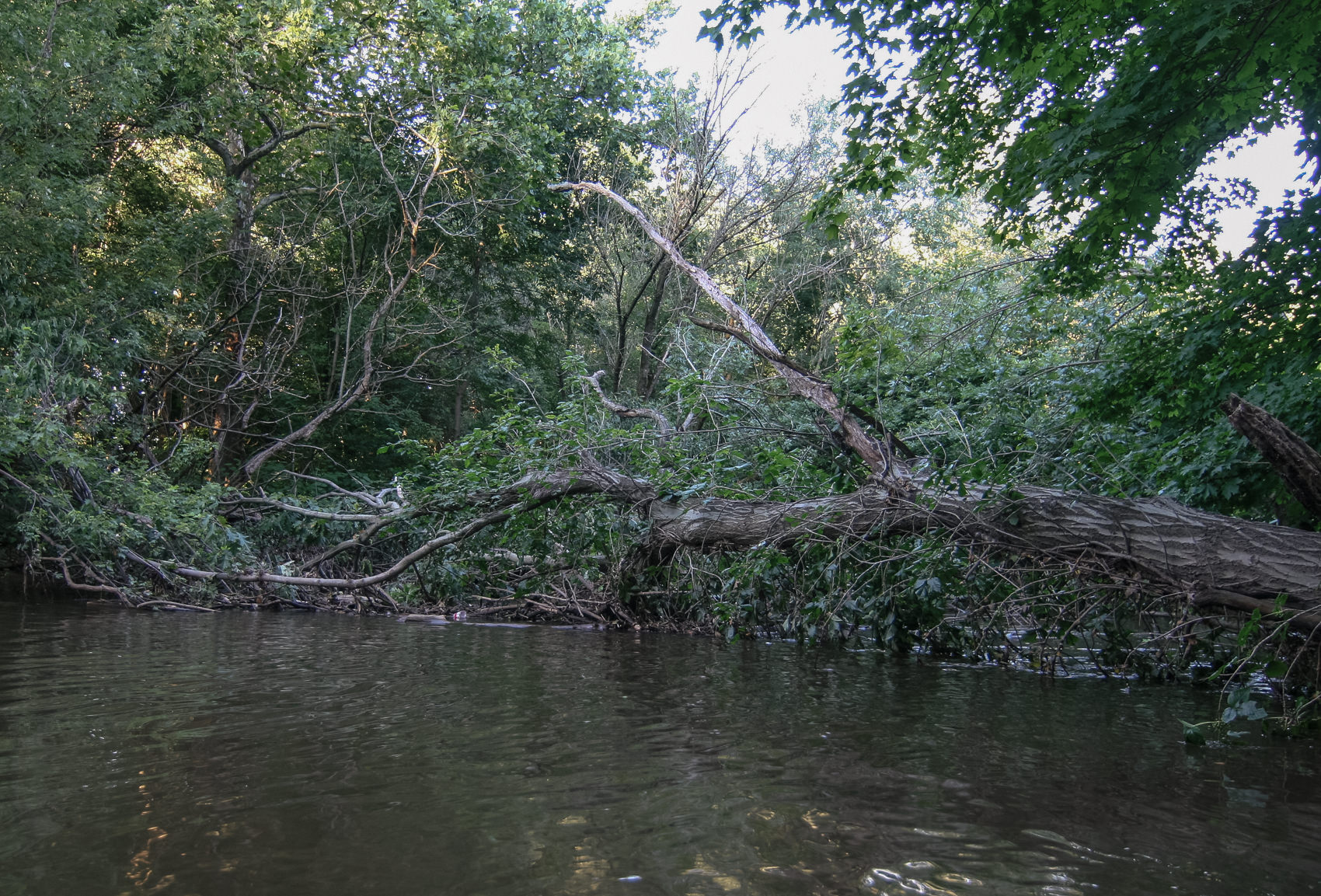
If you’re keen to explore the upper passages of the Quinnipiac River by canoe or kayak, be prepared to duck, climb and carry. Downed trees and woody debris form frequent obstacles, requiring clever craft maneuvering or an occasional short portage. The Quinnipiac River Fund estimates that 30 – 40 newly fallen trees impact the river each year. That’s a significant nuisance for boat navigation, so why not remove them?

While they may be inconvenient, the most eco-sensitive solution is not to extract them, the Fund explains, but rather address the root of the problem, which happens to involve the roots. Trees along the Quinnipiac are uprooted more often than those along less-developed waterways due to the high-levels of impervious cover in Quinnipiac’s watershed. Hard surfaces — such as driveways, roads and parking lots — carry stormwater at greater amounts and velocities than natural surfaces, leading to increased bank erosion and more frequent tree falls.

To help mitigate the erosion, the Fund supports efforts aimed at educating landowners and municipalities on the importance of low-impact development, including encouraging towns to require vegetative buffers — strips of land with permanent vegetation designed to intercept rapid stormwater runoff.

In the meantime, the USDA Natural Resources Conservation Services and Connecticut Department of Environmental Protection suggest that most wood and downed trees should be allowed to remain in the river, as they help reduce the erosion problem by dissipating energy and stabilizing the banks. Likewise, DEP fisheries say that fallen trees provide important habitat for fish and wildlife.

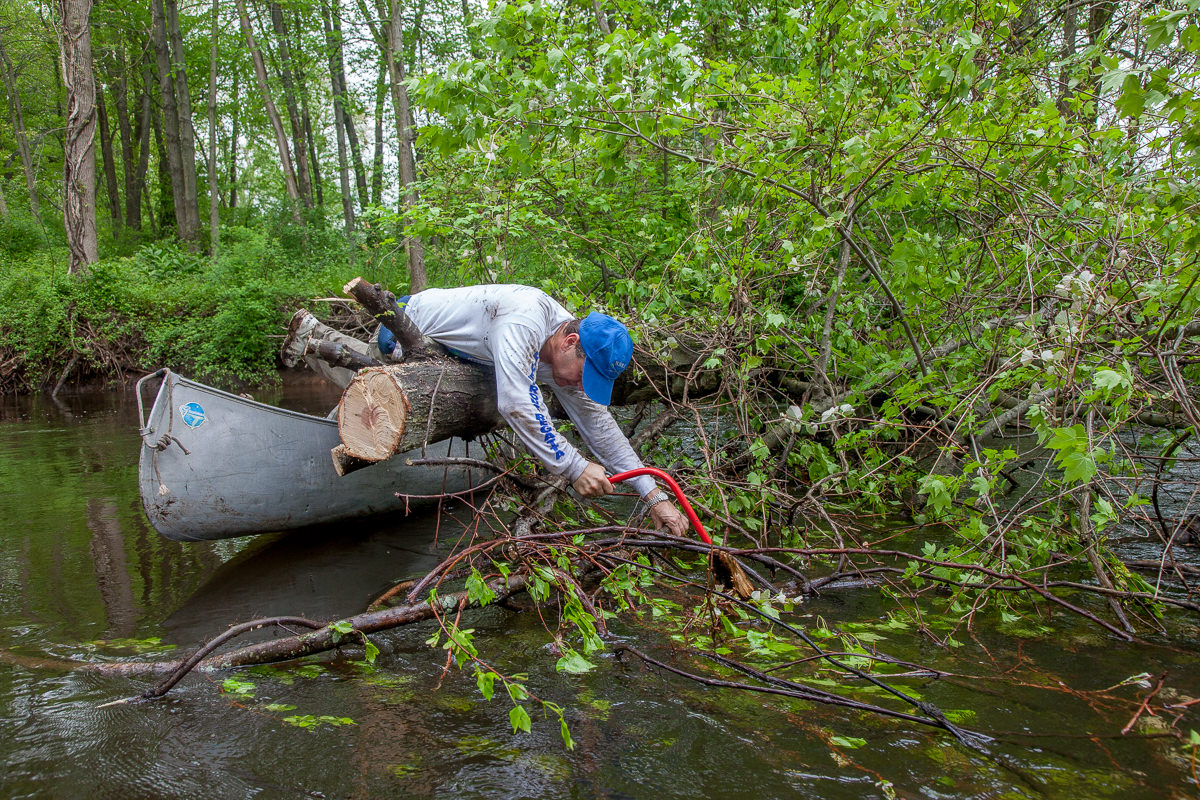
Although removal of the downed trees is discouraged, minimal clearing and cutting is permissible, and often critical, to provide safe passage for water activities. Organizations like the Quinnipiac River Watershed Association organize clean-up activities and train volunteers to address the fallen trees in a manner sensitive to both environment and recreational access.

So when you encounter a maze of trunks and branches on your next Quinnipiac adventure, remember the river’s many challenges, and let the inconvenience propel you to action for a healthier Quinnipiac. Visit our conservation page to see how simple household actions — from lawn care to composting — can make a difference.


A CREATIVE SOLUTION

Pick-up Artists de-litter the landscape in Quinnipiac River Park

By Carolyn Christmann

Photos by Ian Christmann

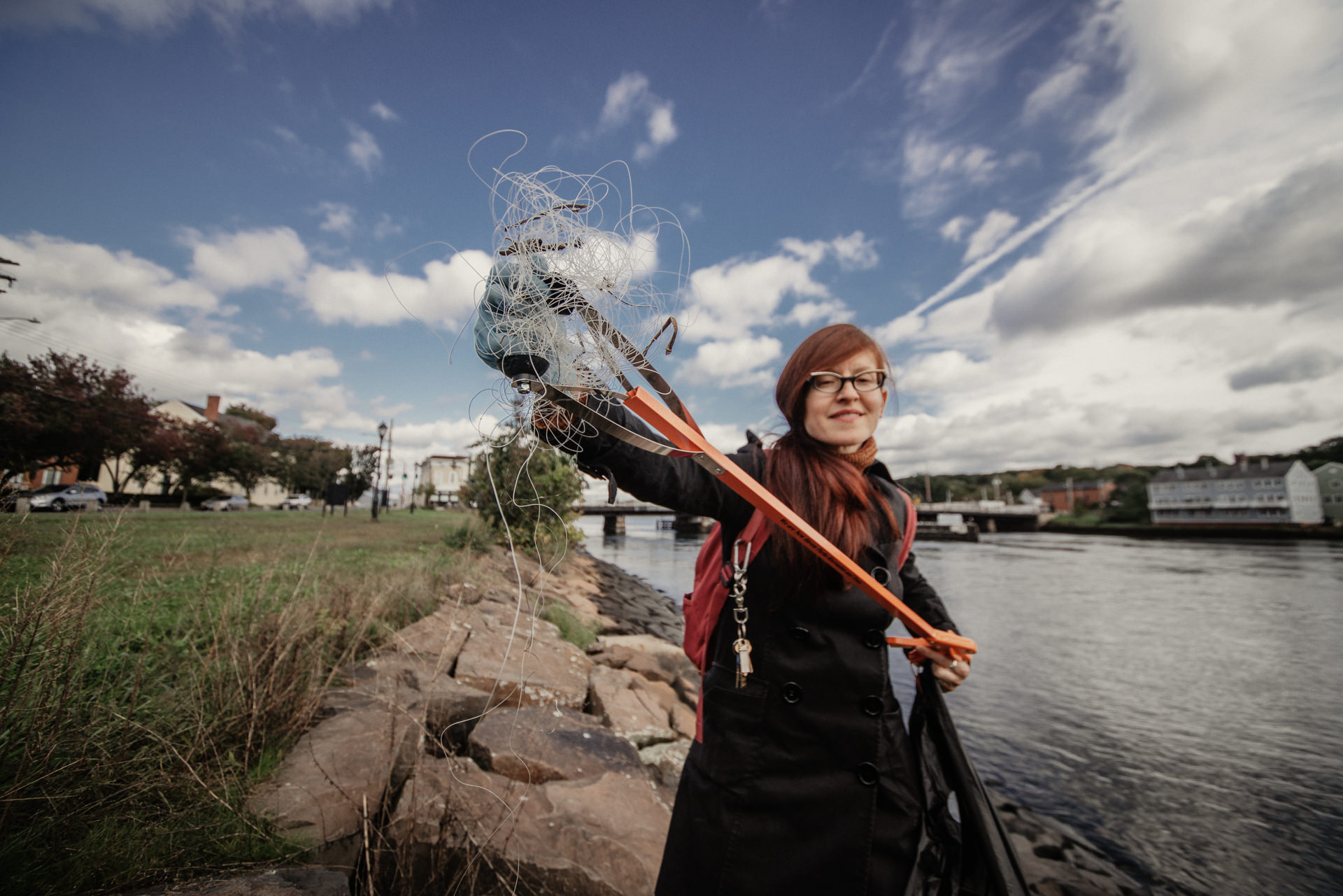
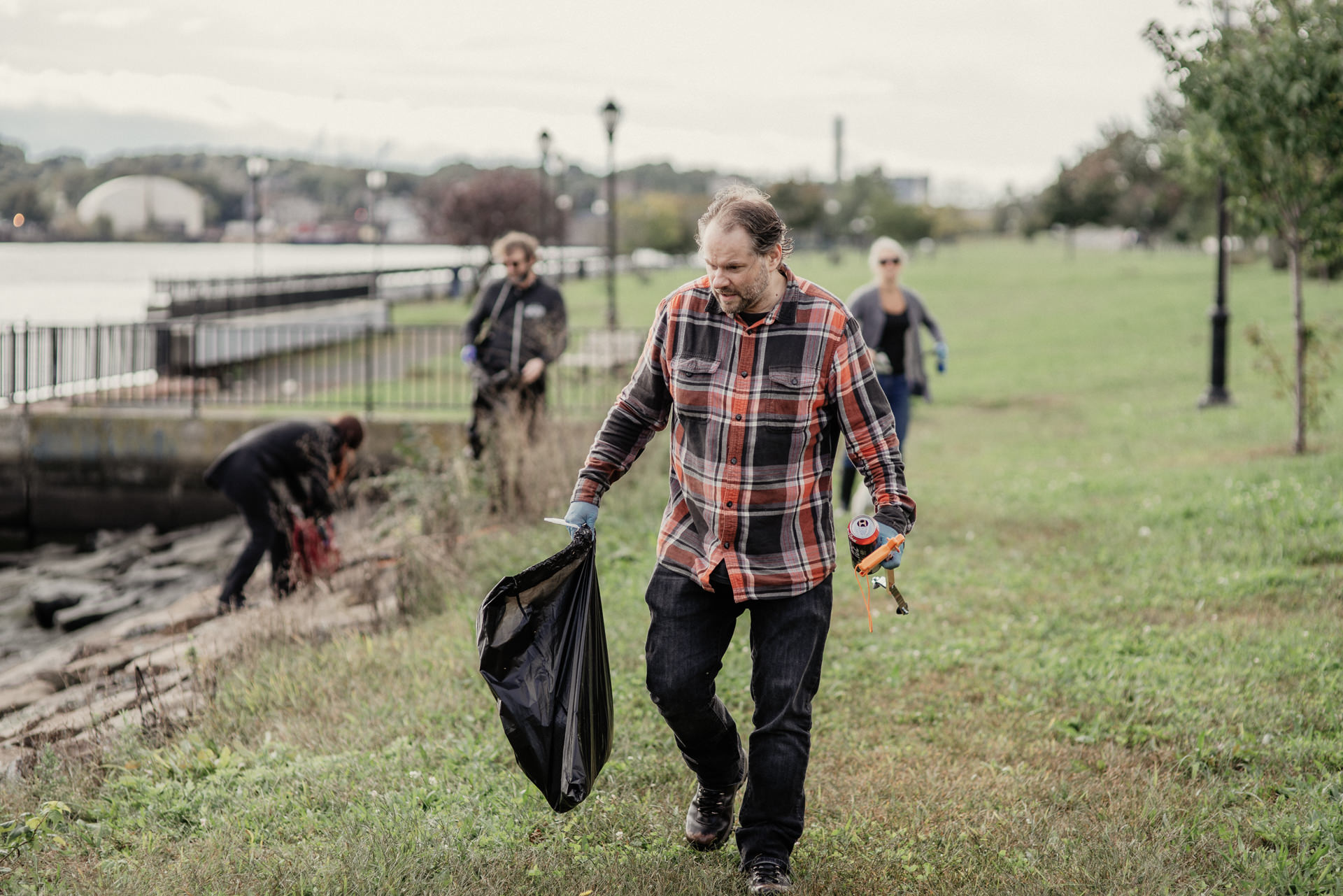
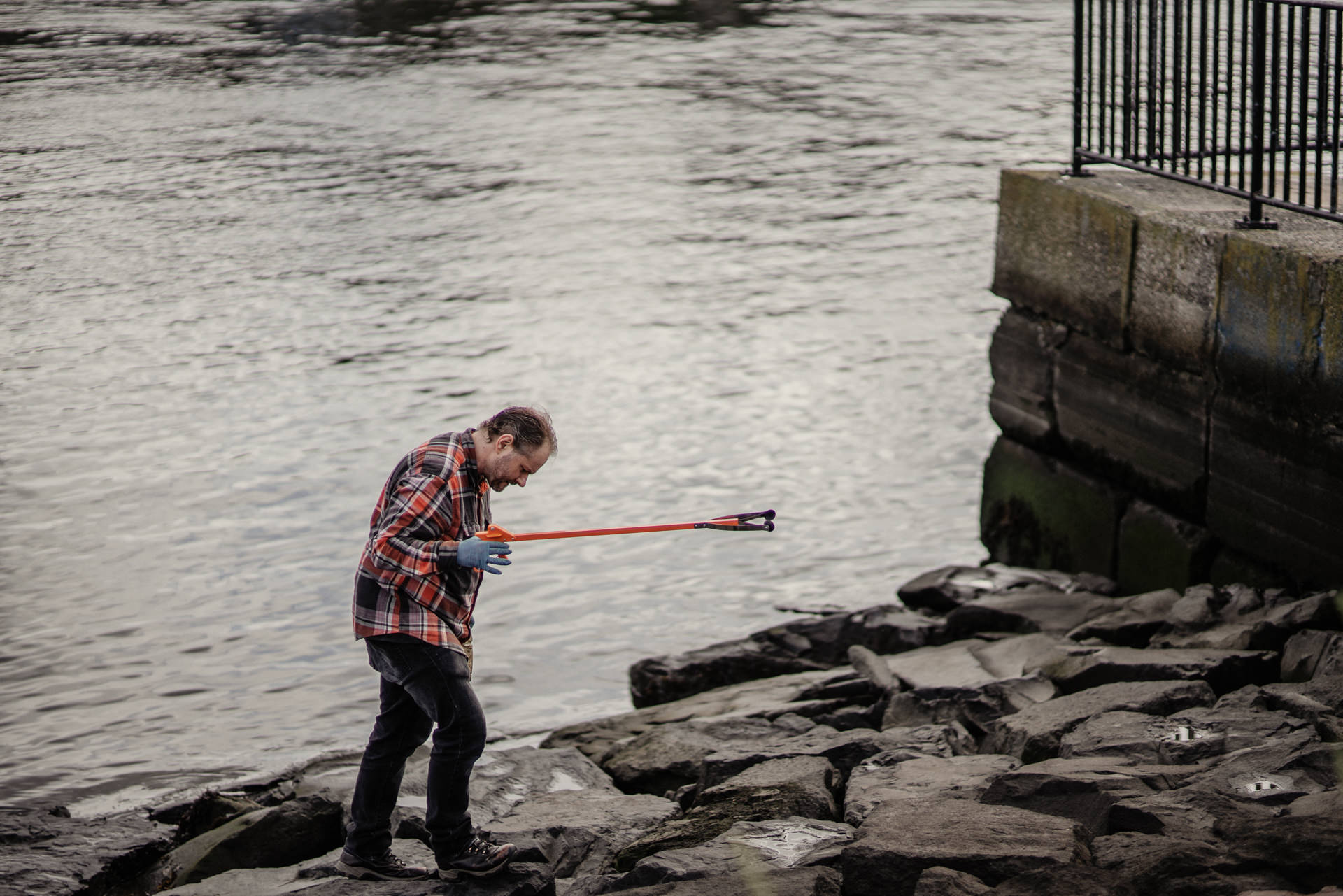
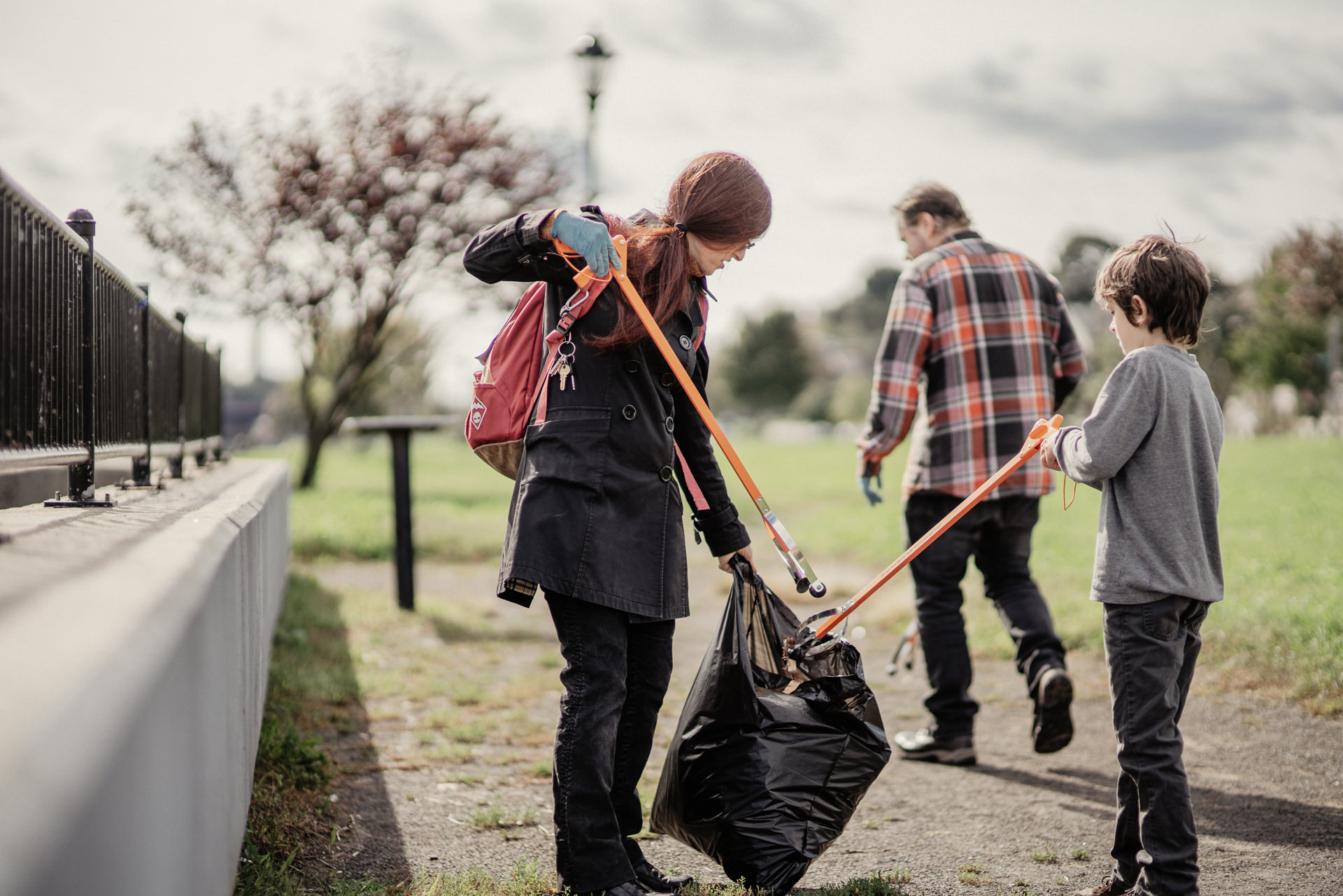
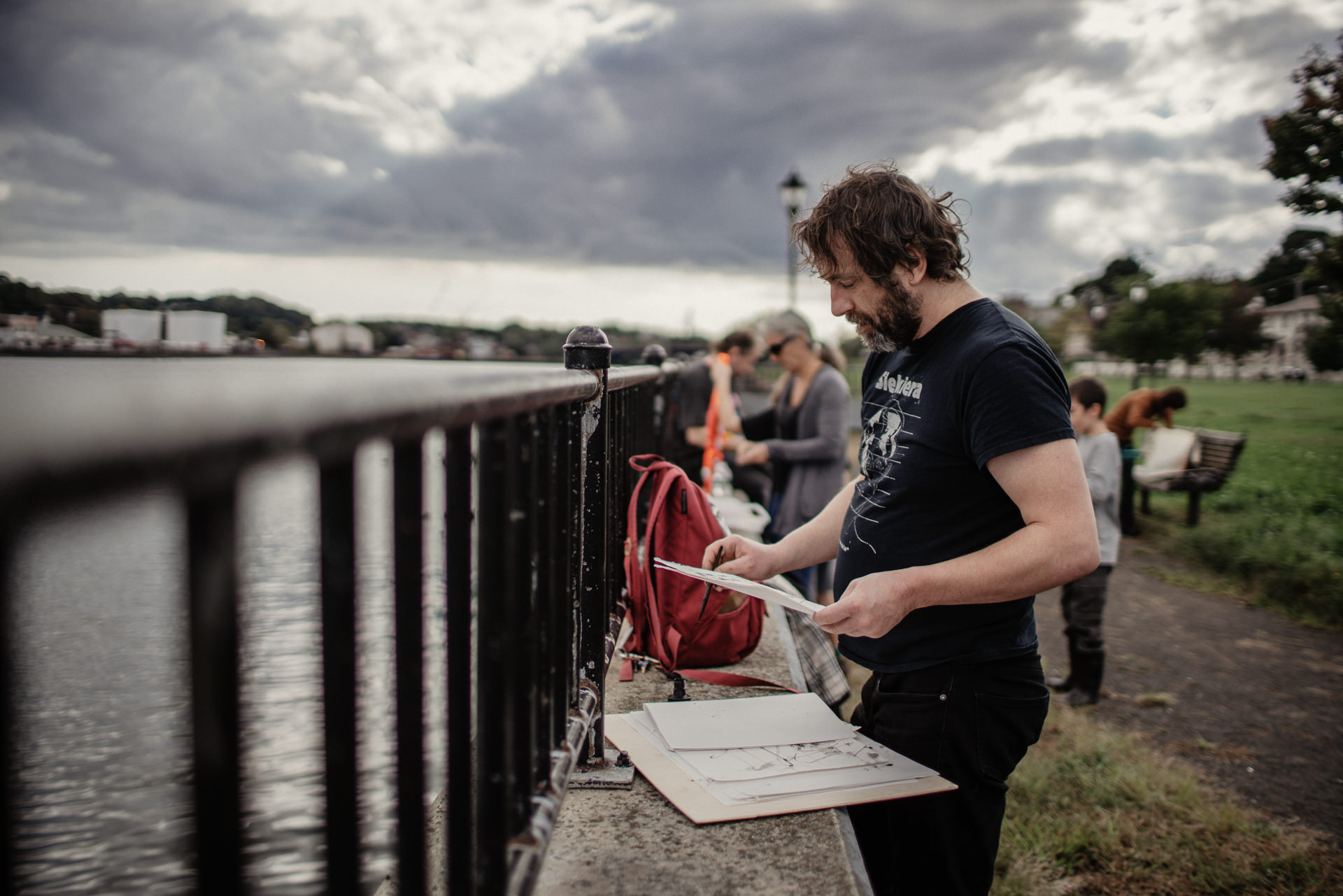
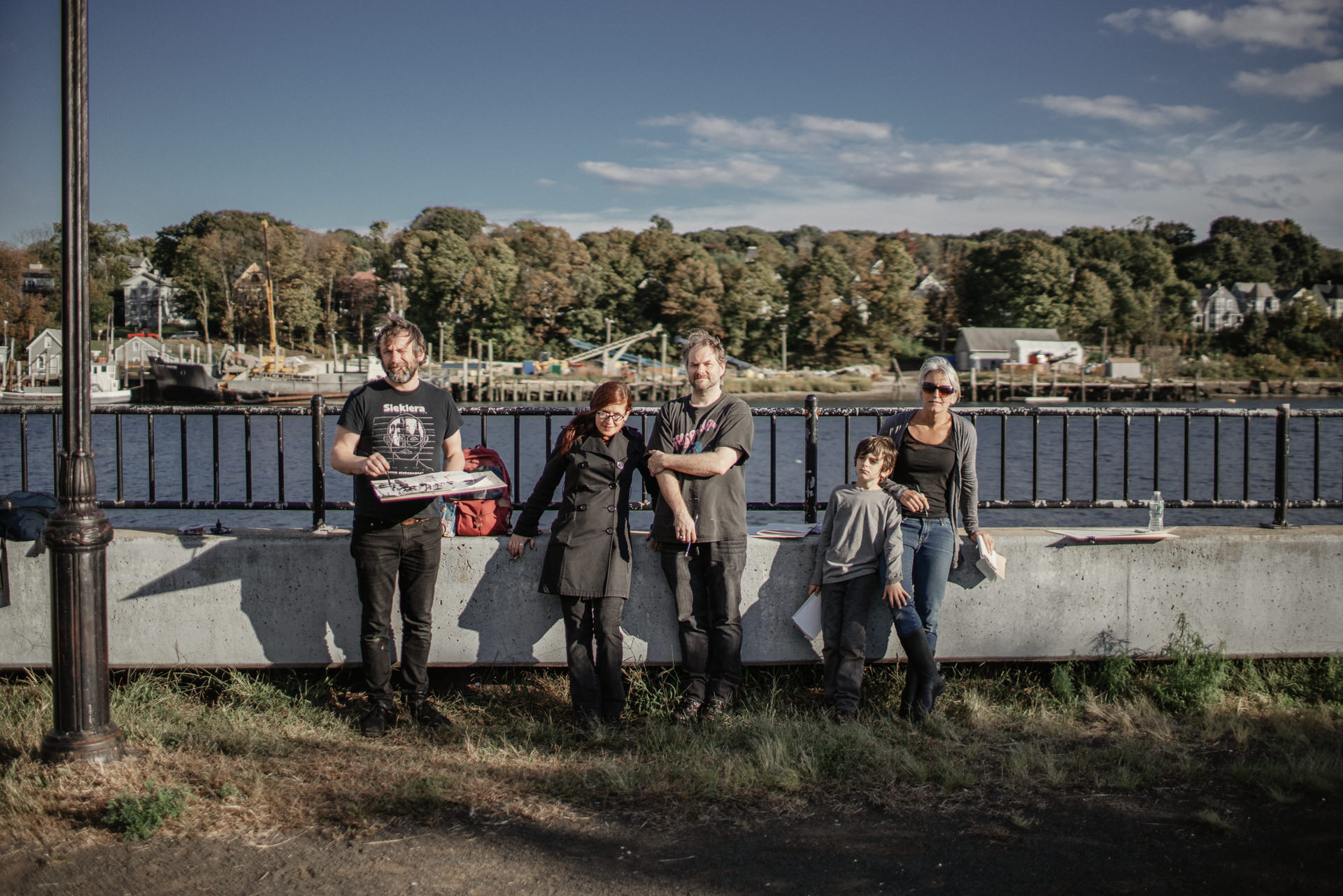
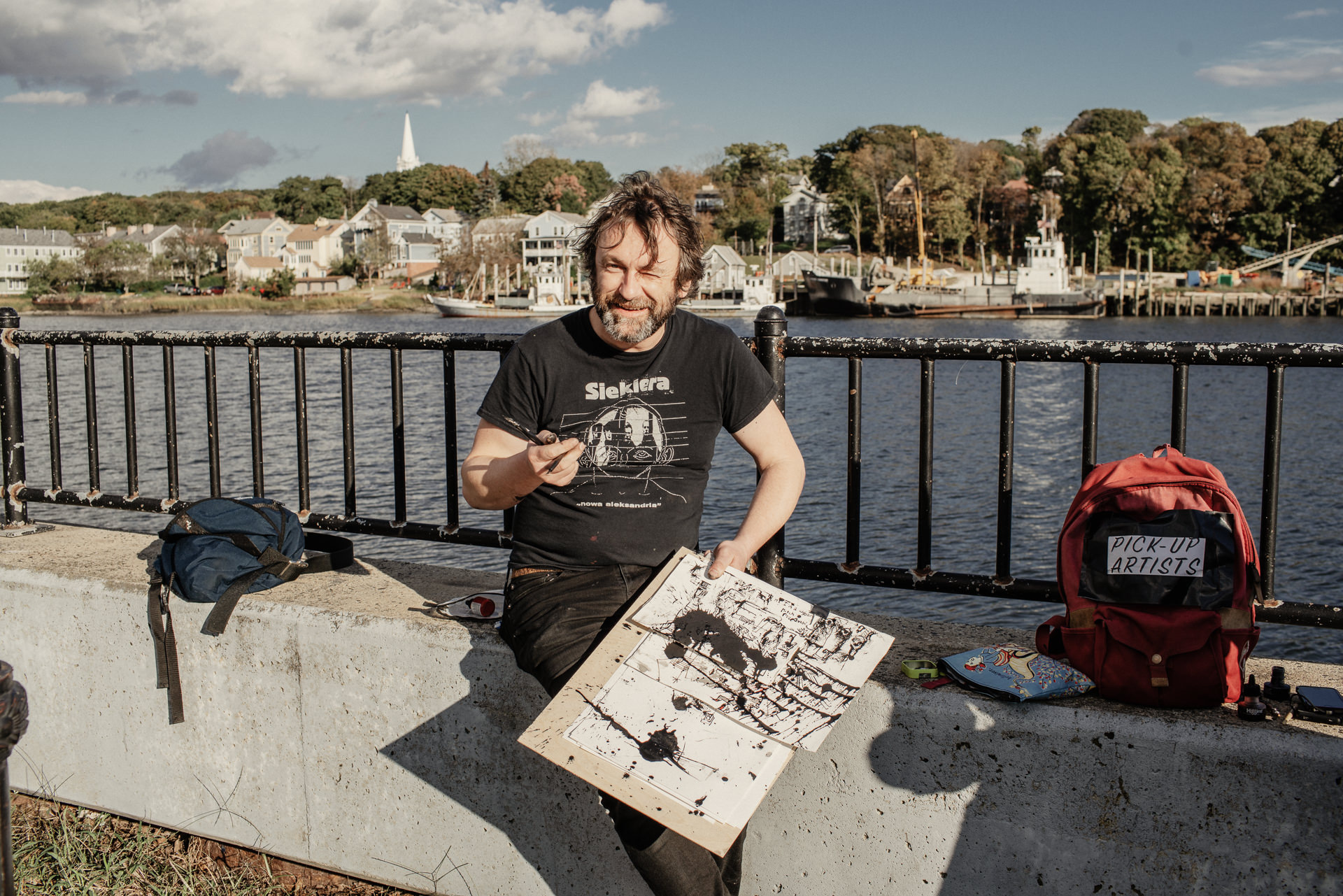
Desmond drags the broken chair from the water’s edge, disentangling himself from discarded fishing wire as he goes. Zoe aims her garbage picker at cigarette butts and bottle caps. Eight-year-old Roan searches the crevices for broken bits of styrofoam. While musician Adam dumps sludge from mud-encased beer cans, postulating about the urban archaeology of civilizations only 20 days past. Two hours and 12 garbage bags later, the ragtag group, playfully known as the “Pick-Up Artists,” sits together by the river’s edge, enjoying the scenic landscape so recently redeemed from blight, and turning their attention to making art.

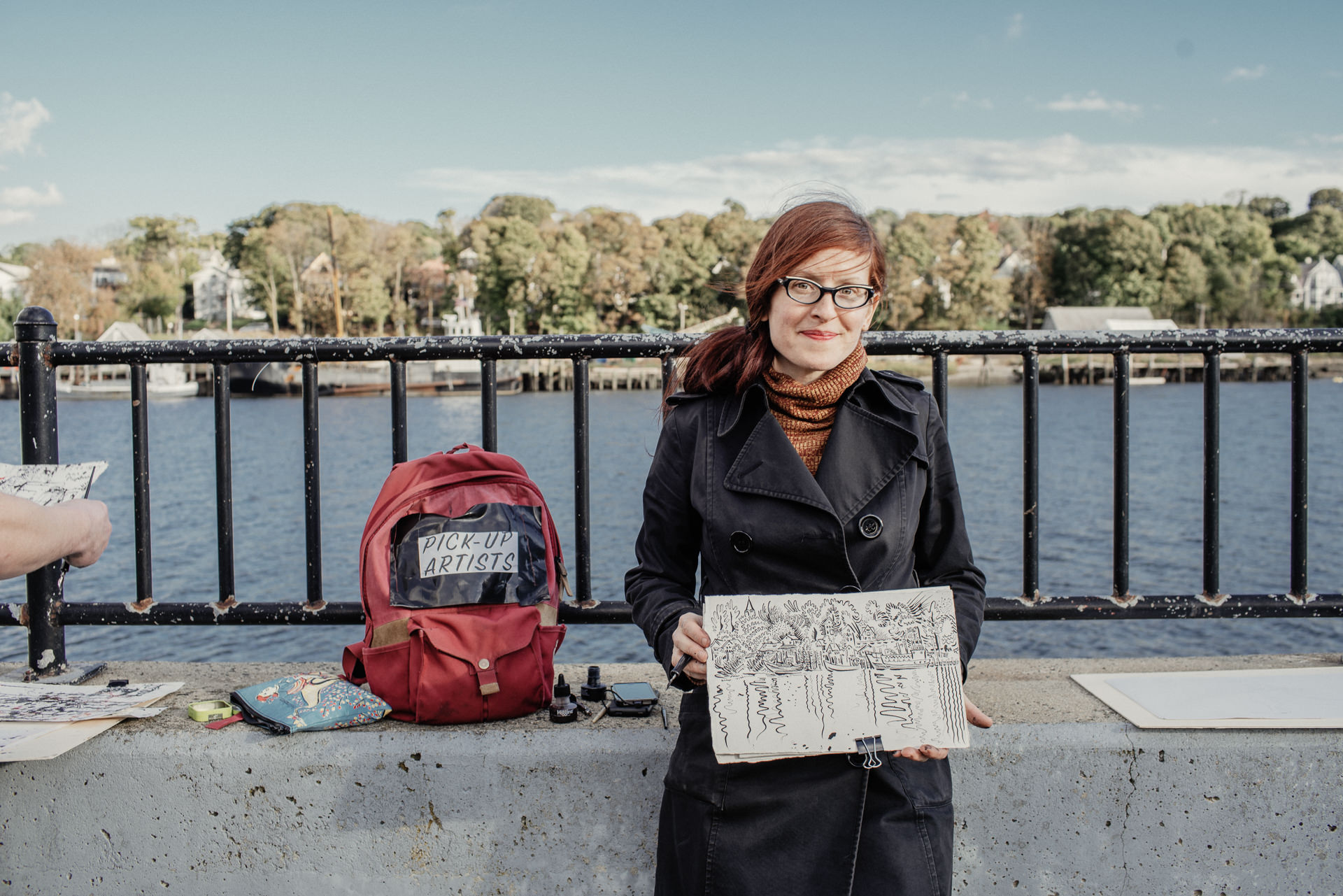
Started by New Haven artist Zoe Matthiessen, the Pick-Up Artists campaign is part clean-up, part connection and part creativity. It is an opportunity for artists to come together and clean-up beautiful — but heavily-littered — public spaces, which made the scenic — but trash-laden — Quinnipiac River Park the perfect spot for the groups’ second gathering.

On a sunny Saturday in October, ten people wandered Quinnipiac’s banks with bags in tow, including Zoe and some of her artist friends, local community members, and a college student who drove from Middletown to join the effort. While not a large turn-out, the participants left no stone unturned when it came to fishing the debris from the tall grasses and crevices in the rip-rap (riverside armiture).

“It’s not easy recruiting people to pick up garbage,” says Zoe, whose own interest in trash began long before she formed Pick-Up Artists. “I address the subject of garbage and pollution in my environmental art,” she explained, detailing the irony in her drawing of a duck with a discarded chip bag stuck on its head. Not just any chips, she notes, the all-natural organic kind of course.

Like many artists inspired by nature, Zoe was deeply disturbed by the trash she encountered in New Haven’s parks and waterways. She describes sketching one day in East Rock, and the persistent distraction of a plastic bag flapping in the branches of a tree. “It drove me crazy,” she said. Not long after, while biking by Long Wharf, absorbing the beauty of clouds and water, she observed two seagulls on the side of the road, dueling over a piece of garbage. Distracted by its styrofoam-encased prize, the victorious bird didn’t see the approaching vehicle until it was too late. Watching the seagull get struck by a car was the last straw for Zoe. “That’s it,” she resolved. “I need to pick it up.” Soon after, Pick-Up Artists was born, and hit the ground…drawing.

Zoe’s idea was well received, with positive response through Facebook, ads and flyers. She partnered with New Haven Parks and Recreation, who provided tools, supplies and disposal of the trash, and received a generous donation of art materials from Artist & Craftsman Supplies on Chapel St, including paper, pens, and ink, all which were put to good use by the artists who lingered in Quinnipiac Park to get creative after their clean-up.

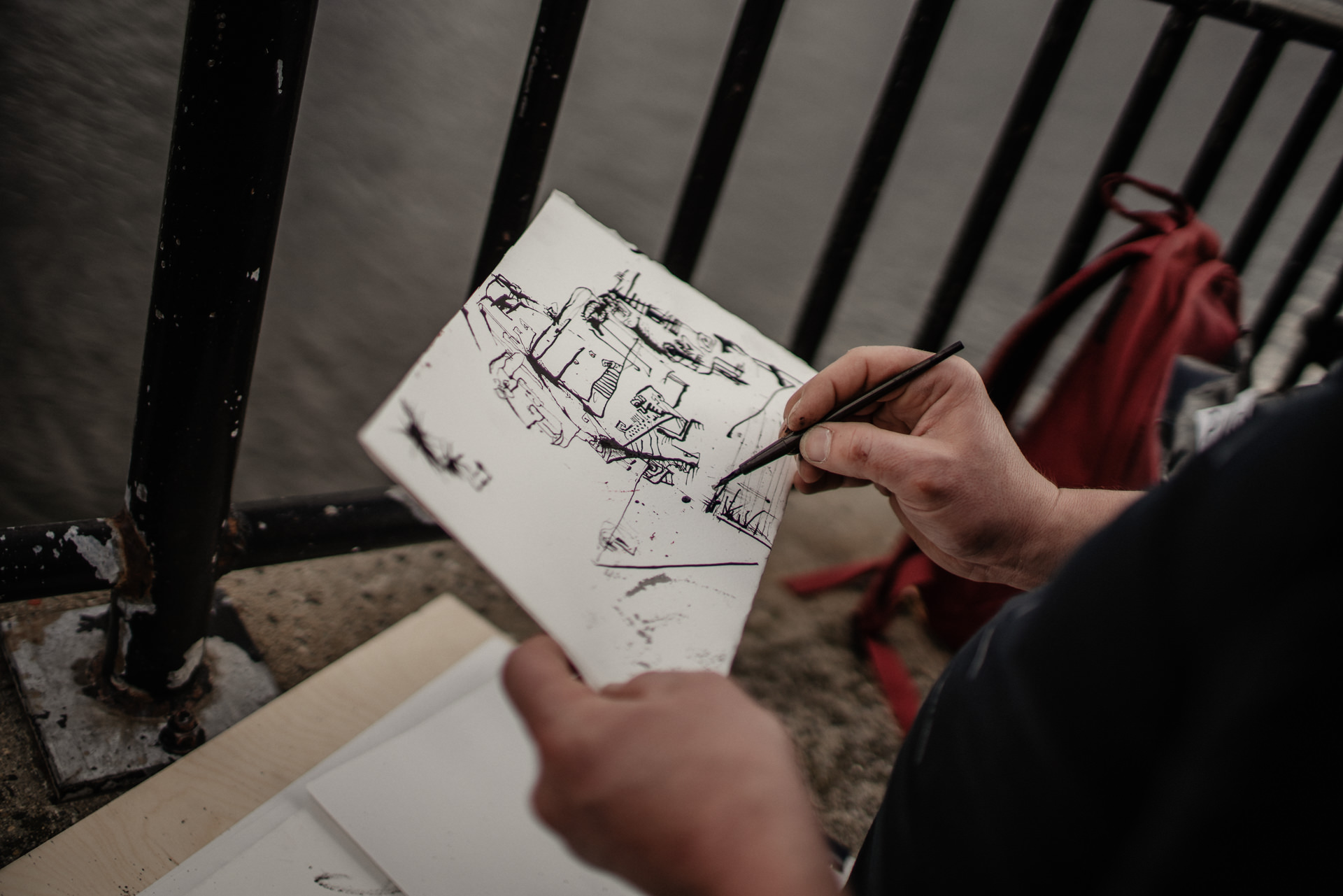
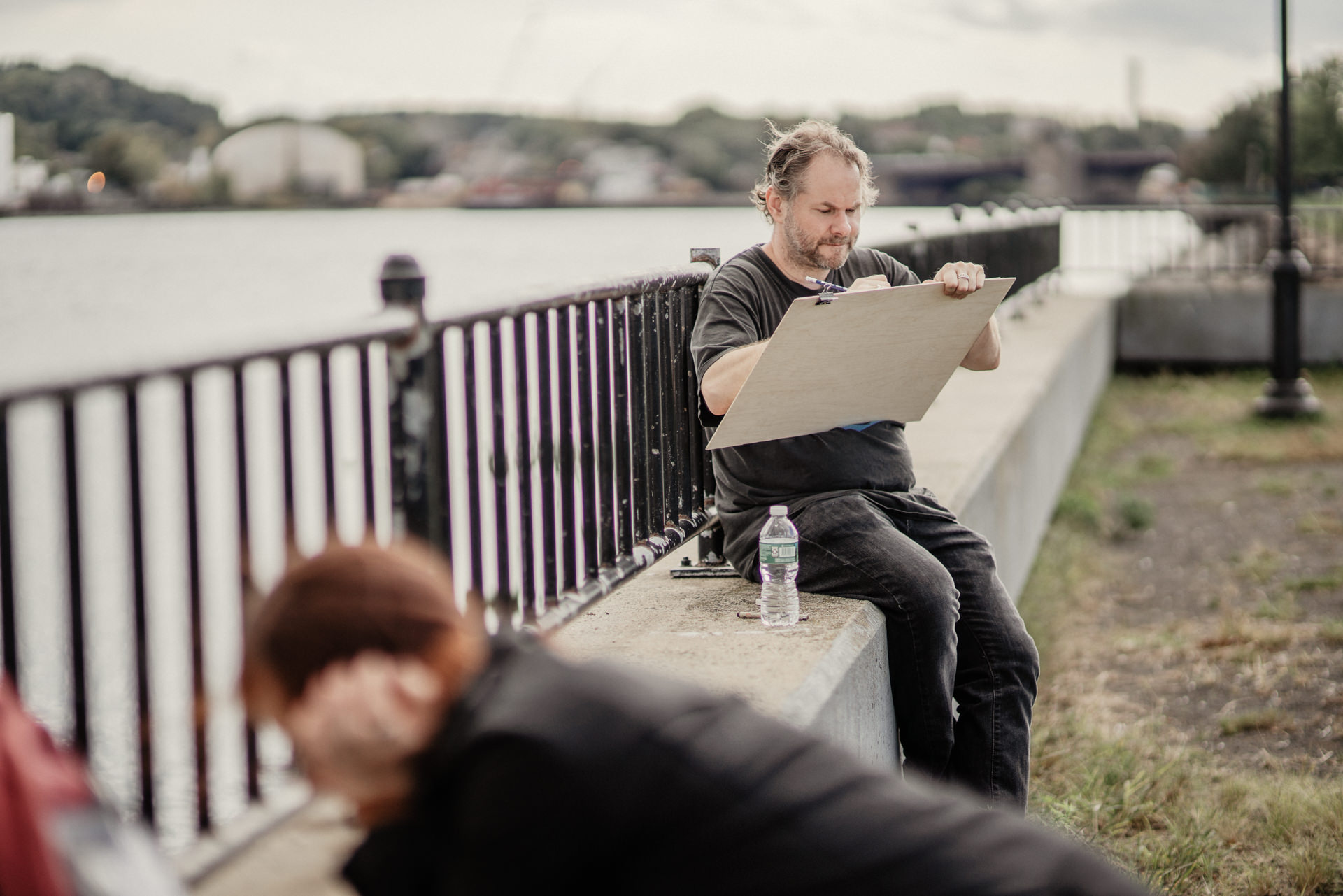
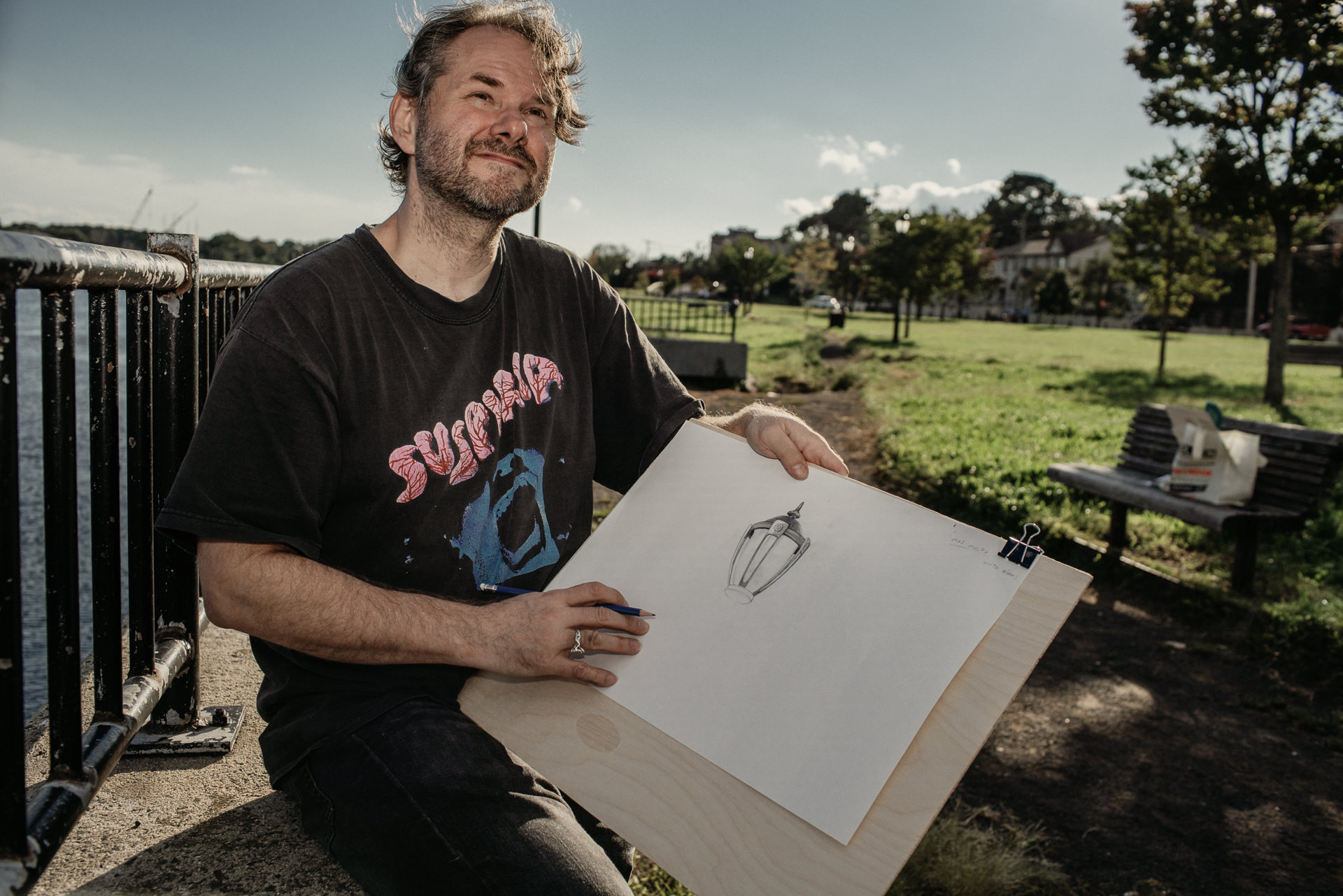
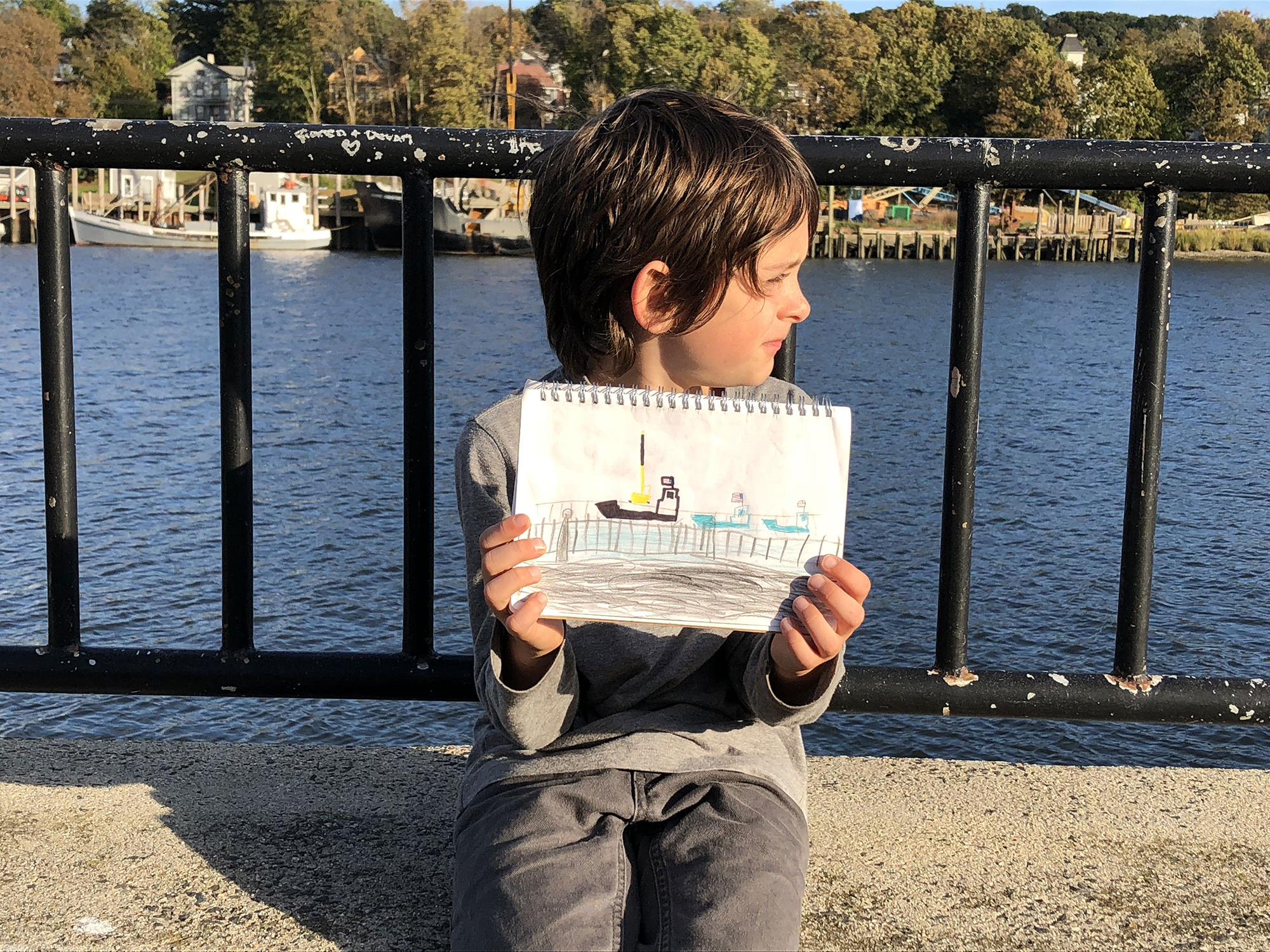
“We’re a bunch of weirdos,” Zoe noted as ink and conversation flowed among the eclectic group. Indeed the artistic results were as varied as their creators: Zoe’s detailed ink sketch of the view across the river, with self-described lasagna-style trees; Roan’s colored pencil rendition of the oyster boats, complete with waving American flags; Gabe’s pithy poetic statement; Adam’s angry political pen and ink drawing, adorned with an unfortunate, but somehow fitting, ink spill; Desmond’s precise study of a historic lamppost.

As for myself, though often a more anonymous reporter, I couldn’t help but be drawn in. I donned gloves and filled bags, and then — sitting beside the river I have long-known and loved, with friends I had just met — I embraced the creative moment with my own small tribute:

bag-laden artists
find satisfaction
in freeing the earth
from its blight.
uncovering life
that falls through
the cracks.
moments chewed,
uncherished,
forgotten.
broken needles,
crumpled bags,
fishing line,
containers of things
consumed,
weigh the upward
inspirationof cloud, light, water,
bird, flight,
with the gravity
of waste and want.

For more information on The Pick-Up Artists, please visit:
www.NHpickupArtists.org
facebook.com/nhpickupartist