Can you canoe?

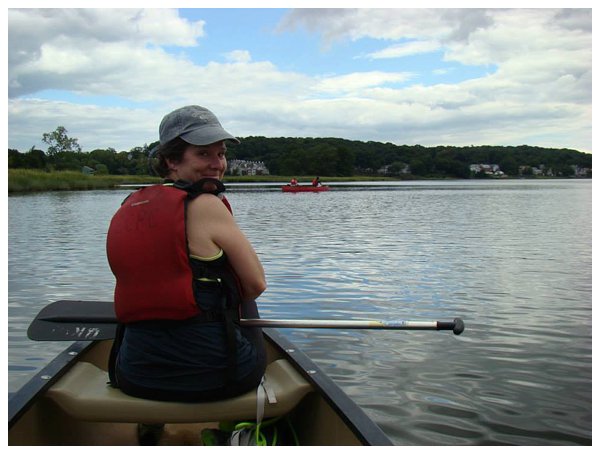
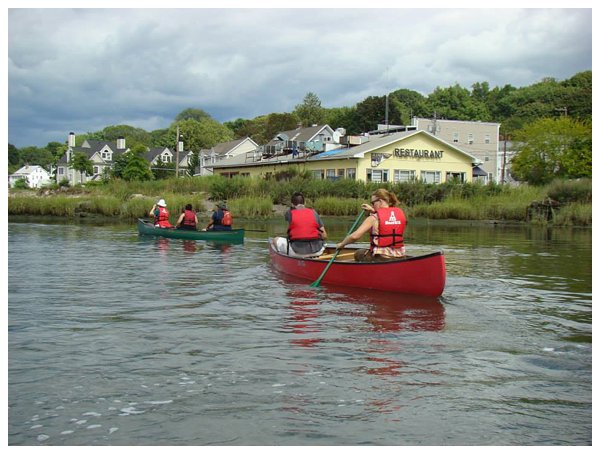
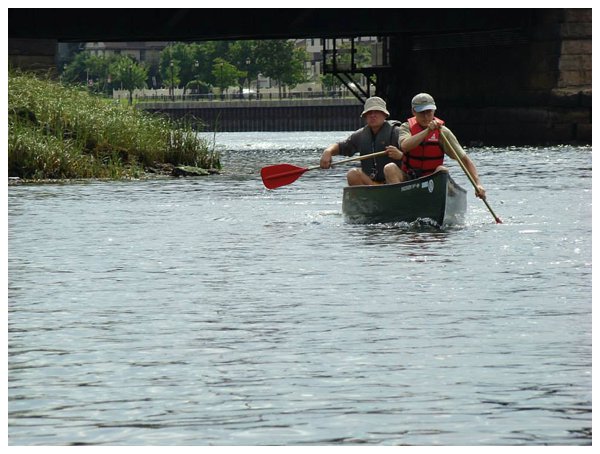
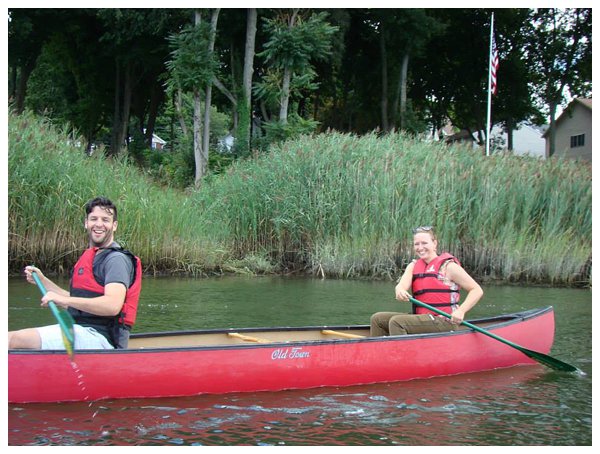
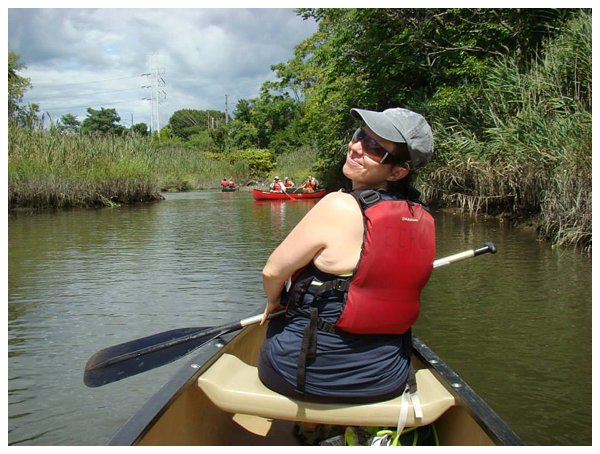
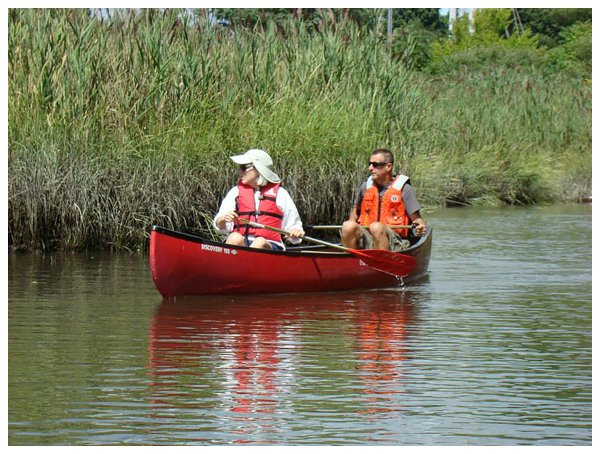
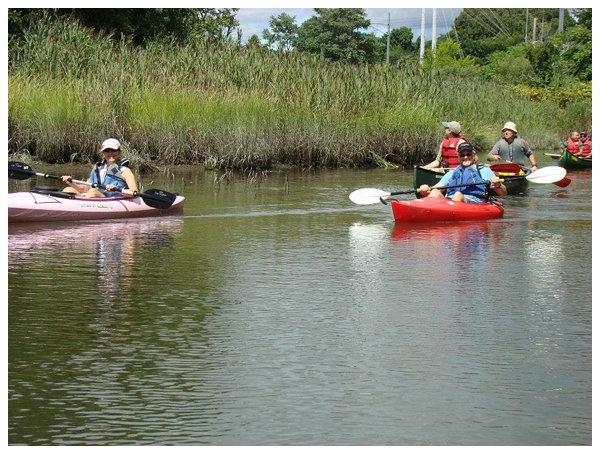
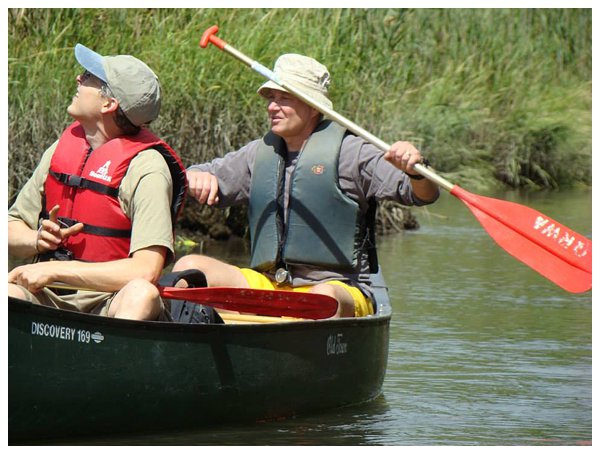
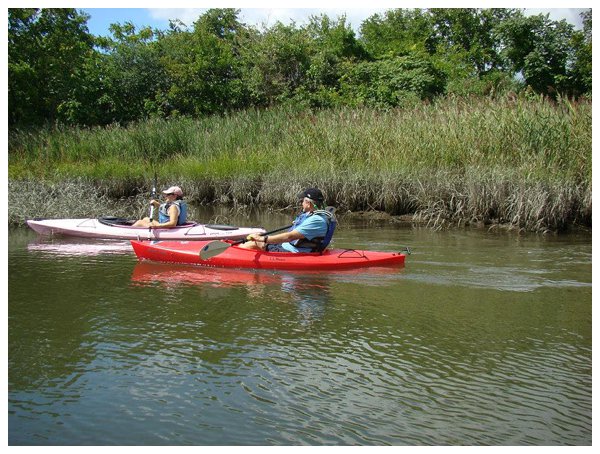
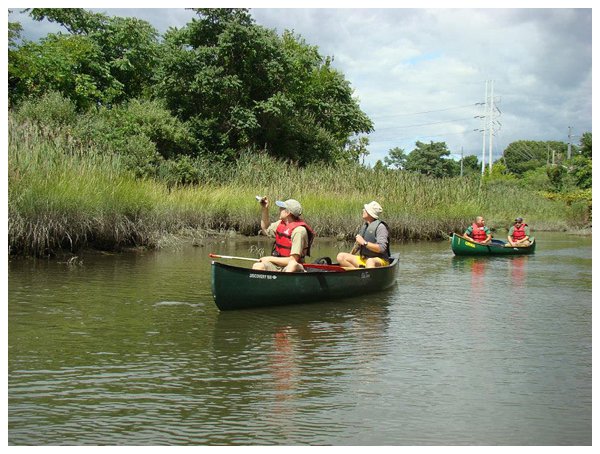
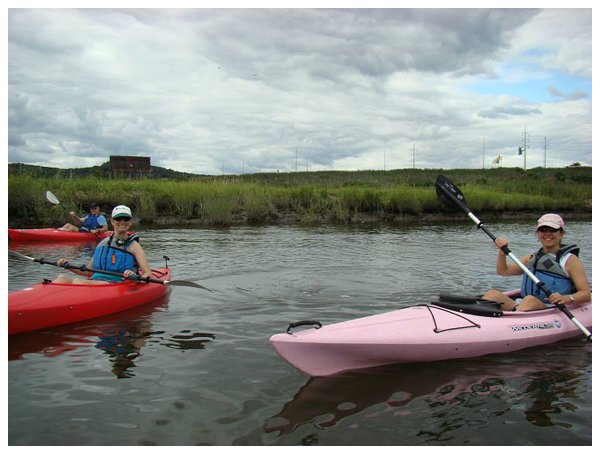
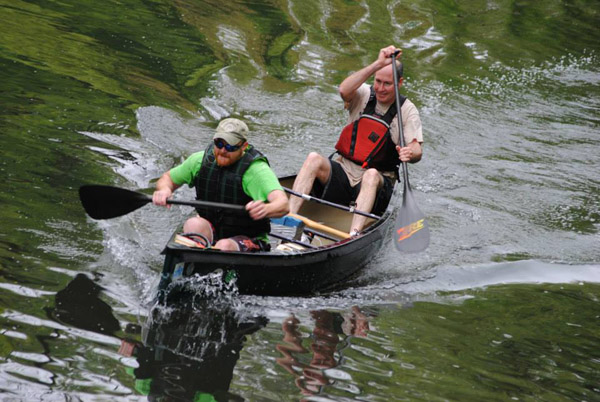
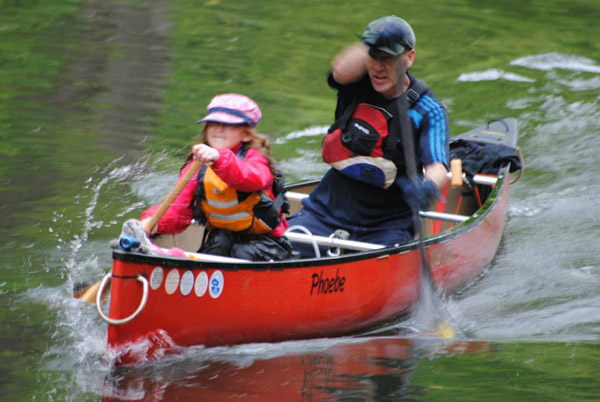
The sun was shining on this group of paddlers out for a scenic canoe trip on the Quinnipiac River. Hosted by the New Haven Land Trust on Saturday, August 23rd, the trip launched from the end of Clifton Ave. and wound its way past tidal wetlands and the Quinnipiac Meadows/ Eugen B. Fargeorgee Preserve.

The fish are flying

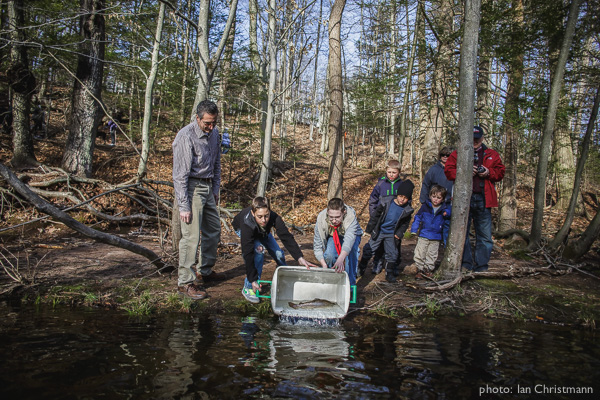
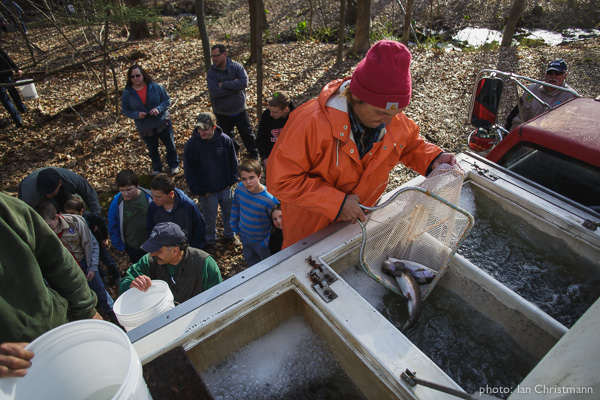
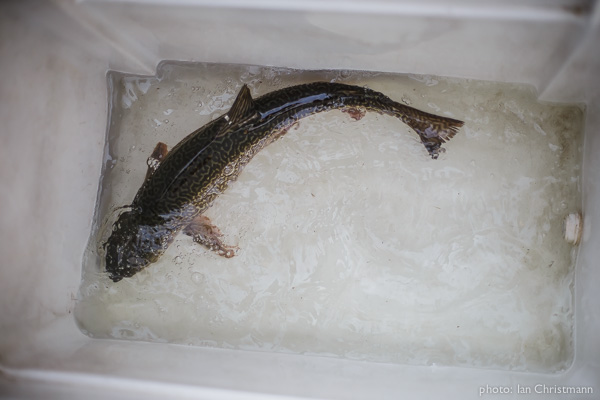
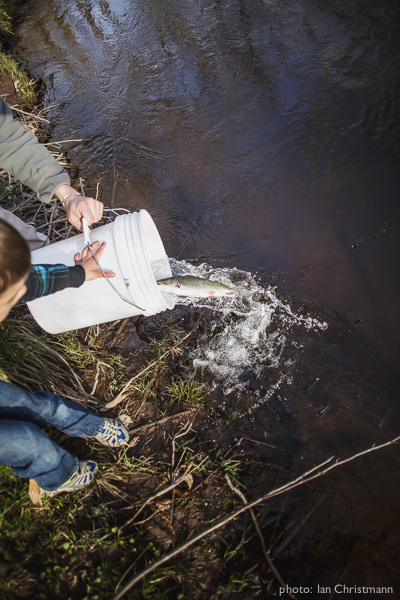
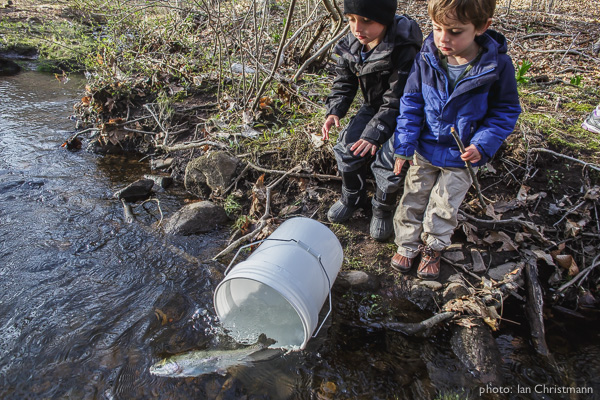
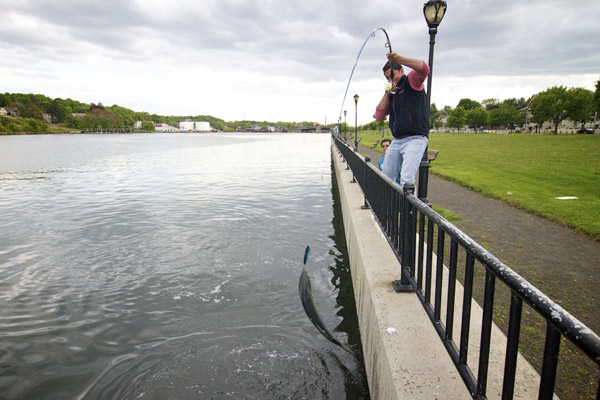
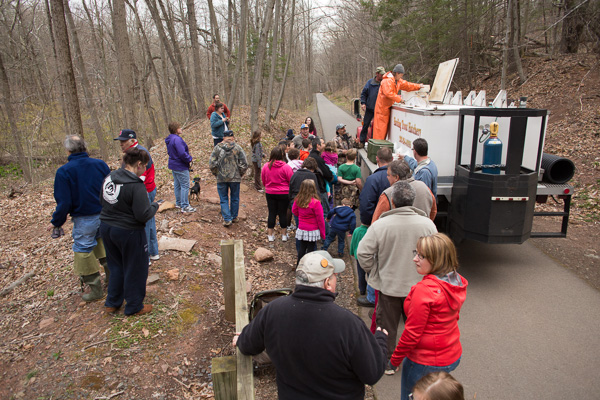
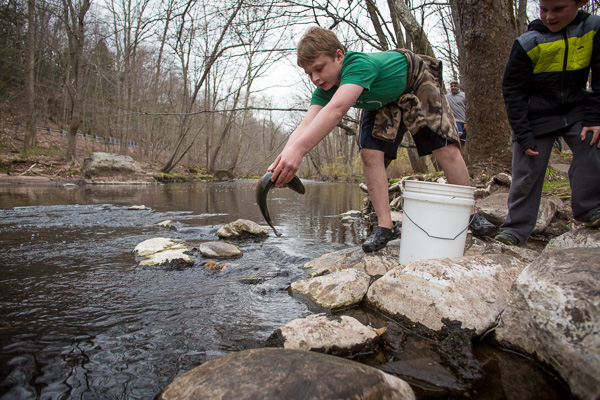
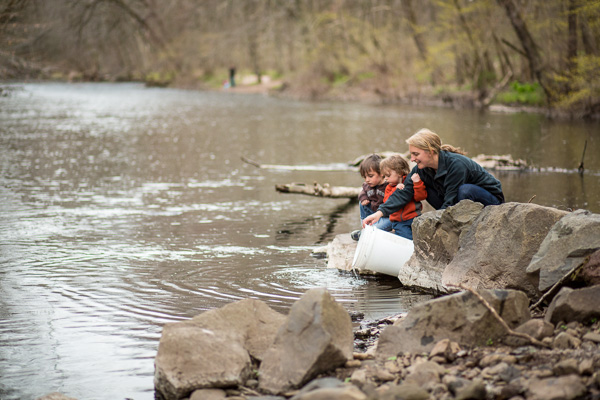
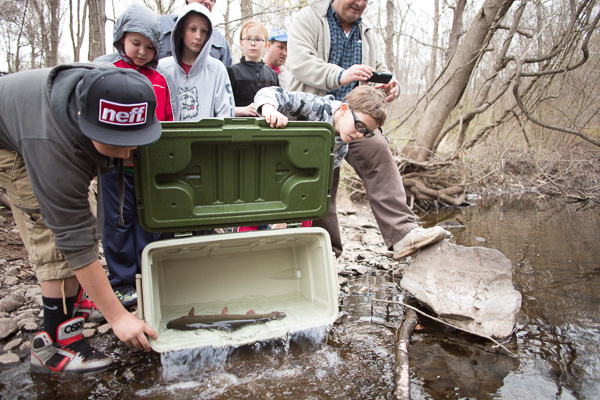
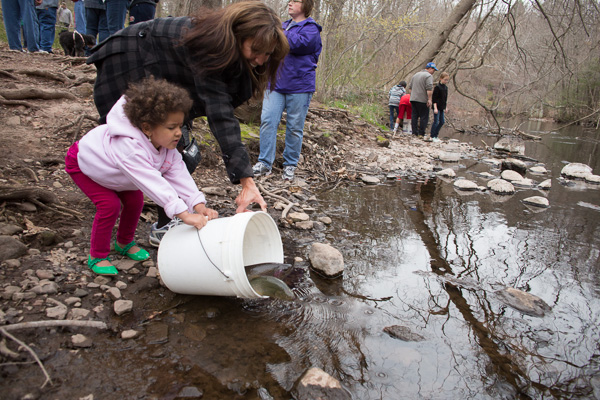
“I grew up fishing this river,” said Joe Tkack as he bent down to help his daughter release a 16” rainbow trout into the Quinnipiac River. “It’s great to be able to share what I did in the past and enjoy the outdoors with her.” For Joe’s daughter Josselyn, who is eight years old, along with the dozens of other children who attended QRWA’s annual fish stocking, the fun was in the bucket. Kids, with their adults in tow, lined up beside the Harding Trout Farm truck, anxiously awaiting their turn to be handed a bucket, and see what it holds inside: a brook trout, rainbow trout, a new hybrid tiger trout, and sometimes, to the kids’ delight, two trout in one bucket. The trout ranged from 12 – 20”, with the bigger ones generating the most excitement.

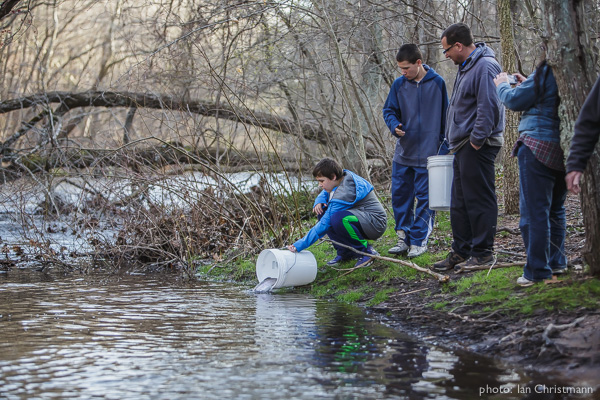
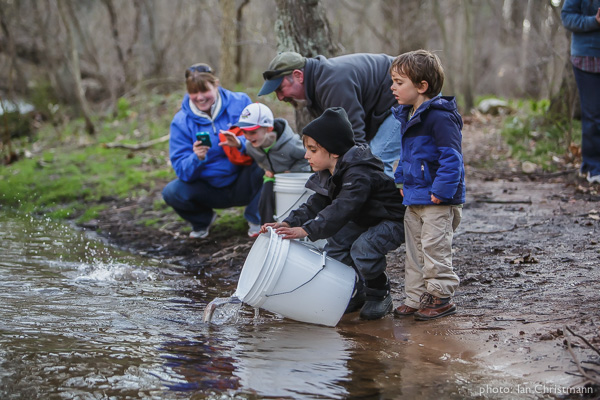
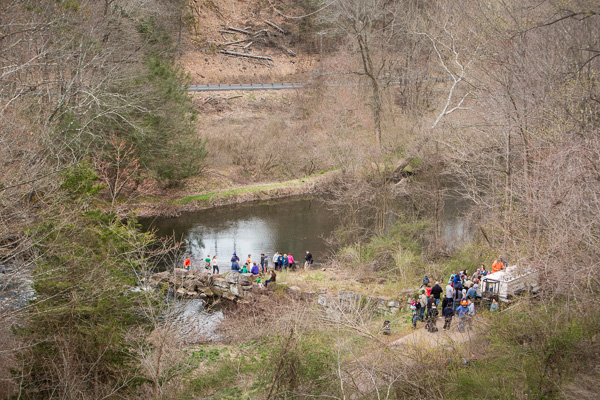
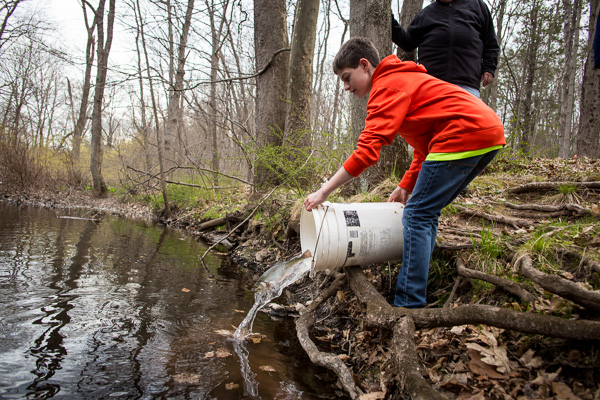
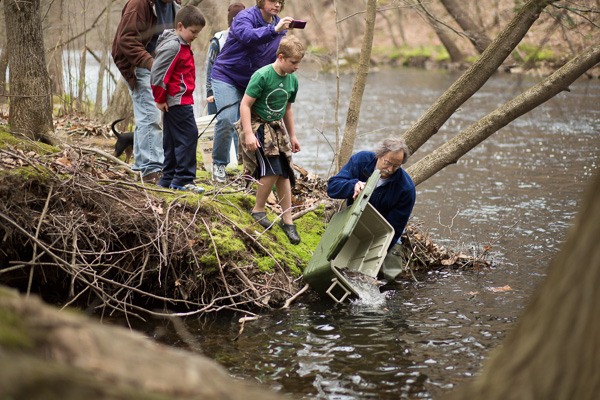
In total, more than 50 people of all ages helped release the 226 trout in five locations beside the Quinnipiac River Gorge in Meriden. At each location, small groups gathered by the river’s edge to carefully tip the fish buckets into the river, causing many to speculate whether they might catch that same trout during fishing season, which officially opened on Saturday, April 19.

The Quinnipiac River Fund has been a longtime supporter of the QRWA, funding it efforts to recruit volunteers in the community to be advocates and stewards of the Quinnipiac River.

A preserve within a preserve

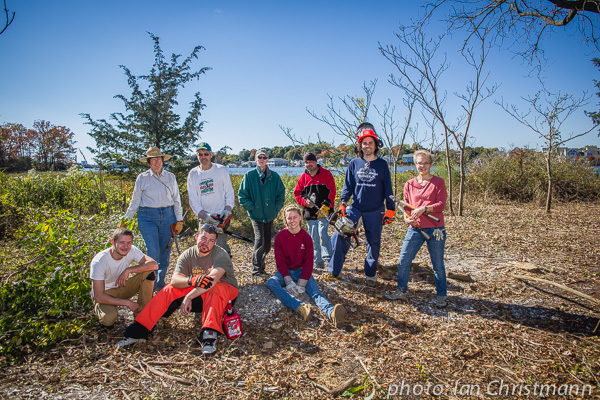
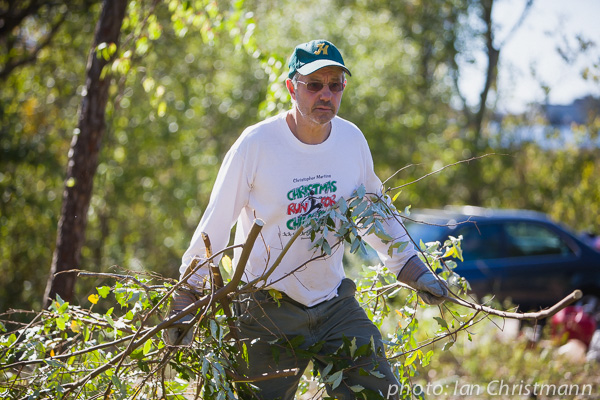
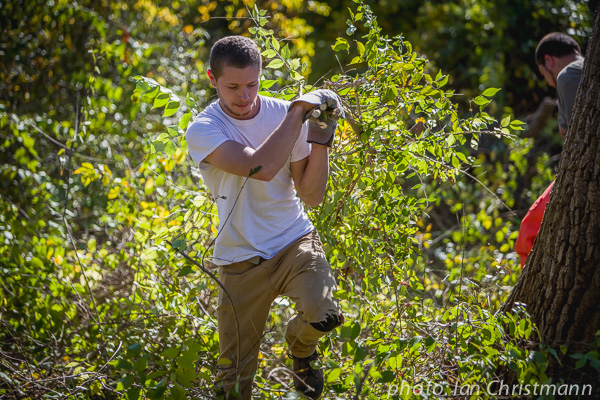
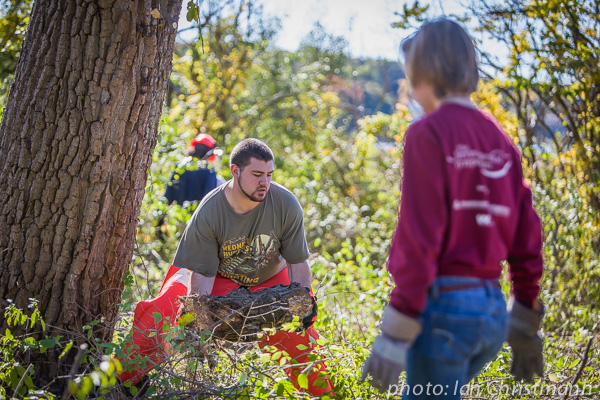
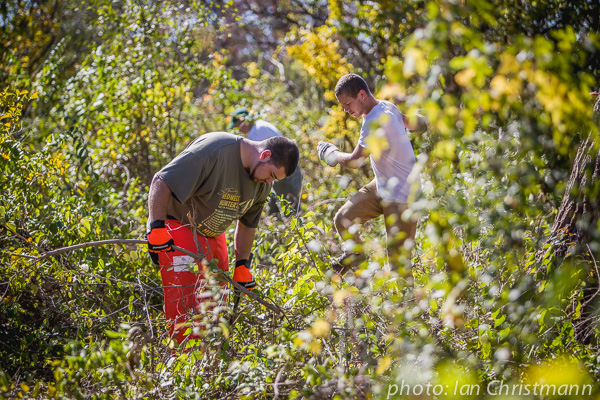
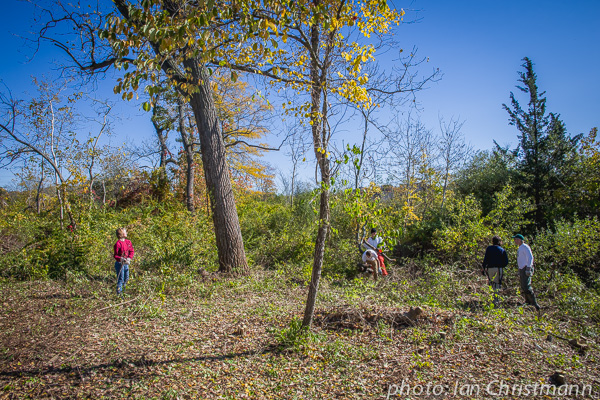
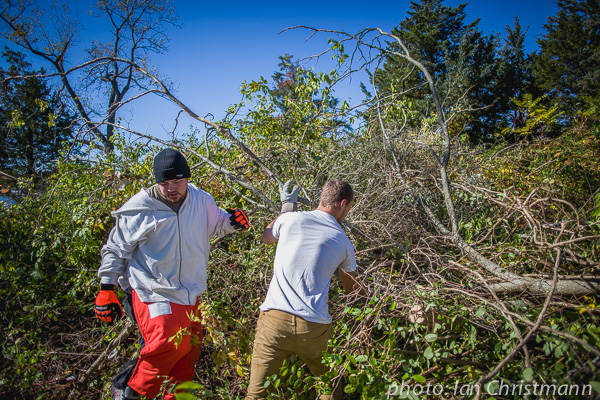
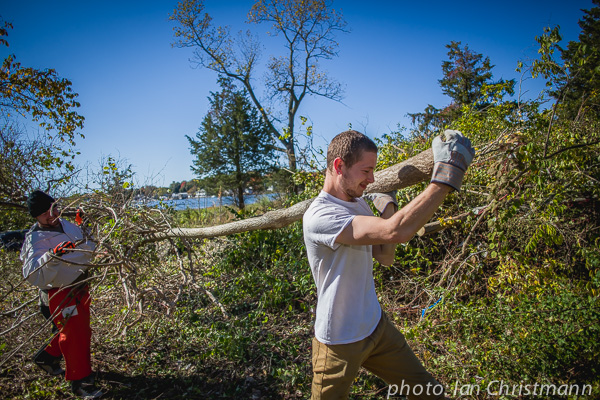
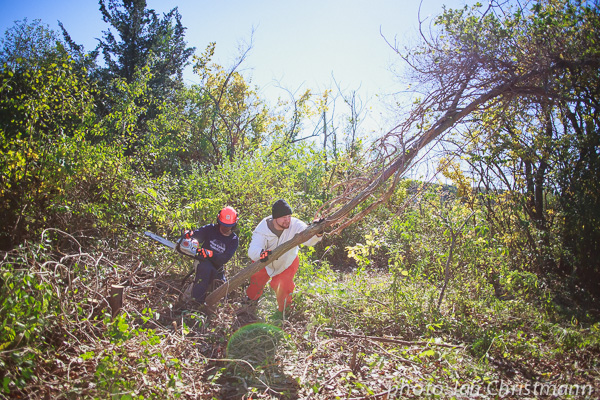
Volunteers clear invasive plants from Quinnipiac Meadows

A preserve within a preserve

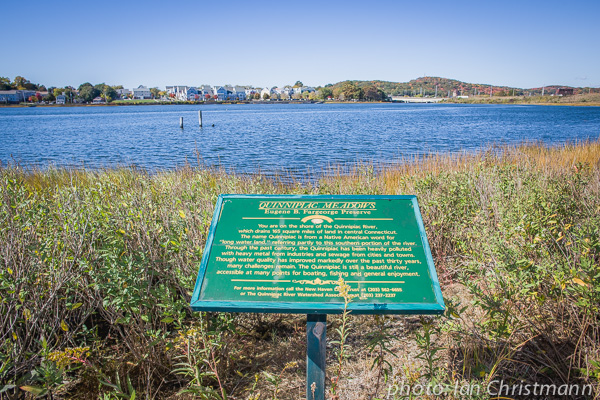
From 1-91, the strip of land looks like a golden wild island in the River. Although it is actually connected to land, the 35-acre Quinnipiac Meadows/ Eugene B. Fargegorge Preserve serves as an island of sorts: a serene oasis of plant life and wildlife amid the surrounding bustle of houses and highways, billboards, condos and shopping centers.

With ospreys and owls, herons, fox and terapin, wildlife abounds in the preserve, but the land’s true potential is being compromised by threat that many never notice: invasive plant species. Aggressive, weedy trees and shrubs have created a dense thicket in areas of the preserve. In the upland portion in particular, three invasive shrubs — bush honeysuckle, buckthorn, and autumn olive — dominate the land,  smothering the native trees, such as eastern red cedar, winged sumac, and eastern cottonwood, that make the area unique.

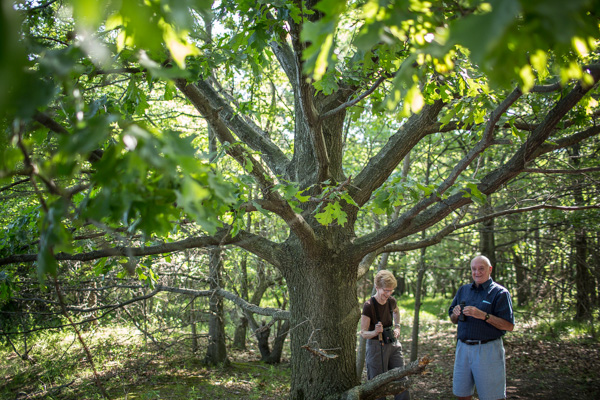
The New Haven Land Trust is working to create a preserve within the preserve, clearing and suppressing the invasives so the coastal riparian plant community can thrive. On October 13 and Oct. 20, dedicated groups of volunteers rose to the labor-intensive occasion. Donning long pants, close-toed shoes and work gloves, they wielded chainsaws and machetes to clear an overgrown 1.2 acre area near the bird blind overlooking the salt marsh and river.

“In an urban environment, preserving the few natural places that we do have is critical,” said JR Logan, volunteer and board president for the New Haven Land Trust. “These volunteers have chosen to put their efforts into creating an environment where we can have a greater biodiversity, a space where those in New Haven can have an experience with nature.”

The Land Trust plans to mow an additional five acres overrun with invasive grasses and, when the weather warms, add new plantings of native species to help the preserve thrive as a wildlife habitat.

In line with its mission to promote the appreciation and preservation of natural resources in New Haven, the New Haven Land Trust has been working in the Quinnipiac Meadows preserve for more than a decade. In 2009, The Quinnipiac River Fund supported a Land Trust program to promote public education and access in the Preserve. Volunteers fuel the current invasive-clearing work, with support by the National Resources Conservation Service for the project’s management.

If these fish could talk…

If these fish could talk…

…they might say, “caution.”

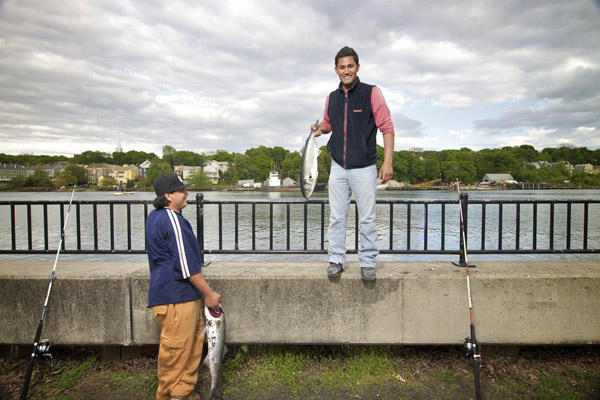
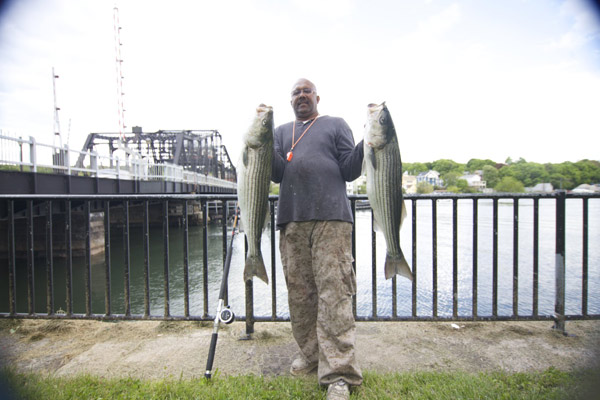
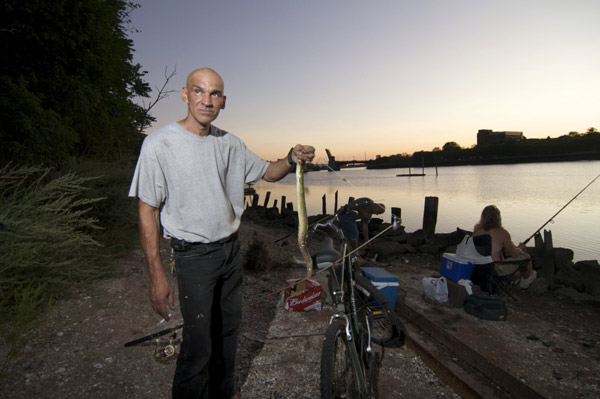
The lower Quinnipiac River offers a bounty of fin-laden delights, such as bluefish and bass – tempting possibilities for a low-cost, high-protein family dinner, but eating these fish too often can be a serious health hazard.

To shed light on Quinnipiac’s fish contamination and consumption risks, the Connecticut Coalition for Environmental Justice (CCEJ), with support from the Quinnipiac River Fund, launched a safe fishing project from 2010 – 2012. Through casual one-on-one conversations, brochure distribution and multi-lingual signage, the CCEJ helped hundreds of fishers on the Quinnipiac River understand the hidden dangers they may be ingesting.

Even when pollution is miles away or many years past, fish can harbor levels of cancer-causing chemicals – such as mercury and polychlorinated biphenyls (PCBs) – thousands of times higher than the water. Chemical spills can elevate PCB levels in fish for years after the spill has ceased, and mercury in air pollution can travel long distances before being deposited into the river.

In Meriden, north of the Quinnipiac River Gorge, a history of heavy pollution makes eating any caught fish (other than stocked trout) ill advised. In the lower Quinnipiac, tidal waters help lessen some pollution, but fish consumption risks still remain high. The CCEJ focused its education efforts on this area, where the river’s proximity to highly populated urban areas and low-income neighborhoods makes fishing for food a popular activity.

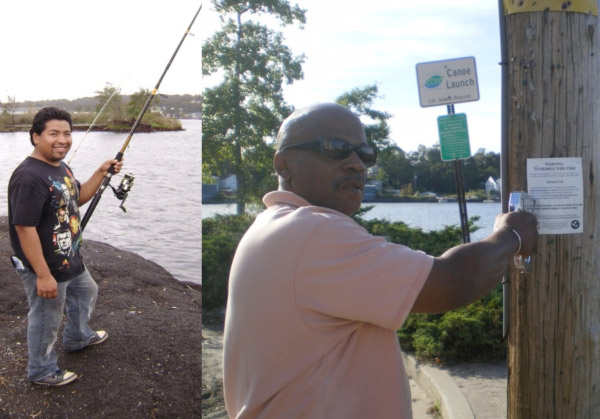
To lead the education efforts, CCEJ brought on lifelong fisherman Robert Hudson, who brought an angler’s attitude to the task. Donning casual clothes and often carrying a fishing pole, he spoke with nearly 170 fishers, most of whom said they were not aware of the safe fishing guidelines.

Tidal in nature, the lower Quinnipiac bears the same fish-eating cautions as the Long Island sound: most saltwater fish are safe to eat, except for bluefish longer than 25 inches and striped bass, which should not be eaten by pregnant women, women who plan to become pregnant or children under the age of six. For everyone else, the Department of Public Health recommends no more than one meal a month of these large fish.

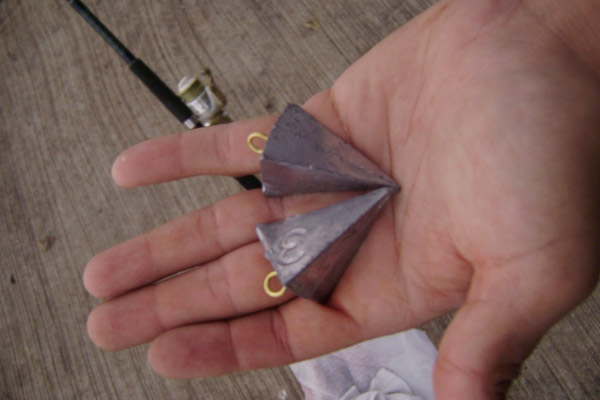
Hudson provided fishermen with pamphlets explaining the guidelines, and also explained a practical and simple way they could help reduce contamination of the river and river-caught fish: by switching their lead weights to alloy-encased ones.

Hudson’s education work helped inform CCEJ’s effort to promote a state bill to restrict lead fishing weights, similar to measures that have passed in Maine and New Hampshire. CCEJ also worked with the State Department of Environmental Protection to ensure fish signage is posted in fishing areas in English and Spanish.

The Quinnipiac River Fund has granted $27,000 to the Connecticut Coalition for Environmental Justice for its safe fishing project and broader activities building environmental awareness and safeguarding the health of residents who use the Quinnipiac River.

“Nobody knows it’s here…”

“Nobody knows it’s here…”

Proposed trail highlights hidden beauty behind Target

From DVDs and diapers to paninis, pasta and apparel, North Haven’s Universal Drive shopping area has much to offer, and if the efforts of a dedicated group of North Haven residents succeed, it may soon proffer a new opportunity of a wilder kind.

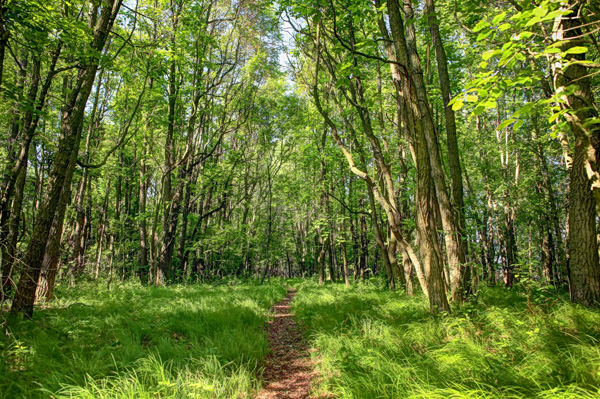
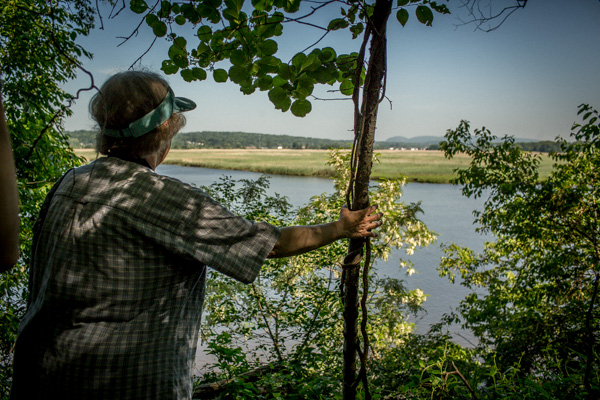
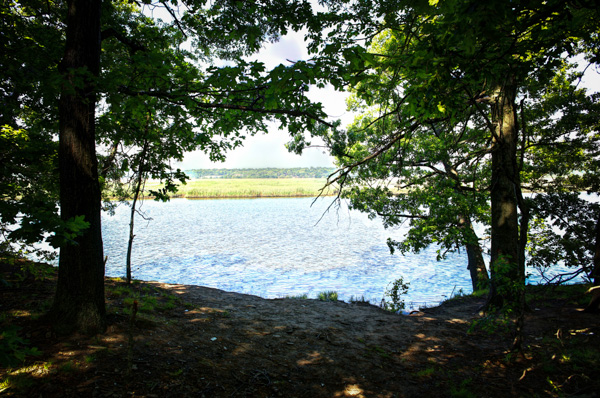
Tucked behind Target, across an empty parking lot, a small path leads through the trees and opens to stunning views and alluring possibilities for bird-watching, walking, cycling, launching canoes or nature study along the banks of the Quinnipiac River marsh.

“Nobody knows it’s here,” said Don Rocklin, a member of the North Haven Trail Association, a volunteer-led group working to turn the foot path into a full-fledged recreational trail along the River. Indeed, the shopping center’s buildings turn their back on the scenic marshland, which, according to Association president Steve Fontana, is their loss.

The North Haven Trail Association came together in 2007 with an ambitious long-term goal of creating trails on both the east and west sides of the North Haven section of the Quinnipiac. The group originally focused on a deep woods and meadow trail near Valley Service Road that would link with the Quinnipiac River trails in Meriden and Wallingford. While this area remains on the radar, the development of the Universal Drive shopping area shifted their focus to this more popular destination.

“It’s right in our backyard,” said Pat Bartek, a North Haven resident and member of the Association, explaining her motivation is to “to respect, value and save the green parts of town.”

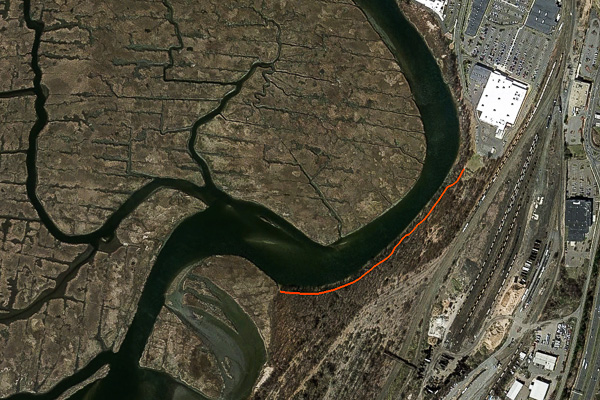
The proposed trail begins behind Target and follows the Quinnipiac River tidal marsh south for one mile. In subsequent stages of development, the trail would continue north behind Best Buy, Barnes and Noble and the movie theater.

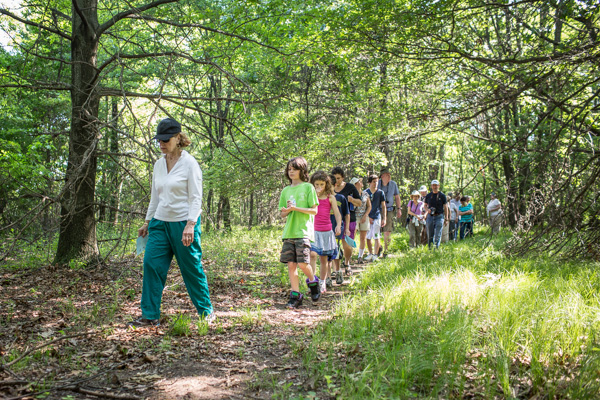
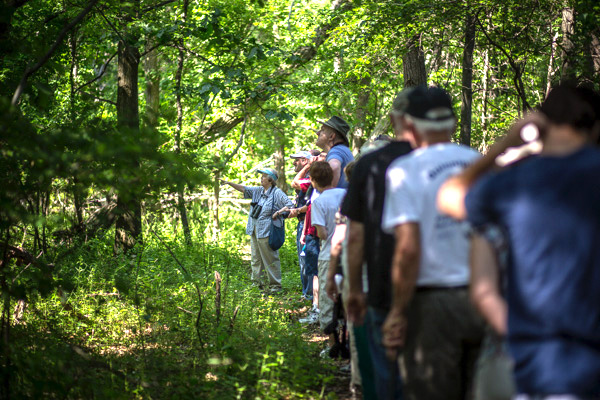
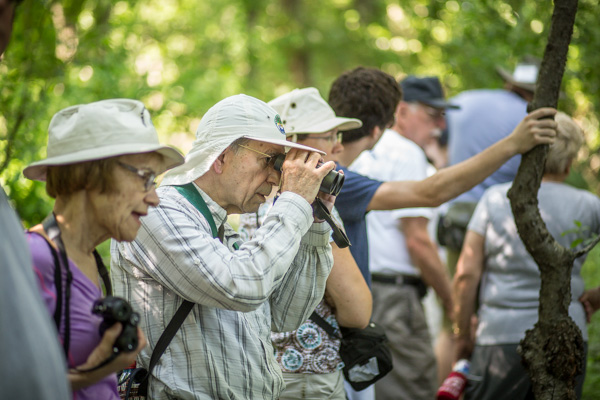
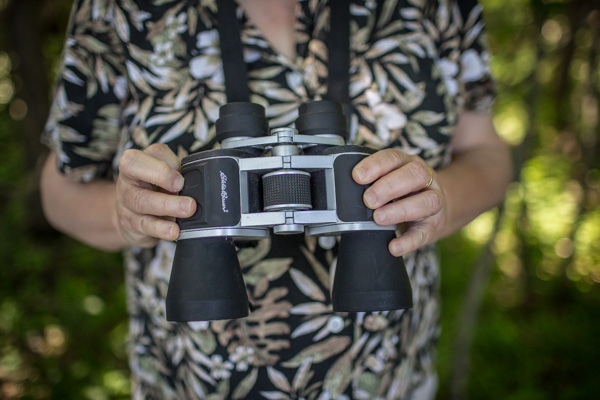
On Saturday, June 1, the North Haven Trail Association participated in National Trails Day and celebrated the marshland’s aviary opportunities by hosting a bird-viewing hike in the area. Led by Florence McBride of the New Haven Bird Club, the hike drew 35 binocular-bearing bird and trail enthusiasts eager to catch a glimpse of warblers, egrets and even the bald eagles that nest in the area.

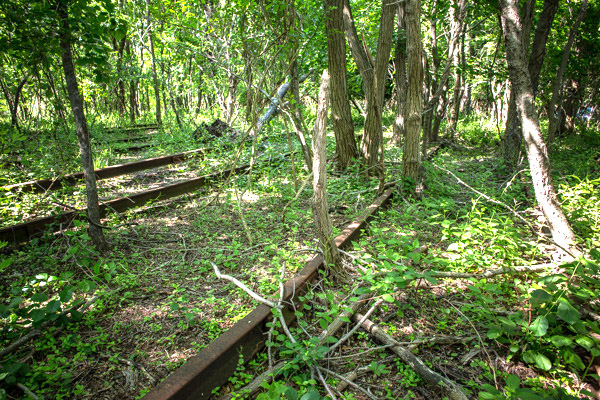
Other North Haven Trail Association events have included cleanup days and an Earth Day hike exploring the marshland’s history, including the mysterious railway remnants in the area.  And these activities are only the beginning as the Association works to create a town and regional resource – one that will benefit nearby businesses and real estate values, while promoting physical fitness and environmental appreciation.

Since 2008, the North Haven Trail Association has received $18,000 from the Quinnipiac River Fund to help expand Quinnipiac River access and appreciation. The funds have been used for research and wetlands mapping and surveying. For more information about the Association, visit www.northhaventrails.org.

Trout stocking the Quinnipiac

QRWA trout stocking draws record crowd

Photos by Ian Christmann

QRWA trout stocking draws record crowd

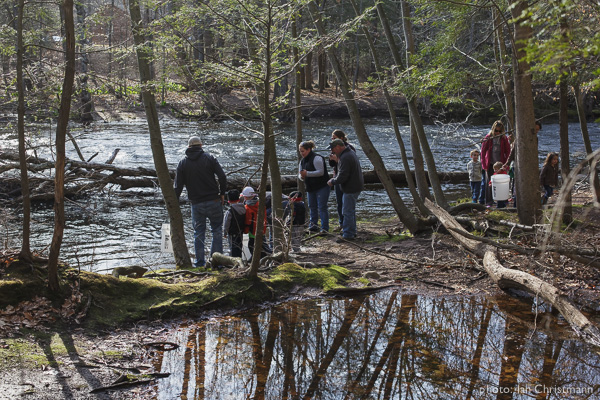
One hundred and sixty slippery newcomers made quite a splash in the upper Quinnipiac on Thursday, April 18. The rainbow, brown and brook trout were released into the river at five spots alongside the Gorge Linear Trail in Meriden in preparation for the opening day of fishing season on April 20.

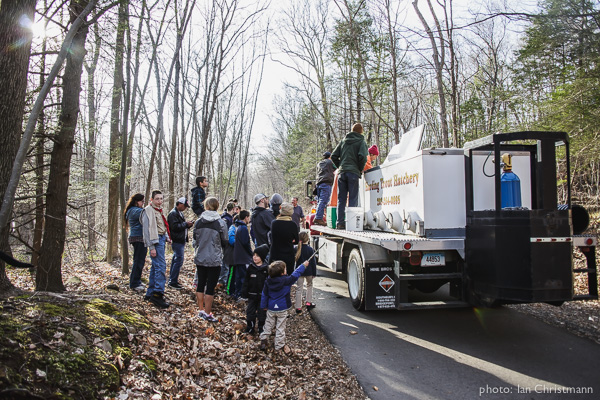
The annual event – organized by the Quinnipiac River Watershed Association (QRWA) – drew its biggest crowd ever with approximately 70 eager helpers. By foot, bike or stroller, the volunteers followed the Harding Trout Hatchery truck through the 1.3 mile Gorge. When the truck stopped, the youngest stockers clamored for buckets and coolers, carried the trout to the river’s edge, and carefully released them in the shallows and slow current.

“Stocking the river introduces people to its potential,” said Peter Picone, a member of the QRWA board of directors. “It allows people to understand and appreciate what kind of fish are in there and get people excited about the opportunities the river provides them.”

The trout ranged from 12 – 20 inches, with the three biggest drawing special excitement from the crowd. QRWA purchased the trout with proceeds from a game dinner organized by Michael Roberts, Woods ‘n Water magazine column writer.

QWRA is one of the many grant recipients of the Qunnipiac River Fund, which is the only Fund in the State solely dedicated to the preservation and protection of the River. The Fund supports projects and organizations that help improve both the quality and our understanding of the Quinnipiac River, New Haven Harbor and it’s surrounding water sheds – through research, public access, land use planning, land acquisition, habitat restoration, advocacy, and education on the Quinnipiac River and New Haven Harbor.

Adding further excitement to the fishing season on the Quinnipiac River, the QRWA tagged seven fish and offers prizes to those who catch the tagged fish. Within the first week of the season, two of the seven tagged fish were caught. If you catch a tagged fish, contact the QRWA Fish Stocking Program chairperson at 860-919-7236.

Row, paddle or float.

Article from MyRecordJournal

http://www.myrecordjournal.com/local/article_38a9d72c-a2f8-11e1-92df-001…

by Kimberley Primicero posted Sunday, May 20, 2012 MERIDEN — The sun was blazing through a cloudless blue sky Sunday morning as racers in canoes and kayaks got ready to paddle down the Quinnipiac River.

Nearly 100 people participated in the 32nd annual Quinnipiac River Watershed Association Downriver Classic canoe and kayak race. The event is was one of the association’s biggest fundraisers that brings in paddlers from all over New England.

“It can be a challenging course,” said Dan Pelletier, race director and members of the association’s board of directors. There’s a lot of zigzagging and maneuvering around rocks and trees, he said.

Volunteers spent two days recently removing trees, branches and debris left by last fall’s Tropical Storm Irene and the October snowstorm.

“A lot of work had to be done,” he said.

The course is a bit easier for a kayaker with a smaller boat to paddle. Canoes are more difficult to handle. The association’s science educator, Mary Mushinsky, compared a kayak to a sleek sports car and a canoe to a large sedan or Buick.

“You’ll be tired afterwards,” Mary Mushinsky said. “You earn your hot dogs by the end of it.”

Once participants finished the race, food and beverages awaited them at the association headquarters on Oregon Road.

At about 10:30 a.m., participants gathered at the commuter parking lot on the Southington-Cheshire town line. Men and women of all ages applied sunscreen, drank water and buckled up their life jackets. After a brief safety meeting, paddlers were ready to go.

Eric and Phoebe Jones, of Granby, were racing in the competition for their third year . Eric Jones said the course’s rapids aren’t challenging but the trees, narrow sections and shallow water make it difficult.

“It’s intellectually challenging,” Eric Jones said.

Wearing her “girl power” helmet and drinking plenty of water, Phoebe Jones, 7, was ready to take on the course. Eric Jones said he started taking his daughter out a few years ago and they just enjoyed it.

Long canoes and slim one-person kayaks were pushed off the boat ramp behind the parking lot. Some participants gracefully plopped their boats into the water, while others had a hard time balancing and launching the boats. Each boat was numbered. Volunteers with stopwatches in hand documented the start time, counted down, and off the boats went — one at a time.

“We’re making memories,” said Richard Guerrera, of Cheshire, who was competing in the race for the first time with his 13-year-old son, Justin.

“I don’t expect to win; we’ll just have fun,” Guerrera said.

The five-mile race took paddlers past East Johnson Avenue in Cheshire, Quinnipiac Park and Carpenter’s Dam. Eventually, participants reached Red Bridge in Meriden, the finish line.

A crowd of family members and friends had formed on top of the bridge. They cheered on the paddlers and encouraged them to go faster and not to give up. As more participants paddled to the finish line, they gathered on the sides of the river and continued to cheer on their fellow paddlers. Sweaty and out of breath, participants were relieved and pleased to be done with the race.

The best time in the kayak race was recorded by Mark Wendolowski, of Hatfield, Mass. He’s been competing in the Downriver Classic for the past five years. His time was 51 minutes and 23 seconds. Wendolowski also travels all over the country with a United States kayak team.

“It’s a good competition,” Wendolowski said after the race. He said the course is technical with all its twists and turns. “It was a good time.

The best time for a canoe was posted by Vicki and Del Cummings, of Meriden, who have been paddling and competing for 10 years. Their time was 59 minutes and 30 seconds.
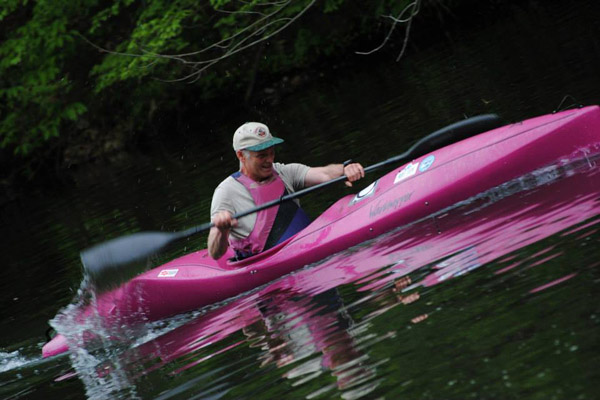
Once participants finished the race, they pulled their boat out of the water and enjoyed refreshments and raffle contests.

kprimicerio@record-journal.com

(203) 317-2279