No swimming in the rain

River testing reveals big difference in bacteria levels after rainfall

It was a cold and windy day in mid-October. Bundled in winter coats, a dozen people gathered at Wharton Brook State Park. Swimming wasn’t on the agenda, but it was in mind, as they had come to hear the results of the River Advocates recent tests for bacteria levels in the local rivers and streams, indicating how fit they are for recreation.

State Rep. Mary Mushinsky, executive director of River Advocates, shared their findings. High levels of bacteria impaired water quality at nearly all 20 testing sites following rainfall. However, during dry conditions, the results were dramatically different, with bacteria levels at many of the sites low enough to make the water suitable for public use, including swimming. 

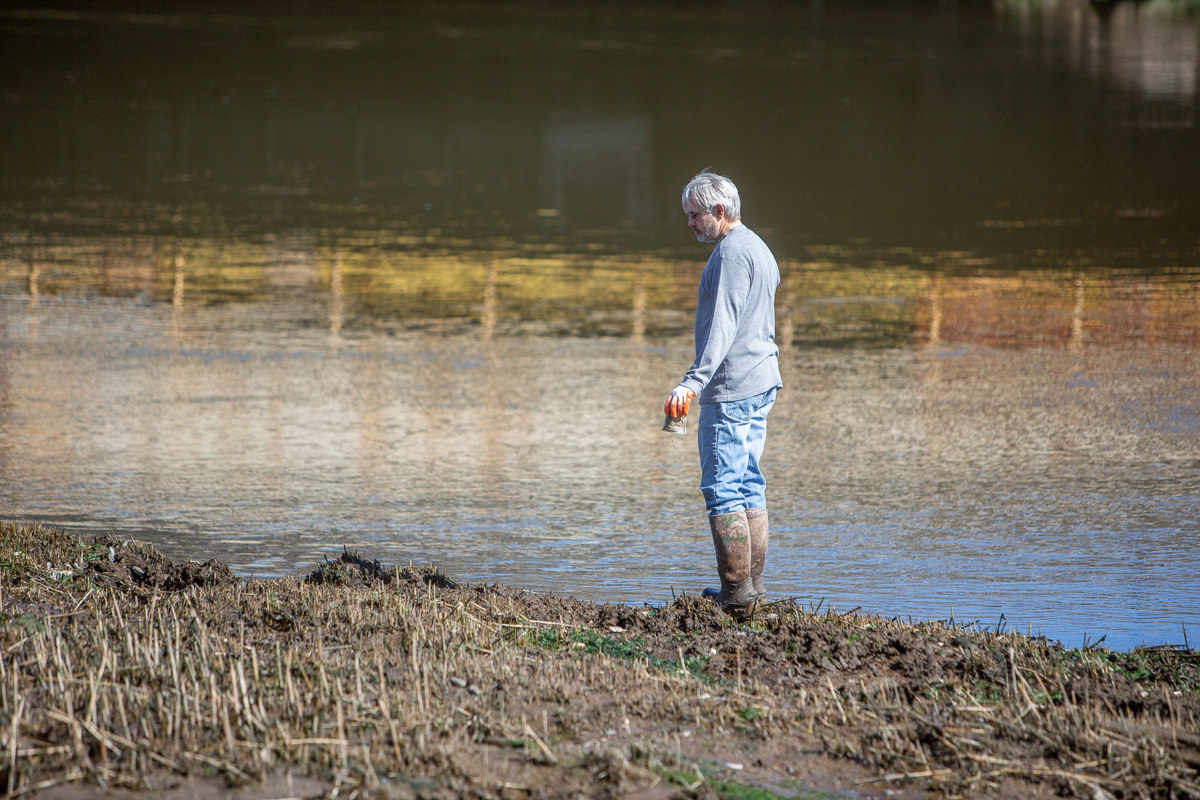
Testing was conducted at multiple locations along the Mill, West and Quinnipiac Rivers on two different days in September: one dry day without previous rainfall, and one wet day, following more than an inch of rainfall. Testing sites spanned Wallingford, Cheshire, North Haven, Hamden and New Haven.

Volunteers collected samples and then delivered them to two labs to analyze for the bacteria that indicates sewage or animal waste contamination: e-Coli in freshwater and Enterococcus in brackish water (the mixture of saltwater and freshwater).

On the dry day, the results proved surprisingly good. Although the four brackish water sites in New Haven had unacceptably high bacteria levels, the remainder had levels low enough for recreational activity, with eleven of them even meeting the standard for designated swimming areas.

In contrast, on the wet day, 19 of the 20 testing areas failed to meet any recreational standards “in a big way,” emphasized Mushinsky, most of them with bacteria counts so high they exceeded the mathematical limits of the test.

So why such extreme differences in the wet vs. dry results, and what can be done to reduce the dangerously high bacteria loads on rainy days?

E-coli and enterococcus indicate the presence of human and animal waste. In developed areas, with lots of pavement, parking lots and pipes, rainfall easily carries this waste into the rivers, from dog poop to lawn fertilizer. 

In older cities like New Haven the problem is exasperated by combined sewer systems where industrial wastewater, domestic sewage and stormwater all share the same pipes. Under normal conditions, the pipes transport the wastewater to a sewage treatment plant, where it is treated and then discharged into the nearest waterbody. However, in heavy rainfall, the water volume can exceed the capacity of the pipes or treatment plant, resulting in overflows of untreated waste flowing directly into the watershed.

Such overflows are a priority water pollution concern in municipalities across the U.S.In New Haven, the work has begun, but the expense of the project makes the timelines slow.  In the meantime, other efforts are required to reduce the bacteria load. “Towns and cities must clean up runoff, both for their own residents and for downstream populations,” read the River Advocates statement, which also provided the following recommendations. Towns can create natural buffers to hold and purify water and promote the use of natural landscaping with plants, trees and soil, rather than paved surfaces. Residents can pick up after their dogs, create rain gardens to capture water, and ensure septic systems are properly maintained.

The testing project was made possible by the Quinnipiac River Fund and the Greater New Haven Green Fund. Looking ahead, the River Advocates hope that further testing will be able to pinpoint sources of contamination in order to improve segments of the rivers and tributaries. With the hope that someday, whether rain or shine, the waters in south central Connecticut will run clean and be all clear for swimming and summer fun. 


No to Residential Waste Along the Quinnipiac

Quinnipiac River Fund member testifies against trash hauler’s application to accept household garbage

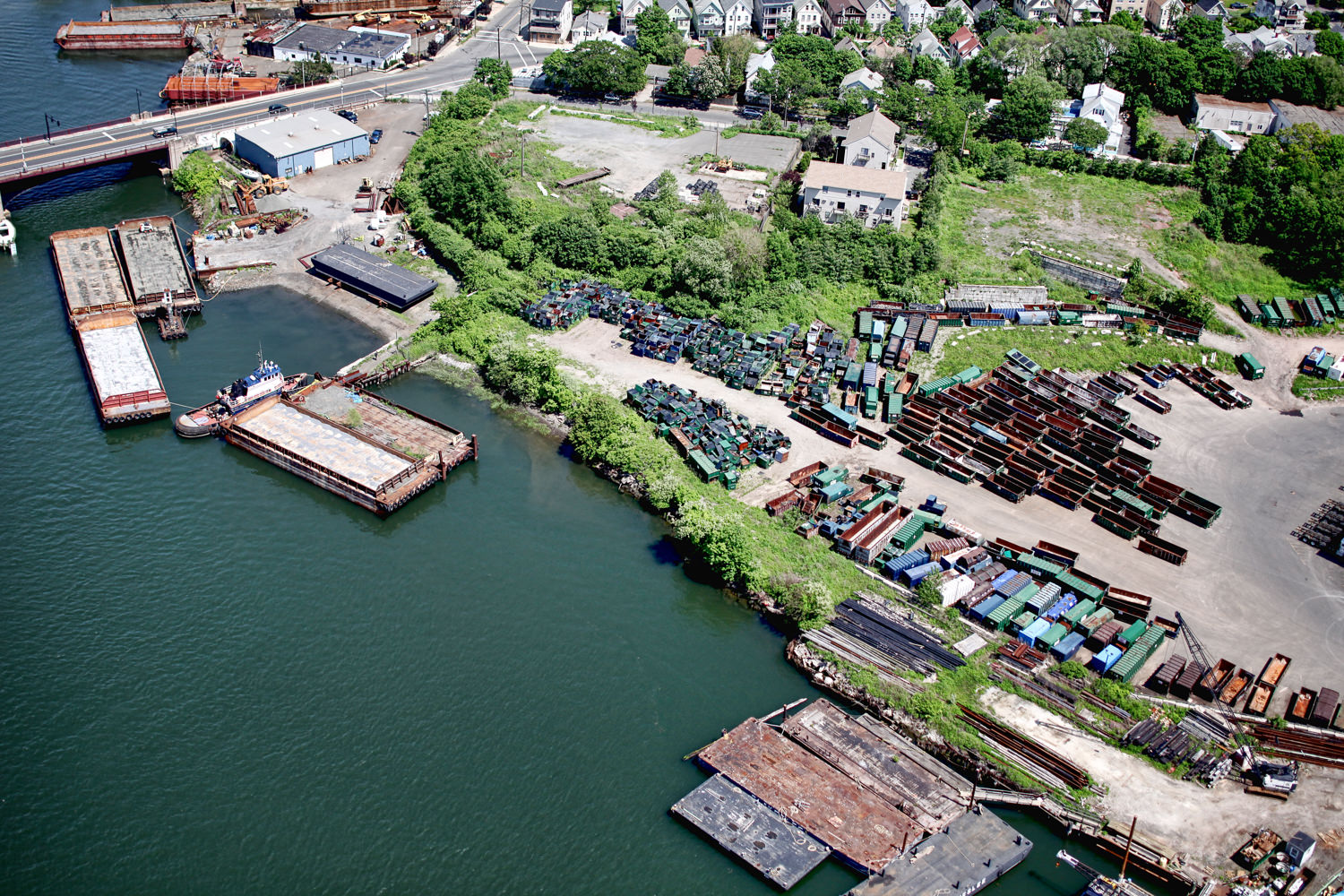
A proposal by Murphy Road Recycling, located adjacent to the Quinnipiac River at 19 Wheeler Street, to accept “wet” garbage from suburban households is meeting with strong community opposition. On behalf of The Quinnipiac River Fund, advisory committee member Nancy Alderman joined with other public intervenors to question the applicant at the Nov. 19 New Haven City Plan public hearing. Alderman also submitted written testimony in opposition to the application.

Testimony-from-Nancy-Alderman-concerning-the-Wheeler-St

Read Murphy Road Application

Murphy Road Recycling is seeking a permission to allow up to 500 tons a day of wet garbage, including diapers, into the Annex neighborhood facility. During the November 19th City Plan meeting, conducted via zoom, city officials and environmental activists questioned Murphy’s claims “that this will not adversely affect the neighborhood,” claims Murphy attempted to verify with letters from satisfied neighbors living near their facilities in other towns. Independent consultants, hired by the city, debunked this evidence by demonstrating that these other sites have at least a quarter mile buffer between the plant and residential properties. At Wheeler Street, the nearest houses are a mere 350 feet away from the plant, and less than 100 from the dumpsters of All American Carting, which shares the property, and is expected to be a part of the proposed expansion.

With such close proximity, the impact of Murphy’s operation is already problematic to the neighbors who cite noise, traffic, vermin and noxious odors.

“It smells most of the time, especially at night,” said a Fairmount Avenue neighbor. “And the noise. It starts like 3:30, 4:00 in the morning, banging dumpsters around. It’s awful.”

“Our exterminator bill is higher than our mortgage” declared another neighbor.

With prevailing westward winds pointing the stench directly at nearby homes, and organic waste offering a gourmet feast for pests, Murphy’s proposed expansion would further plummet both quality of life and property values in the area. According to independent reviews, the allowance of putrescible waste in Murphy’s current plans “likely will violate city zoning laws around outdoor storage of waste in proximity to current residential properties.” (Green, New Haven Independent)

City consultants also revealed a disturbing environmental concern. Even now, “a large portion of the northern parking lot does not drain into the site’s existing catch basins, but rather discharges untreated runoff to an adjacent property, which in turn sends that runoff into the river.” If applications are approved, “adding wet trash to the allowable mix of materials processed at the transfer plant could result in contaminated runoff.” (Green, New Haven Independent)

With long and heated discussion, public testimony was delayed until the December meeting. However, a half dozen concerned community members, called “intervenors,” were able to share their concerns and questions. Among them, Nancy Alderman from the Quinnipiac River Fund, who in light of the existing run-off issue, inquired whether the trash would go on the ground, and, if so, would their be liners. Murphy’s answer, no liners, and yes to garbage on the ground, but only when inside the transfer building. Alderman’s written testimony also highlighted the probability of increased asthma rates from the air pollution of diesel exhaust and open trash heaps.

Testimony-from-Nancy-Alderman-concerning-the-Wheeler-St
Read about the article by Thomas Green in the New Haven Independent.
Hear recorded testimony from Wheeler Street neighbors. https://www.wevideo.com/view/1927715823

PLASTIC POLLUTION: The hidden invasion

We’ve seen the images and heard the stories: turtles caught and choked in the plastic rings from six packs; sixty pounds of plastic and other debris discovered in a deceased whale; massive islands of garbage floating in the ocean, such as the Great Pacific Garbage Patch, estimated to be twice the size of Texas.

Plastic waste invades our planet, and the problem goes way beyond what meets the eye.

Our rivers and seas are teeming with microplastics — tiny plastic particles less than 5 mm in length. They come from cosmetics, synthetic clothes, degraded plastics, and have been found in virtually every part of our planet, from tropical sand and coastal waters, to Alpine soil and arctic ice.

Microplastics’ diminutive size makes them less noticeable than larger plastic debris, but potentially more deadly. Once ingested or inhaled, the plastic particles — and the chemicals they may carry — can accumulate up the for chain, causing adverse health problems and impacting entire ecosystems.

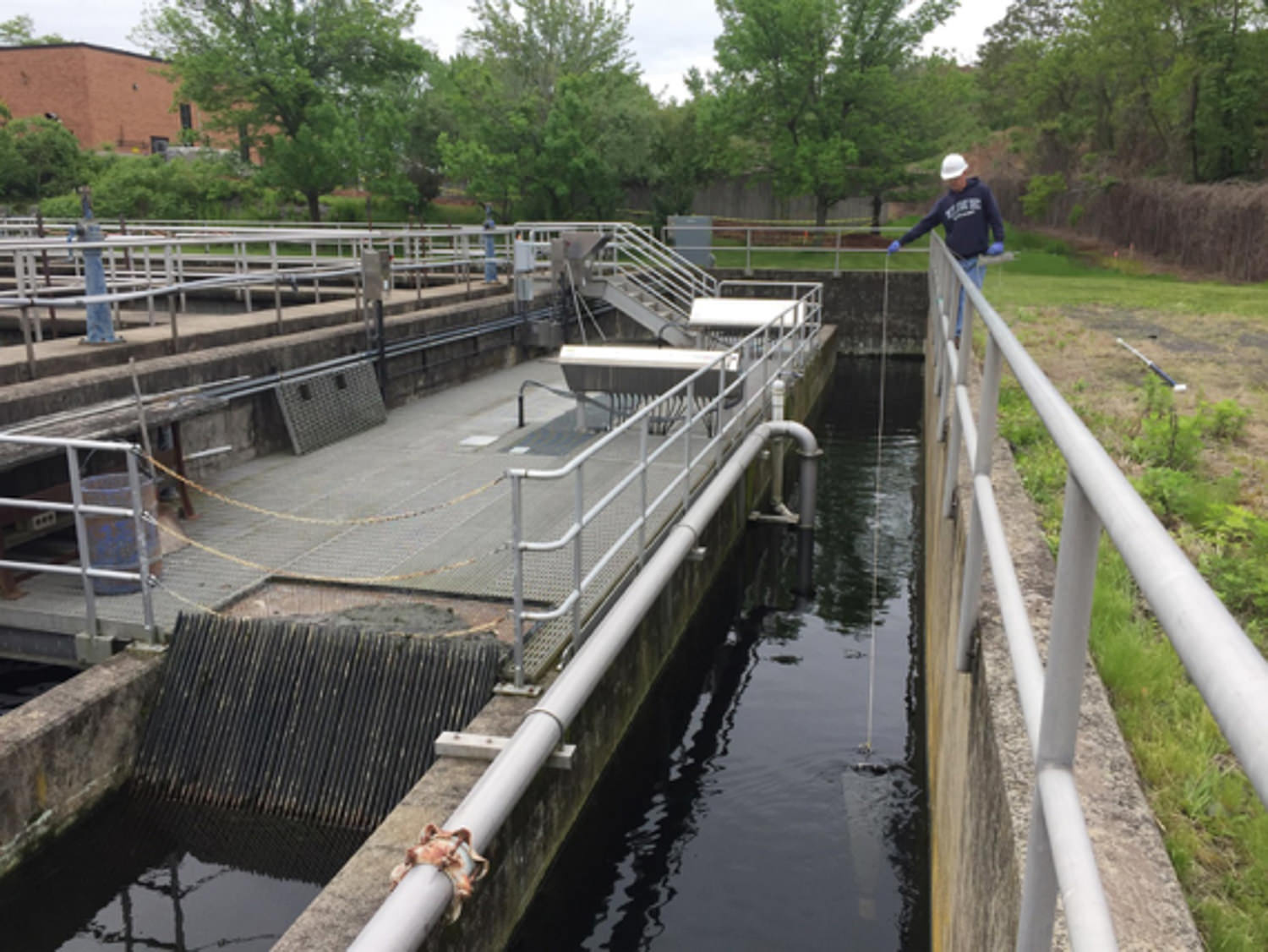
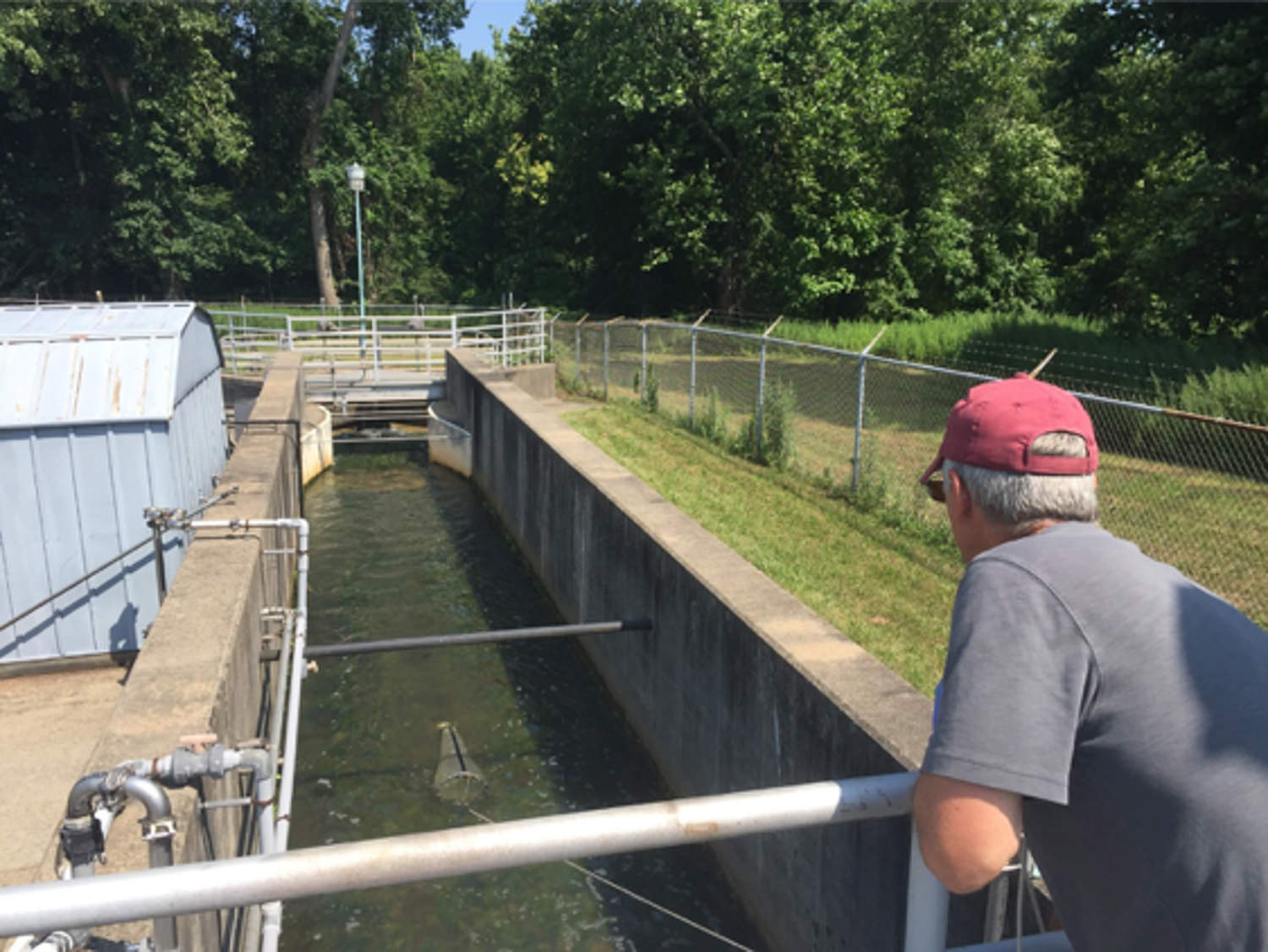
Quinnipiac River Fund supports numerous projects focused on understanding microplastics in the Quinnipiac watershed, including a Southern Connecticut State University study of the seasonal variation of these microplastics at waste water treatment facilities in North Haven and Meriden, conducted by Anthony Vignola and Vincent Breslin of the Werth Center for Coastal and Marine Studies.

Wastewater treatment plants (WWTPs) have been identified as one of the primary sources of microplastic contamination. Vignola’s study notes that though many WWTPs, including North Haven and Meriden, may have high efficiency rates for removing contamination, these systems are not specifically designed to remove microplastics. Plastic particles, and the problems they create, are quite literally falling, or rather flowing, through the cracks. Furthermore, because of the tremendous volume of micro plastics introduced into these WWTP systems, even small percentages of unfiltered plastics can still have significant environmental consequences.

Within the 11.6 million gallons of wastewater treated each day in Meriden, 746,000 microplastics are discharged, leading to an annual impact of more than 272 million microplastics. In North Haven, only 3.1 million gallons are treated daily, and with it a release of 200,000 microplastics, and an annual total of 72 million.

That’s nearly 350 million microplastics deposited into the Quinnipiac River each year from these two facilities alone. There are three additional WWTP’s discharging into the Quinnipiac, which means many hundreds of millions of microplastics polluting her water.

Unfiltered microplastics are only part of the problem, Vignola explains. Even the filtered microplastics can become problematic. These particles get trapped and accumulate in biosolid sludge that is regularly removed from the facilities and often used as fertilizer for farms or forests. If this waste is spread in a watershed, the accumulated plastics have the potential to directly reenter the waterways.

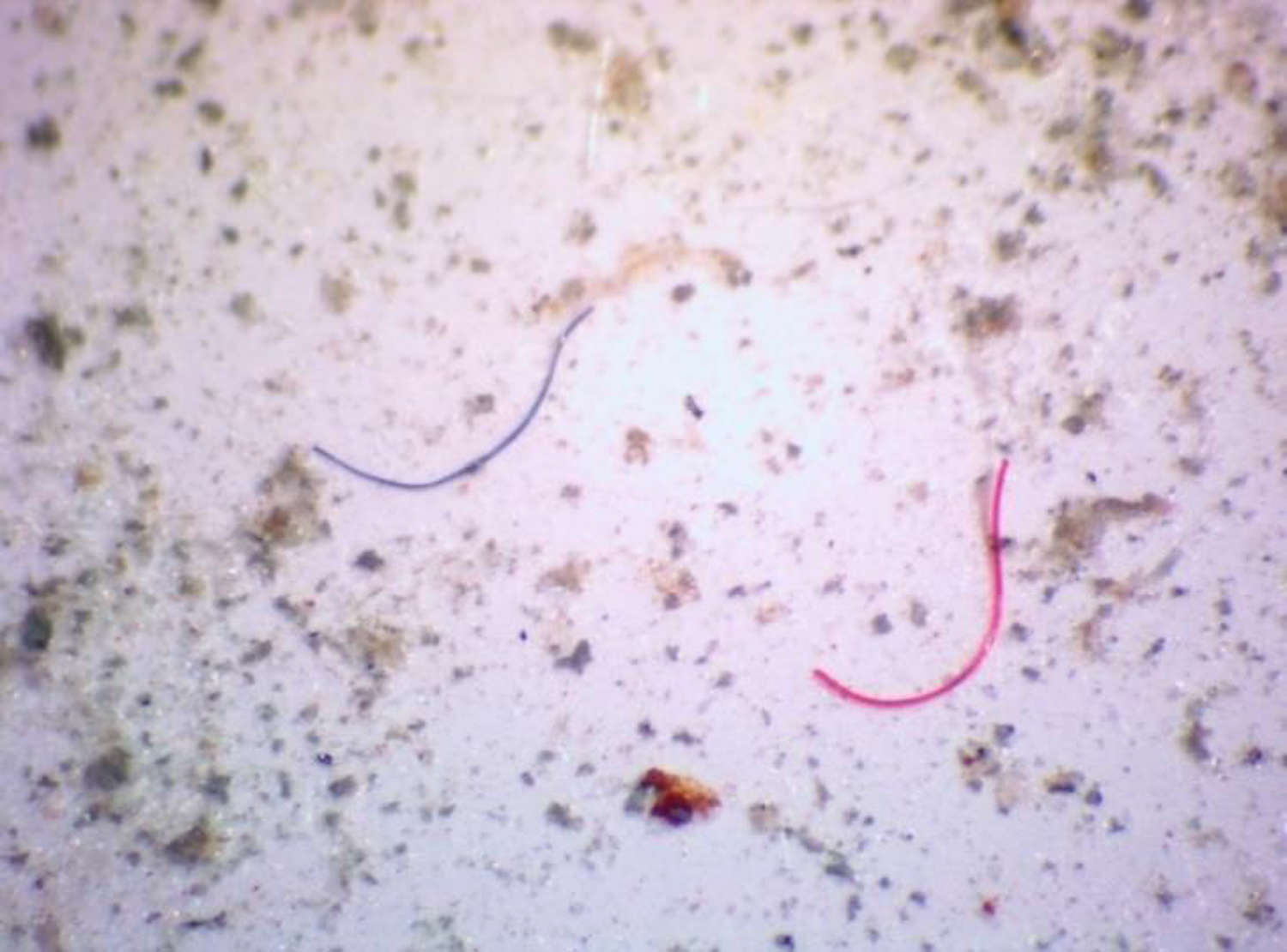
Microplastics come in four main forms: films, fibers, fragments or beads. However, Vignola reports that 74% of all plastics found during his study were microfibers, which “supports the growing body of evidence that mechanical laundering of synthetic clothing is releasing many contaminant fibers.”

“Estimates have shown that a single article of synthetic clothing has the potential to release more than 1,900 fibers per wash (Browne et al., 2011) and a 5 kg load of household laundry may release more than 6,000,000 fibers in one wash cycle (De Falco et al., 2018).”

Vignola and Breslin conducted four seasonal samplings (May, July, November, February) of the wastewater discharge at each site during the course of 2019 – 2020. Microplastics were then extracted, identified, categorized and calculated using a variety of factors, including wastewater flow rate, seasonal temperature, as well as particle type, size and color.

The results at both sites revealed a trend between microplastic concentration and seasonal temperature. Though the trend was statistically significant in Meriden and slighter in North Haven, both showed increased concentrations during the winter and spring season — when fleece and other cozy synthetic favorites abound — supporting the hypothesis that the variation could be related to outerwear choices and laundering. However, Vignola noted, other international studies have produced contradictory results, with concentrations higher during warmer months, prompting consideration of the impact of other geographical factors — such as precipitation, evaporation, and flow rates.

Regardless of the extent of seasonal variations, microplastics, specifically fibers, are a growing problem. The annual production of synthetic fibers grew from 1.9 million tonnes in 1950 to 45.3 million tonnes in 2010 and the industry is still expanding. This study affirms the need for “increased accountability placed on apparel manufacturers who are responsible for using synthetic materials during production.”

As with other areas of plastic consumption, consumer knowledge and choices are also paramount to reducing microplastic contamination. Small changes, implemented by many, can add up to make a big difference. The SCSU study provides some guidance, including:

Using cold water and fast wash cycles to reduce water volume
Washing synthetic clothes less often
Using products designed to capture microfibers while laundering, such as Cora Ball or Lint Luv-R, which were 26% and 87% effective respectively and removing microfibers
Purchasing products made from non-synthetic materials
“Results of this study confirm that treated municipal wastewater is a significant source of microplastics to the Quinnipiac River, and ultimately, Long Island Sound. Financial support provided by the Quinnipiac River Fund was critical for the conduct of this research and will lead to management actions to improve the water quality and reduce microplastic impacts to regional waterways.” – Vincent Breslin, co-coordinator of the Werth Center for Coastal and Marine Studies

North Haven WWTF
Meriden WWTF
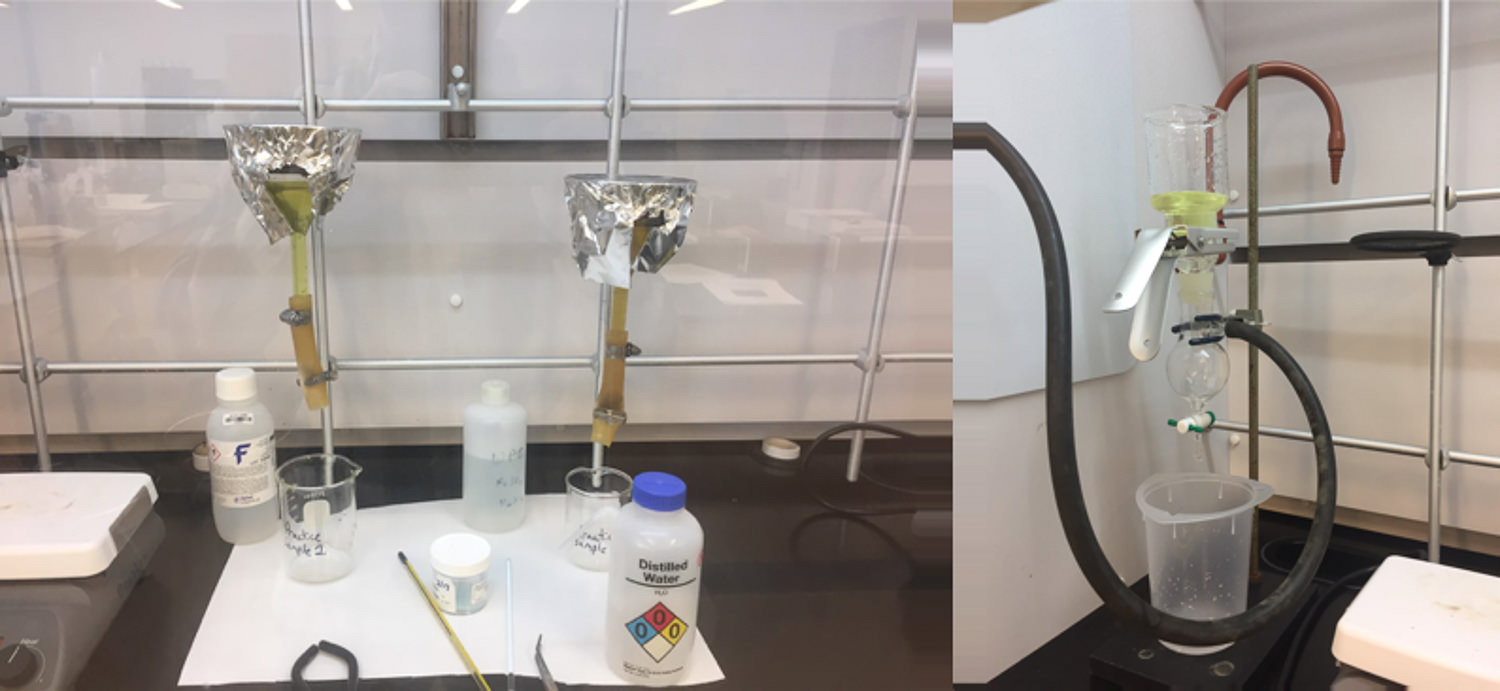
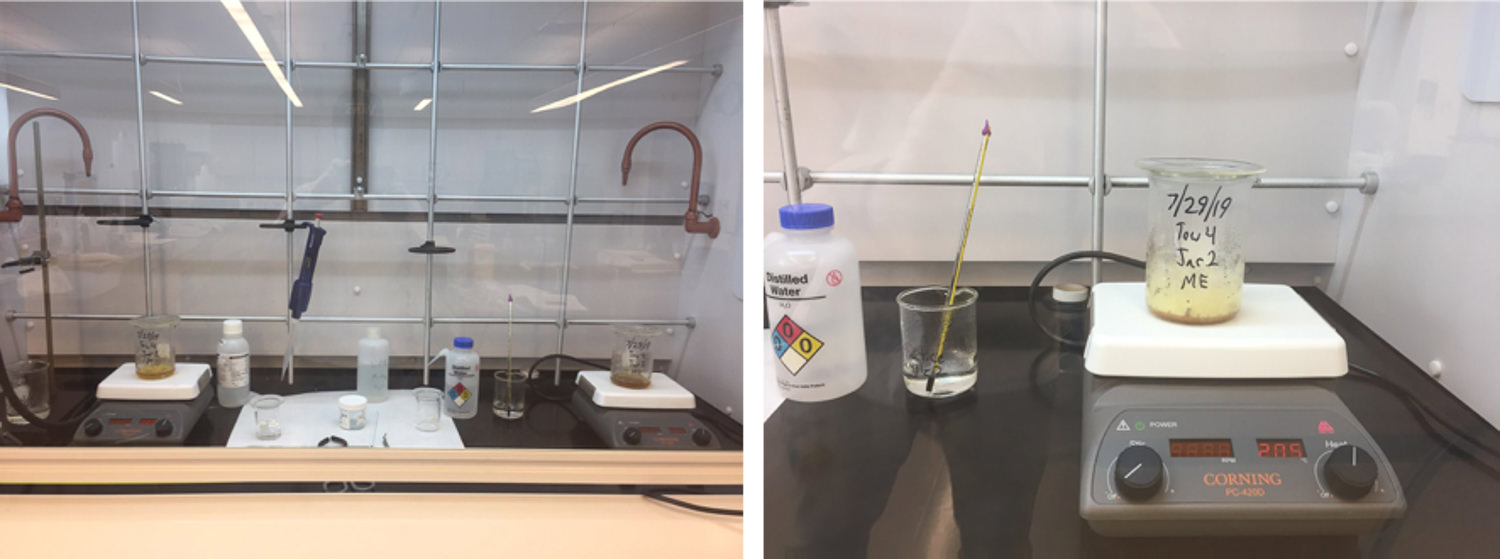
Wet Peroxide Oxidation procedure to isolate micro plastics in the wastewater discharge.

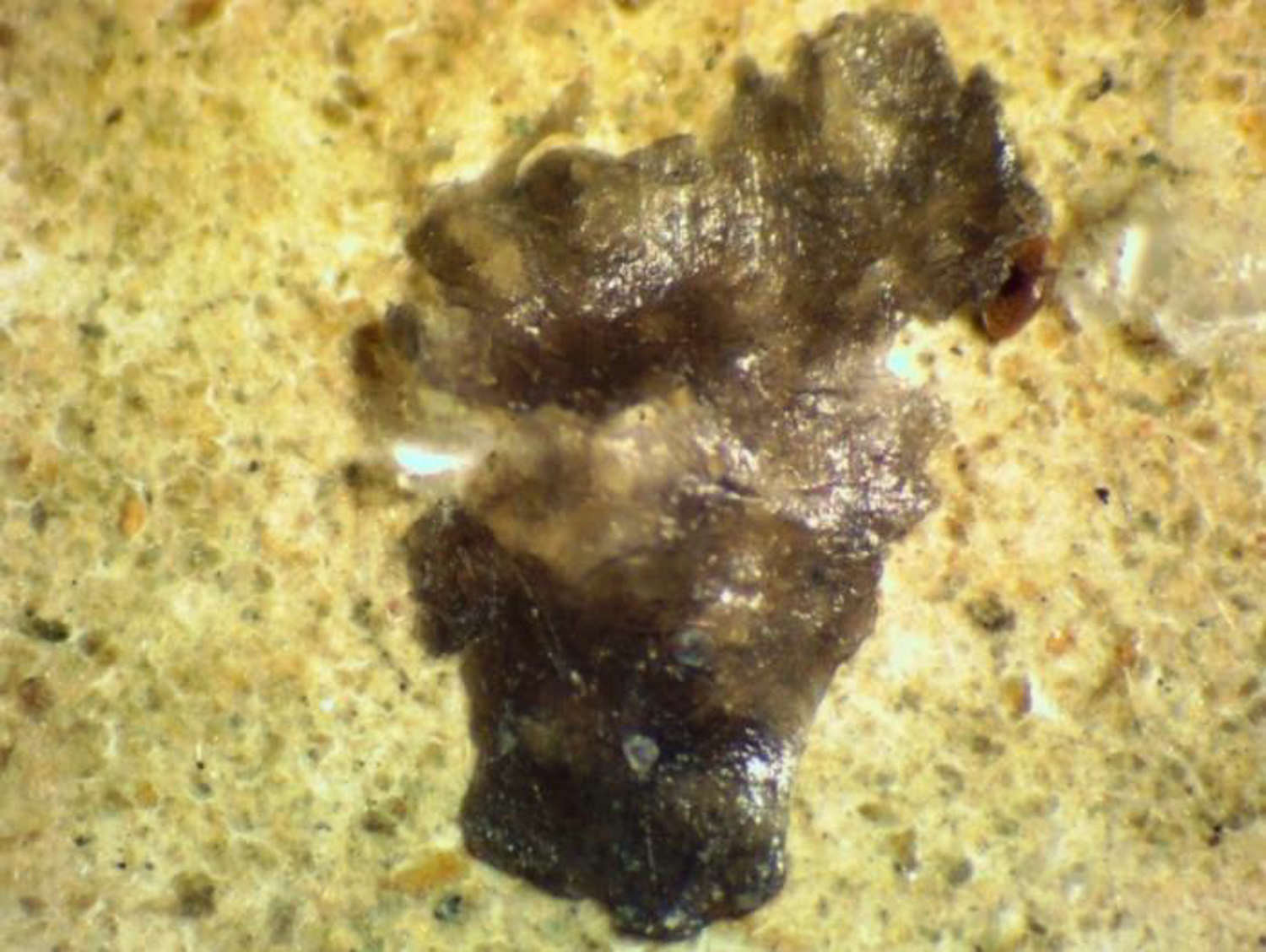
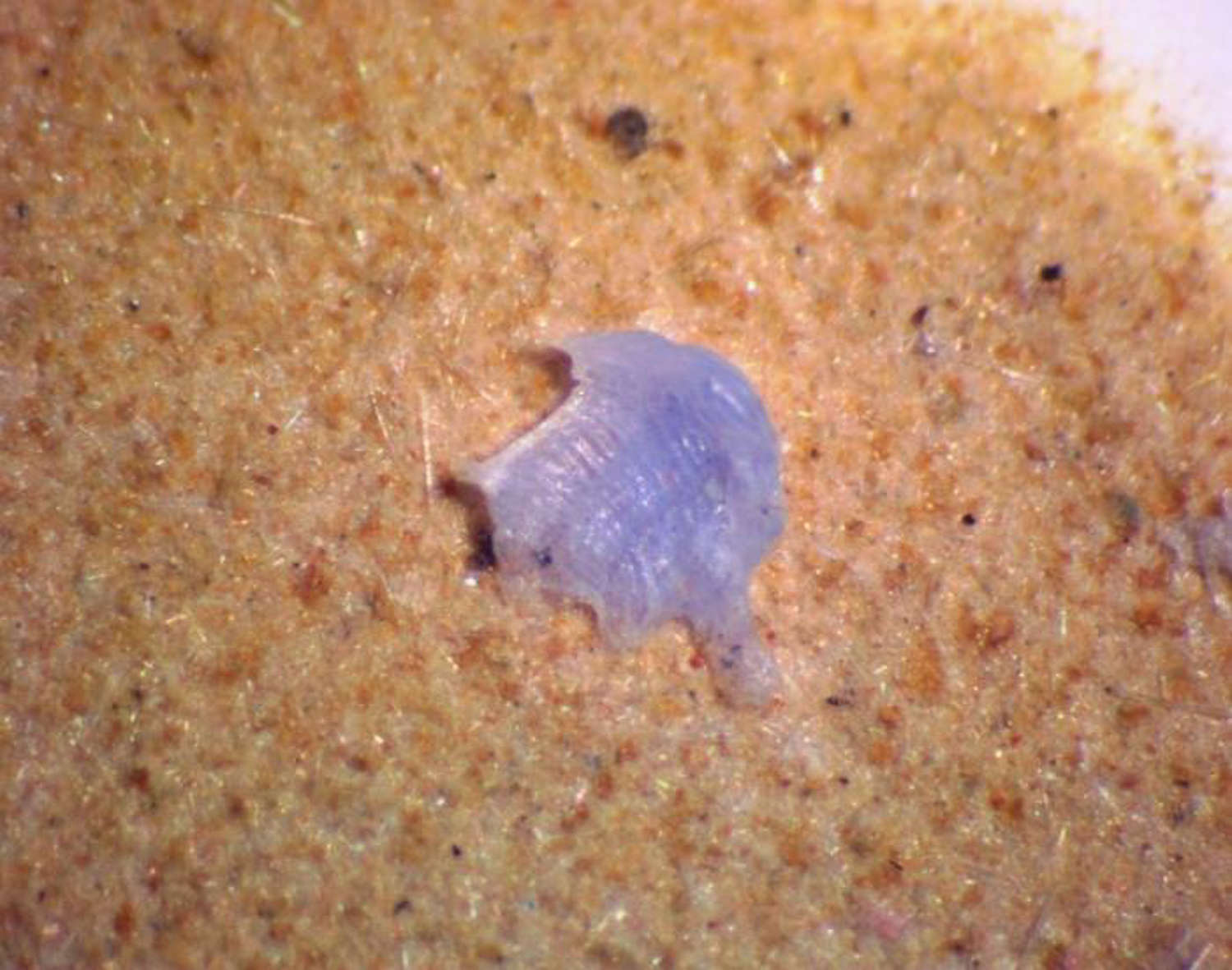
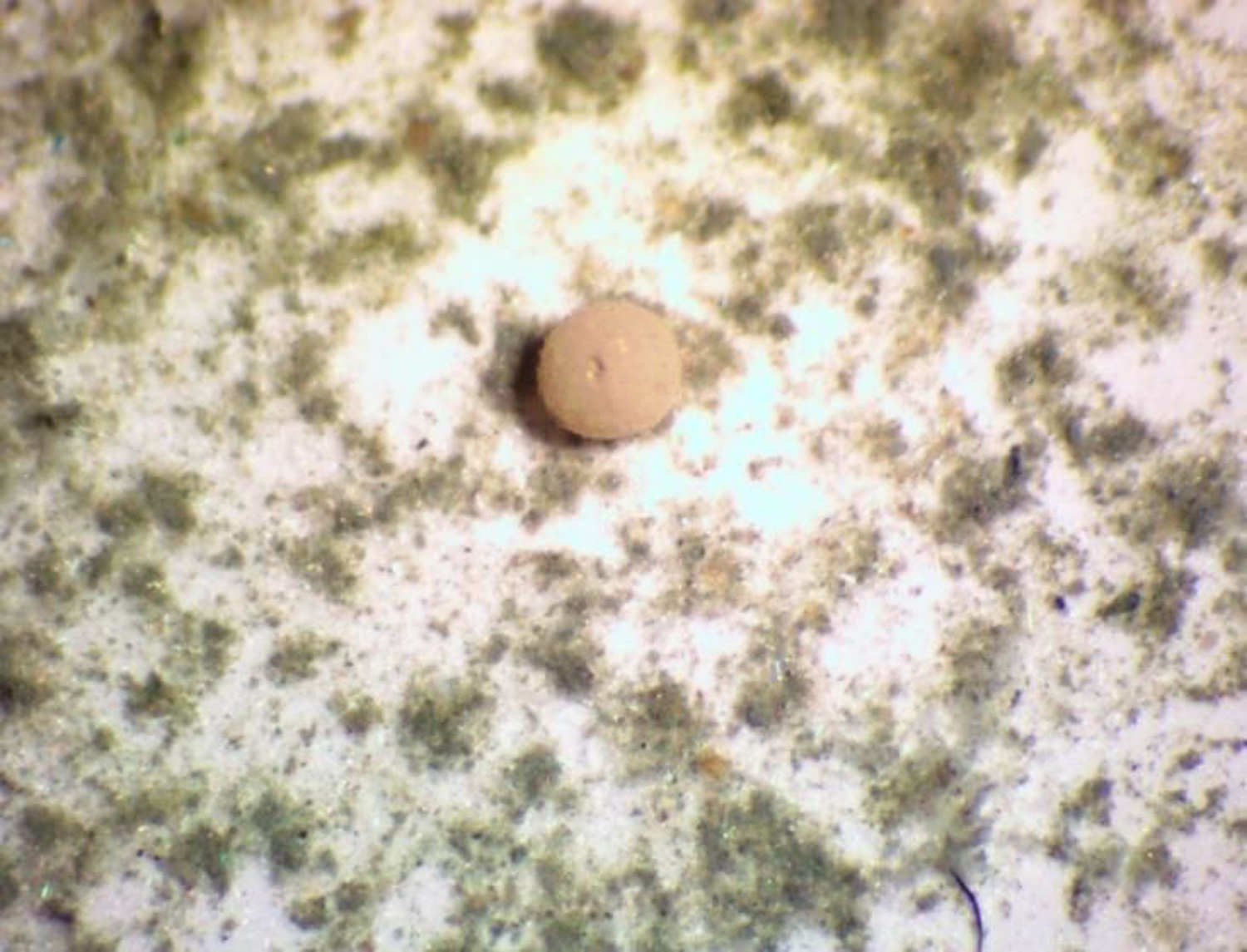
Examples of the different types of microplastics identified in the SCSU study: microfibers, films, fragments, and beads.

Keeping Up With the Garbagians

Source to Sound clean-up clears more than a ton of trash from Q River watershed

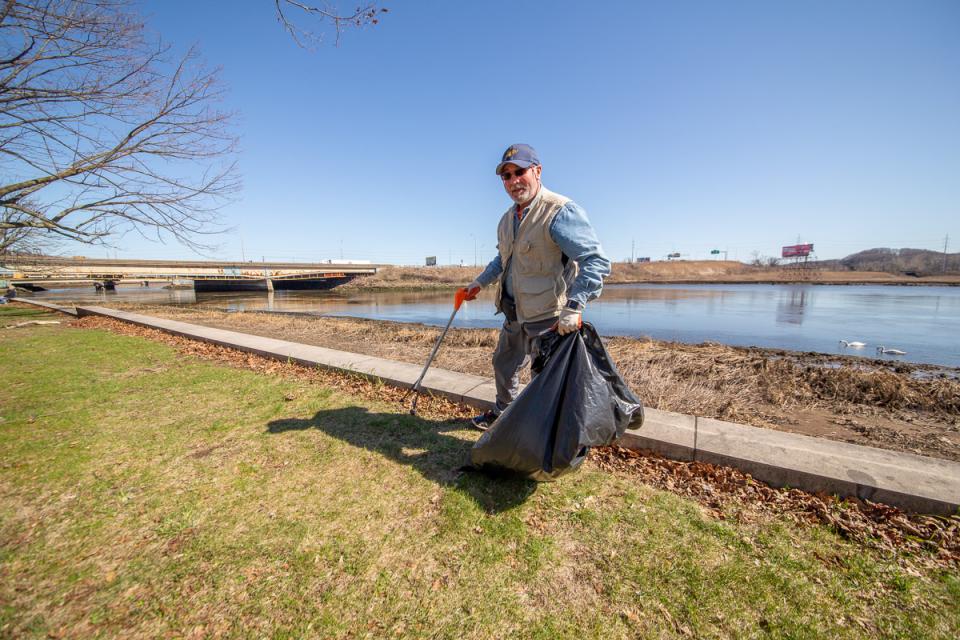
For more than four years, Bob Diamond has been grabbing gloves and garbage bags and joining QRWA for its semiannual Source to Sound clean up along the Quinnipiac River. He calls himself “the bobsessive de-litterer.” His task at hand, “keeping up with the garbagians.”

For the Quinnipiac River watershed and other natural resources in highly-developed areas, the so-called “garbagians” come in many forms, from the heedless litterer hocking candy wrappers and soda cans out car window to the illegal dumper depositing old tires, radiators or couches in the woods.

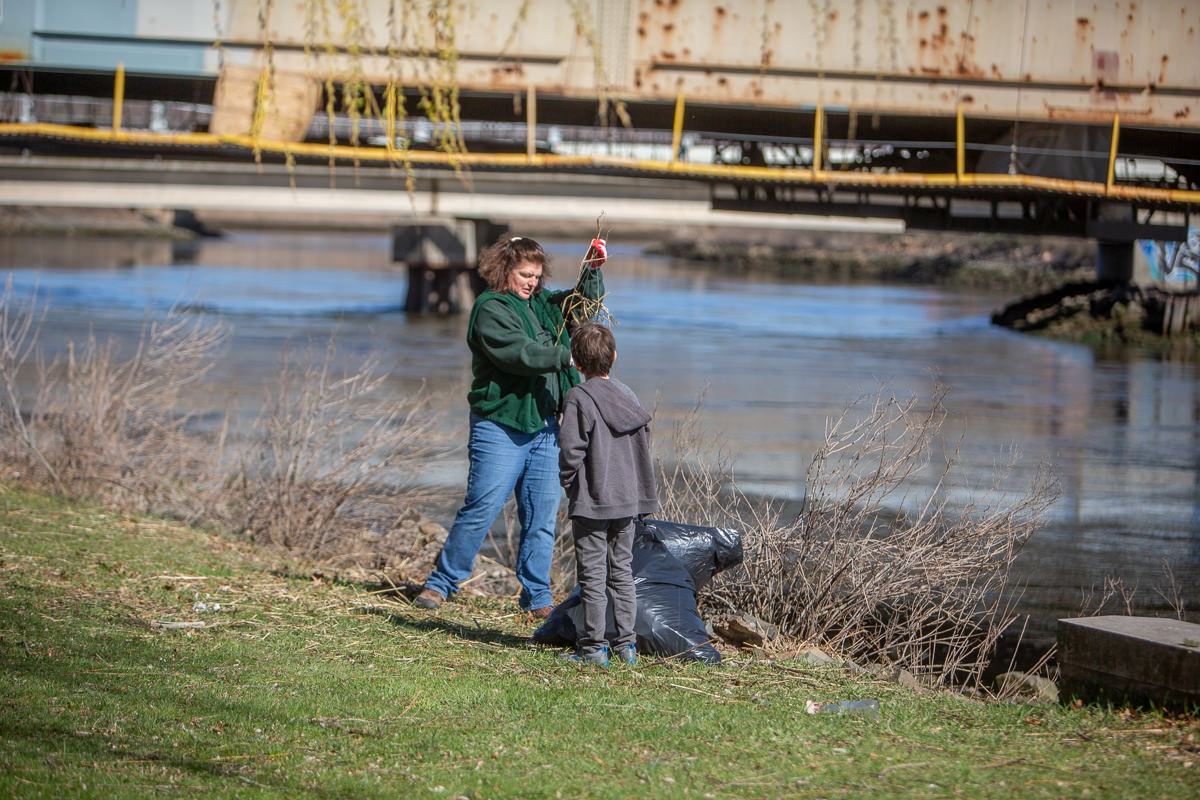
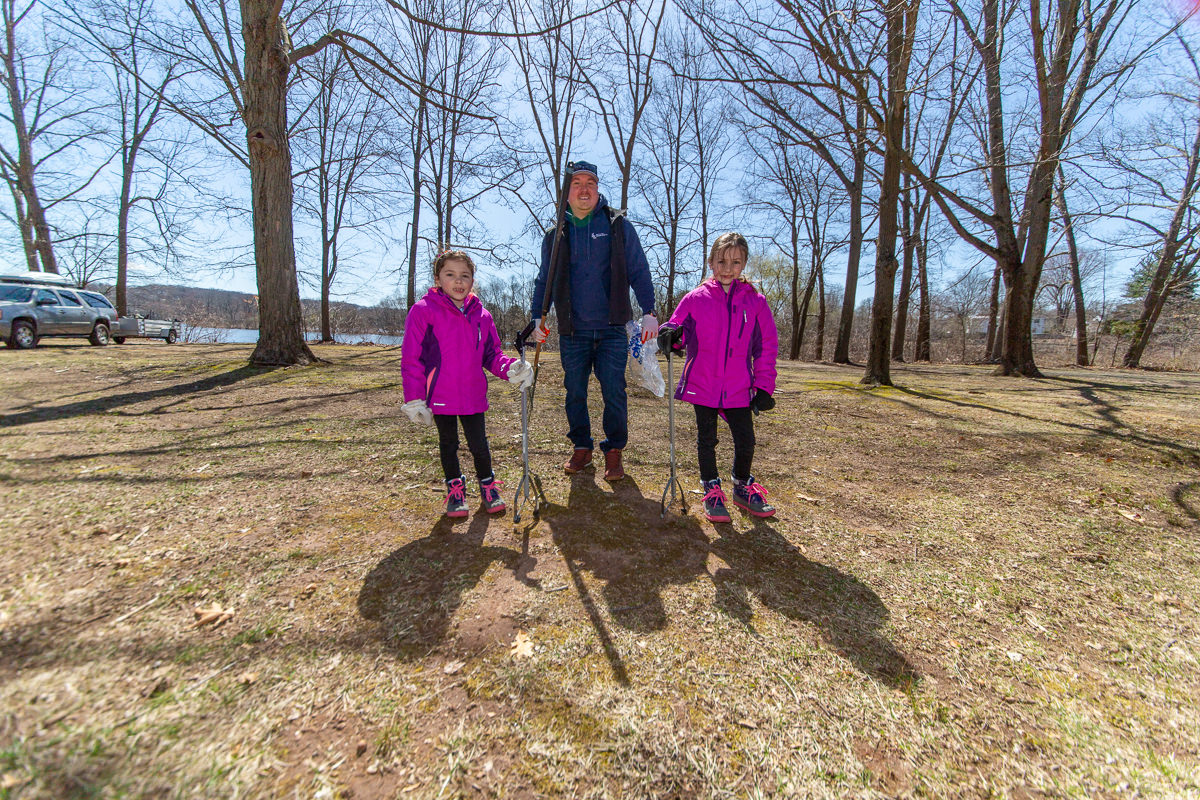
For nearly 40 years, QRWA cleanups have helped remove the flood of rubbish that besets the Quinnipiac River and its tributaries. This year, the event spanned five locations in five towns — Meriden, New Haven, Cheshire, Wallingford and Plainville — where more than 100 volunteers pulled, picked and dragged more than 3000 pounds of garbage from bushes, banks, trails and beaches.

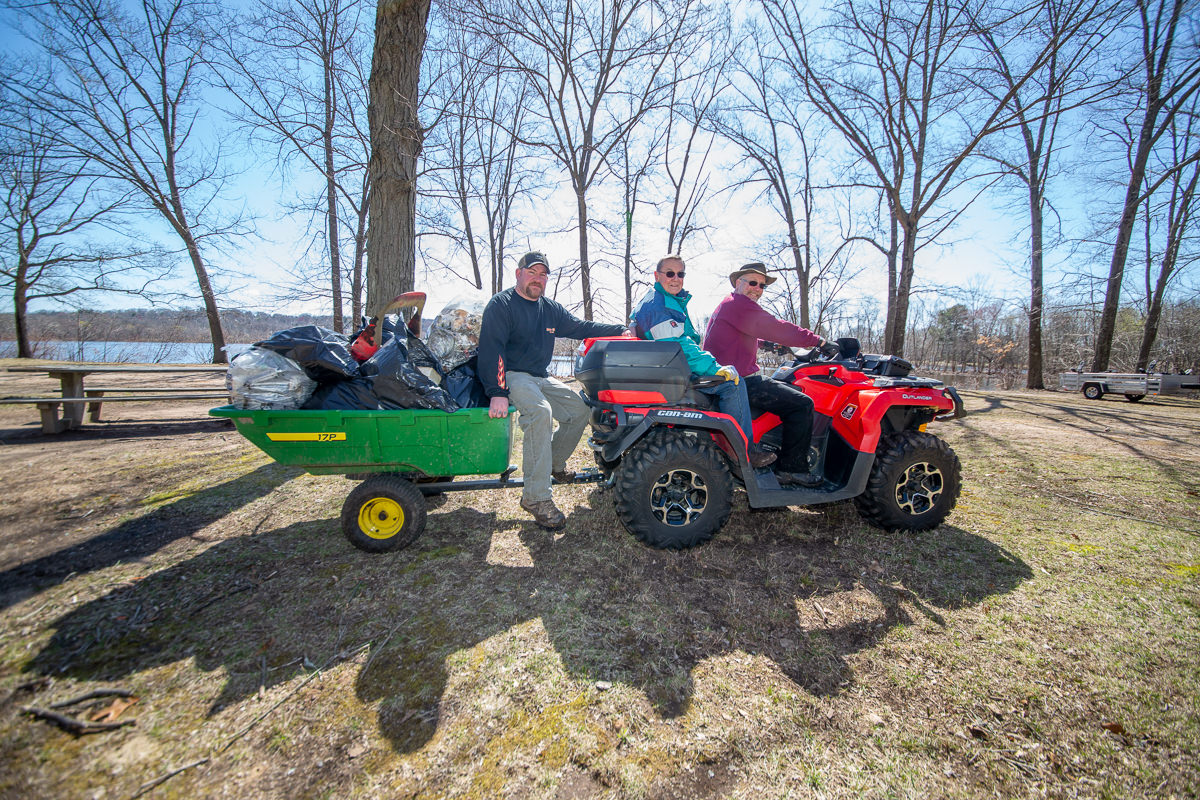
Volunteers included local families from each town, dozens of students from Plainville High School, as well as community businesses and organizations such as the Quinnipiac River Marina, the Meriden Motorcycle Club and Jovek Manufacturing, with the latter two contributing ATVS to transport the garbage from the trails.

“It’s a way for people to get their hands on the problem, which keeps it on their mind,” says David James, QRWA president. But, he explains, the problem itself is much bigger than what can be bagged and hauled out. Quinnipiac’s water quality continues to be an issue. While there have been strides made in reducing point source pollution from active industrial discharge, the watershed still suffers degradation from non-point sources like impervious surfaces (pavement), agricultural runoff, lawns and storm systems.

“Nature longs to heal itself and will in time,” David says.  “And with some human TLC that day can be hastened.” To hasten the day, David adds that policies and public education are essential. “People need to realize that it is critical that our environment is healthy. This should be headline news. Unless we start to make some progress in regards to ethics, we’ll still be doing this in 50 years.”

In line with the Federal Clean Water Act of 1972, the long-term goal is to see the Quinnipiac more capable of supporting more recreation and measured consumption, but in the meantime, QRWA and a revolving army of concerned citizens will continue to fight the garbagians. Ongoing efforts include these semi-annual cleanups and other initiatives of the newly-formed Quinnipiac River Cleanup committee led by husband and wife team Shianne and Tim Cutler, both of whom serve on the QRWA board. In addition to coordinating the multi-town reach of the clean up events, the committee is ready in any season to don boots or waders and respond to reports of trash in the river.

“We’ve gone out for everything from a playground slide to bunches of bottles in the water,” Shianne explains. The Cutlers live in Meriden but are committed to responding to issues anywhere on the river.  To report a clean up concern, e-mail qrivercleanup@att.net.

Few Connecticut polluters penalized for toxic wastewater violations, EPA data shows

Nearly half of the 60 companies that are allowed to discharge wastewater directly into Connecticut’s rivers, brooks and other bodies of water exceeded the amounts of toxic metals or other pollutants that their permits allowed over the last three years, a C-HIT analysis of federal data shows.

Despite the violations, the state Department of Energy & Environmental Protection fined only two of the 29 companies found to be in noncompliance with their permits—a record that state environmental advocates called alarming, but that the agency said is justified.

The 29 companies discharged excessive amounts of pollutants during at least one three-month period from October 2013 to September 2016. At least 19 companies exceeded by more than 100 percent the amounts they were allowed to discharge, according to the U.S. Environmental Protection Agency data.

The data also show 23 of the 60 companies were found in noncompliance with terms of their permits for at least half of the three years—for reasons ranging from excessive discharges to submitting late discharge reports. Thirteen companies were found in significant noncompliance—the most serious level of violation—for three months or more.

While DEEP has the authority to fine or take court action against polluters, EPA records show it more commonly issues notices of violation or noncompliance or warning notices, opting to work with violators for months or years to correct the problems. Continue reading.

New Haven Register Editorial: DEEP must do a better job protecting water from pollutants — and fining companies that illegally dump

Connecticut residents sure have a lot to be worried about these days.

Budget deficits, unequal education funding, an opioid crisis, a state in continued economic decline and possible new taxes and fees on the way, are just a few of the challenges ahead.

Now comes word that businesses are exceeding the quantity of toxins they are allowed to dump into our waters.

Nearly 30 companies — half of the 60 that can legally discharge wastewater into Connecticut’s rivers and other bodies of water — exceeded the amounts of toxic metals or other pollutants their permits allowed over the last three years, according to an analysis by Connecticut Health I-Team (C-Hit).

Data show 23 of the 60 companies were in noncompliance with the terms of their permits for at least half of the three years and 13 companies were found in significant noncompliance — the most serious level of violation — for three months or more.

The reasons ranged from excessive discharges to submitting late discharge reports.

And for the most part, they are getting away with it. Continue reading.

Mud Minnow Is Safe — For Now

NEW HAVEN INDEPENDENT — It lives in a river with a history of abuse and pollution. It swims in waters filled with hard-to-filter chemicals. Despite that discouraging environment, an expert told a riverine gathering, the male mummichog is in OK shape, for the time being.

Wallingford company reaches agreement with Quinnipiac River advocates

WALLINGFORD — A local river advocacy group rescinded a request to hold a public hearing on a discharge permit sought by chemical production company Allnex after working with state officials and company representatives on an agreement over the discharge of a previously unregulated chemical into the Quinnipiac River watershed.

Earlier this year, River Advocates of South Central Connecticut expressed concern that Allnex, 528 S. Cherry St., would be discharging tetrahydrofuran into the Quinnpiac River without regulation given the company’s past discharge violations.

The state Department of Energy and Environmental Protection’s discharge permit would only require the company to monitor the levels of the discharge, without a standard set to regulate its concentration in the watershed.

The advocacy group, helmed by state Rep. Mary Mushinsky, D-Wallingford, obtained enough signatures to request a public hearing before a new permit could be issued by the state. Continue reading.

River popular with anglers, but pollution brings concerns

Photo Credit: Catherine Avalone — New Haven Register

NEW HAVEN >> As Aly Tatchol Camara biked to the very edge of Criscuolo Park, fishing poles slung on his back, he found he would not be alone at Grape Vine Point this cold, March evening.

Two poles already rested on the stone wall, lines dropped into where the Mill and Quinnipiac rivers meet before emptying into Long Island Sound. A 13-year-old boy told Camara through his shivering that he hadn’t had any luck yet that night in catching anything. The boy said he was there to try to bring fish home to his family.

Just to the right of the poles was a sign from the state Department of Energy and Environmental Protectionwarning that if anyone spots raw sewage in the water, they are to call and report the sighting.

Combined sewer overflows, contaminated storm water runoff, lawn fertilizers and lingering chemicals from dozens of power and manufacturing plants are just some of the pollutants hurting Greater New Haven watersheds. All three rivers in Greater New Haven — West, Mill and Quinnipiac — are on theimpaired waters list of the U.S. Environmental Protection Agency.

While pollution limits activities like swimming and paddling in these rivers, it also poses a significant risk to those who consume fish from them. Thestate Department of Public Health advises that any fish caught from the Quinnipiac River should be consumed only once a month, due to the dangerous contaminants present in fish tissue. Blue crab from the Mill River should not be eaten at all, the department warns in its 2016 consumption guide.

Camara, 51, said it was still a little too early in the year to catch much, but he said he likes spending his summer evenings at the edge of Criscuolo Park. A native of West Africa, Camara has been in the United States since 1996, he said, and he now teaches African dance and drumming in New Haven.

He mostly fishes for sport, releasing much of what he gets, he said. Fishing in the evenings keeps him away from television and out of trouble, he said with a laugh.

“This is a place for us to spend time,” Camara said. “You meet a lot of friends here.”

CONTAMINATION THREATS

Based on the health advisories from the state health department for 2016, fish in the Quinnipiac may be contaminated with polychlorinated biphenyls, commonly referred to as PCBs. The recommendation that any species of fish caught in the river only be consumed once a month applies to both high-risk and low-risk groups.  Continue reading . . .