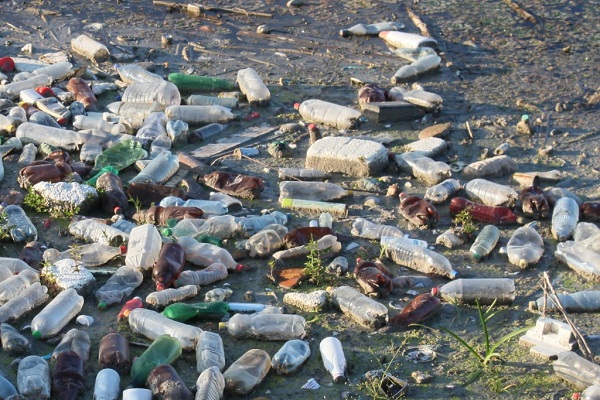
River popular with anglers, but pollution brings concerns

Photo Credit: Catherine Avalone — New Haven Register

NEW HAVEN >> As Aly Tatchol Camara biked to the very edge of Criscuolo Park, fishing poles slung on his back, he found he would not be alone at Grape Vine Point this cold, March evening.

Two poles already rested on the stone wall, lines dropped into where the Mill and Quinnipiac rivers meet before emptying into Long Island Sound. A 13-year-old boy told Camara through his shivering that he hadn’t had any luck yet that night in catching anything. The boy said he was there to try to bring fish home to his family.

Just to the right of the poles was a sign from the state Department of Energy and Environmental Protectionwarning that if anyone spots raw sewage in the water, they are to call and report the sighting.

Combined sewer overflows, contaminated storm water runoff, lawn fertilizers and lingering chemicals from dozens of power and manufacturing plants are just some of the pollutants hurting Greater New Haven watersheds. All three rivers in Greater New Haven — West, Mill and Quinnipiac — are on theimpaired waters list of the U.S. Environmental Protection Agency.

While pollution limits activities like swimming and paddling in these rivers, it also poses a significant risk to those who consume fish from them. Thestate Department of Public Health advises that any fish caught from the Quinnipiac River should be consumed only once a month, due to the dangerous contaminants present in fish tissue. Blue crab from the Mill River should not be eaten at all, the department warns in its 2016 consumption guide.

Camara, 51, said it was still a little too early in the year to catch much, but he said he likes spending his summer evenings at the edge of Criscuolo Park. A native of West Africa, Camara has been in the United States since 1996, he said, and he now teaches African dance and drumming in New Haven.

He mostly fishes for sport, releasing much of what he gets, he said. Fishing in the evenings keeps him away from television and out of trouble, he said with a laugh.

“This is a place for us to spend time,” Camara said. “You meet a lot of friends here.”

CONTAMINATION THREATS

Based on the health advisories from the state health department for 2016, fish in the Quinnipiac may be contaminated with polychlorinated biphenyls, commonly referred to as PCBs. The recommendation that any species of fish caught in the river only be consumed once a month applies to both high-risk and low-risk groups.  Continue reading . . . 
Allnex permit application concerns river advocates

WALLINGFORD — Allnex’s application for a change to its waste water discharge permit has some river advocates calling for a public hearing after filings showed the chemical company had 17 discharge violations since February 2012.

Allnex wants to change its discharge permit because of plans to manufacture modified or new products at the South Cherry Street facility.

The products are similar to those already manufactured on site and will be produced with existing equipment. The modification includes monitoring for a new parameter, tetrahydrofuran, according to a report by the state Department of Energy and Environmental Protection. Tetrahydrofuran is a clear, colorless liquid used in adhesive and sealant chemicals, according to the compound summary on the National Institutes for Health website.

Continue reading

“Hot Pipe” across from State Park

The Connectiuct Dept. of Energy and Environmental Protection’s investigation into a discharge pipe across from the Quinnipiac River State Park concluded that the discharge was likely related to the accidental release of lubricating oil into a batch of cooling water. The pipe’s owner, Nucor Steel, was found in violation of not reporting a permit violation in a timely manner. No further action is expected.

The full report of the complaint investigation can be downloaded below.

Read the DEEP comment in The New Haven Independent.

Read the original story in The New Haven Independent.

Q River Pollution Mystery Solved

NEW HAVEN INDEPENDENT — Crews working the dashing Rock & Roll and other small boats from the several fleets that berth along Quinnipiac River in Fair Haven will not have to worry about a discharge upriver near Wallingford.

The mystery about what was in an effluent, or discharge, from a pipe up at Toelles Road, near the North Haven Wallingford border, has been solved.

Detecting Pollutants from “Hot” Pipe

Harry Pylypiw stumbled across a Quinnipiac River “hot spot” where previously undetected chemicals pour into fish-filled water streaming toward New Haven Harbor.

Now he wants to find out if we should worry about that. And if it’s legal.

For six years Pylypiw, a chemistry professor at Quinnipiac Univerity, and his students have been testing the Quinnipiac River fromt Wallingford down to New Haven Harbor for industrial contaminants.

They’ve found plenty of them, because companies are still allowed to discharge a limited amount of pollutants, by permit. Not until this year, however, did they find a genuine “hot spot.”

The spot is right next to a fishing spot and a state park.

Continue reading on The New Haven Indpendent.

Pollution Busters Hit the Q

Estrogen, fertilizers, plastic and heavy metals may kill entire species of fish in the Quinnipiac River—and limit humans’ dinner and recreation options. Unless four University of New Haven researchers succeed in sounding the alarm.

The four UNH researchers are testing the levels of a few pollutants along various sites of the 38-mile river, to find their sources and inform policy to reduce them.

Read the story in the New Haven Independent.

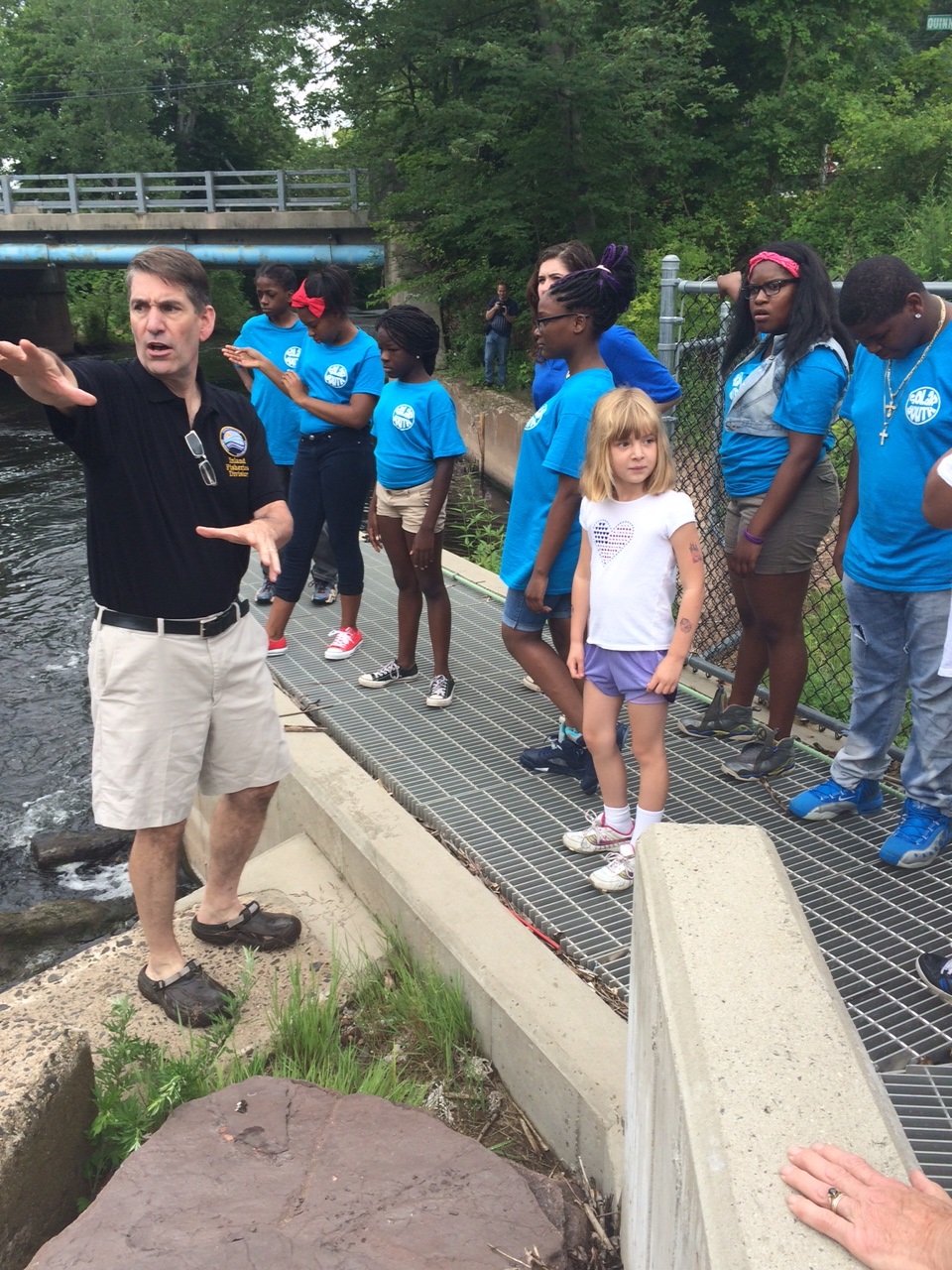
Solar Youth Trip to the Quinnipiac River Watershed Association

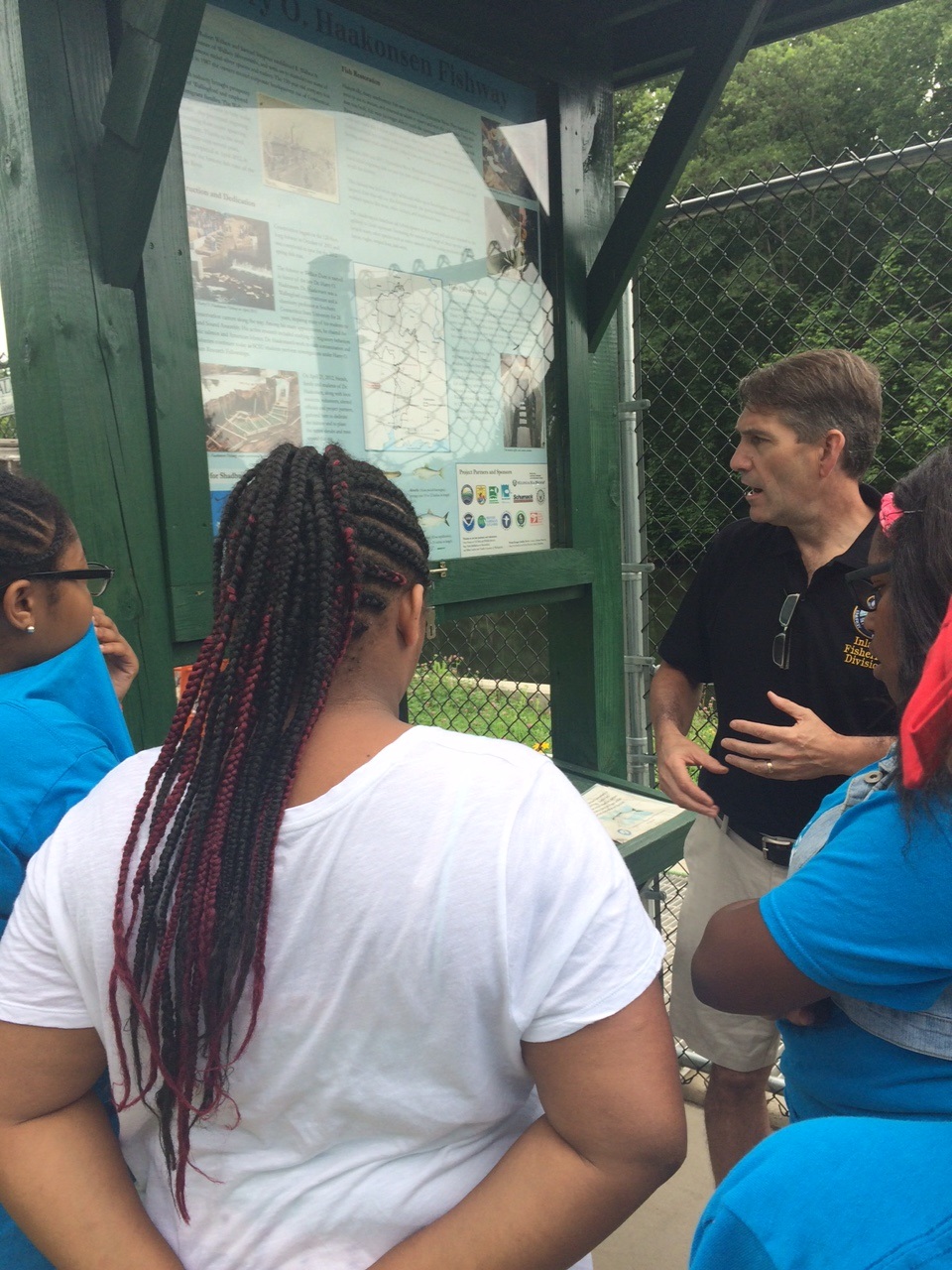
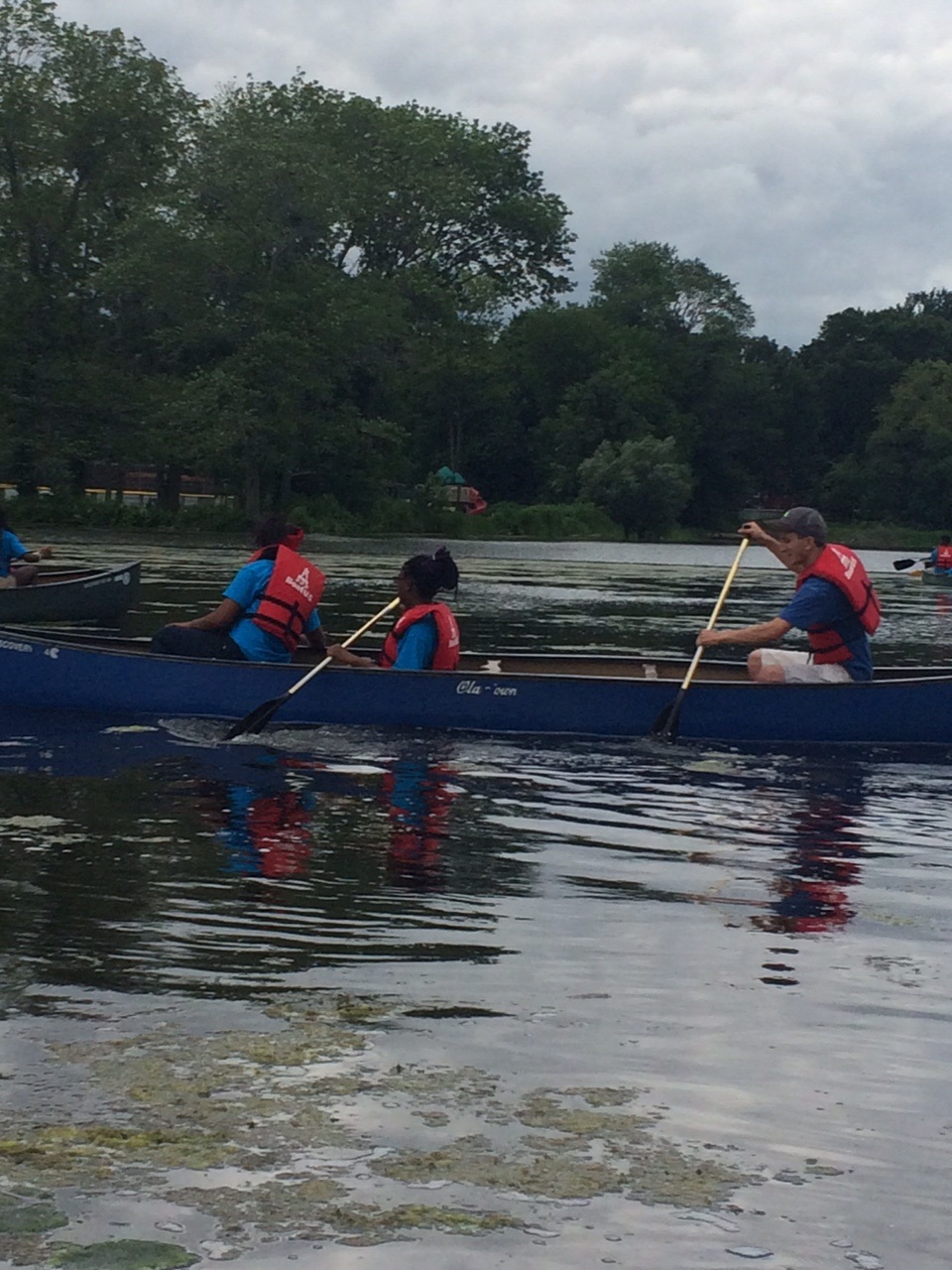
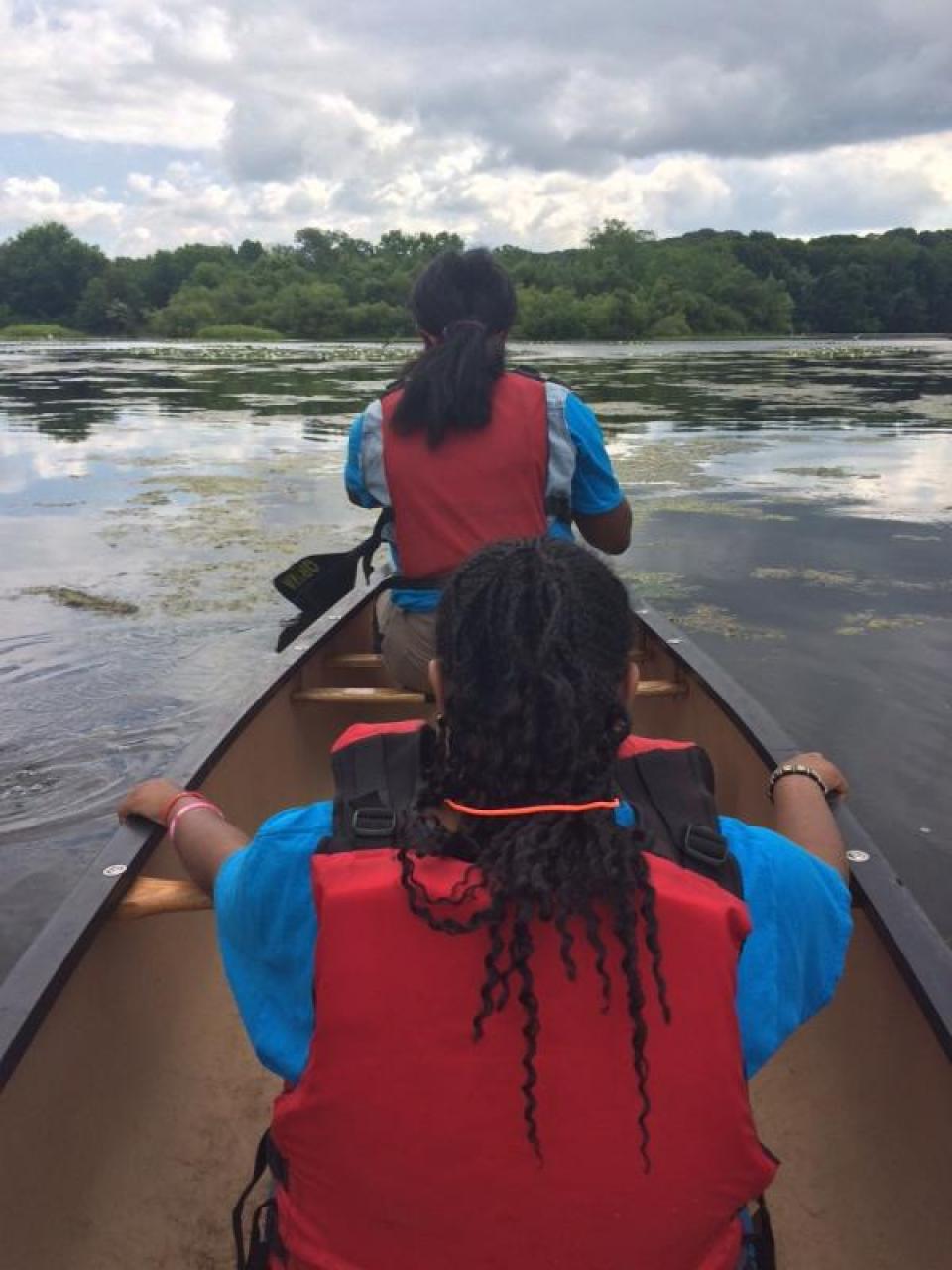
Young stewards from Solar Youth, the New Haven-based youth empowerment program, traveled to the Quinnipiac River Watershed Association for a river adventure. First stop: the Wallace dam for an overview of the river and its ecology.

The group then went to the QRWA headquarters and met with staff-volunteer Ginny Chirsky and other volunteers ready to take them out on the river. They paddled onto Hanover Pond to explore the ecosystem. They saw herons, egrets, hawks and other birds as well as turtles and insects.They met to discuss human impacts on the watershed and how they could be good stewards of the environment.

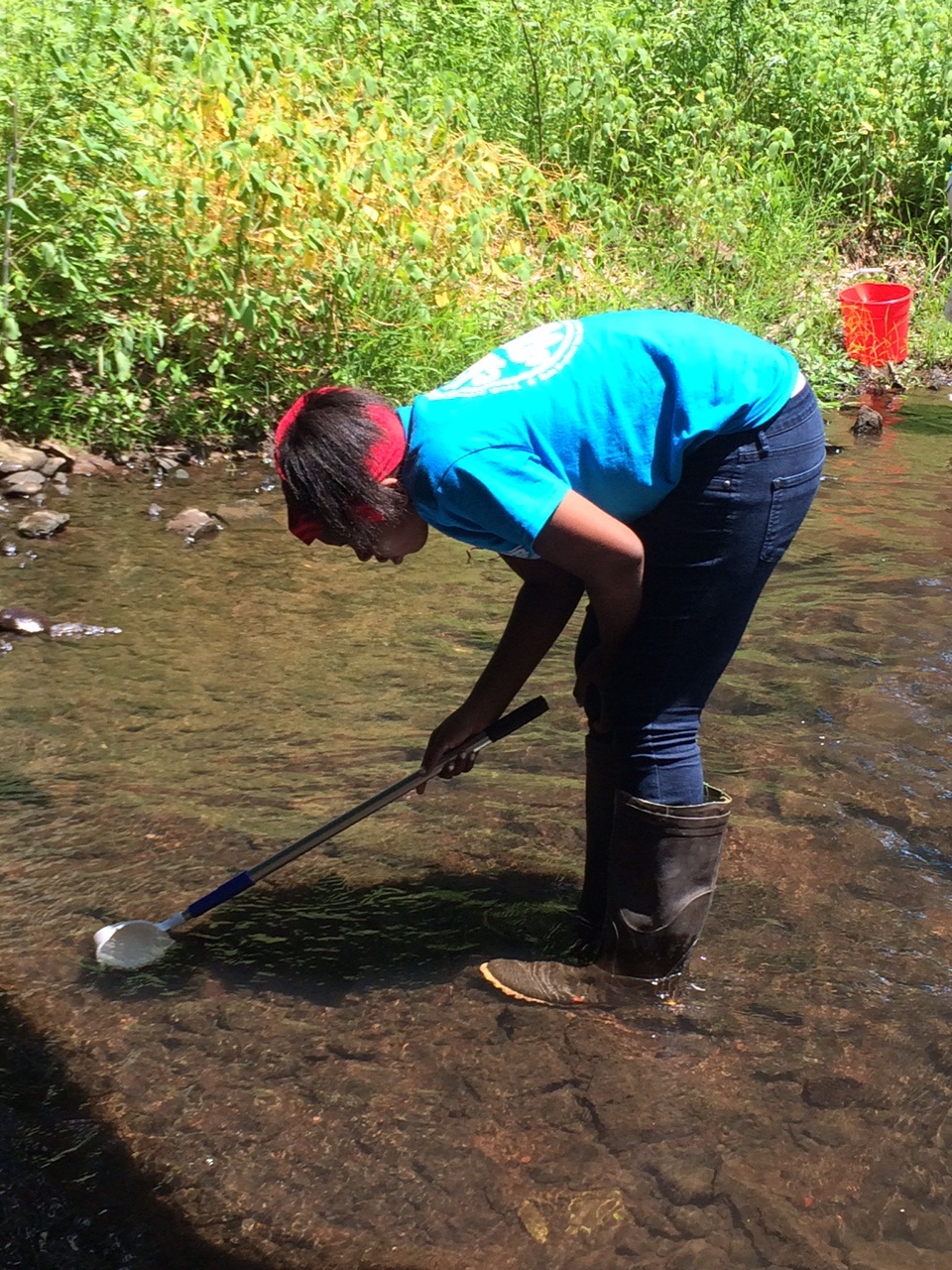
Next, they put on mud boots and waders and headed to a stream feeding into the pond to search for insects and larvae and other creatures

The day concluded with a discussion of how different organisms indicate the health of the stream. They brought specimens back to the lab for a closer look.

Teaching Solutions to Water Pollution

In the 1970s, the Keep America Beautiful advertisements with the “Crying Indian” turned into one of the most iconic anti-pollution images of all time. Four decades later, The Connecticut Coalition for Environmental Justice (CCEJ) is taking inspiration from this classic campaign to educate the next generation about the importance of caring for the Quinnipiac River.

“We want people to understand that there are a lot of issues that cause pollution that are our responsibility as individuals,” said CCEJ Executive Director Sharon Lewis. “We talk about industry. But we as individuals also have to be accountable.”

Starting with a history of the Quinnipiac River and its original inhabitants, the Quinnipiac tribe, CCEJ’s education program teaches how the river was once a focal point of oyster harvesting and commerce.  CCEJ members are bringing the program to schools, senior centers, places of worship, and community centers, located on and around the Quinnipiac River watershed.

Lewis said that in running the program, she was amazed to discover how little people knew about the river and its history.

“A lot of people don’t even have a clue about the tribe or its culture, or anything about the Quinnipiac River. We wanted to bring people all the way back and feel a bond with nature.”

About 1,000 people have attended the education programs so far, and Jones said she hopes that the history of the river will be included in the curriculums of area schools. In addition to the history, the program teaches about the impacts of pollution on the environment and ecosystem.

“We go from the good to the bad, how the Quinnipiac River became one of the most infamous rivers because if its pollution,” Lewis said. “Everybody is complicit. Boaters, people fishing, people on edge of water. It’s all about appreciating water. Clean water saves lives.”

The coalition has also reached out to people they find fishing in areas known to be polluted.

“People were shocked to find out that these waterways are poisonous.”