Allnex permit application concerns river advocates

WALLINGFORD — Allnex’s application for a change to its waste water discharge permit has some river advocates calling for a public hearing after filings showed the chemical company had 17 discharge violations since February 2012.

Allnex wants to change its discharge permit because of plans to manufacture modified or new products at the South Cherry Street facility.

The products are similar to those already manufactured on site and will be produced with existing equipment. The modification includes monitoring for a new parameter, tetrahydrofuran, according to a report by the state Department of Energy and Environmental Protection. Tetrahydrofuran is a clear, colorless liquid used in adhesive and sealant chemicals, according to the compound summary on the National Institutes for Health website.

Continue reading

“Hot Pipe” across from State Park

The Connectiuct Dept. of Energy and Environmental Protection’s investigation into a discharge pipe across from the Quinnipiac River State Park concluded that the discharge was likely related to the accidental release of lubricating oil into a batch of cooling water. The pipe’s owner, Nucor Steel, was found in violation of not reporting a permit violation in a timely manner. No further action is expected.

The full report of the complaint investigation can be downloaded below.

Read the DEEP comment in The New Haven Independent.

Read the original story in The New Haven Independent.

Q River Pollution Mystery Solved

NEW HAVEN INDEPENDENT — Crews working the dashing Rock & Roll and other small boats from the several fleets that berth along Quinnipiac River in Fair Haven will not have to worry about a discharge upriver near Wallingford.

The mystery about what was in an effluent, or discharge, from a pipe up at Toelles Road, near the North Haven Wallingford border, has been solved.

Detecting Pollutants from “Hot” Pipe

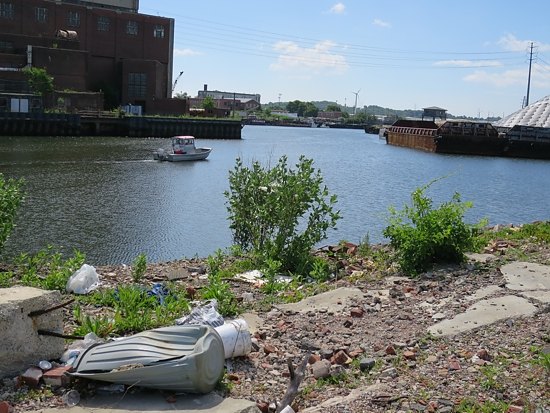
Harry Pylypiw stumbled across a Quinnipiac River “hot spot” where previously undetected chemicals pour into fish-filled water streaming toward New Haven Harbor.

Now he wants to find out if we should worry about that. And if it’s legal.

For six years Pylypiw, a chemistry professor at Quinnipiac Univerity, and his students have been testing the Quinnipiac River fromt Wallingford down to New Haven Harbor for industrial contaminants.

They’ve found plenty of them, because companies are still allowed to discharge a limited amount of pollutants, by permit. Not until this year, however, did they find a genuine “hot spot.”

The spot is right next to a fishing spot and a state park.

Continue reading on The New Haven Indpendent.

Pollution Busters Hit the Q

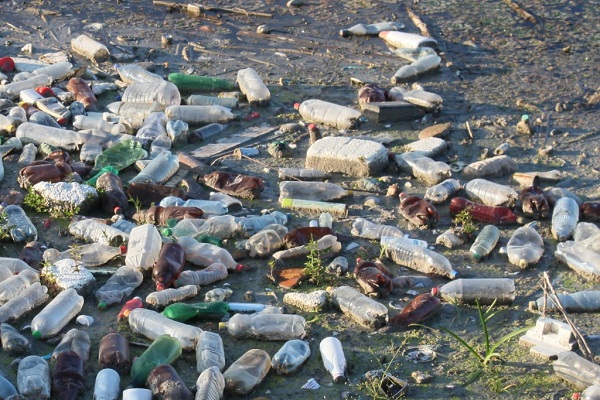
Estrogen, fertilizers, plastic and heavy metals may kill entire species of fish in the Quinnipiac River—and limit humans’ dinner and recreation options. Unless four University of New Haven researchers succeed in sounding the alarm.

The four UNH researchers are testing the levels of a few pollutants along various sites of the 38-mile river, to find their sources and inform policy to reduce them.

Read the story in the New Haven Independent.

Solar Youth Trip to the Quinnipiac River Watershed Association

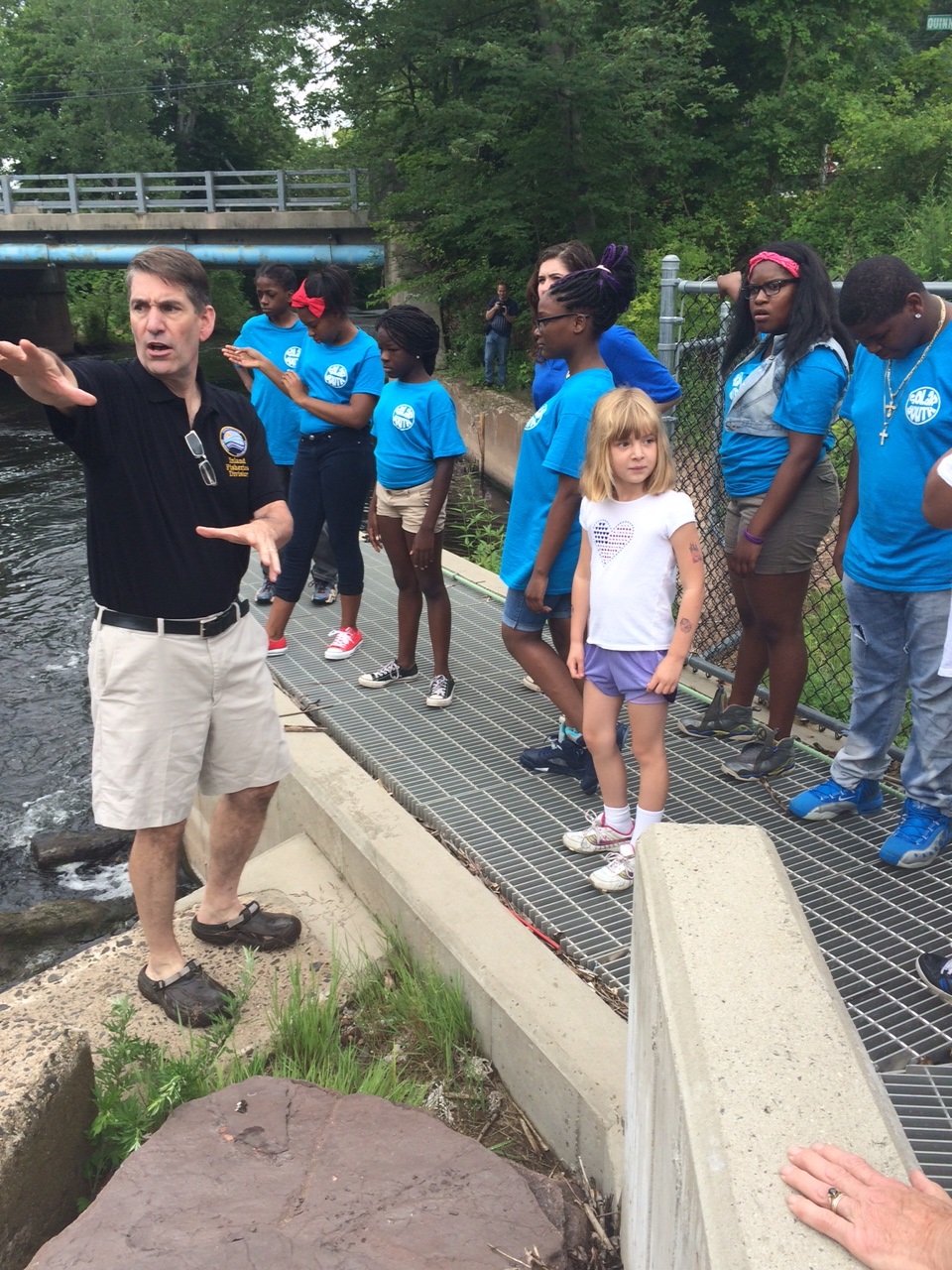
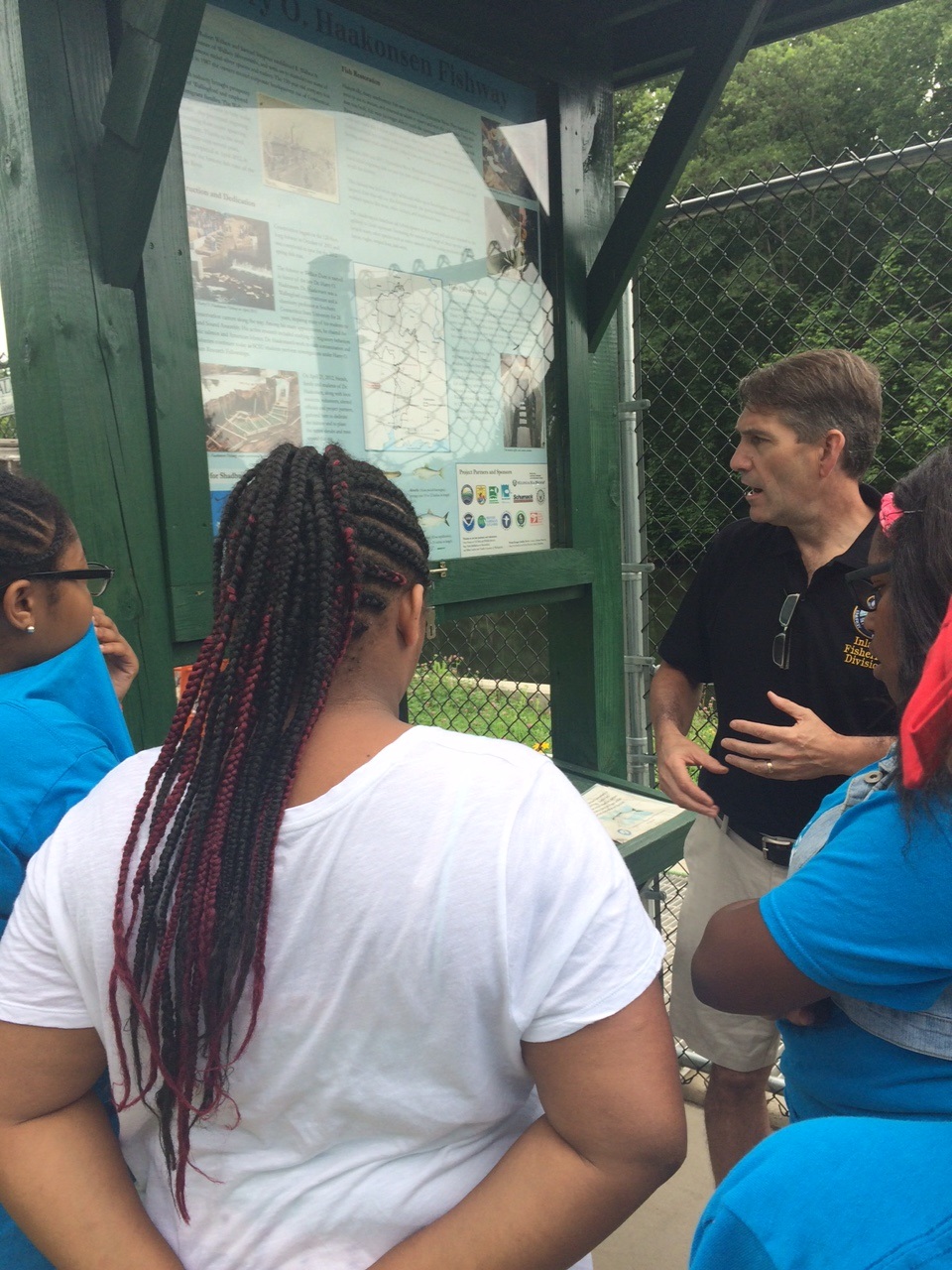
Young stewards from Solar Youth, the New Haven-based youth empowerment program, traveled to the Quinnipiac River Watershed Association for a river adventure. First stop: the Wallace dam for an overview of the river and its ecology.

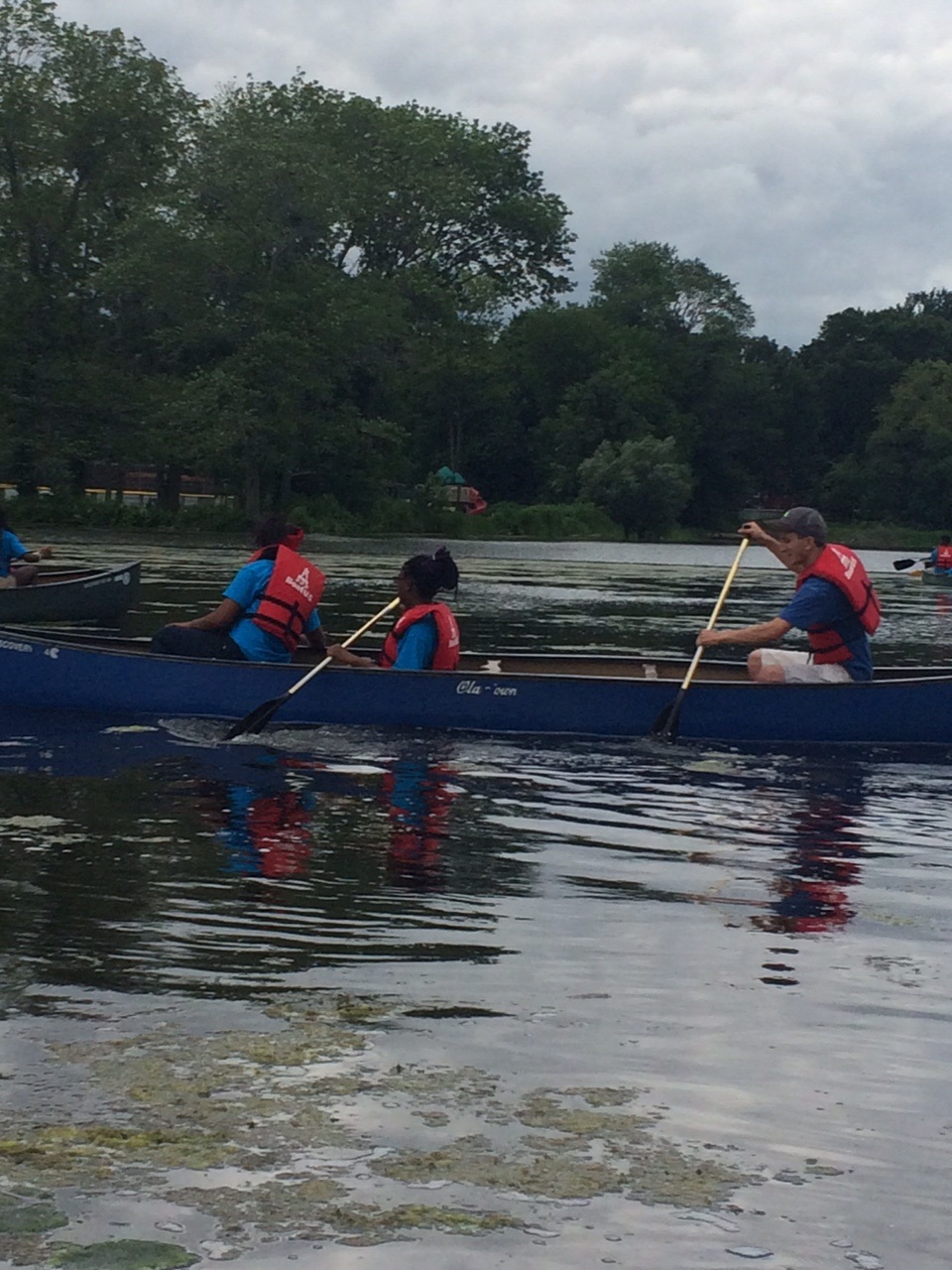
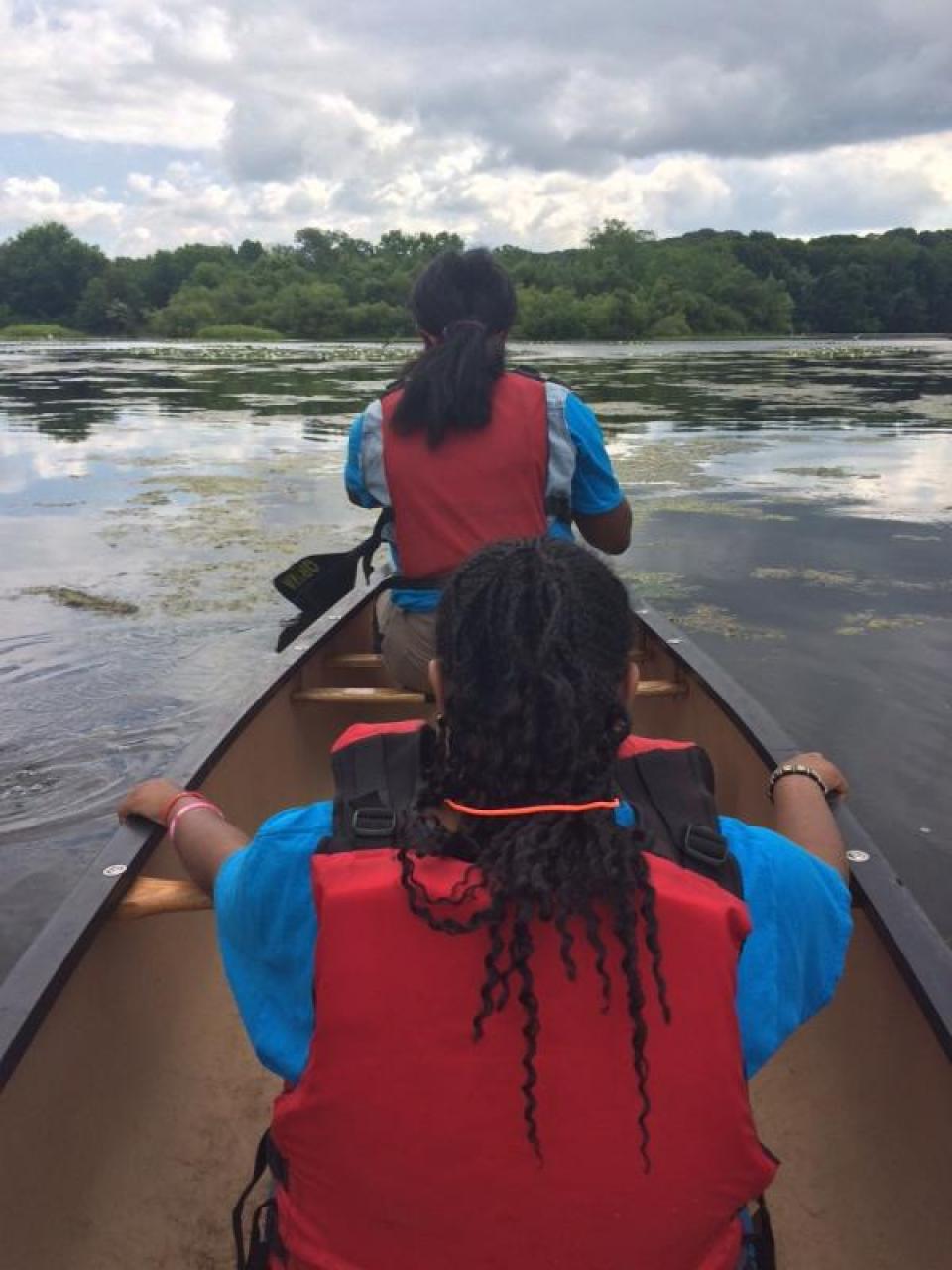
The group then went to the QRWA headquarters and met with staff-volunteer Ginny Chirsky and other volunteers ready to take them out on the river. They paddled onto Hanover Pond to explore the ecosystem. They saw herons, egrets, hawks and other birds as well as turtles and insects.They met to discuss human impacts on the watershed and how they could be good stewards of the environment.

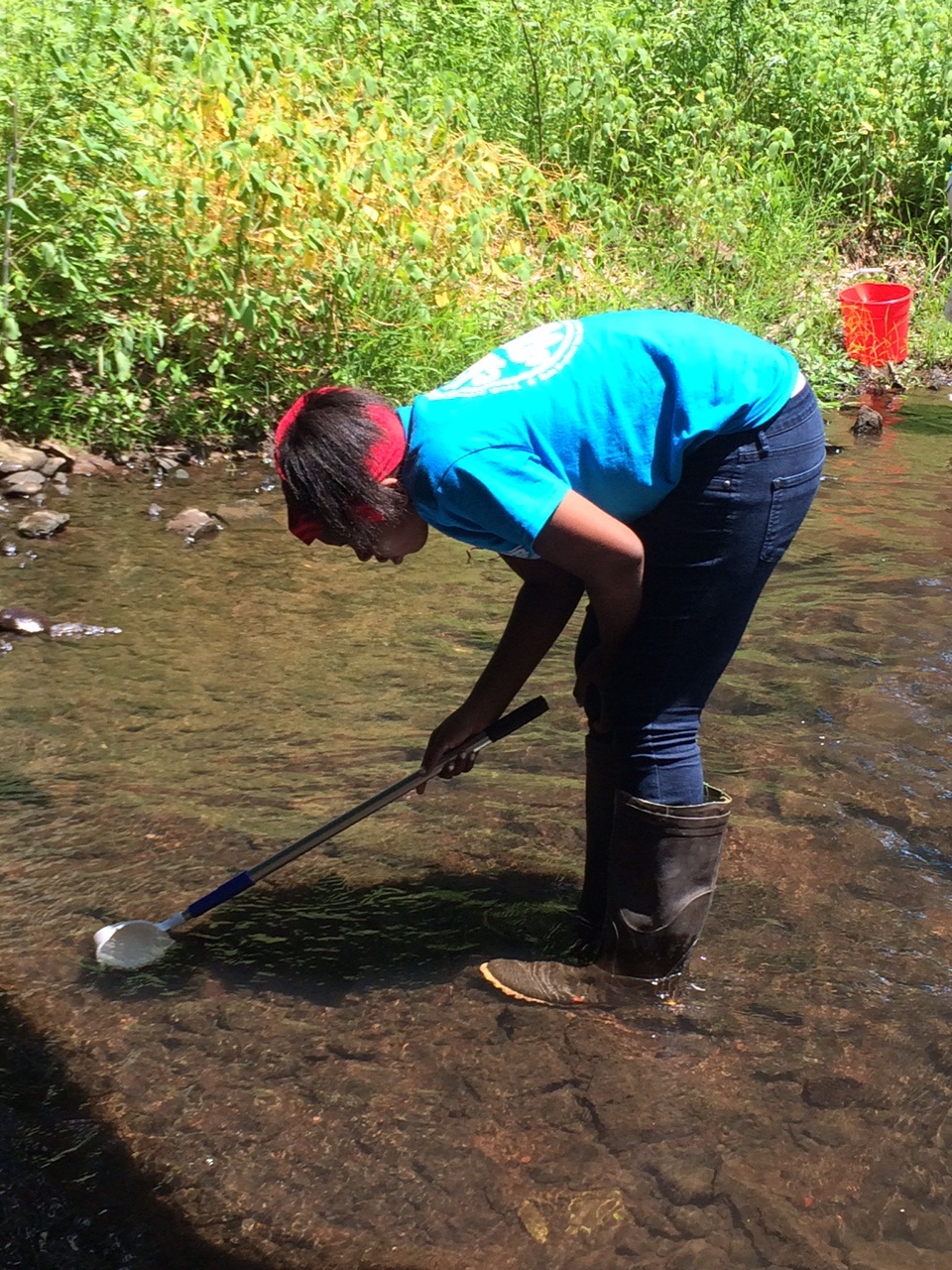
Next, they put on mud boots and waders and headed to a stream feeding into the pond to search for insects and larvae and other creatures

The day concluded with a discussion of how different organisms indicate the health of the stream. They brought specimens back to the lab for a closer look.

Teaching Solutions to Water Pollution

In the 1970s, the Keep America Beautiful advertisements with the “Crying Indian” turned into one of the most iconic anti-pollution images of all time. Four decades later, The Connecticut Coalition for Environmental Justice (CCEJ) is taking inspiration from this classic campaign to educate the next generation about the importance of caring for the Quinnipiac River.

“We want people to understand that there are a lot of issues that cause pollution that are our responsibility as individuals,” said CCEJ Executive Director Sharon Lewis. “We talk about industry. But we as individuals also have to be accountable.”

Starting with a history of the Quinnipiac River and its original inhabitants, the Quinnipiac tribe, CCEJ’s education program teaches how the river was once a focal point of oyster harvesting and commerce.  CCEJ members are bringing the program to schools, senior centers, places of worship, and community centers, located on and around the Quinnipiac River watershed.

Lewis said that in running the program, she was amazed to discover how little people knew about the river and its history.

“A lot of people don’t even have a clue about the tribe or its culture, or anything about the Quinnipiac River. We wanted to bring people all the way back and feel a bond with nature.”

About 1,000 people have attended the education programs so far, and Jones said she hopes that the history of the river will be included in the curriculums of area schools. In addition to the history, the program teaches about the impacts of pollution on the environment and ecosystem.

“We go from the good to the bad, how the Quinnipiac River became one of the most infamous rivers because if its pollution,” Lewis said. “Everybody is complicit. Boaters, people fishing, people on edge of water. It’s all about appreciating water. Clean water saves lives.”

The coalition has also reached out to people they find fishing in areas known to be polluted.

“People were shocked to find out that these waterways are poisonous.”

Fishing for Toxins

Research scientists from area universities detect and measure the impact of chemical pollutants in the Quinnipiac River

A vast number of products used and relied on everyday are made possible because of modern chemistry — from television sets and mobile phones, to plastic bottles, detergents, weed killers, hospital equipment, and just about everything in the typical American medicine cabinet. Qualities such as hardness for mobile phone covers and flexibility for intravenous tubes are achieved with materials created out of chemical compounds formed in a laboratory. The use and production of these synthetics has grown exponentially since World War II and brought undeniable benefits.  But many of the chemical building blocks used to make these materials are potentially harmful to humans and wildlife in ways that scientists are only beginning to understand.

In Greater New Haven, research scientists from area universities are conducting an array of studies to determine the extent of chemical pollutants in the Quinnipiac River watershed. Supported with grants from the Quinnipiac River Fund, some are working to identify point sources, typically the discharges of factories and water treatment facilities. Other teams are trapping specific animal species that live in and around the Quinnipiac River to determine whether the chemicals exist in high enough concentrations to affect biological systems that are shared with humans.

The compounds being studied are known as endocrine disrupting chemicals, or EDCs. The more well known of these compounds include dichlorodiphenyltrichloroethane, or DDT, the pesticide that was banned for most uses in 1972, and Bisphenol A, or BPA, which has been used in baby bottles and the lining of cans of food.

The chemicals get their name because they can interfere with the normal functioning of the endocrine system. A network of glands and organs throughout the body, the endocrine system is responsible for many aspects of a person’s overall health.  It produces the hormones necessary for normal sexual development and fertility, balanced energy levels and metabolism, childhood immunity, bone growth, and other vital functions.

Research sponsored by the National Institute of Health is investigating links between EDCs and illnesses including various cancers, diabetes, low fertility, immune disorders, and neurological defects. The NIH states that endocrine disruptors may pose the greatest risk to the developing organs during prenatal development and infancy.

Along multiple points of the Quinnipiac River, a research team lead by Quinnipiac University Professor of Chemistry Harry Pylypiw has tested the water to identify the point sources several endocrine disruptors known as phthalates. The team paid particular attention to the presence of Diethylhexyl phthalate (DEHP), a plasticizer manufactured by the Wallingford company Cytec Industries for use in medical devices, syringes, IV bags, glo sticks, hydraulic fluid, and other products.

While the river was found clean at Hall Avenue, above the Walllace Dam, lower down at Toelles Road, near a discharge site for Cytec, testing found DEHP as well as Dibutyl phthalate (DHP), a chemical used in detergents, cosmetics, aerosol fragrances, and toothbrushes. What surprised Pylypiw was his discovery of phthalate compounds further down river, far from any known discharge points.

“What disturbed us was what we found in the tidal marshes,” said Pylypiw. “There is no dumping there, so it has to be migrating.”

Household waste, seepage from underground septic systems, and other non-point sources are equally significant contributors of EDCs in the environment. In freshwater ponds in suburban areas around the Quinnipiac River, Yale research biologists are measuring how the chemicals are affecting local frog populations. Previous studies have found some of the highest EDC concentrations near suburban homes reliant upon septic systems.

“There is a halo of chemicals around everywhere we live,” said David Skelly, Ph.D.Yale School of Forestry and Environmental Studies. “Wastewater treatment is not equipped to deal with these 21st-century EDCs.”

Skelly’s team has found evidence of endocrine disruption in local frog populations. One in five frogs sampled by the researchers had eggs in their testes. In an ongoing project, the team is studying mussel populations in Long Island Sound, the first such examination of endocrine disruption in this body of water.

On the Quinnipiac River, John Kelly, a research biologist with the University of New Haven, is leading a study that seeks to determine if endocrine disruption is happening to fish and the patterns for where EDCs are more or less concentrated. For his testing, Kelly’s team is examining the mummichog, a small, silvery fish that lives in brackish water. The presence of endocrine disrupting chemicals in the fish will turn on cellular machinery to produce certain proteins in the liver that can be measured. By detecting these proteins in the fish livers, Kelly can establish that endocrine disruption is occurring.

Kelly’s study is ongoing and is anticipated to have results in the spring of 2015. 

Taking Ground

New Haven Land Trust battles invasives by planting new native trees 

photos by Ian Christmann

“You can never declare victory,” said John Cox, a longtime New Haven Land Trust volunteer, speaking about the battle against invasive plant species that have overrun Quinnipiac Meadows and New Haven’s other five preserves. “You constantly have to be diligent in the process of removing invasives and replacing natives.”

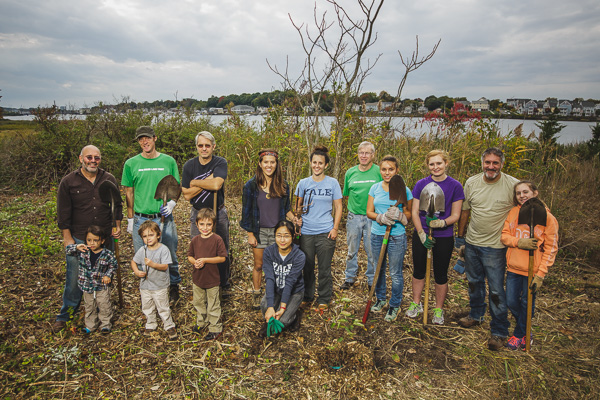
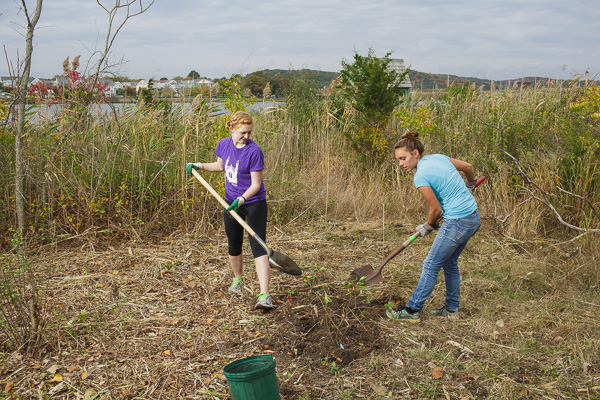
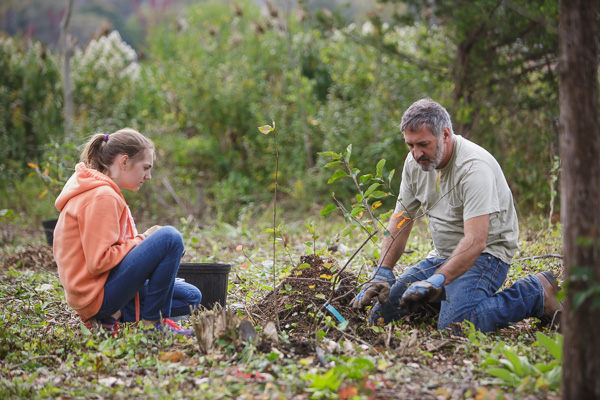
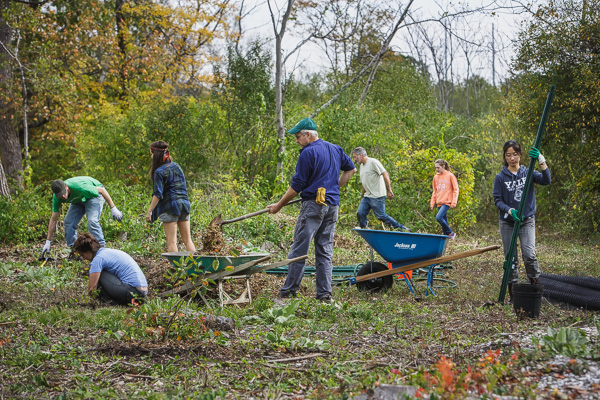
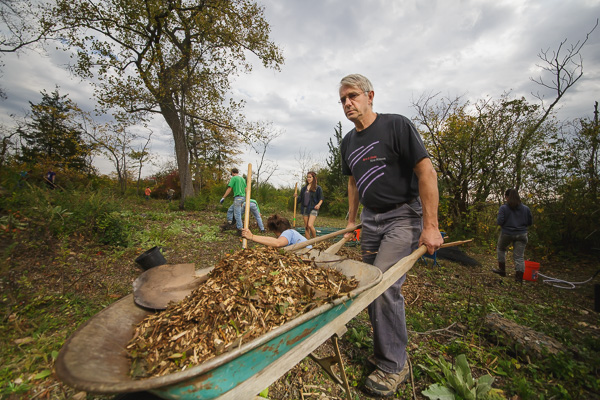
On Saturday October 18, a dozen volunteers demonstrated this diligence, joining Cox and New Haven Land Trust staff to plant native trees and shrubs at the Quinnipiac Meadows Preserve.  Scheduled on United Way’s Day of Caring, the planting drew regulars like John, fellow preserve committee member Steve Wilcox and his daughter, as well as new faces, many of them from Yale University.

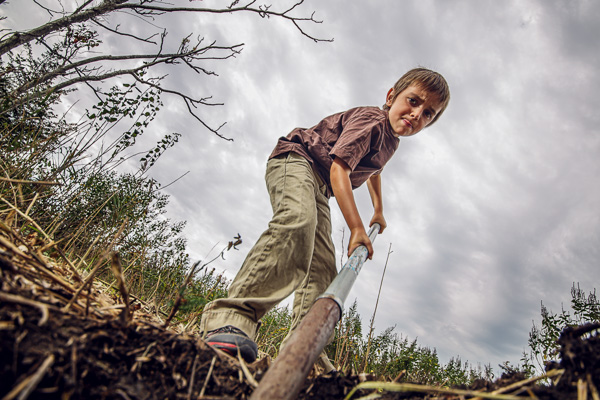
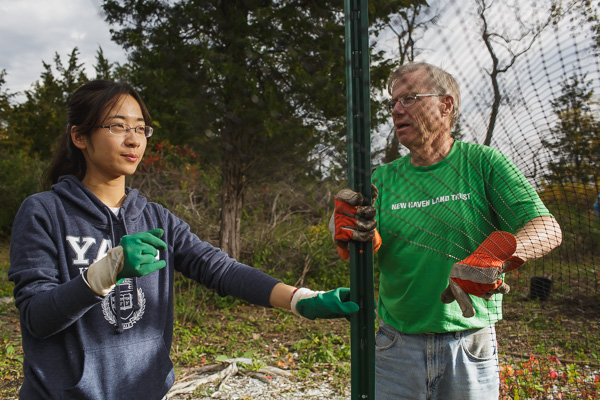
Armed with pickaxes, shovels and mulch, the group sowed 29 plants, including numerous serviceberry bushes and three species of oak trees. The work concluded with the construction of temporary fencing to protect the fledgling plants from deer.

“These workdays not only improve our ecosystem, but bring people together to learn about the preserve and better appreciate our community,” said Justin Elicker, executive director of the Land Trust. “There is no better way to meet someone than planting a tree together.”

Saturday’s planting was part of a much larger process of re-establishing native species in the preserve. In the fall of 2013, volunteers cleared the 1.2-acre area. Due to rapid re-growth of the invasives, the land was re-cleared last Wednesday.

Even after the native plants establish themselves, the battle to keep the invasives at bay will continue. It’s good guys vs. bad guys when it comes to plant species, Cox explained. Invasives are non-native plants that are considered disruptive to the environment and human economy. Some can even be harmful to human health.

As their name indicates, invasives are naturally aggressive. They grow rapidly under a wide variety of conditions and spread easily. Some can sprout from the smallest fragment of a root, making their eradication difficult. Invasives also leaf out and flower early, shading out the native species. A lack of natural controls on growth – such as diseases, insects or wildlife predators – also contributes to their proliferation.

When invasives invade, native plants suffer. According to the National Wildlife Federation, invasive plant species are one of the leading threats to native wildlife, putting approximately 42% of the threatened or endangered species at risk of extinction. Likewise, invasive species can greatly impact human economy as many commercial, agricultural, and recreational activities depend on healthy native ecosystems.

Understanding the serious implications of invasive, the New Haven Land Trust and its volunteers will continue to take ground in Quinnipiac Meadows – protecting the native plants as they get established and expanding their efforts to additional acres.

The invasive removal and tree-planting project was partially funded by the Natural Resources Conservation Service and the Quinnipiac River Fund.