YALE DAILY NEWS – Local scientists and volunteers are trying to reduce pollution in the Quinnipiac — once one of Connecticut’s most polluted rivers — through water monitoring and cleanup events. Photograph by Logan Dinkins
Category: Q River Fund projects
Nyberg: Quinnipiac professor taking action to clean up Quinnipiac River
WTNH — A Quinnipiac University professor cares deeply about cleaning up the Quinnipiac River. Courtney McGinnis, the interim associate dean of the College of Arts and Sciences and professor of biological and medical sciences, grew up in Oxford and has a special passion around the river and its surrounding community and ecosystem.
Q River Rolls Along, As Does Its Cleanup
NEW HAVEN INDEPENDENT – More than ten years ago, Courtney McGinnis was an associate professor of biology at Quinnipiac University and on a team of faculty and student environmental sleuths.
They were looking for the source of phenothiazine in the Quinnipiac river, along with assessing the possible presence of phthalates — toxic effluents — used in making certain plastics, which were detected running into the Quinnipiac River between Wallingford and North Haven.
A Salty Situation
In cities like New Haven, winter brings more than just flurries and flakes. Salt laden sidewalks and streets are a sure sign that snow is on the forecast. Safety conscious New Englanders are quick to scatter this affordable and effective de-icer. Salt has become a (literal) widespread solution to preventing slips, falls and accidents, but what impact does its abundant use have on our waterways?
Aided by a Quinnipiac River Fund grant, Gaboury Benoit, professor of Environmental Chemistry at Yale School of the Environment, launched a research project — “Road Salt in Urban Runoff of the Quinnipiac River” — to measure the impact of winter salting on the environment, using the Quinnipiac River as a central testing site.
Using a sweep and weigh approach, Benoit measured the amount of salt on sidewalks and paved areas. The results revealed that most test sites contained more than 100 times the recommended levels. “People think, ‘if one pound is good, then ten pounds is better,’” Benoit explained. “Although science proves that a little salt can go a long way, people often pile it on thinking, “if I see it, then I know its working.”
Benoit’s study also measured the salt flux in catch basins, wells, tributaries and the Quinnipiac River itself. Salt flux is determined by an equation of a water’s saltiness and its flow. The results showed extremely elevated levels across the board. The brine in catch basins measured a salt flux of 8000, which is 400 times the recommended levels and more than double the saltiness of the ocean itself. And the salt flux in deep wells averaged 100 — 1000 times the recommended level for groundwater.
“The whole system is contaminated.” Benoit described. “Even if we stopped salting immediately, it would be years for it to clear the system.”
With data covering the entire year, Benoit noticed a disturbing trend. In the summertime, after substantial rainfalls, salt levels measured nearly as high as the winter readings. This poses serious problems for aquatic organisms during their active and reproductive period, Benoit explained. He attributed these summer spikes to the stormwater surges that flush out the salt-saturated brine that settled in the bottom of catch basins in the winter season.
While the problem is pervasive, the solutions can be simple, Benoit described. By installing low-tech baffle panels in catch basins (a vertical panel that forces water out of the discharge rather than accumulating in the bottom), the majority of brine would be washed out of basins in wintertime when aquatic life is more dormant.
Even more low-tech and effective is the solution Benoit widely recommends, “use less salt!”

Pollution in Quinnipiac River is decreasing. Hauling away trash will help reduce it further
NEW HAVEN REGISTER — The sheer amount of waste recently pulled from a forest surrounding a local stretch of the Quinnipiac River was enough to furnish a one-bedroom apartment.
A dirty, tan leather sofa (cushions included), a large metal bed frame (sans mattress), a waterlogged recliner, a microwave, patterned rugs and several mud-caked box fans were among the items removed from the floodplain on Valley Service Road – a hotspot for illegal dumping. Next to the household goods sat a pile of more than a dozen deflated tires.
To help reduce the amount of trash flowing into, and possibly contaminating, the Quinnipiac River, Courtney McGinnis, a Quinnipiac University biology professor, and groups of students from Hopkins School in New Haven staged a clean-up event two weeks ago. The event was part of a years-long effort to study pollution in the river – research that officials say is “critical” to understanding the river’s overall health and how it has changed over time.
“Many times people see trash like this and they think, ‘Not here, not in America. That must be … a third world country somewhere,'” said Priscilla Encarnacao, Hopkins’ director of research. “It’s like, no, that’s North Haven.”
McGinnis’s crusade against pollution in the Quinnipiac River began in 2015, when she took over efforts to study the body of water from a former Quinnipiac University chemistry professor. During that time, the health of the river, which runs from New Britain to the New Haven Harbor, has steadily improved, she said.
Using a special instrument that can detect the presence of chemicals in the river, McGinnis and Encarnacao found only two classes of pollutants last year, hydrocarbons and bisphenol A, or BPA, compared to five to seven compounds when they first started sampling, she said. The decrease, she added, likely stemmed from regular monitoring of the river.
“Companies with permits to discharge are more careful when they know there are people monitoring the health of the river, ” said McGinnis, who recently got an $18,000 grant through the Community Foundation for Greater New Haven’s Quinnipiac River Fund to support her research.
Despite the improvements, McGinnis said, the Quinnipiac River still has a problem with hydrocarbons, which have showed up on water samples since 2017. Hydrocarbons are most commonly found in natural gas, crude oil and other energy sources, according to the U.S. Energy Information Administration.
McGinnis said she believes the hydrocarbons and other harmful chemicals are building up over large areas and flowing into parts of the river, including in North Haven, as runoff during bouts of heavy rain – a process known as nonpoint source pollution. Last month’s clean-up, she said, was designed to target the trash washing into the river and releasing those substances after it degrades.
“We know where the contamination is coming from,” McGinnis said of the nonpoint source pollution traveling from the forest into the Quinnipiac River. “If we can remove those (contaminants), then it’s less likely for them to leech into the river.”
Most of the heavy-lifting had been completed by the time Gabriel Mena and his group of Hopkins classmates arrived in the afternoon to help clean the area around the Quinnipiac River in North Haven. Mena, a senior, said he mostly plucked empty packages of fruit snacks and Pop-Tarts wrappers from the forest, also stumbling on what he believed was a makeshift campground. The students received community service hours for participating.
“We don’t get a lot of opportunities like this to go out and help, so it’s very rewarding to be able to know that you’re helping your community,” said Mena, who will attend Yale University next year.
Garbage trucks hauled away the trash that the group had assembled along Valley Service Road. Some items, such as a jet ski, were too heavy and had to be left behind in the woods.
Maintenance for the land where the clean-up took place falls under the responsibility of state authorities, according to Encarnacao, the Hopkins director. But officials have been “out-manned by the dumpers,” allowing the waste to accumulate, she said.
McGinnis said she hopes removing the debris will result in a lower abundance of contaminants from plastic, textiles and other materials. Another clean-up is planned for the fall, according to McGinnis. The professor and a team of Quinnipiac University students will analyze water samples collected in Hamden, Meriden and Wallingford, in addition to North Haven.
McGinnis’ work over the past decade has helped contribute to the river’s turnaround. In 2015, after her group found a chemical in Wallingford that was giving the river a “red tint,” the state Department of Energy and Environmental Protection fined a nearby steel manufacturer that had been “dumping something into the river that wasn’t permitted,” McGinnis said.
Once they are complete, the latest findings will offer a “snapshot” on the current state of the Quinnipiac River as McGinnis continues her quest to restore it.
“I hope that my data and research can support that we’re doing a better job on this river,” she said.
Professor awarded $16,000 grant to investigate pollution in the Quinnipiac River
QUINNIPIAC TODAY — Kinsey, an associate professor of chemistry, was awarded a $16,000 grant. Her project aims to monitor pharmaceuticals, personal care products (PPCPs) and water quality in the Quinnipiac River. The foundation’s Quinnipiac River Fund was created “to improve the environmental quality of the Quinnipiac River and the New Haven Harbor.”
Quinnipiac River Fund Supports Exploration of Impact of Salt from Roadways
CONNECTICUT BY THE NUMBERS — Contamination of the Quinnipiac River in Connecticut was once so great that it prompted the first pollution control measure in the state and the eventual creation of the first sewage treatment plant in the Connecticut, according to the Community Foundation for Greater New Haven.
Chargers Conducting Grant-Funded Research Exploring Impact of Pollution on the Local Environment
This summer, several faculty members and students are engaged in important research projects supported by the Quinnipiac River Fund, examining how microplastics and metals are affecting wildlife in local aquatic habitats.
Here there be dragons
Hundreds gather for Canal Dock’s annual Dragon Boat Regatta
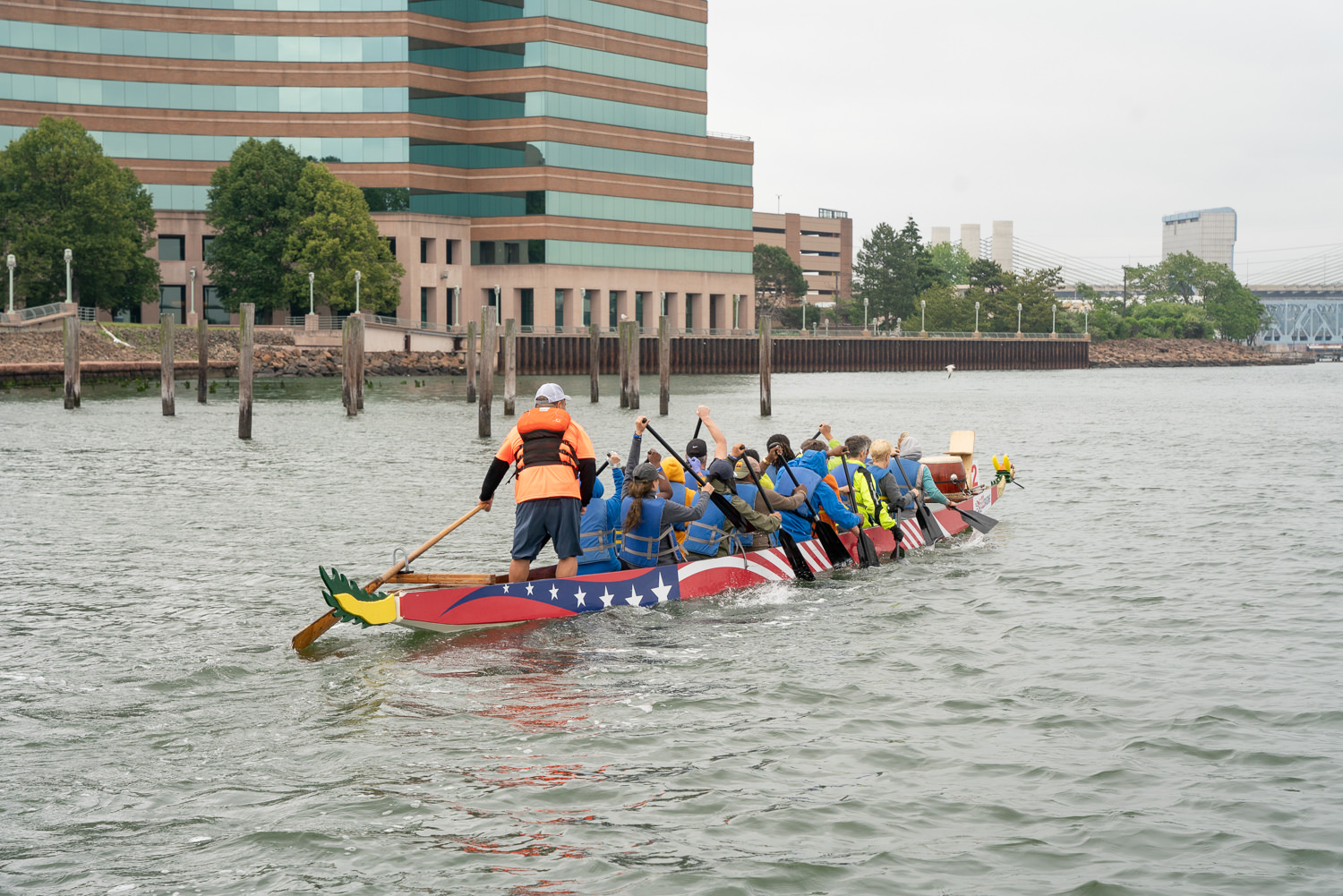
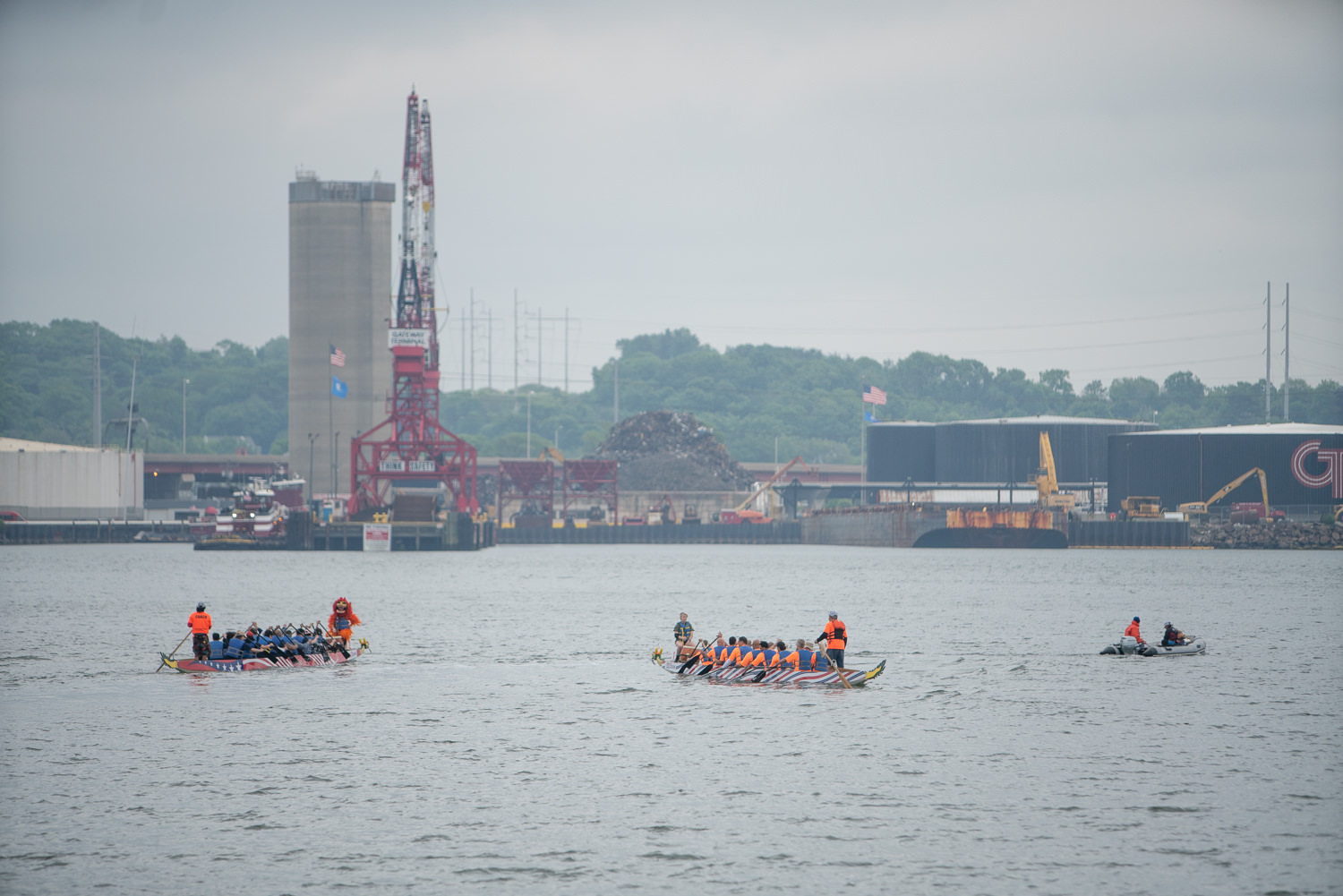
On June 3, 2023, a dozen dragons were spotted in the New Haven harbor. “Dragons” are not necessarily a new occurrence in these waters. In the 17th century, European settlers and sailors named the lower Quinnipiac River “dragon” after the multitude of harbor seals, known as “sea dragons” that populated the waters. Over the decades, pollution and development drove these creatures away, but in 2016, the Canal Dock Boathouse introduced a different kind of dragon to the harbor, in the form of large canoe-like vessels with ornately carved dragon’s heads and tails. These dragons emerged for a single day with a single focus: to be crowned victor in the Boathouse’s annual Dragon Boat Regatta.
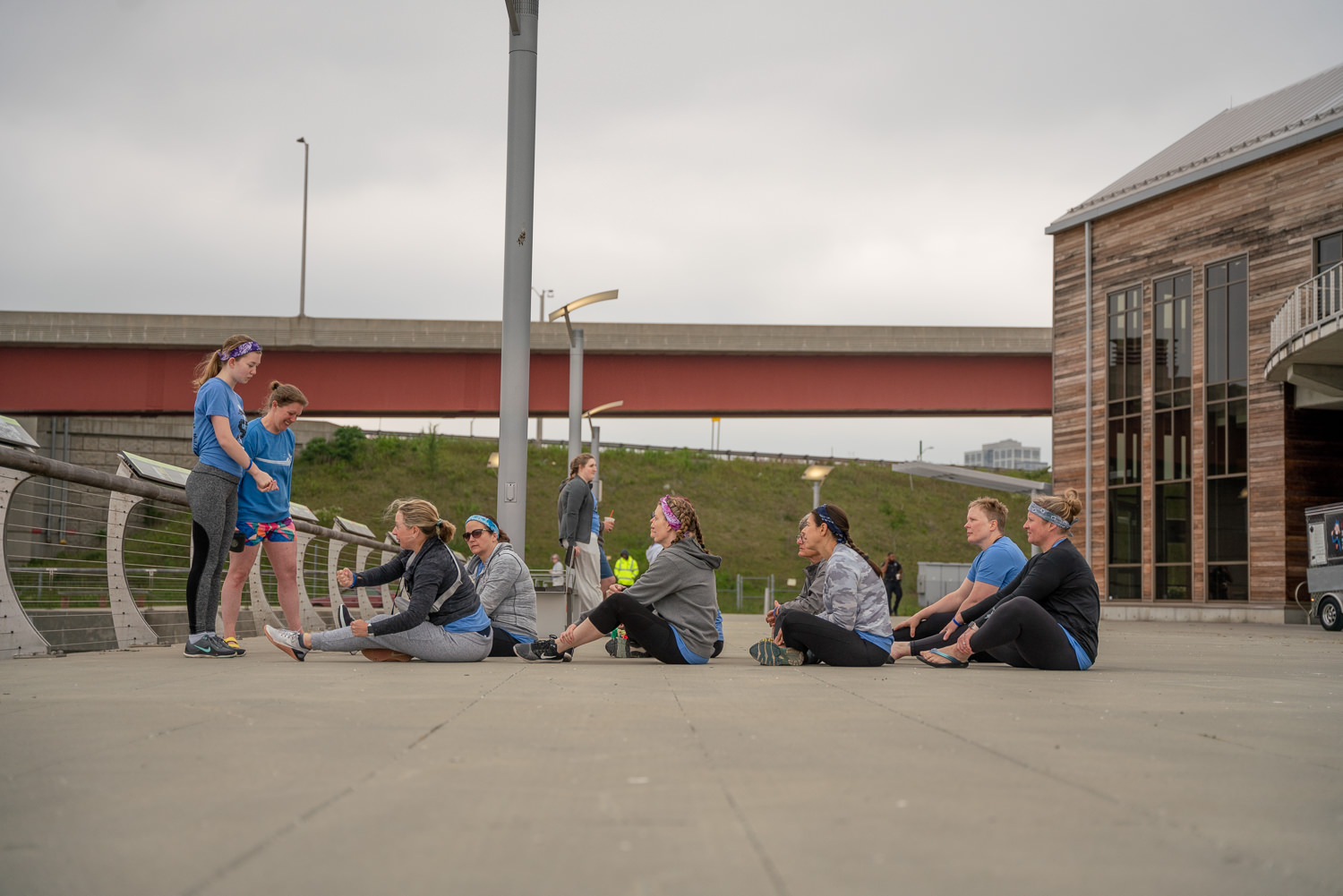
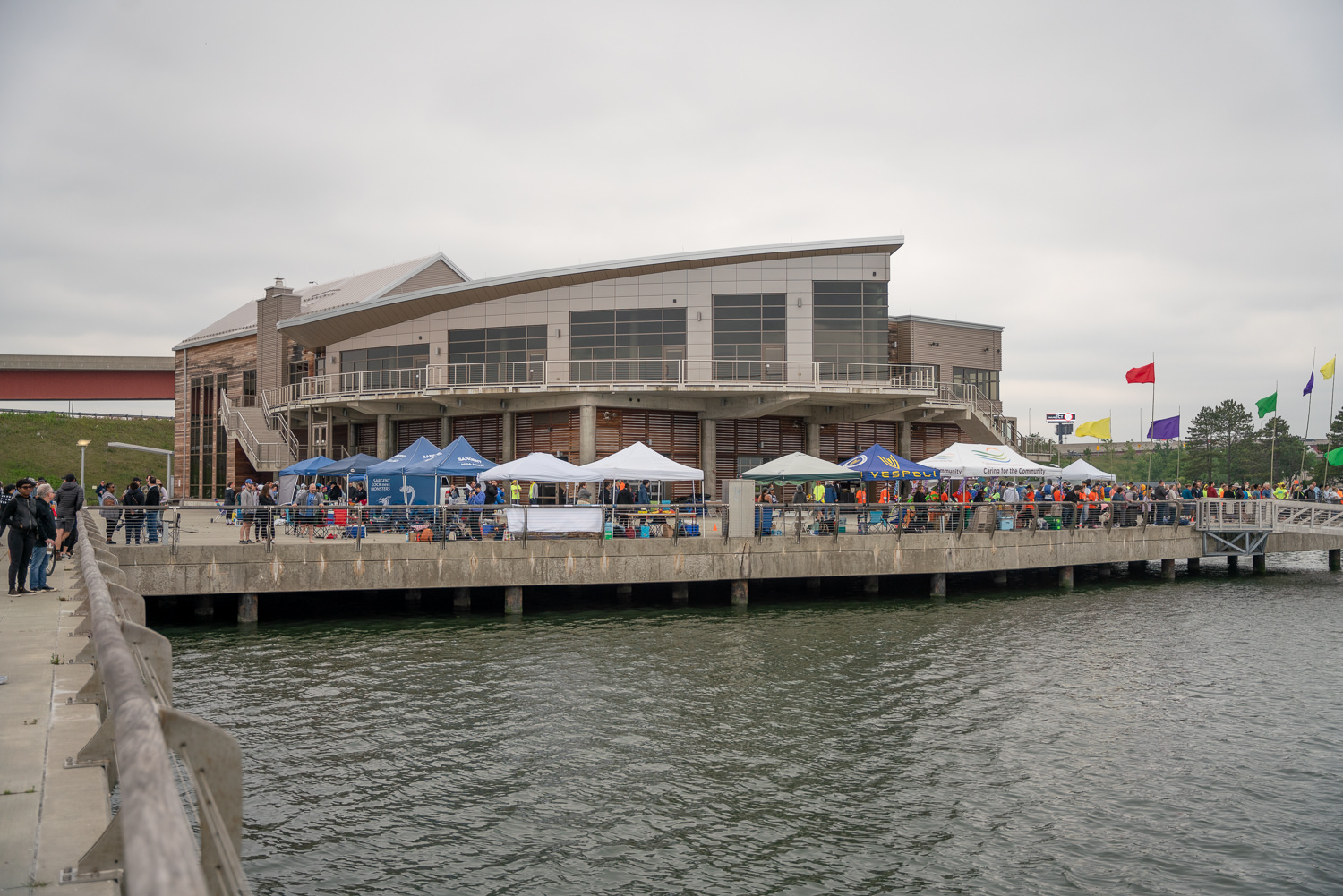
Dragon Boat Racing — a traditional Chinese watercraft activity dating back 2000 years — is one of the fastest growing water sports in the world and a favorite among charities and corporations for its fundraising and team-building benefits. Indeed, Canal Dock’s Dragon Boat Regatta serves as an important fundraiser for the organization, helping them continue their mission connecting people to New Haven’s waterfront through programs and activities including community days, dry land rowing, yoga class on the platform, kayaking, rowing, and dragon boating.
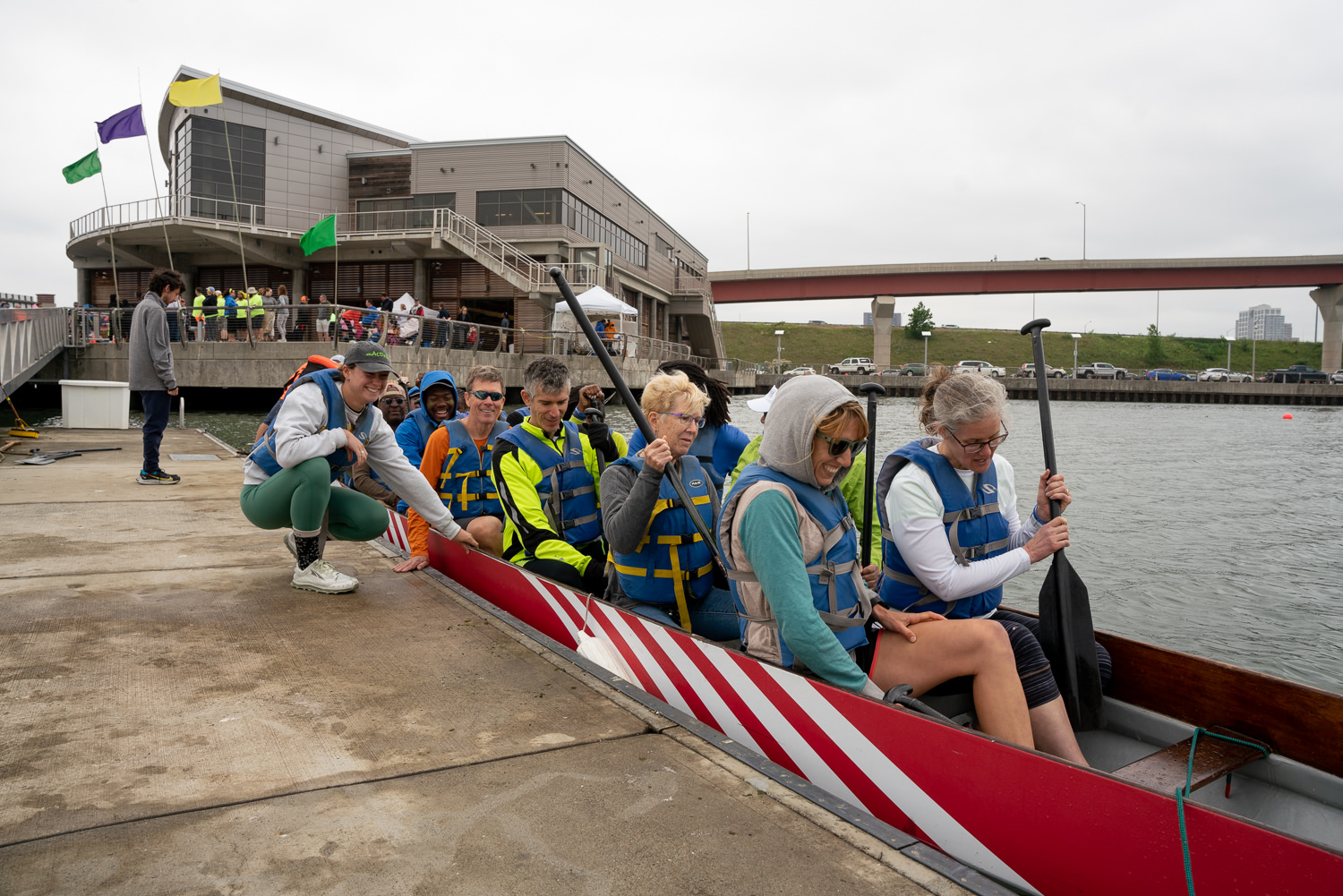
The Regatta brings together a broad spectrum of the community, including local businesses, clubs and high school participants. The entry fee of $1700 allows teams to sponsor a boat which holds 16 paddlers and 1 drummer. Crews — comprised of people of all ages and experience — sit in pairs and paddle while a drummer beats time to keep them in unison and a helms person guides the boat. All boats are required to have at least 6 females inclusive of transgender, nonbinary and gender nonconforming individuals.
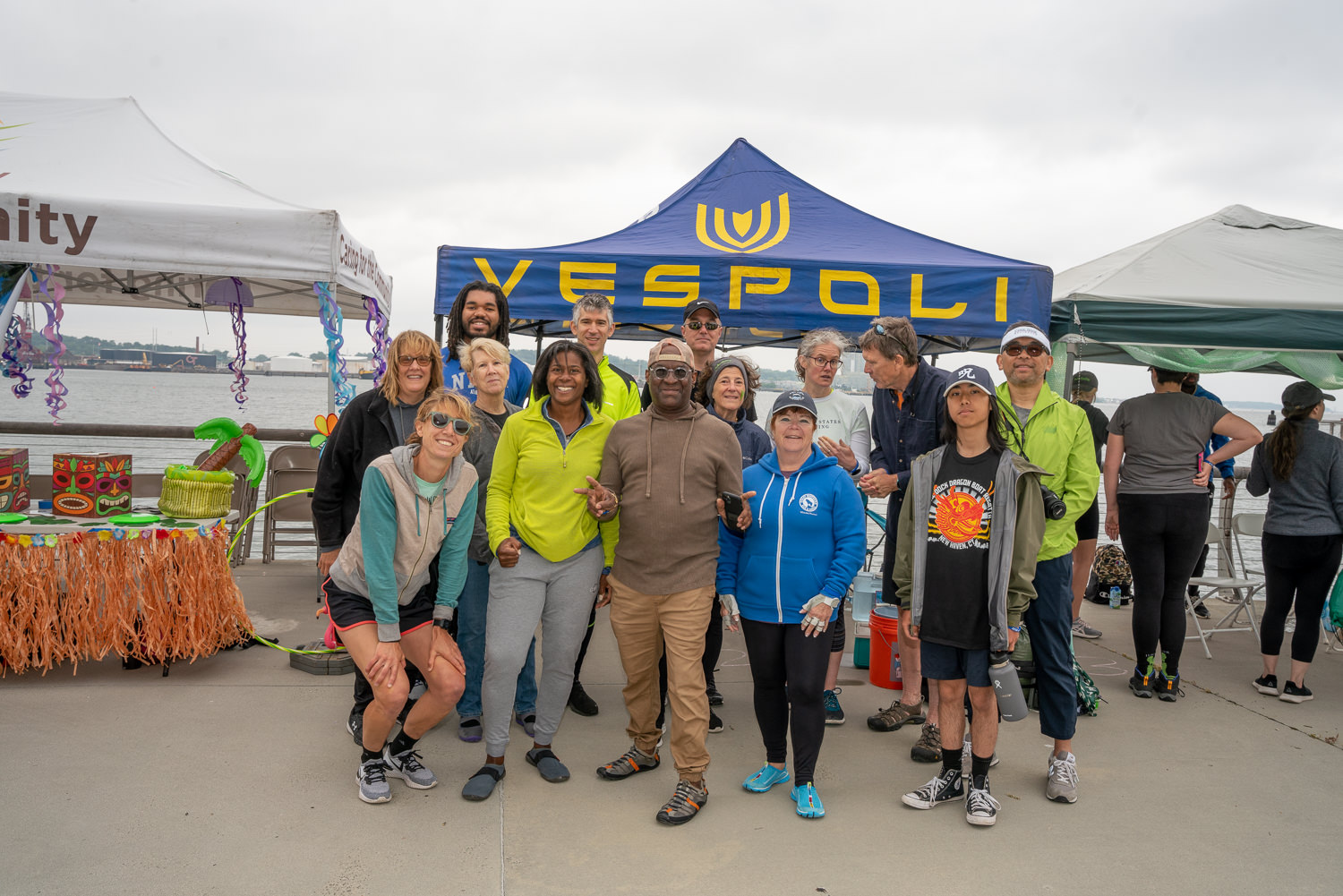
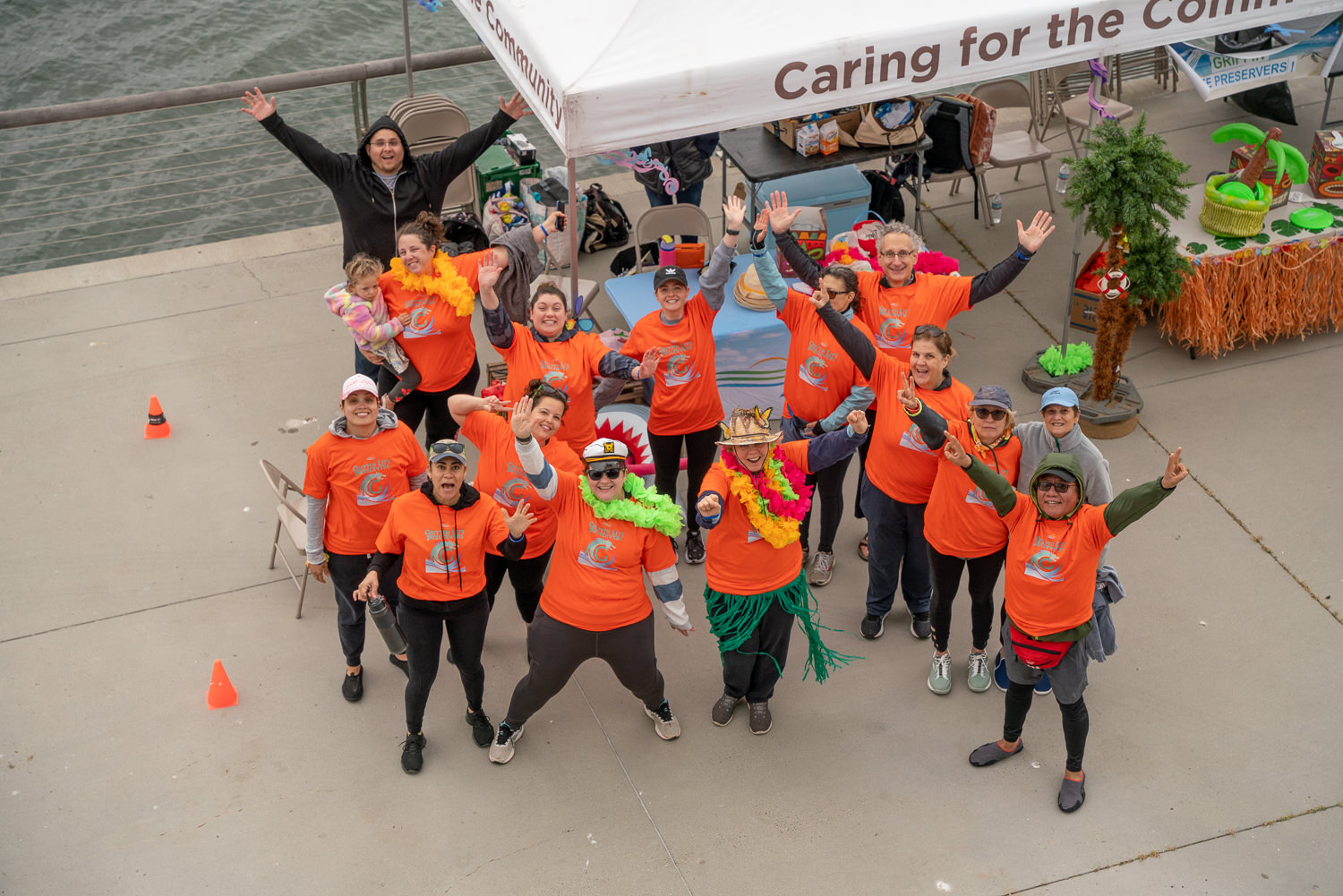
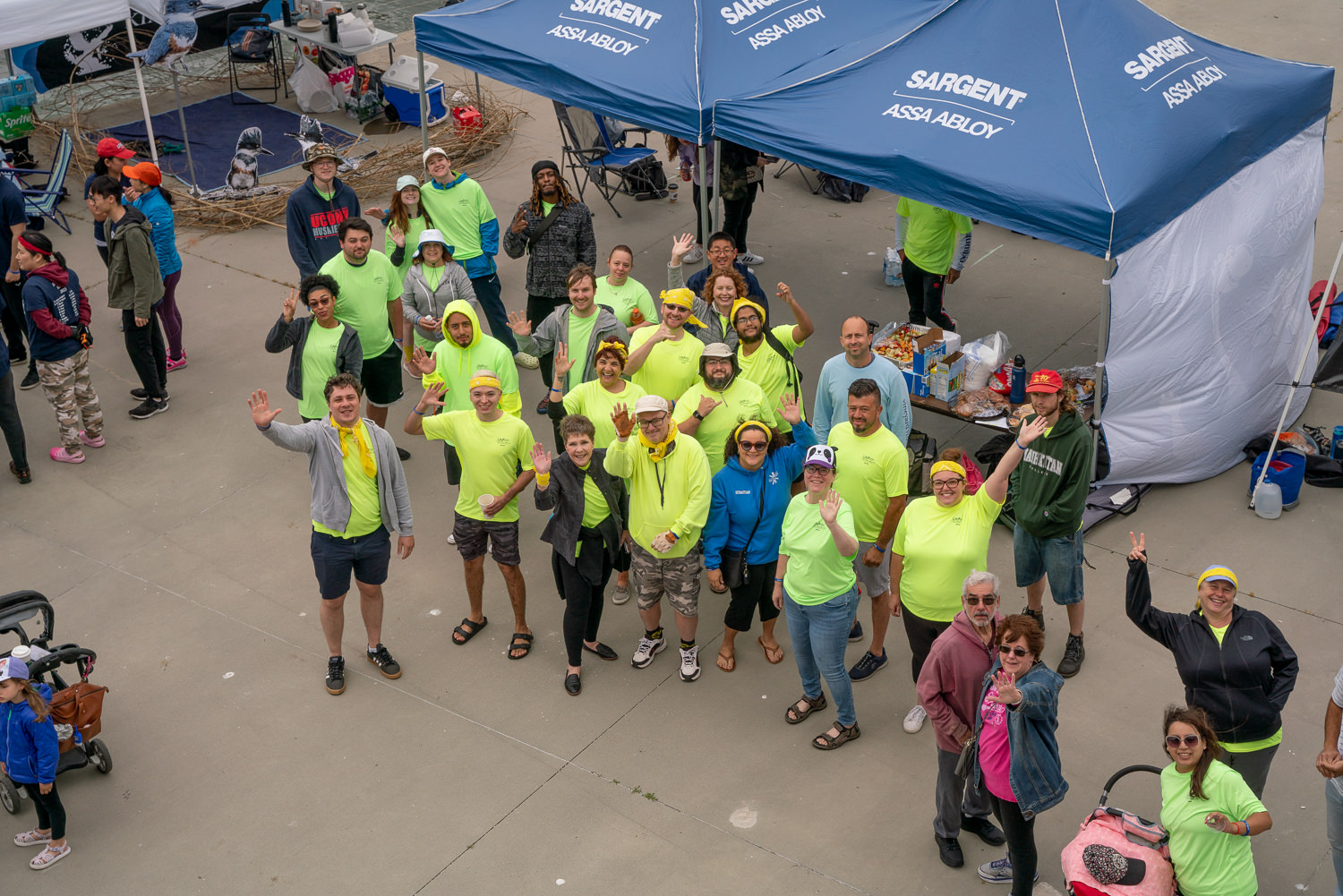
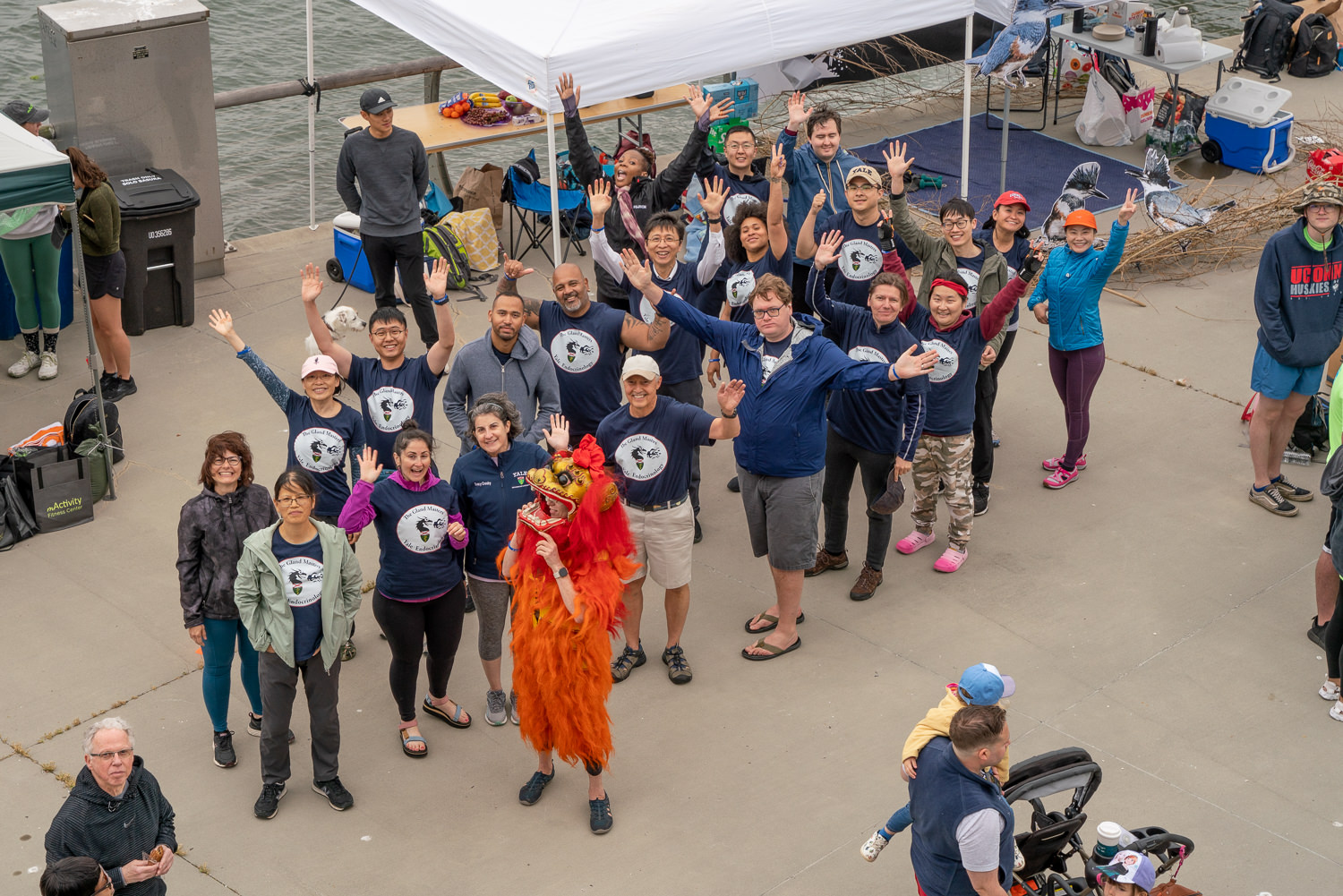
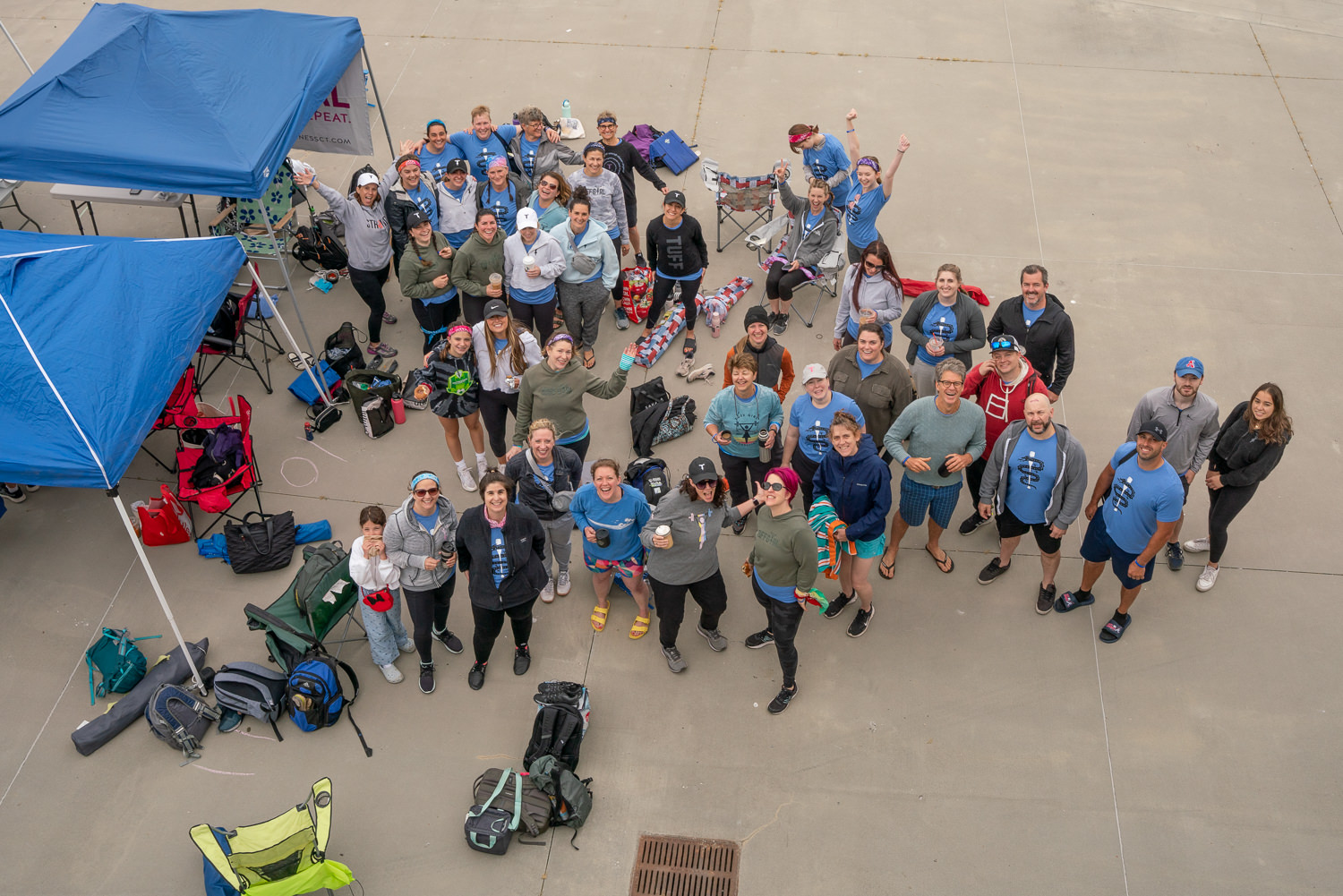
Thus year a dozen boats vied for the gold. Participants included two groups that have been with the event since its inception: Tuff Girls gym and ASSA ABLOY/Sargent. Each brought three teams this year. The Wheel Good Paddlers was made up of members of the New Haven Bicycle Club paired with public high school participants. The Glandmasters from Yale Endocrinology and Vespoli both re-entered the Regatta this year after a hiatus, and Griffin Hospital returned for a second year. Joining them were new teams from mActivity gym and Reed Hilderbrand Architects.
Race conditions were windy and the competition fierce, with only hundreds of a second separating some of the head to head challenges. In the end, Tuff Girls Fitness Boat 3 paddled their way to first place, dethroning the two year reigning champions, the Wheel Good Paddlers, who took third. Coming in second was ASSA ABLOY’s Orange boat.
Building on this year’s success, Canal Dock hopes to host 18 boats at the 2024 Dragon Boat Regatta, set for June 1, 2024. Additionally, they plan on introducing a men’s and women’s division, in addition to the existing co-ed division.
“The funding that Canal Dock receives from the Quinnipiac River Fund ensures that we are able to provide equitable access and services to area residents who would not otherwise be able to participate in activities on or around New Haven’s waterways. The ability to get out on the New Haven Harbor or Quinnipiac River can be a life changing experience. Because of the grant funding that we receive from the Quinnipiac River Fund, we are able to provide access to boating and paddling activities to hundreds of youth and adults residing in the greater New Haven area every year. We hold monthly Community Boating Days during the warmer months where individuals, many of whom have never been on the water in a boat, are able to paddle the harbor and experience the birds and marine life around them. All of our youth programs are
free for New Haven Public School Students and they provide exposure to Long Island Sound and the Quinnipiac River. We are so grateful for this grant as it has expanded our ability to provide equitable access and services to the entire community.” – Hollis Martens, Executive Director, Canal Dock Boathouse, Inc.
‘
‘
‘
‘
‘
‘
‘
‘
‘
‘
‘
‘
‘
‘
‘
‘
‘
‘
‘
‘
What makes oysters happy?
UCONN researcher studies oyster reefs in Quinnipiac River and Morris Creek
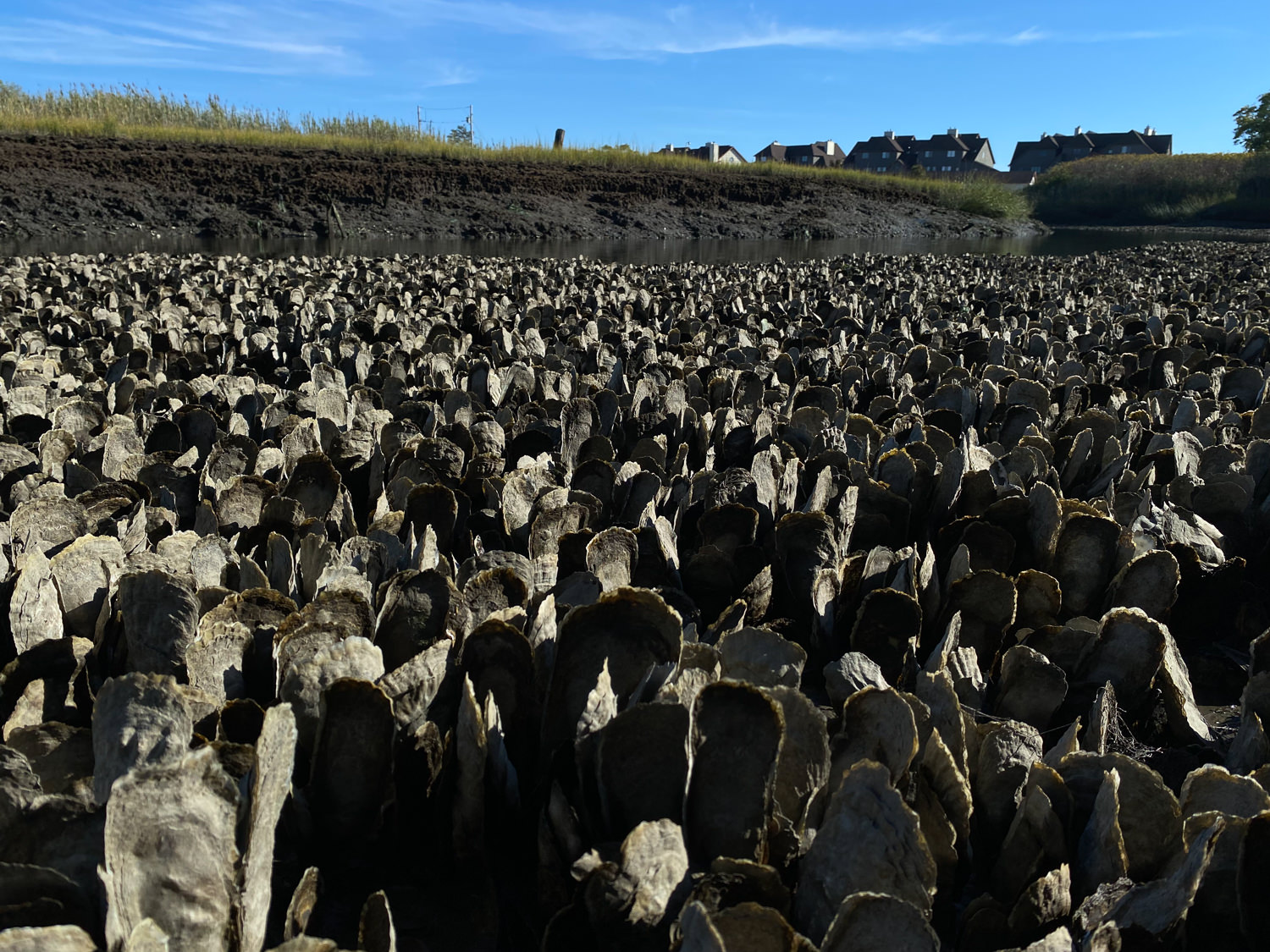
The creek was said to be dead. Industrialization and decades of pollution took its toll on many Connecticut rivers and tributaries, including Morris Creek which empties into New Haven harbor in Lighthouse Park. But when UCONN researcher Dr. Zofia Baumann visited the area in June 2016 to scout locations for mercury testing in fish and oysters, she discovered vibrant life normally hidden beneath the current. Clusters of thin, sharp oblong shells rose from the muddy creek bed. Zofia had read about such oyster reefs and seen them in environmental shows, but had never encountered them in nature.

Dr. Zofia Baumann found inspiration in the Morris Creek oyster reefs
The scene captivated Zofia and inspired her to learn more about eastern oysters, their history along the Connecticut coastline, and the parameters that help them thrive. With support from the Quinnipiac River Fund, Zofia launched a project to track to measure oyster size, reef density, as well as the water quality variations in oyster habitats, focusing specifically on Morris Creek and the Quinnipiac River.
“By studying where we know oysters are happy, we can help restoration efforts and hopefully continue to see a resurgence in the population of oysters and other marine life,” explained Zofia.
Zofia chose Morris Creek based on its ecology and current use. As a tidal creek, Morris Creek offers a welcome environment for oyster reef formation, including a mix of salt and fresh water; a muddy bottom, shelter from large waves and adjacent salt marshes which provide added protection and filtration. Additionally, the Creek offers protection from human disturbance because both commercial and recreational harvesting is prohibited by the Bureau of Aquaculture.
With more tributary rivers per linear coastline mile than any other region in the country, Connecticut offers an ideal environment for oysters to flourish. And indeed they have for centuries. Both abundant and accessible, oysters became a staple in the diet of shoreline indigenous people, and later a valuable source of food and trade for the European settlers in the area. As Connecticut oysters made their way to tables all over the world — including the plates of England’s royalty — their renown grew rapidly.
Consumed and harvested in great quantities, overfishing began depleting oyster beds and spurred the creation of laws regulating their taking. In 1762 New Haven made it illegal to take oysters during their summer spawning months and then, in 1766, the town outlawed dredging.
Increasing demand and dwindling oyster beds inspired a new era of oyster cultivation. In the 1820s, Connecticut oystermen began gathering free-swimming larvae and planting them on artificial beds made of oyster shells where, in 18 – 24 months, they grew into maturity.
By the end of the century, oyster farming in Connecticut peaked with more than 15 million bushels in a single year, but soon faced bigger challenges. As industry and shoreline development increased, heavy metals and raw sewage drained into the waterways at unregulated and alarming rates.
As filter feeders, oysters consume phytoplankton or algae by filtering water in and over their gills. Some adult oysters can filter up to 50 gallons of water a day, providing a valuable environmental service to their habitat. While most unwanted indigestibles leave the oysters in feces, if pollution levels are high, these hard-working shellfish can carry dangerous toxins that can be passed on to humans when eaten.
In 1892, after 29 college students became infected with Typhoid, investigation revealed that all had consumed oysters grown at the mouth of the Quinnipiac, in proximity to a house with two known cases of the fever, and sewage pipes that drained directly into the river. Later, in the mid 1920s, oysters took the blame for another Typhoid outbreak. The bad press, combined with economic depressions, had a quick and drastic impact on the oyster industry. Within a few decades, the oyster industry in Long Island Sound had declined more than 97 percent, producing a mere 40,000 bushels a year.
In 1967, Connecticut’s Clean Water Act brought new hope for the bivalve mollusks. As sewage regulations began to restore water quality, oyster growers sought to revive oyster populations by depositing clean oyster shells on old oyster grounds in estuaries and rivers where oysters once thrived.
Decades later, such cultivation continues to contribute to oyster’s resurgence. Despite a drastic setback in the late 1990s, when a water temperature spike bloomed naturally occurring parasites that destroyed 80 – 90 percent of the state’s oysters, Connecticut is on its way to reclaim its former oyster fame, a benefit to the environment and foodies alike.
Leading the charge in New Haven and Fairfield County is Copps Island Oysters, a fourth-generation, family-owned shellfish farm. Copps Island leases rights to acclaimed oyster grounds throughout Long Island Sound, as well as many historically oyster rich rivers, such as the Quinnipiac. Committed to protecting Connecticut’s waters and helping once defunct oyster habitats thrive, Copps Island proactively invests in areas where harvesting is still prohibited such as Morris Creek. In July 2012, the company laid clean shells in the Creek, which catalyzed the reef’s re-propagation.
Though oysters are now plentiful in Morris Creek, harvesting there remains prohibited due to the unavailability of current sanitary surveys or the potential of pollution sources that could cause a public health risk.
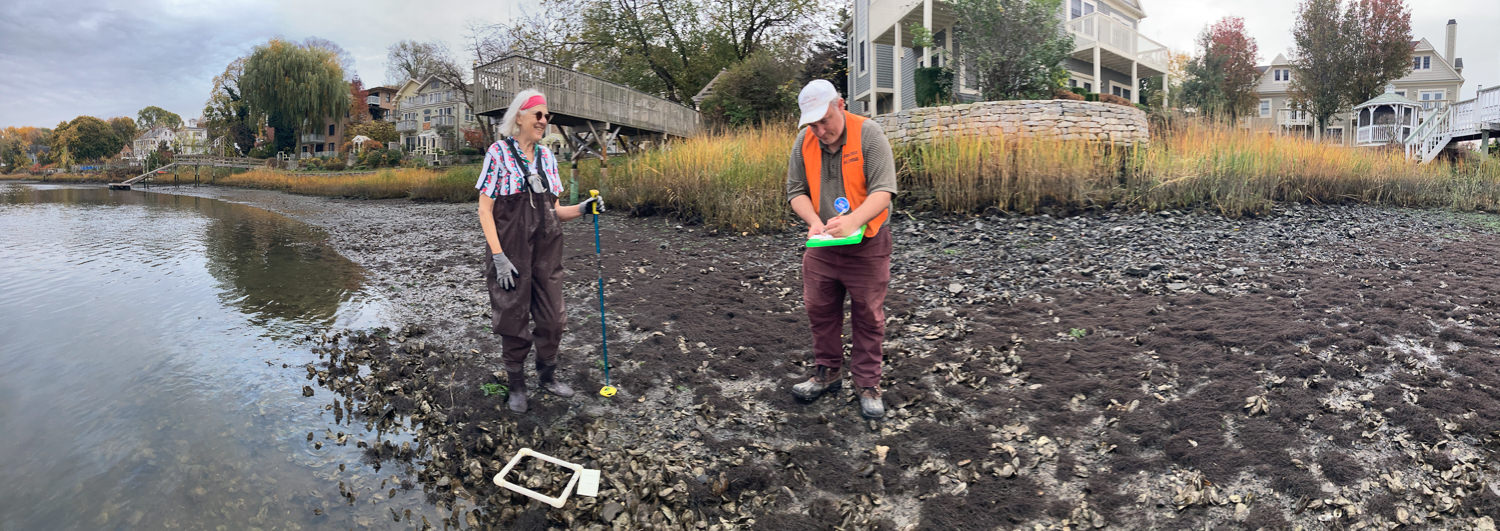
Lynn Bonnett and Aaron Goode of the New Haven Bioregional group assess quantity and sizes of living and dead oysters in Quinnipiac’s intertidal zone
Zofia knew that successfully monitoring Morris Creek oyster health was not a one-woman job. She enlisted the support of many collaborators including Dr. Mary Beth Decker, research scientist from Yale School of the Environment; Lynne Bonnett from New Haven Bioregional Group; and Richard Harris, retired scientist with Copps Island Oysters.
Zofia installed water quality data loggers in both Morris Creek and the Quinnipiac to obtain continual measurement of water salinity, oxygen, pH, temperature and water levels. With this data, she is creating a metrics table to document what the oysters experience.
In addition to monitoring, another of Zofia’s project goals was to create public awareness and involvement. To do this, she invited local community members, volunteers and students to Morris Creek — where the oysters are more accessible — to participate in measuring and tracking oyster density, mortality and the presence of juvenile oysters, called spat, in the reef.
On a beautiful Thursday afternoon in October, 16 helpers joined Zofia at the creekside. Donning waders and calipers, they counted and recorded oyster quantity, location and size. The volunteers included 11 students from Sound School’s after school environmental justice program, environmentally-minded citizens, and local neighbors like Barry and Debbie Flynn, who live nearby the creek and came out to lend a hand.
“When our kids were young, we did field trips and a lot of exploring in this area,” Debbie said. “Now our daughter is a marine biologist.”
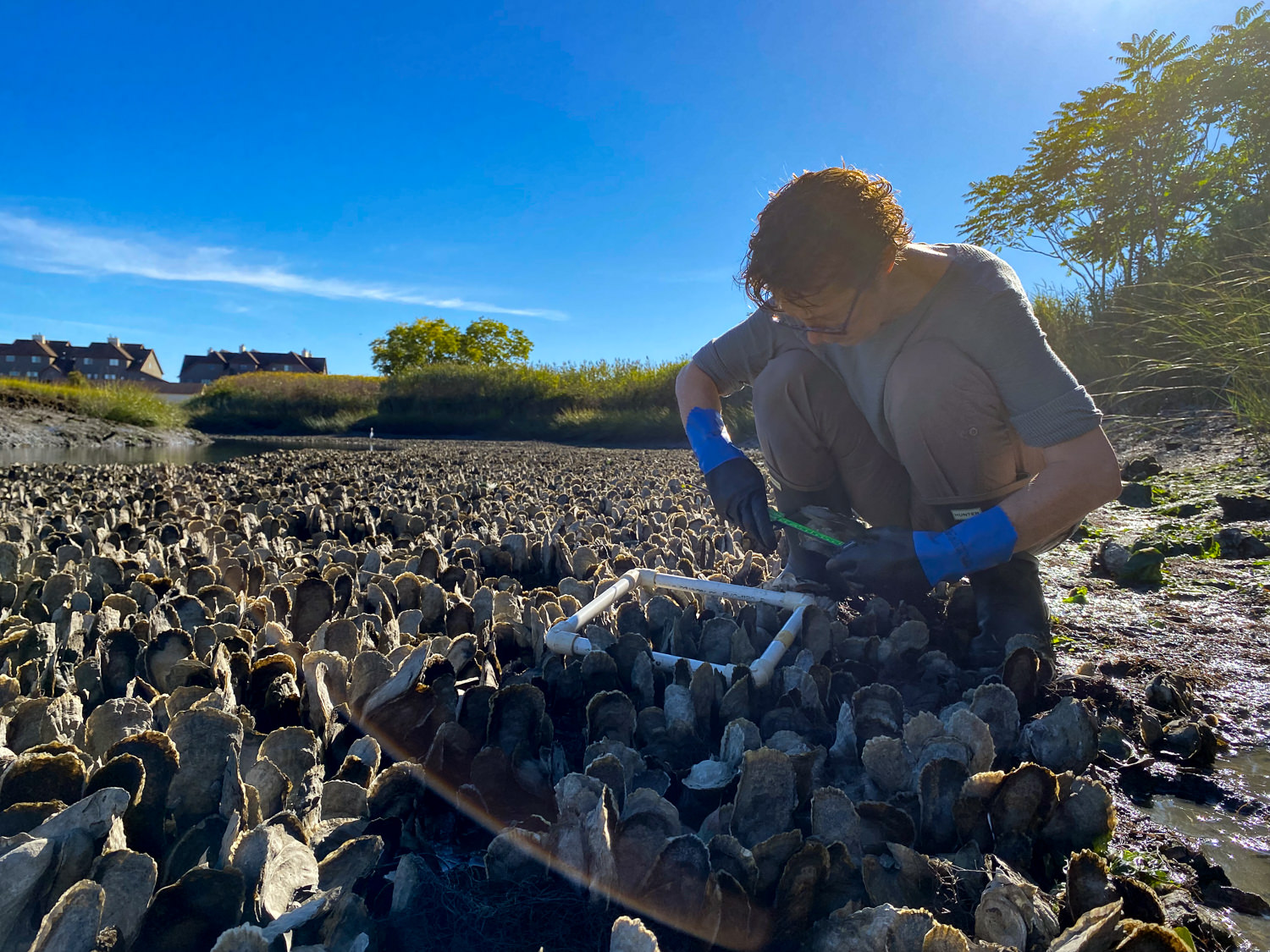
Debbie Flynn measures Morris Creek oyster density with calipers and Quadra
In November, more volunteers joined Zofia for monitoring and measuring on the banks of the Quinnipiac. And for Zofia, the sight of all these intrepid collaborators, trekking through the mud at Morris Creek or gathering on the banks of the Quinnipiac, is perhaps as thrilling as the sight of the reef’s themselves.
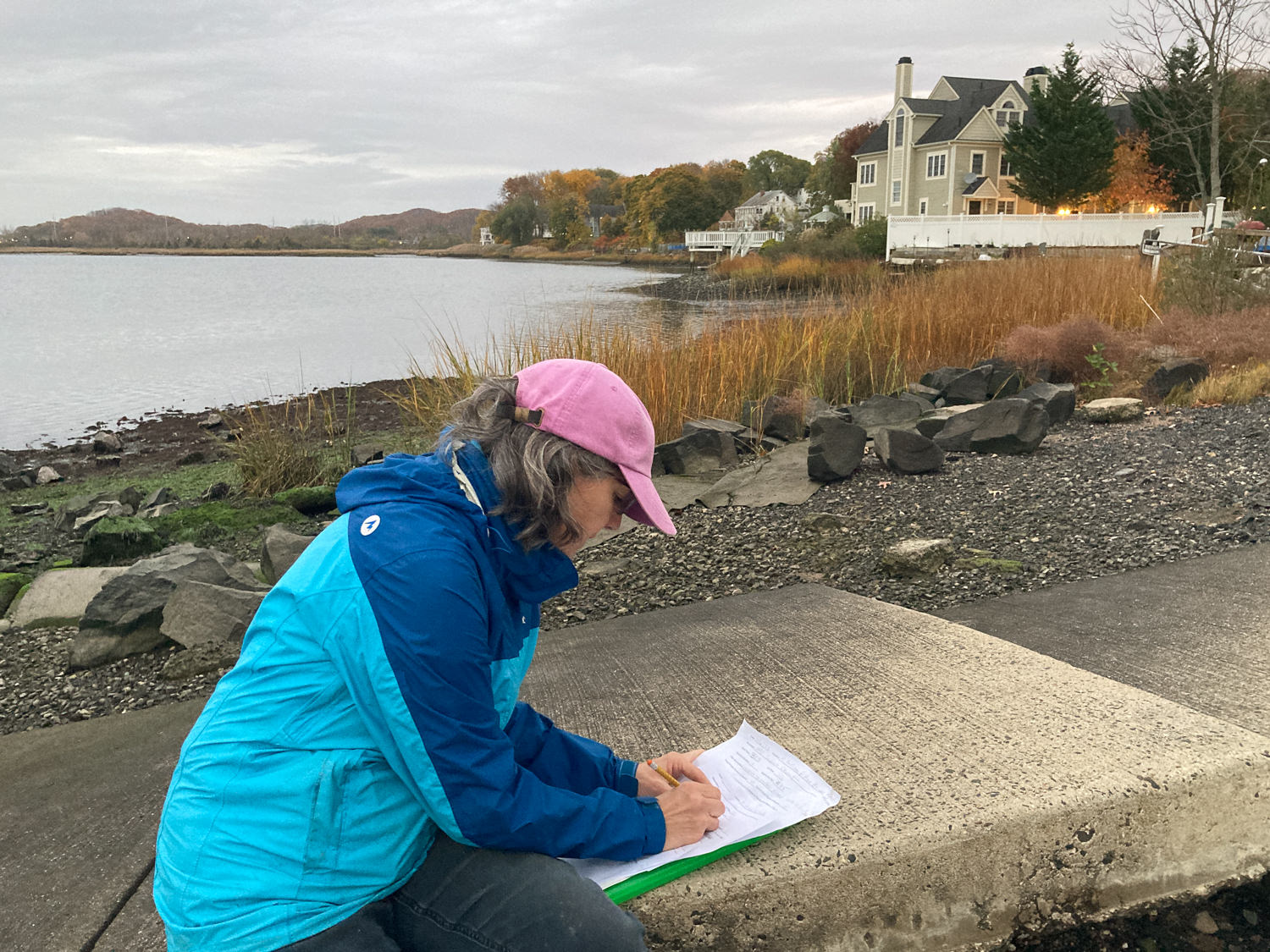
Dr. Mary Beth Decker from Yale reviews oyster data sheets at the Quinnipiac River boat launch on Clifton Street.
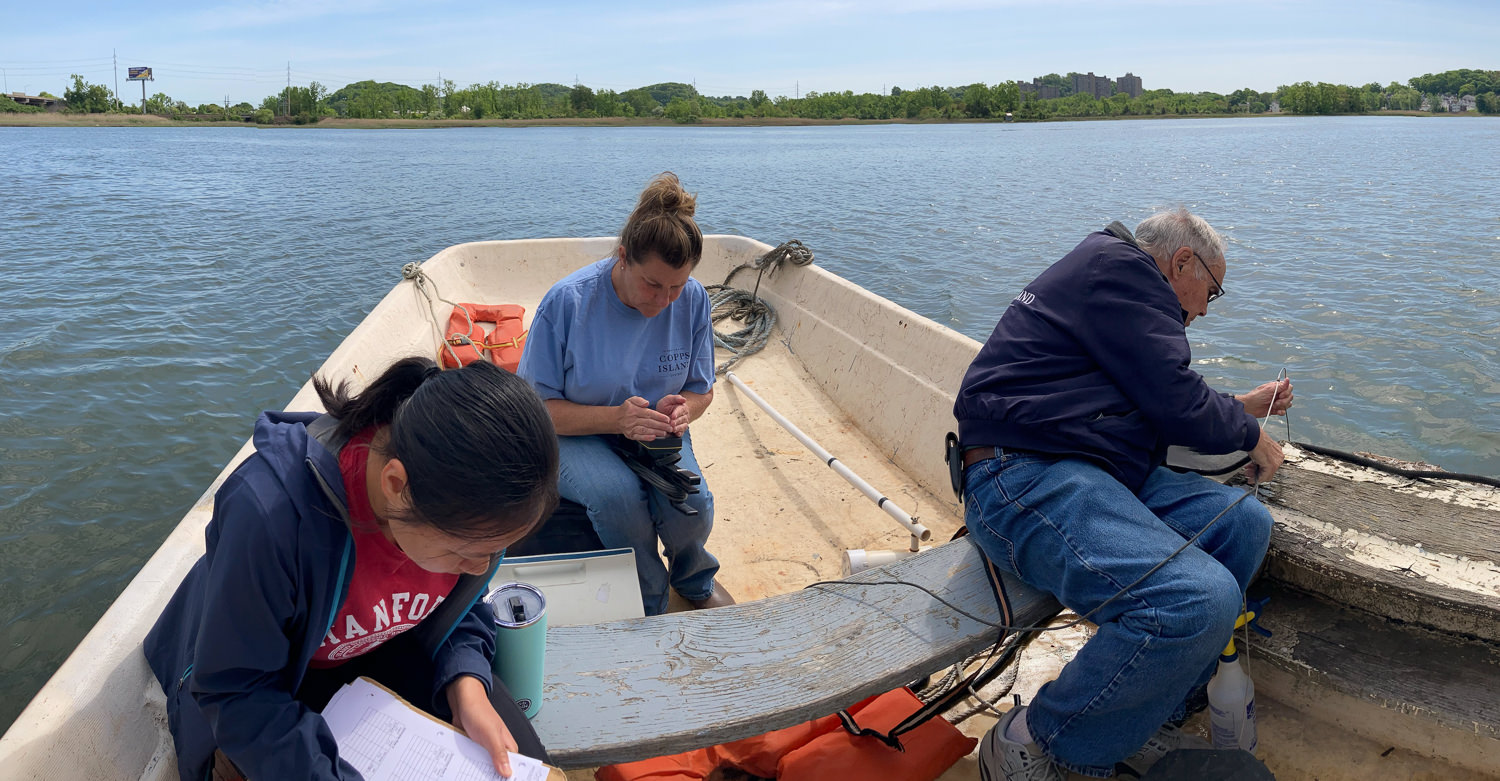
Richard Harris and Christine Griffith from Copps Island Oysters work with Jessica Li, a student from Weston High School, to monitor water quality on the Quinnipiac River.
“To improve environmental issues anywhere, you can’t just rely on the scientific community. We are a limited workforce. We need everyone’s engagement,” Zofia explained. “Once you start doing this work, you feel more connected, you begin caring about the place, and become a better more powerful advocate.”
Leveraging the support of Quinnipiac River Fund, Zofia plans to continue and expand her research with additional grants and partnerships.
Click here for more information on regulations for oyster harvesting and other shellfish.
https://shellfish.uconn.edu/wp-content/uploads/sites/62/2022/06/CTSRG_June9.pdf