Keeping Up With the Garbagians

Source to Sound clean-up clears more than a ton of trash from Q River watershed

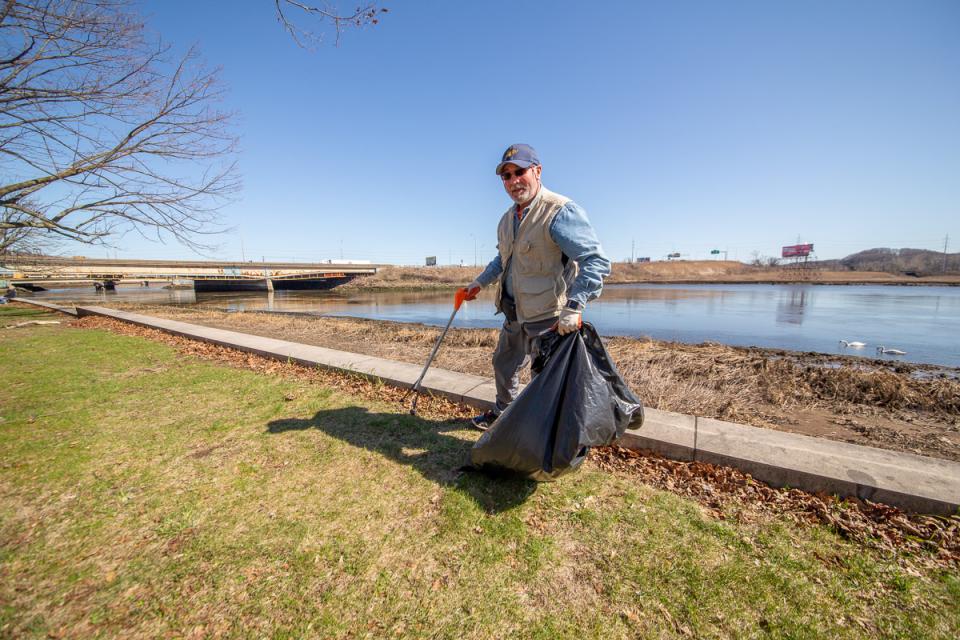
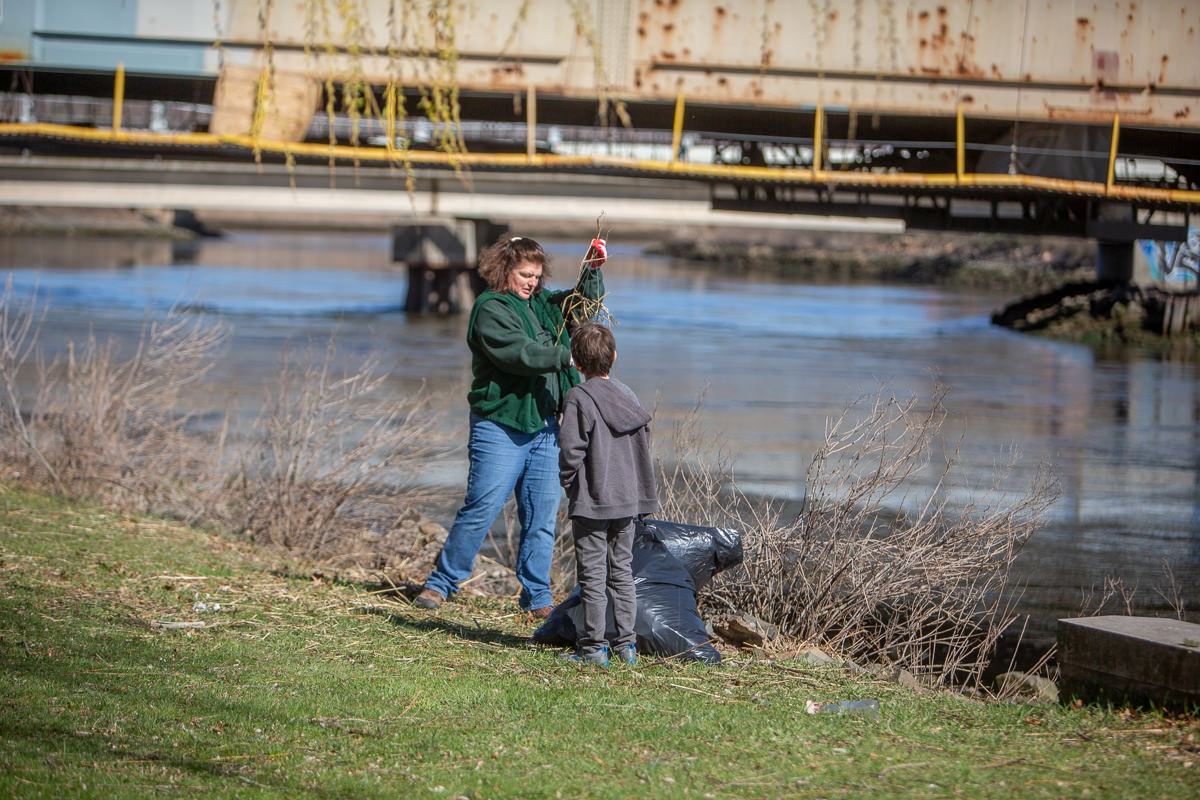
For more than four years, Bob Diamond has been grabbing gloves and garbage bags and joining QRWA for its semiannual Source to Sound clean up along the Quinnipiac River. He calls himself “the bobsessive de-litterer.” His task at hand, “keeping up with the garbagians.”

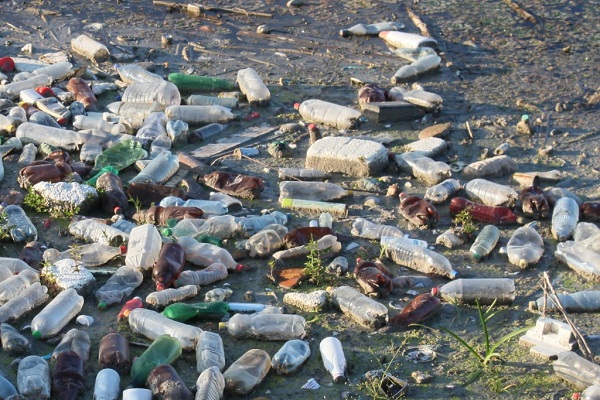
For the Quinnipiac River watershed and other natural resources in highly-developed areas, the so-called “garbagians” come in many forms, from the heedless litterer hocking candy wrappers and soda cans out car window to the illegal dumper depositing old tires, radiators or couches in the woods.

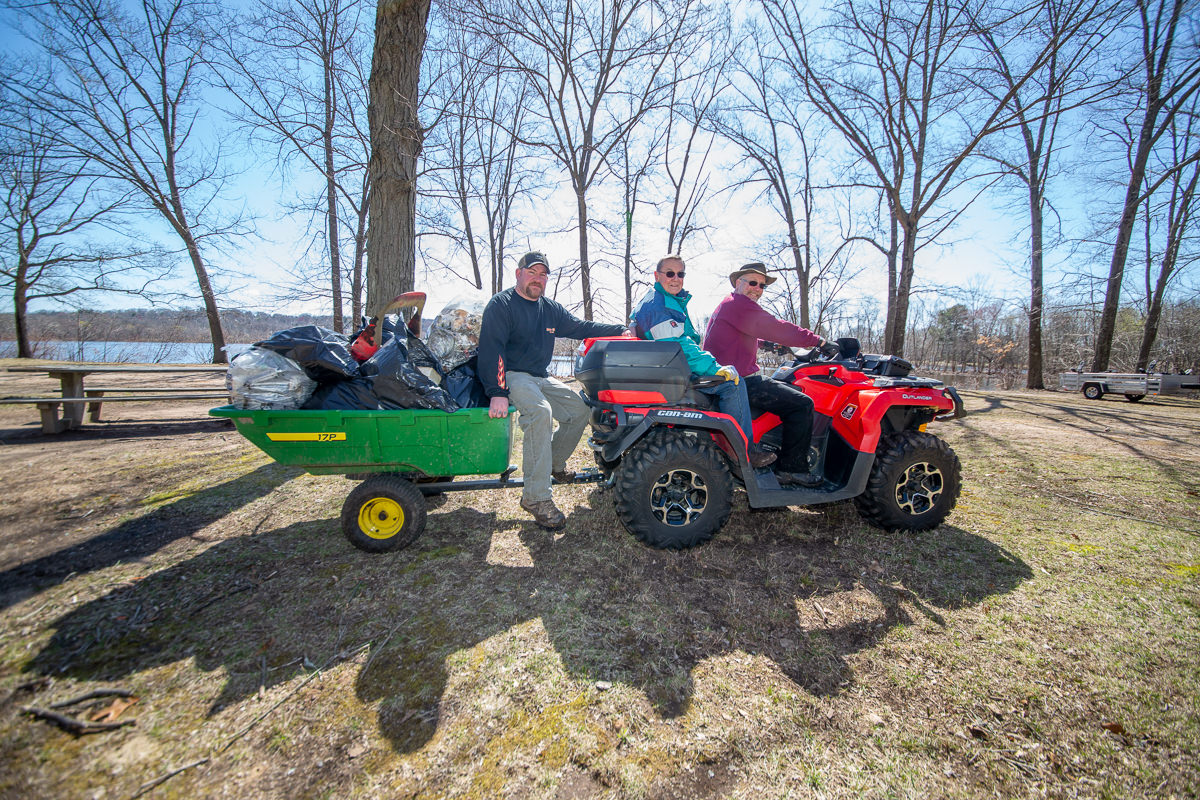
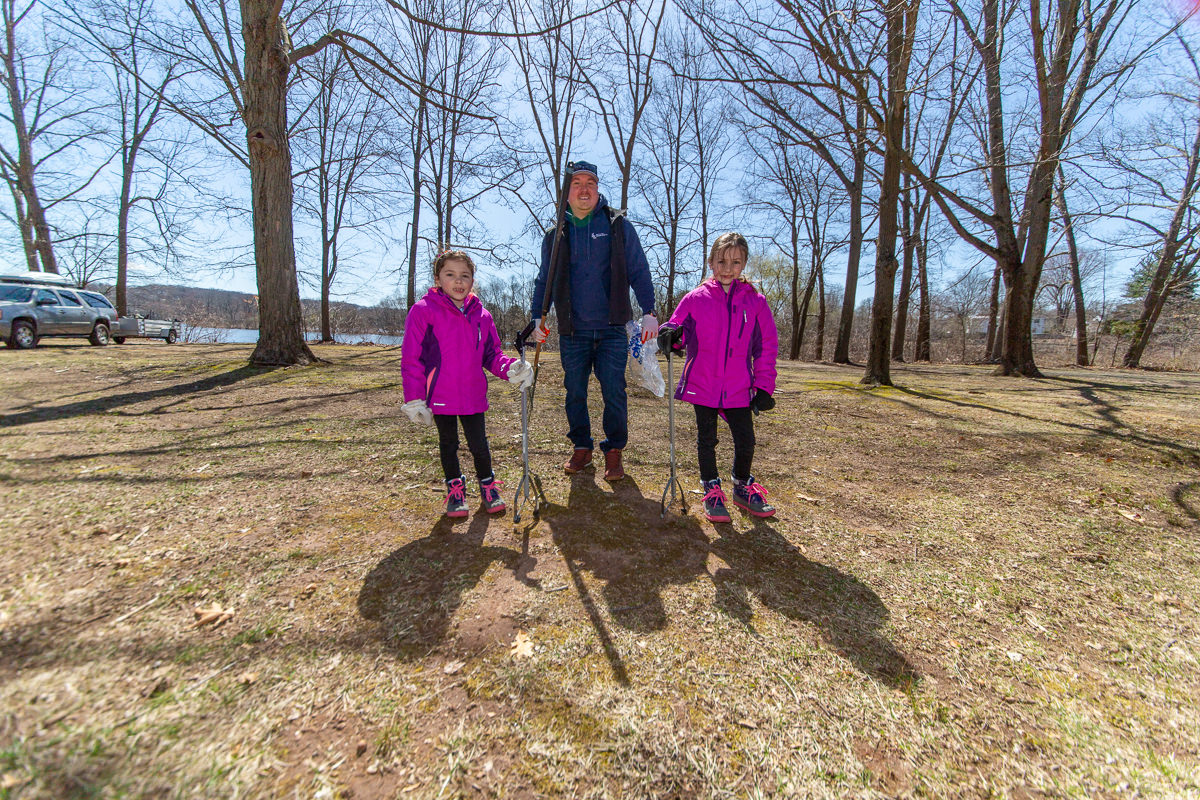
For nearly 40 years, QRWA cleanups have helped remove the flood of rubbish that besets the Quinnipiac River and its tributaries. This year, the event spanned five locations in five towns — Meriden, New Haven, Cheshire, Wallingford and Plainville — where more than 100 volunteers pulled, picked and dragged more than 3000 pounds of garbage from bushes, banks, trails and beaches.

Volunteers included local families from each town, dozens of students from Plainville High School, as well as community businesses and organizations such as the Quinnipiac River Marina, the Meriden Motorcycle Club and Jovek Manufacturing, with the latter two contributing ATVS to transport the garbage from the trails.

“It’s a way for people to get their hands on the problem, which keeps it on their mind,” says David James, QRWA president. But, he explains, the problem itself is much bigger than what can be bagged and hauled out. Quinnipiac’s water quality continues to be an issue. While there have been strides made in reducing point source pollution from active industrial discharge, the watershed still suffers degradation from non-point sources like impervious surfaces (pavement), agricultural runoff, lawns and storm systems.

“Nature longs to heal itself and will in time,” David says.  “And with some human TLC that day can be hastened.” To hasten the day, David adds that policies and public education are essential. “People need to realize that it is critical that our environment is healthy. This should be headline news. Unless we start to make some progress in regards to ethics, we’ll still be doing this in 50 years.”

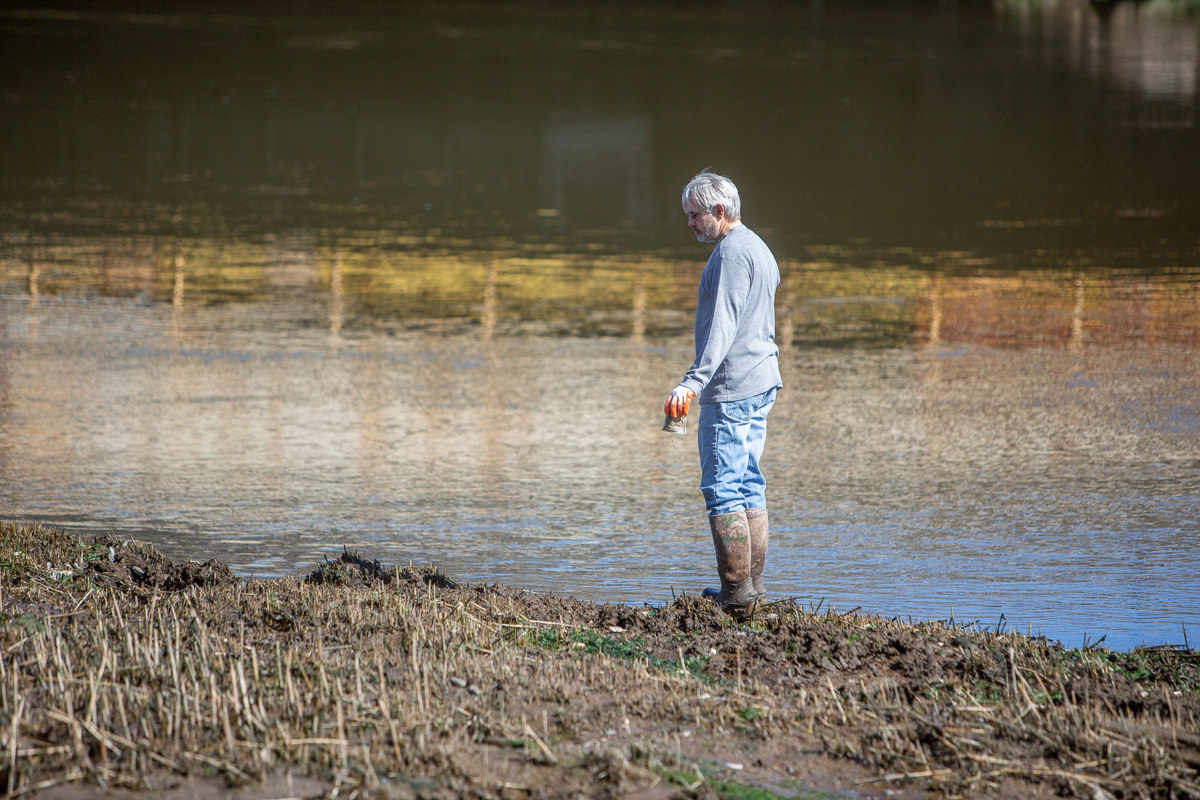
In line with the Federal Clean Water Act of 1972, the long-term goal is to see the Quinnipiac more capable of supporting more recreation and measured consumption, but in the meantime, QRWA and a revolving army of concerned citizens will continue to fight the garbagians. Ongoing efforts include these semi-annual cleanups and other initiatives of the newly-formed Quinnipiac River Cleanup committee led by husband and wife team Shianne and Tim Cutler, both of whom serve on the QRWA board. In addition to coordinating the multi-town reach of the clean up events, the committee is ready in any season to don boots or waders and respond to reports of trash in the river.

“We’ve gone out for everything from a playground slide to bunches of bottles in the water,” Shianne explains. The Cutlers live in Meriden but are committed to responding to issues anywhere on the river.  To report a clean up concern, e-mail qrivercleanup@att.net.
An Urban Oasis

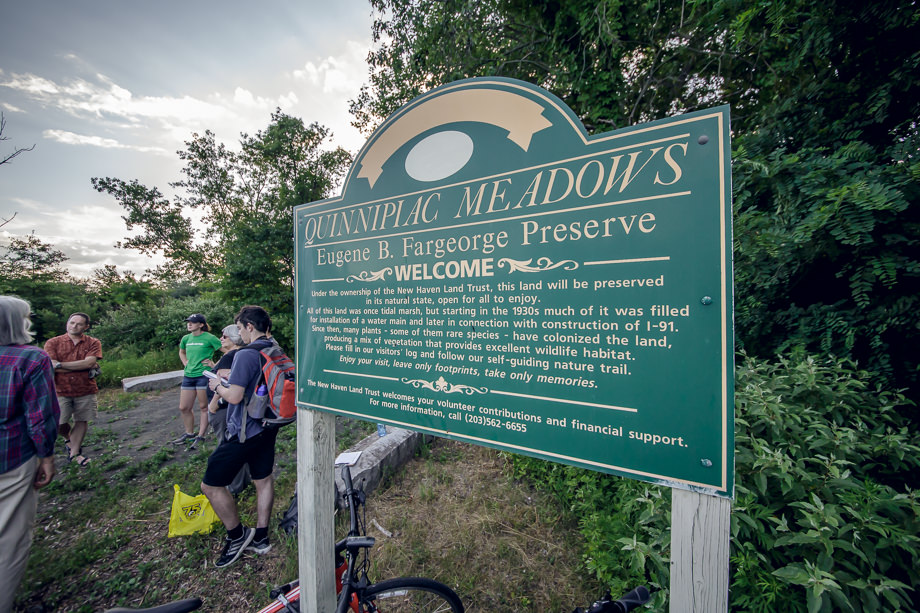
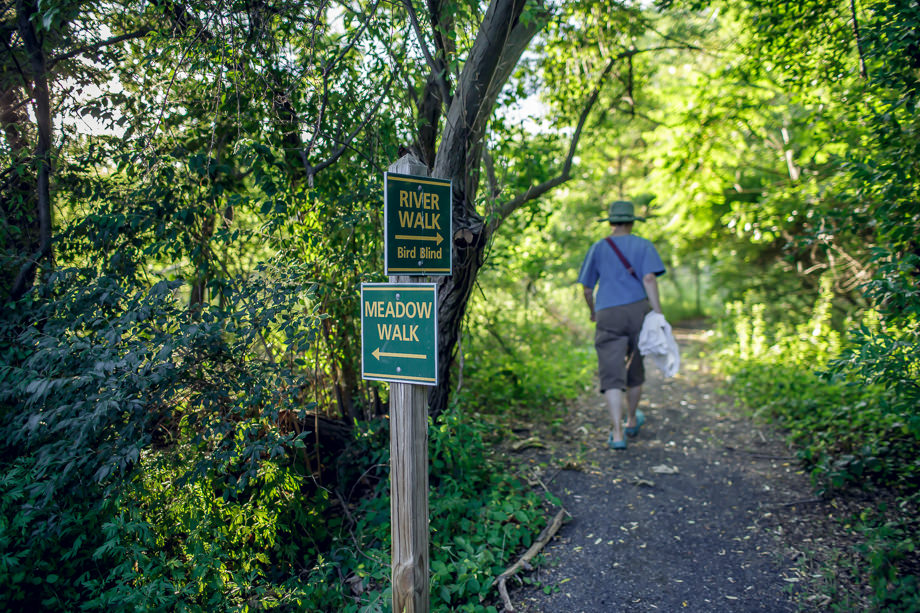
During summer, you are almost guaranteed to see an osprey on a walk through the 35-acre Quinnipiac Meadows preserve. And if you’re really lucky, you might spot a Diamond Back Terrapin, a threatened species of turtle that lives in brackish waters along the east coast. But even if you don’t,   you can learn about them and other creatures living in the preserve from the newly installed signs posted along the two loop trails.

The culmination of a yearlong project between the New Haven Land Trust and the Yale Peabody Museum, the signs provide visitors with an overview of the history, ecology, wildlife, and terrain of the preserve. They were funded in part with a grant from The Quinnipiac River Fund.

Winding its way through eastern red cedars, shadbush, and other native plants and grasses, the trails offer sweeping views of the Quinnipiac River and coastal marshland. Artfully placed benches made out of stone slabs found scattered on the site by previous owners have been constructed by local resident Chris Ozyck.

“What I love most is having this peaceful natural area so close to the city,” says Land Trust Operations Manager Lauren Bisio – Operations Manager.

Location: 1040 Quinnipiac Ave. Preserve entrance is near the Amtrak railroad bridge. Park in front of the gate and walk in through pedestrian entrance on the left side of gate.

Something Fishy

The New Haven Land Trust is perhaps best known for managing 44 community gardens throughout New Haven and 6 coastal land preserves. Yet it also has an active events calendar with topics ranging from workshops on gardening to presentations on history and ecology.

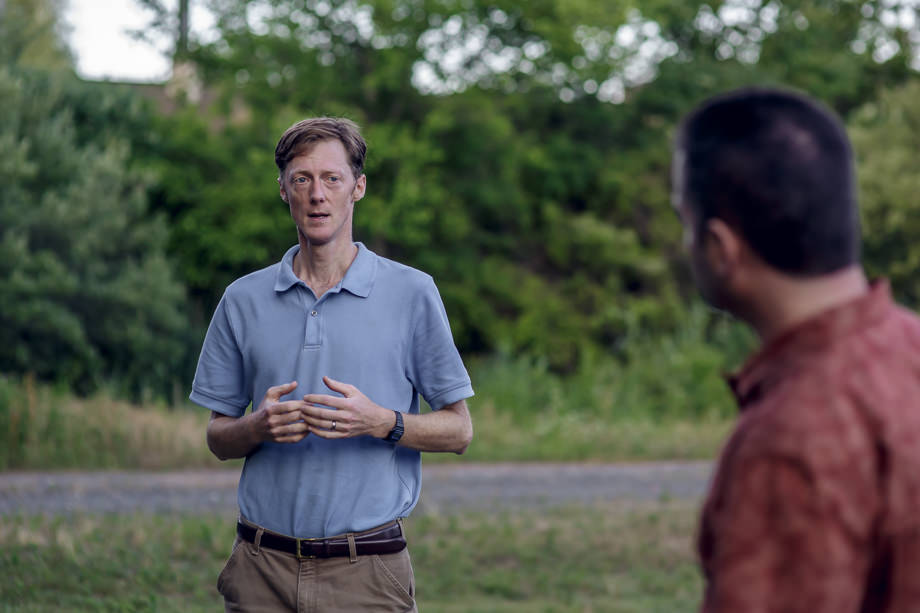
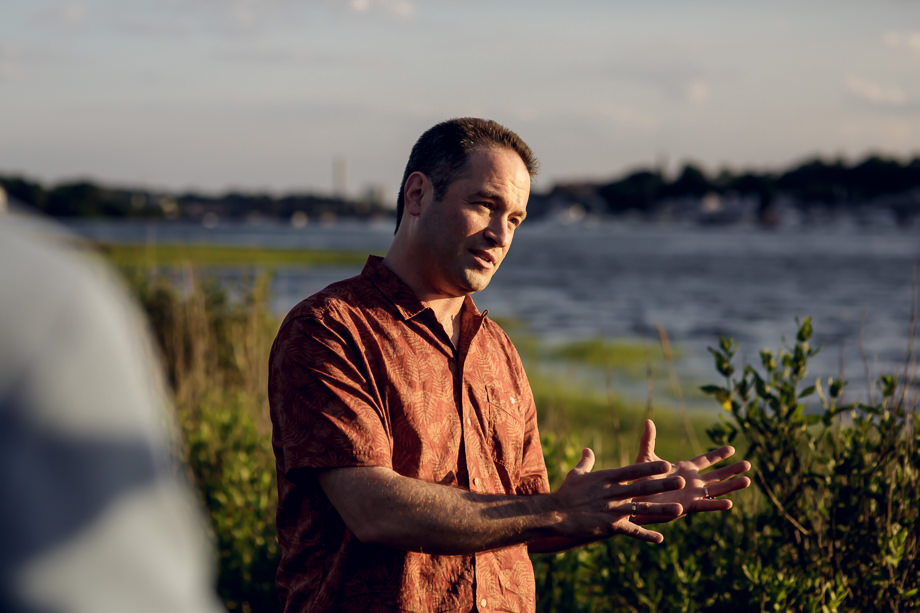
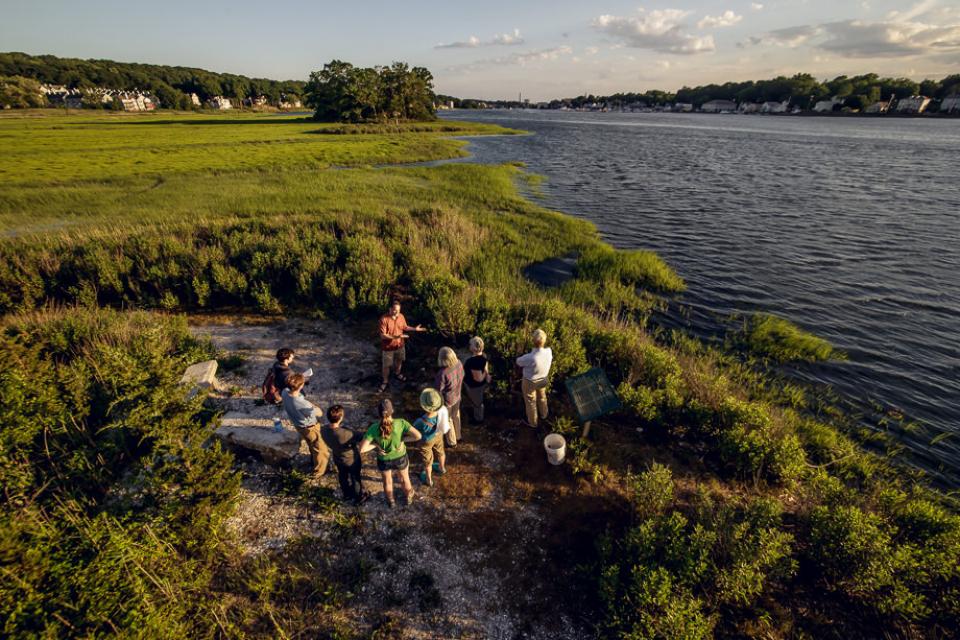
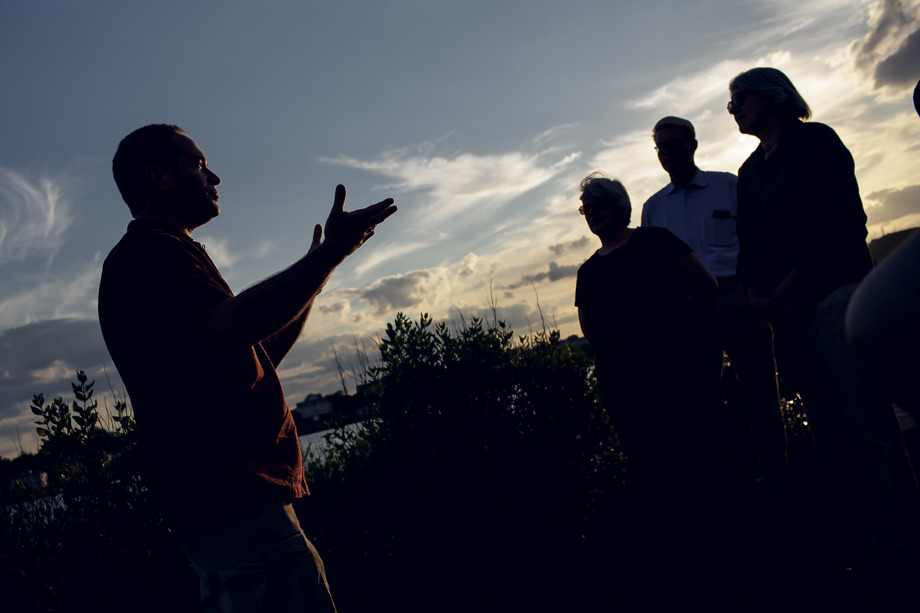
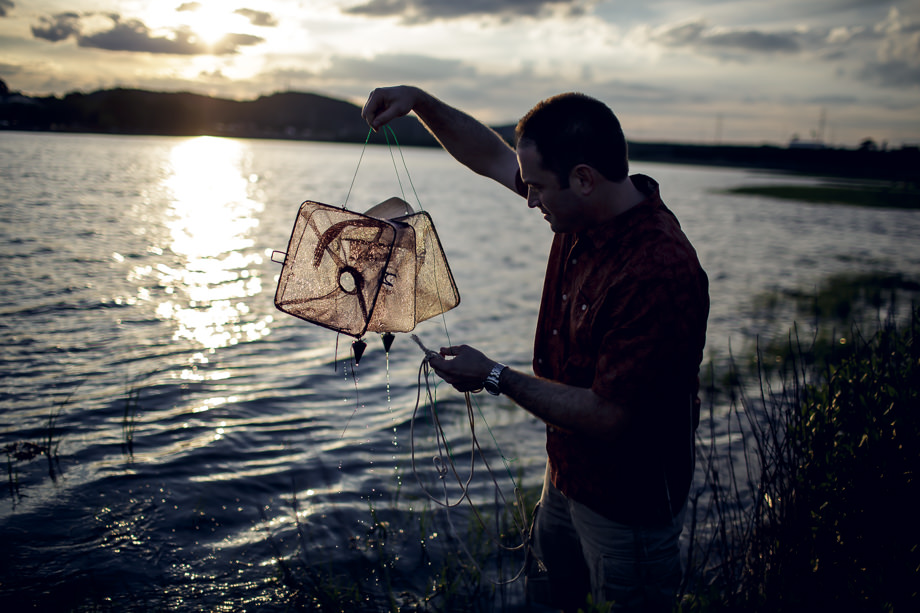
University of New Haven Professor of Marine Biology John Kelly’s recent talk at Quinnipiac Meadows described the health of the fish population. Kelly studies the small mummichog fish in order to trace one of the primary threats facing the river’s fish population chemicals that are contained in pesticides and fertilizers, among other everyday products.

According to Kelly, endocrine disruptors destablize the hormones of male fish, leading to gender changes that can upset the population balance. Presently, Kelly has found that the fish in the Quinnipiac River appear unaffected by the chemical.

“Professor Kelly’s presentation gave participants in the walk a much better sense of how research is conducted to determine what potential human impacts may influence the health of the Quinnipiac River. What’s particularly interesting is just how much the health of the Quinnipiac River has improved in recent years – thanks in large part to improved environmental regulation and monitoring and scientific research. The phenomenon of the health of the Quinnipic River improving is supported by Professor Kelly’s research that indicates that endocrine disruptors don’t appear to be in high enough concentration in the Q River to negatively impact several fish species that he studies.”

The New Haven Land Trust holds educational and outdoor events regularly throughout the year. Visit their calendar for more information.

Both the University of New Haven’s research on the Quinnipiac River and the New Haven Land Trust are grant recipients of the Quinnipiac River Fund, a fund at The Community Foundation for Greater New Haven.

In addition to hosting other educational events at Quinnipiac Meadows this summer, the New Haven Land Trust is also working on installing new educational signs in the preserve and improving the preserve’s walking trails.

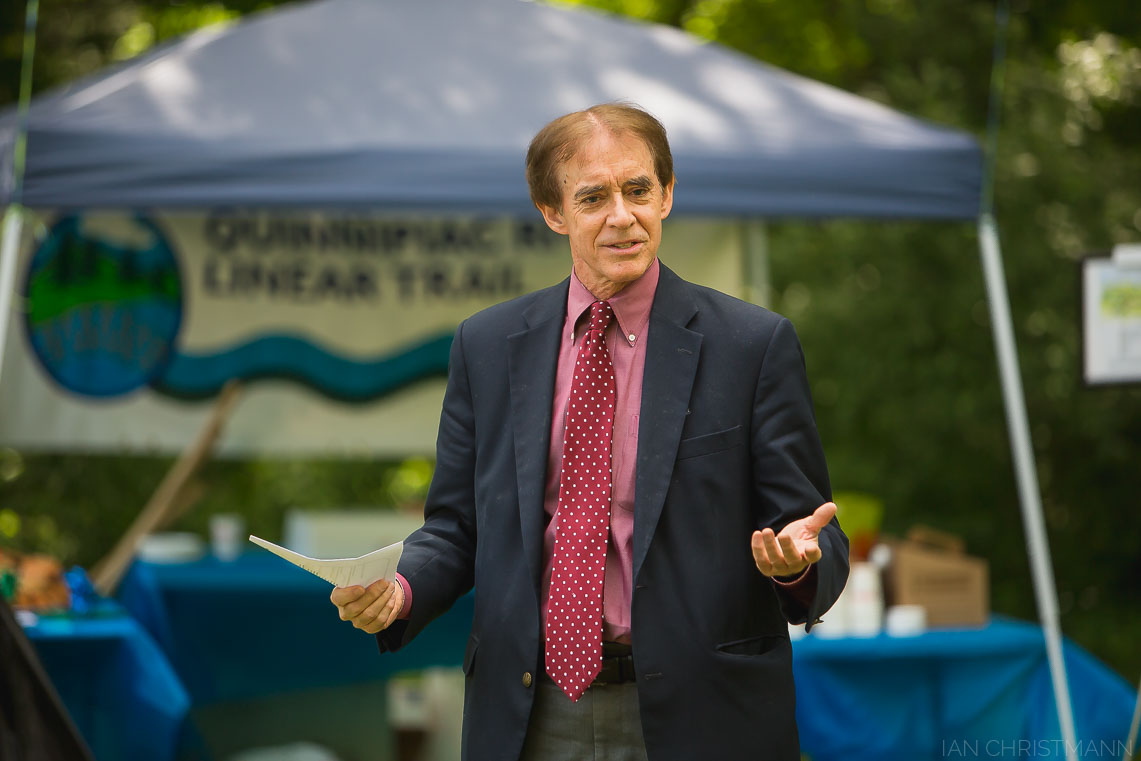
Photo Credit: Ian Christmann

Mud Minnow Is Safe — For Now

NEW HAVEN INDEPENDENT — It lives in a river with a history of abuse and pollution. It swims in waters filled with hard-to-filter chemicals. Despite that discouraging environment, an expert told a riverine gathering, the male mummichog is in OK shape, for the time being.

Annual Awards To Improve The Health and Enjoyment Of The Quinnipiac River Top $117,000

New Haven, CT (March 28, 2016) – The Community Foundation for Greater New Haven is pleased to announce that $117,700 in grants has been awarded from the Quinnipiac River Fund to support 8 programs that study and restore the river and surrounding ecosystem, provide education and improve recreational access.

The River flows 40 miles from west of New Britain southward to Plainville, Southington, west of Meriden, Cheshire, through Wallingford, Yalesville, North Haven and into New Haven Harbor.

“The Quinnipiac River historically had many industries on its banks that discharged their waste, metals and chemicals into it, so it is now taking much effort to get the river clean once again,” said Nancy Alderman, chair of the Quinnipiac River Fund’s advisory committee. “The grants for this year will once again contribute to the ongoing work of restoring the river’s health.”

Grants and distributions from the Quinnipiac River Fund are recommended each Spring by the advisory committee consisting of Alderman, President of Environment and Human Health, Inc.,  Gordon Geballe, Associate Dean of the Yale School of Forestry and Environmental Studies, and Roman Zajac, Professor, Department Chair of the University of New Haven’s Department of Biology & Environmental Science. Committee recommendations are brought to The Community Foundation’s Board of Directors for approval. Since being established in 1990, the Fund has distributed $2 million in grants.


2016 Quinnipiac River Fund Grants 
Organization Description Total Amount Awarded
New Haven Land Trust Inc. to support educational programming, improving trail and sign infrastructure, and organizing volunteer events at Quinnipiac Meadows/Eugene B. Fargeorge Nature Preserve and Long Wharf Nature Preserve as well as  land acquisition work at Quinnipiac Meadows Nature Preserve. $15,000
Quinnipiac River Linear Trail Advisory Committee to support the purchase of additional benches along Phase III of the trail which will add 1.25 miles to Fireworks Island as well as graphic art designs for the informational sign to showcase history, natural history, and location information. $5,000
Quinnipiac University to support the study of  plasticizers and other chemical pollutants from industrial point sources in Wallingford and North Haven with an emphasis on the pollutant’s impact to indigenous fish populations in the Quinnipiac River. $24,000
River Advocates of Greater New Haven to support Lunch and Learn sessions for municipal department of public works crews in the lower Quinnipiac watershed for best practices in stormwater pollution prevention; enforcement of public access at an abandoned, neglected Quinnipiac River site at Lowe’s on Route 80 in New Haven; education of phosphorus control; and monitoring of pollution and diversion permits. $20,000
University of New Haven to support the study of several sites along the Quinnipiac River to determine whether endocrine disruptors are present and then trace their source. $11,500
University of New Haven to support the study of  benthic algae to detect seasonal variation in species composition, as well as testing copper content in situ algal samples and conducting mesocosm copper uptake experiments to test the bioremediation potential of various algal species. $12,000
Yale University to support the study of sediment accretion and elevation change in the Quinnipiac marshes, and for a wildlife-exclusion experiment to test the hypothesis that herbivory is preventing vegetation from recolonizing mudflat areas. $13,500
Yale University to support the study of the risk of runoff from artificial turf fields into the Quinnipiac River’s watershed.

$16,700

The Quinnipiac River Fund is a component fund of The Community Foundation for Greater New Haven. It was established in 1990 by a court settlement of litigation between the Connecticut Fund for the Environment, the Natural Resource Defense Council and the Upjohn Company concerning wastewater discharges from Upjohn’s plant in North Haven.  The settling parties agreed that distributions from the Fund were to be used “to improve the environmental quality of the Quinnipiac River and the New Haven Harbor and the watersheds of these water bodies, and otherwise to benefit the environment of these resources.”

Thanks to the generosity of three generations of donors, The Community Foundation for Greater New Haven awarded over $30 million in grants and distributions in 2015 from charitable assets of more than $500 million and composed of hundreds of individually named funds. In addition to its grantmaking, The Community Foundation helps build a stronger community by taking measures to improve student achievement, create healthy families in New Haven, promote local philanthropy through www.giveGreater.org® and The Great Give®, and encourage better understanding of the region. The Community Foundation for Greater New Haven’s 20 town service area includes: Ansonia, Bethany, Branford, Cheshire, Derby, East Haven, Guilford, Hamden, Madison, Milford, New Haven, North Branford, North Haven, Orange, Oxford, Seymour, Shelton, Wallingford, West Haven and Woodbridge. For more information, visit www.cfgnh.org or follow The Foundation on Facebook (www.facebook.org/cfgnh) and Twitter (www.twitter.com/cfgnh).

###

Media Contact
Tricia Caldwell
Director of Communications
203-777-7090
tcaldwell@cfgnh.org

Pollution Busters Hit the Q

Estrogen, fertilizers, plastic and heavy metals may kill entire species of fish in the Quinnipiac River—and limit humans’ dinner and recreation options. Unless four University of New Haven researchers succeed in sounding the alarm.

The four UNH researchers are testing the levels of a few pollutants along various sites of the 38-mile river, to find their sources and inform policy to reduce them.

Read the story in the New Haven Independent.

Solar Youth Trip to the Quinnipiac River Watershed Association

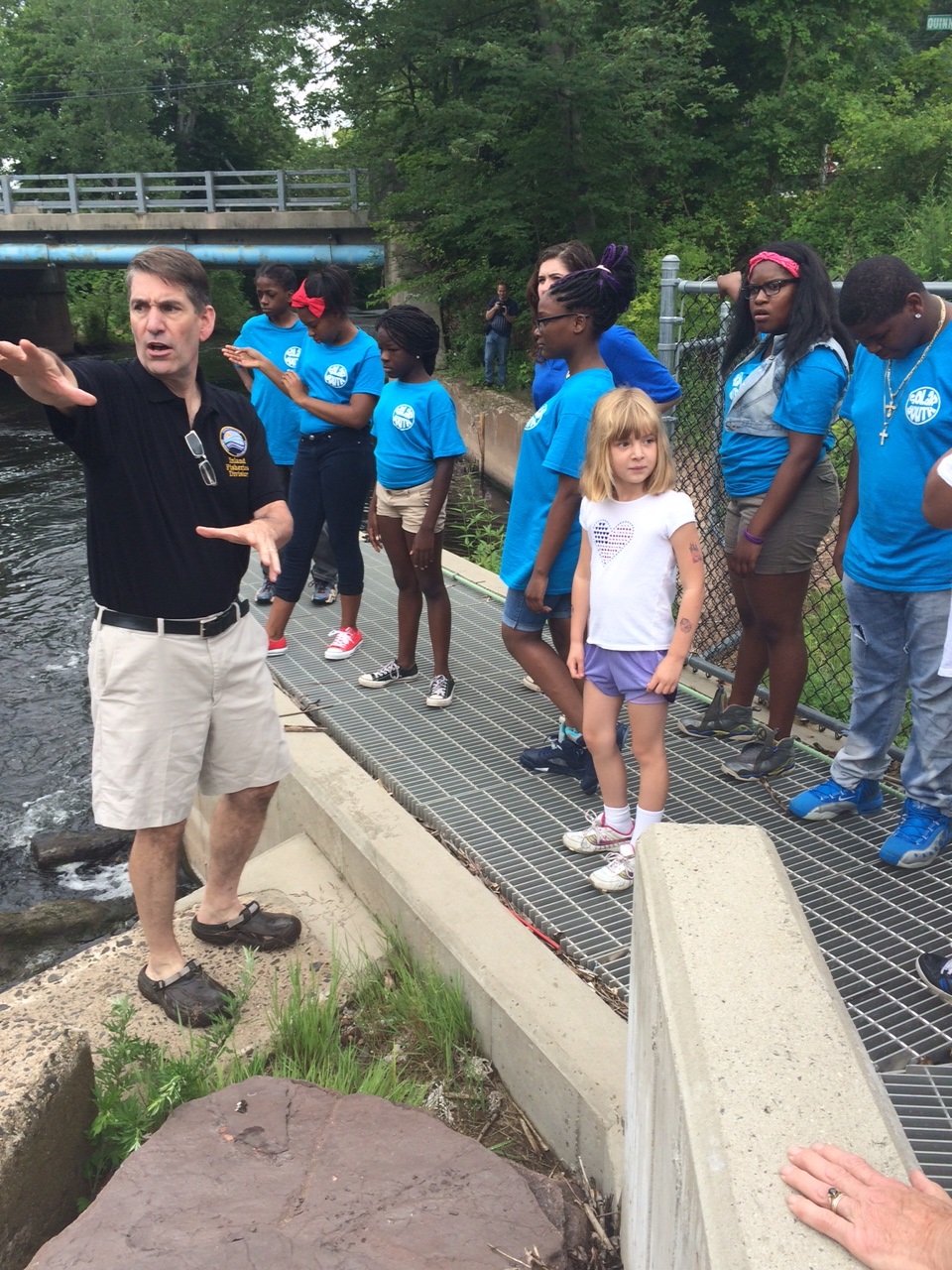
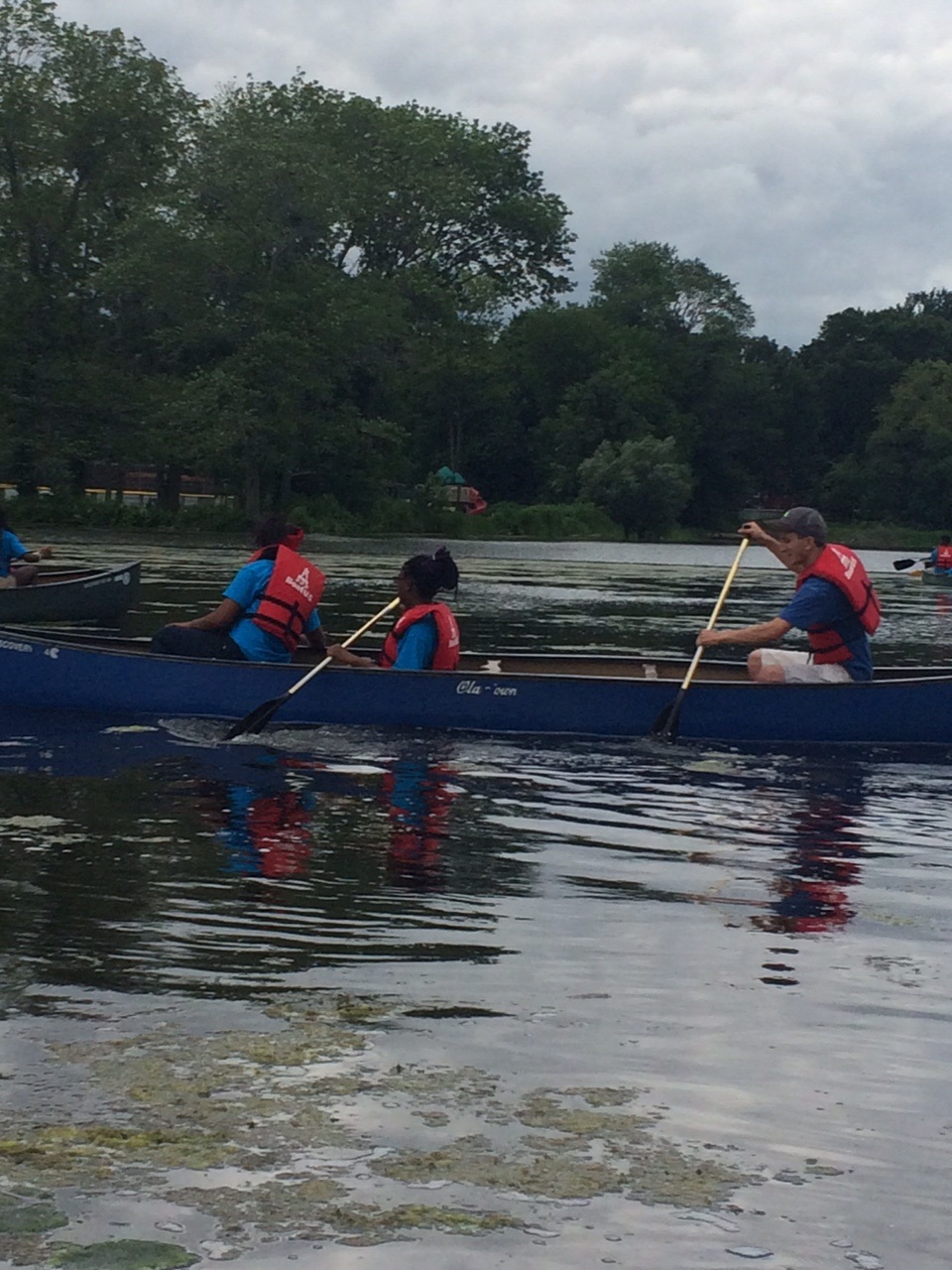
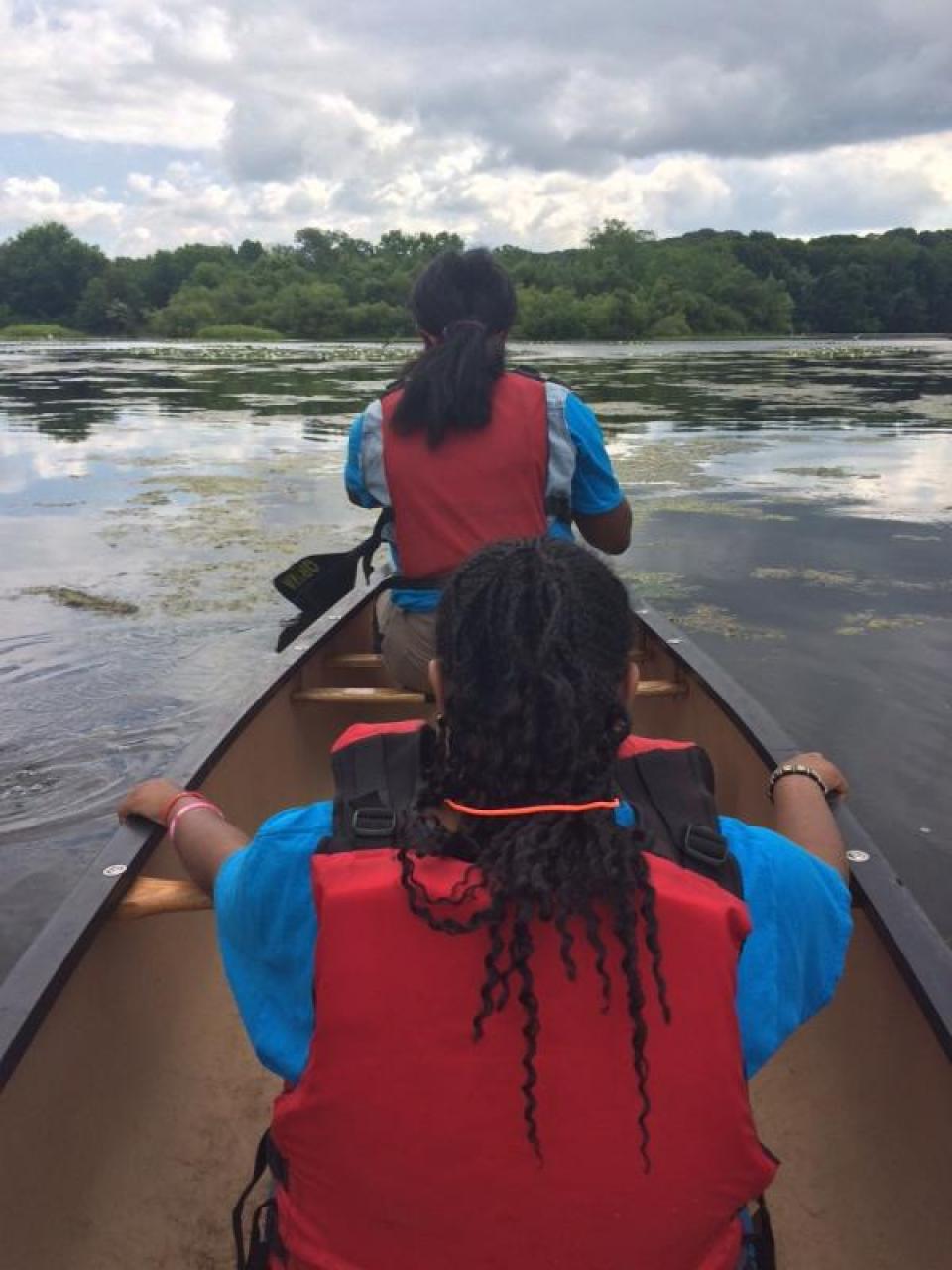
Young stewards from Solar Youth, the New Haven-based youth empowerment program, traveled to the Quinnipiac River Watershed Association for a river adventure. First stop: the Wallace dam for an overview of the river and its ecology.

The group then went to the QRWA headquarters and met with staff-volunteer Ginny Chirsky and other volunteers ready to take them out on the river. They paddled onto Hanover Pond to explore the ecosystem. They saw herons, egrets, hawks and other birds as well as turtles and insects.They met to discuss human impacts on the watershed and how they could be good stewards of the environment.

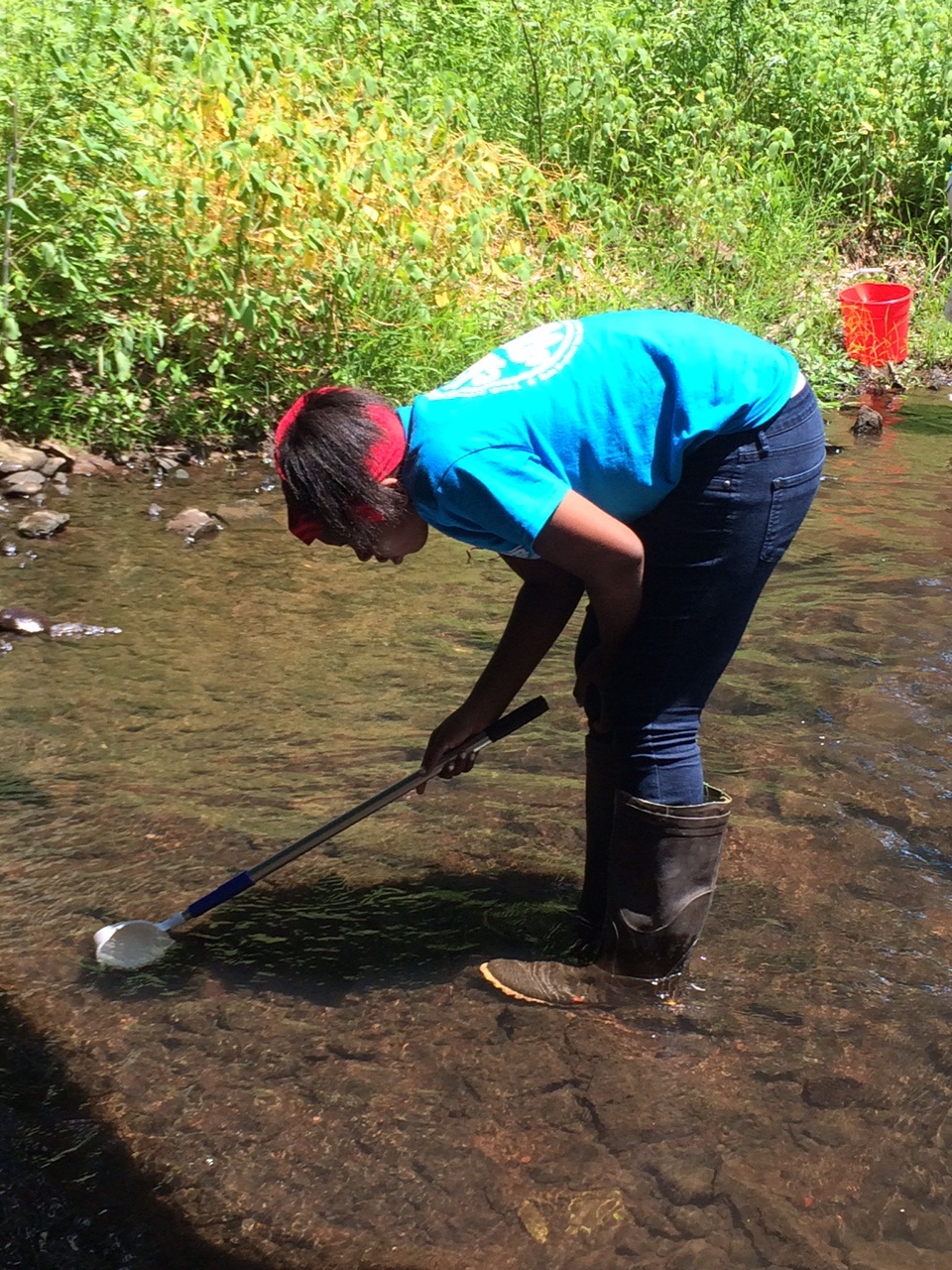
Next, they put on mud boots and waders and headed to a stream feeding into the pond to search for insects and larvae and other creatures

The day concluded with a discussion of how different organisms indicate the health of the stream. They brought specimens back to the lab for a closer look.

Phase III Quinnipiac River Trail Groundbreaking

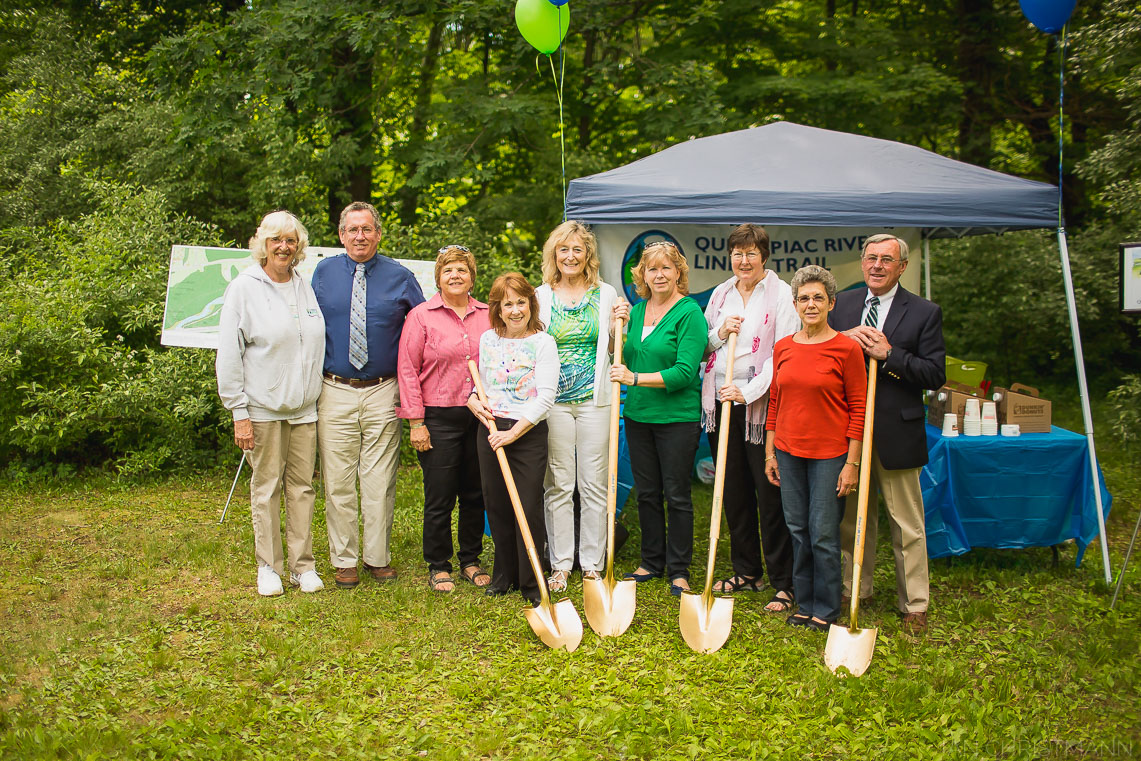
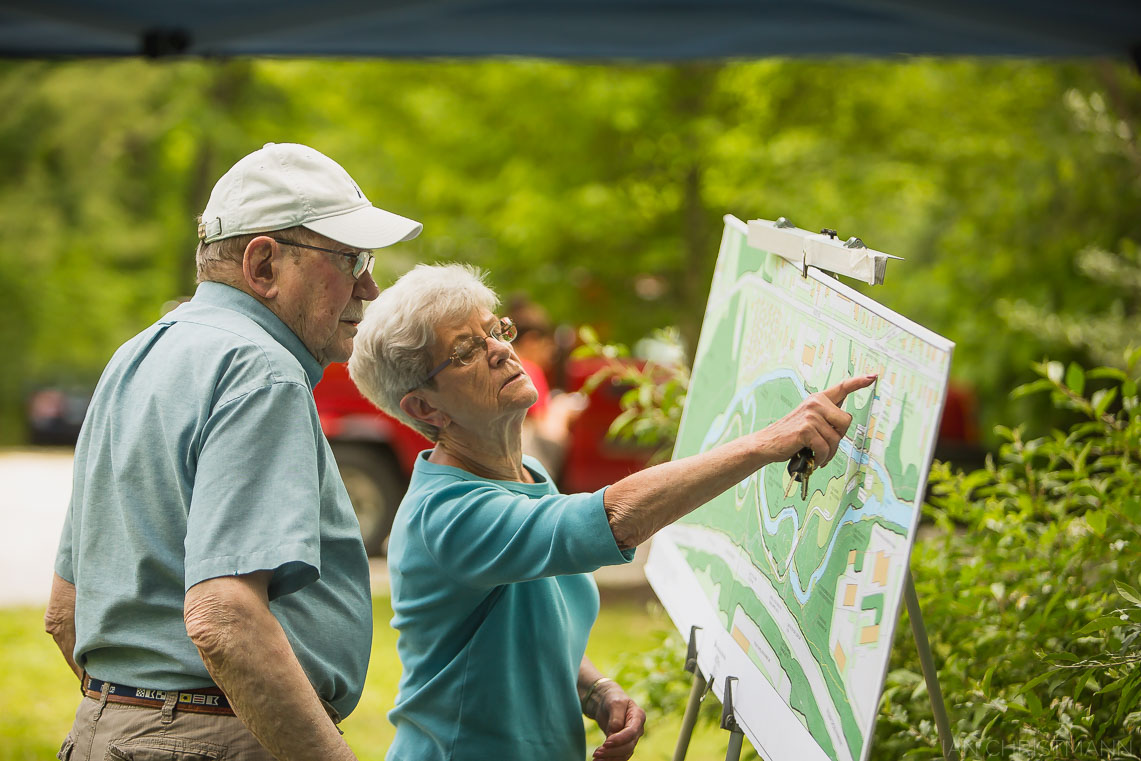
After more than a decade of waiting, work has finally begun on the Fireworks Island leg of the Quinnipiac River Linear Trail in Wallingford. An official groundbreaking ceremony was held on June 5 to honor the work of local volunteers, city officials, and funders of the project. Now that permits are in place, construction will commence on the section that will connect downtown Yalesville to the completed trail along Community Lake. When finished, the entire trail will stretch from border North Haven to Meriden.

Planning for the project, known as Phase III, began in 1998 with the first of multiple grants from the Quinnipiac River Fund at The Community Foundation for Greater New Haven.

“The Foundation was the first to believe in us. That first grant was enough to make it a real project and attract other funding sources,” said Mary Mushinsky, co-chair of the Quinnipiac River Linear Trail Advisory Committee.

Various delays turned the project into an odyssey. The completed hydrology studies and engineering designs had to be redone after an endangered plant, false mermaid weed, was discovered at the location of the planned bridge crossing.

Trail planners encountered a second roadblock when the Yalesville on the Green condominiums refused to allow pedestrians to walk over the existing bridge to the state-owned Fireworks Island property. In October 2014, the state awarded a $150,000 grant to construct a separate 208-foot pedestrian bridge. The total cost of the third phase is expected to be $2.8 million.

Now that permits are in place, work is set to proceed this summer.

“We never gave up,” Mushinsky said.

Wallingford Mayor William Dickinson, Jr

Quinnipiac River Linear Trail Advisory Committee

Wallingford Town Engineer John P. Thompson

Advisory Committee Co-chairs Cathy Granucci and Mary Mushinsky, and Treasurer Elaine Doherty

Photos by Ian Christmann

2015 Grant Awards

Grants Support Research into the Sources and Effects of River Contaminants, an Anti-Pollution Public Education Campaign, and the Continued Development of a Recreational Trail along the River’s Edge.

New Haven, CT (May 28, 2015) – The Community Foundation for Greater New Haven is pleased to announce that $99,900 in grants has been awarded from the Quinnipiac River Fund to support 9 programs that study the river and surrounding ecosystem, educate the public and improve recreational access. The River flows 40 miles from west of New Britain southward to Plainville, Southington, west of Meriden, Cheshire, through Wallingford, Yalesville, North Haven and into New Haven Harbor.

Grants and distributions from the Quinnipiac River Fund are recommended each Spring by an Advisory Committee consisting of Nancy Alderman, President of Environment and Human Health, Gordon Geballe, Associate Dean of the Yale School of Forestry and Environmental Studies, and Roman Zajac, Professor, Department Chair of the University of New Haven’s Department of Biology & Environmental Science. Committee recommendations are brought to The Community Foundation’s Board of Directors for approval. Since being established in 1990, the Fund has distributed more than $1.9 million in grants.


2015 Quinnipiac River Fund Grants 
Organization Description Total Amount Awarded
Connecticut Coalition for Environmental Justice to support the “Be the Solution to Pollution” project, which raises awareness of how pollution threatens the health of humans, animals, and the environment along the Quinnipiac River. $13,000
New Haven Land Trust Inc. to support educational programming, installing educational signs, organizing volunteer events and beginning research into potential acquisition of land surrounding the Quinnipiac Meadows/Eugene B. Fargeorge Nature Preserve. $10,000
North Haven Trail Association to support the improvement of public access to the Quinnipiac River by clearing, cleaning up, and maintaining the Blue Trail along the river’s west bank in the Quinnipiac River State Park. $10,000
Quinnipiac University to support the study of phthalate and organotin plasticizers in an effort to characterize contamination from industrial and municipal sources in the Quinnipiac River and New Haven tidal basin. $18,000
River Advocates of Greater New Haven to support training 3 municipal department of public works crews in storm water pollution prevention using Lunch and Learn sessions and to support investigating the lower Quinnipiac River public access potential at two locations: Lowe’s on Route 80 in New Haven and behind Toelles Road businesses in Wallingford, adjacent to Quinnipiac River State Park. $5,000
University of New Haven to support the study of the effects of endocrine disrupting chemicals in wild fish within the freshwater regions of the Quinnipiac River watershed. $10,600
University of New Haven to support the study of the biodiversity of benthic algal communities and the potential for copper contamination in communities throughout the Quinnipiac River. $10,000
University of New Haven to support the study of several sites along the Quinnipiac River to determine whether endocrine disruptors are present and then to trace their source. $11,000
Yale University to support continued monitoring of sediment accretion and elevation change in the Quinnipiac marshes, and to support a marsh organ experiment to assess whether soil toxicity is contributing to marsh submergence.

$12,300


Teaching Solutions to Water Pollution

In the 1970s, the Keep America Beautiful advertisements with the “Crying Indian” turned into one of the most iconic anti-pollution images of all time. Four decades later, The Connecticut Coalition for Environmental Justice (CCEJ) is taking inspiration from this classic campaign to educate the next generation about the importance of caring for the Quinnipiac River.

“We want people to understand that there are a lot of issues that cause pollution that are our responsibility as individuals,” said CCEJ Executive Director Sharon Lewis. “We talk about industry. But we as individuals also have to be accountable.”

Starting with a history of the Quinnipiac River and its original inhabitants, the Quinnipiac tribe, CCEJ’s education program teaches how the river was once a focal point of oyster harvesting and commerce.  CCEJ members are bringing the program to schools, senior centers, places of worship, and community centers, located on and around the Quinnipiac River watershed.

Lewis said that in running the program, she was amazed to discover how little people knew about the river and its history.

“A lot of people don’t even have a clue about the tribe or its culture, or anything about the Quinnipiac River. We wanted to bring people all the way back and feel a bond with nature.”

About 1,000 people have attended the education programs so far, and Jones said she hopes that the history of the river will be included in the curriculums of area schools. In addition to the history, the program teaches about the impacts of pollution on the environment and ecosystem.

“We go from the good to the bad, how the Quinnipiac River became one of the most infamous rivers because if its pollution,” Lewis said. “Everybody is complicit. Boaters, people fishing, people on edge of water. It’s all about appreciating water. Clean water saves lives.”

The coalition has also reached out to people they find fishing in areas known to be polluted.

“People were shocked to find out that these waterways are poisonous.”